


1,99 €
Niedrigster Preis in 30 Tagen: 1,99 €
Niedrigster Preis in 30 Tagen: 1,99 €
Mehr erfahren.
- Herausgeber: DigiCat
- Kategorie: Für Kinder und Jugendliche
- Sprache: Englisch
Aesop's Fables: A New Revised Version From Original Sources, presents an exquisite collection of timeless moral tales that have transcended cultures and epochs. Written in a succinct and allegorical style, these fables employ anthropomorphic characters to impart profound ethical lessons, reflecting the societal values and human behaviors of ancient Greece while remaining relevant in contemporary discourse. This revised version draws from original sources to present fables with fresh interpretations, enriching the reader's understanding of Aesop's narrative genius and the nuanced moral complexities embedded within each story. Aesop, often regarded as the father of the fable, was a slave and storyteller in ancient Greece whose works were likely transmitted orally before being compiled into written form. His unique position in society allowed him to critique the human condition through simple yet powerful narratives. Aesop's life experiences fueled his creativity, enabling him to craft tales that offer wisdom on justice, morality, and the nature of humanity—issues that resonate profoundly even in today's world. This revised edition of Aesop's Fables is a must-read for those interested in ethics, literature, and cultural history. Its engaging narratives and valuable life lessons not only entertain but also provoke critical thought, making it an essential addition to the library of anyone seeking to explore the intricacies of human nature and morality in a vibrant storytelling format. In this enriched edition, we have carefully created added value for your reading experience: - A comprehensive Introduction outlines these selected works' unifying features, themes, or stylistic evolutions. - The Author Biography highlights personal milestones and literary influences that shape the entire body of writing. - A Historical Context section situates the works in their broader era—social currents, cultural trends, and key events that underpin their creation. - A concise Synopsis (Selection) offers an accessible overview of the included texts, helping readers navigate plotlines and main ideas without revealing critical twists. - A unified Analysis examines recurring motifs and stylistic hallmarks across the collection, tying the stories together while spotlighting the different work's strengths. - Reflection questions inspire deeper contemplation of the author's overarching message, inviting readers to draw connections among different texts and relate them to modern contexts. - Lastly, our hand‐picked Memorable Quotes distill pivotal lines and turning points, serving as touchstones for the collection's central themes.
Das E-Book können Sie in Legimi-Apps oder einer beliebigen App lesen, die das folgende Format unterstützen:
Veröffentlichungsjahr: 2022
Ähnliche

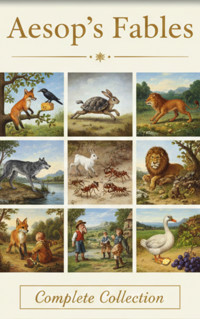

Aesop's Fables: A New Revised Version From Original Sources
Table of Contents
Introduction
Aesop's Fables: A New Revised Version From Original Sources presents a carefully prepared gathering of fables traditionally attributed to Aesop, accompanied by a contextual Life of Aesop and a selection of classic illustrations associated with Harrison Weir, John Tenniel, and Ernest Griset. The scope is deliberately broad rather than narrowly specialized: a substantial array of short prose fables is brought into one accessible volume, joined to the long-standing biographical tradition that has framed the reception of Aesop’s name. The aim is clarity, fidelity to established texts, and ease of reference, so that readers encounter both familiar pieces and less-circulated tales in a consistent voice that honors the concise character of the originals.
Very little about Aesop’s historical life is secure, and the figure functions largely as a conventional authorial name for a body of fables transmitted over centuries. The Life of Aesop included here belongs to that later narrative tradition, and is offered for context rather than as documentary biography. It helps explain how generations have imagined the wit, social standing, and travels of the storyteller to whom these miniatures are ascribed. Taken together, the Life and the fables illustrate how a single, emblematic name can unite a diverse corpus, shaping memory and moral imagination even when the facts of authorship remain beyond certain recovery.
This collection represents several text types: short prose fables; brief moral tags where tradition supplies them; and a narrative Life of Aesop that reads as biographical romance. The core genre is the fable—compact, exemplary stories in which animals and humans enact recognizable conflicts. The presence of illustrations by artists associated with landmark English editions underscores the interplay of word and image in the reception of these tales. The result is not a miscellany of anecdotes, but a coherent set of micro-narratives, each intelligible on its own and also resonant when read alongside its companions across themes of need, cunning, chance, and judgment.
As a revised version, this edition streamlines titles, aligns recurring names, and normalizes spelling, while preserving the plain, direct movement of each tale. Where fables circulate under multiple titles, a single, clear form is adopted for consistency. The language aims for modern readability without embellishment, so that the force of the examples rests on action and implication rather than commentary. Notes are kept to a minimum, and the morals, when traditionally attached, are retained or implied by the narrative. The purpose is practical: to let these brief narratives speak with their customary economy and to allow patterns to emerge across repeated situations and types.
Despite their variety, the fables share unifying concerns. Many dramatize power meeting vulnerability, strength testing subtlety, appetite encountering restraint. The Wolf and the Lamb, The Lion and the Mouse, and The Oak and the Reeds stage contests in which position, timing, and circumstance matter as much as force. Others—such as The Town Mouse and the Country Mouse or The Horse and the Ass—set competing goods side by side to expose the cost of preference. Throughout, the tales direct attention to the everyday negotiations of survival, showing how advantage is made, lost, or misunderstood in ordinary exchanges.
Stylistically, the hallmarks are brevity, plain diction, and decisive turns. A typical fable opens with a compact setup, advances by a single, telling action, and closes with a reversal or clarification that reframes what has just occurred. Anthropomorphic animals furnish a protective mask that allows frank observation of human motives, while the occasional human figures—farmers, shepherds, travelers—anchor the action in practical life. Irony is frequent but not ornamental; it is structural, revealing the gap between appearance and consequence. This disciplined economy makes the fables memorable and portable, suited to recollection and conversation long after the page is closed.
The fables serve learners of every age because they layer meanings without obscurity. Children meet vivid creatures and clear situations; experienced readers notice patterns of habit and judgment. The Fox and the Grapes, The North Wind and the Sun, and The Hare and the Tortoise place contrasting approaches side by side to test what actually works. The Shepherd’s Boy and Wolf examines the reliability of speech in a community. In each case, the narrative invites inference rather than insisting on doctrine, and the lesson, when present, is compact enough to be carried as a proverb without losing relation to the story that gives it life.
Another persistent thread is civic and social intelligence. Fables such as The Frogs Asking for a King, The Mice in Council, The Trees and the Axe, and The Wolf and the Lamb explore rule, consent, and the uses of law and custom. They do so by displacing human politics onto animals and trades, making delicate observations bearable through distance. Without naming times or parties, these pieces question how authority is chosen, how counsel becomes action, and how power speaks. Their longevity in classrooms, households, and pamphlets owes much to this flexibility: they travel well across debates because they argue by example, not by decree.
A practical ethic also runs through the marketplace of these tales. The Milkmaid and her Pot of Milk, The Dog in the Manger, The Ants and the Grasshopper, and The Goose with the Golden Eggs turn on work, planning, envy, and sudden gain. Crafts, tools, and livestock are frequent, not quaint decoration but the ground of livelihood. In showing missteps—waste, haste, and miscalculation—the fables portray consequences appropriate to ordinary life. They need no exceptional villains or heroes; they rely on recognizable urges and the modest satisfactions of prudence, patience, and proportion, set against impulses that undo themselves under the pressure of events.
Speech, wit, and persuasion receive special attention. The Fox and the Crow, The Crow and the Pitcher, and The Boy and the Nettle examine how words, technique, and resolve change outcomes. Some tales probe false confidence and borrowed prestige, like The Vain Jackdaw and The Ass in the Lion’s Skin; others study counsel and execution, as in The Farmers and the Cranes or The Mice in Council. The repeated lesson is not a single rule but a sharpened awareness of means and ends: what one says and how one acts must be fitted to circumstance, because fortune shifts and audiences listen with different interests.
The presence of images by Harrison Weir, John Tenniel, and Ernest Griset situates these texts within a visual tradition that has long shaped how readers imagine Aesop’s creatures. Their approaches differ—ranging from naturalistic to satiric caricature—but each gives a clear silhouette to the actors: fox, lion, crow, donkey, and the rest. The pictures do not explain the morals; they stage the moments of choice or surprise and help fix the stories in memory. By including these artists, the collection acknowledges how illustration has participated in the teaching power of Aesop, turning brief narratives into enduring cultural emblems.
The arrangement preserves the individuality of each fable and places the Life of Aesop where it can be consulted as background to the name that binds the set. Readers may proceed sequentially or by theme, guided by recurring figures and situations. The collection is intentionally inclusive rather than exclusive, embracing well-known pieces—The Fox and the Grapes, The Lion and the Mouse, The Hare and the Tortoise—alongside many others that reward fresh attention. Taken together, they form a single-author collection in the conventional sense: not a claim about single composition, but recognition of a tradition cohering around Aesop’s enduring signature.
Author Biography
Introduction
Aesop is the name attached to a celebrated body of short animal tales that crystallized in antiquity and have been retold for more than two millennia. Classical sources place him in archaic Greece and describe him as a wry storyteller, but virtually every biographical detail is uncertain. What is certain is the reach of the fables attributed to him. In this collection, Life of Æsop frames the corpus, while Æsop’s Fables gathers many of the best-known narratives. Their hallmarks—compressed plots, talking animals, and clear ethical inferences—made them durable tools for instruction, satire, and public discourse across cultures and centuries.
The present collection reflects that wide range. It assembles courtly parables, rustic jokes, and pointed political allegories: The Wolf and the Lamb probes unequal power; The Lion and the Mouse commends reciprocity; The Town Mouse and the Country Mouse contrasts ways of life; The Fox and the Grapes studies rationalization; The Hare and the Tortoise honors perseverance. With contributions by illustrators Harrison Weir, John Tenniel, and Ernest Griset, the edition also showcases the Victorian visual imagination that helped standardize how modern readers picture these ancient tales.
Education and Literary Influences
No reliable record of Aesop’s schooling survives, and even the contours of his historical life remain debated. The fables themselves suggest oral performance shaped by marketplaces, symposia, and household teaching, where brief, memorable stories could carry admonitions without offense. They resonate with Greek gnomology and early moral instruction, yet also with broader Near Eastern wisdom traditions. Parallels to animal parables and proverbial lore—often anonymous and communal—indicate a milieu where storytellers borrowed, sharpened, and reapplied narratives to new circumstances, embedding social experience in compact images.
The formation of the Aesopic corpus is also a history of transmission. Ancient and late-antique adapters in Greek and Latin verse and prose helped fix favorite pieces, while the popular Aesop Romance supplied a narrative “Life” that later editors reproduced or reshaped. In the nineteenth century, illustrators like Weir, Tenniel, and Griset profoundly influenced reception: their images guided tone and emphasis, crystallizing characters such as the Fox, Wolf, and Lion. As gathered here, the collection thus reflects both archaic storytelling habits and the editorial and artistic choices that mediated them to modern readers.
Literary Career
Speaking of a “career” for Aesop is shorthand for the gradual consolidation of fables under his name. The texts in this volume show the signature style: a swift setup, a recognizable type, a turn, and an implied moral. Power and vulnerability are recurring subjects. The Wolf and the Lamb studies how the strong invent pretexts; The Lion and the Mouse reminds that help can come from the small; The Lion and the Three Bulls dramatizes divide-and-conquer. Such tales compress political insight into everyday scenes, encouraging listeners to weigh advantage, motive, and the risks of speech.
Cunning and self-knowledge form another core. The Fox and the Grapes gives a vocabulary for sour rationalization; The Fox and the Stork reverses trickery; The Cat and the Fox weighs varied strategies; The Fox who had Lost his Tail exposes shame turned into advice. Vanity and the hazards of pretense animate The Vain Jackdaw and The Ass in the Lion’s Skin, where borrowed grandeur fails under scrutiny. These stories repeatedly reward lucid appraisal over bluster, teaching that wit without judgment, or pride without substance, invites exposure.
The fables also parse persuasion and credibility. The North Wind and the Sun contrasts coercion with gentle influence; The Shepherd’s Boy and Wolf (often remembered for its warning against “crying wolf”) shows how false alarms erode trust; The Trumpeter taken Prisoner distinguishes roles from deeds but insists on responsibility for incitement; The Prophet highlights the risks of trading in prediction. In each, speech is action: words can move, mislead, or repair, and audiences weigh character as much as claim.
Work, thrift, and appetite receive sustained attention. The Ants and the Grasshopper praises foresight; The Milkmaid and her Pot of Milk cautions against counting on unrealized gains; The Miser depicts hoarded wealth as inert; The Goose with the Golden Eggs and The Woman and her Hen warn that impatience destroys sustainable goods. These pieces map the moral economy of households and farms, where prudence and measured desire secure the future better than schemes or haste.
Social friction and identity games populate the human-centered items. The Miller, his Son and their Ass shows the folly of chasing universal approval; The Ass and his Shadow probes legal hairsplitting; The Bald Knight and The Peacock and the Crane turn on appearances and substance. Meanwhile, The Dog and the Manger illustrates possessiveness without use, and The Dog and the Shadow treats self-defeating greed. The humor is sharp but corrective, inviting self-recognition without elaborate doctrine.
Community, law, and belonging also surface. The Mice in Council exposes the gap between plans and execution; Bees, the Drones, and the Wasp wrestles with adjudication and proof; The Birds, the Beasts, and the Bat explores opportunism; Wolves and the Sheep warns against naïve peace with predators. Ingenuity shines in The Crow and the Pitcher, where need inspires resourcefulness; endurance in The Hare and the Tortoise; and practical wisdom in Farmer and his Sons and The Fisherman and the Little Fish. Across settings—forest, field, shoreline—the pieces favor clear-eyed judgment joined to modest, steady action.
Beliefs and Advocacy
The fables do not preach a systematic creed; they practice ethical instruction by example. Taken together, they favor prudence, fairness, and self-command over force, vanity, and rash appetite. They are alert to structural inequality, as in conflicts between predator and prey, yet they counsel shrewd conduct rather than rebellion for its own sake. Persuasion outperforms compulsion, as suggested by The North Wind and the Sun; reputation underwrites credibility, as in The Shepherd’s Boy and Wolf. This pedagogy—accessible to children and adults—equips listeners to read character, anticipate consequences, and speak truths indirectly where frank criticism is risky.
Final Years & Legacy
Ancient anecdotes about Aesop’s end—such as a death at Delphi—cannot be verified, but they show how strongly later ages imagined a teller whose wit unsettled the powerful. The textual legacy is certain. Through manuscript compilation, printing, schoolroom use, and popular illustration, the fables became a common moral language. This edition’s visual cycles by Weir, Tenniel, and Griset fixed icons for the Fox, Wolf, Lion, and Tortoise that still inform adaptations. Phrases like “sour grapes” and “to cry wolf” attest to the tales’ afterlife in everyday speech. The collection preserves that living toolkit for ethical reflection and social critique.
Historical Context
Aesop’s Fables: A New Revised Version From Original Sources places an ancient body of animal tales within a distinctly Victorian publishing frame. The collection’s text draws on classical Greek and Latin witnesses while its pictures reflect nineteenth‑century British illustration. The participation of Harrison Weir (1824–1906), John Tenniel (1820–1914), and Ernest Griset (1843–1907) situates the book amid popular visual satire and natural-history realism. Its range—from The Wolf and the Lamb and The Fox and the Grapes to The Hare and the Tortoise—reveals how a compact Greek genre became Europe’s most portable moral literature, adapted to classrooms, parlors, and pulpits over two millennia of cultural change.
The figure of “Aesop” belongs to archaic and classical Greek memory rather than documented biography. Ancient sources placed him roughly in the sixth century BCE, with stories circulating orally before they were written. Earlier Greek literature already used animal exempla: Hesiod’s Works and Days (ca. seventh century BCE) includes the hawk and nightingale; the poet Archilochus used pointed animal comparisons. These brief, pointed narratives flourished in a world of city‑states, public debate, and patronage, where indirect speech could be safer than open accusation. Fables such as The Man and the Lion or The Shepherd’s Boy and Wolf embody this oblique, crowd‑tested wisdom.
Late antique readers encountered Aesop not only through individual fables but via the Life of Aesop (Vita Aesopi), a Greek prose romance circulating by the early Byzantine era. It portrays Aesop as an enslaved outsider whose verbal agility unsettles elites—a narrative that amplifies the fable’s reputation as the powerless person’s weapon. While historically uncertain, the Life shaped reception, framing the fables as interventions from the margins. Episodes emphasizing wit over status resonate with pieces like The Fox and the Crow or The Lion and the Mouse, where clever speech and timely reciprocity complicate hierarchies without requiring extensive narrative machinery.
The Aesopic corpus coalesced in antiquity through literary redaction. Two major sources are Phaedrus, a first‑century CE Roman freedman who rendered fables into Latin iambics, and Babrius, a second‑century CE poet who versified them in Greek choliambics. Many staples of this collection—The Wolf and the Lamb, The Fox and the Grapes, The Town Mouse and the Country Mouse—are traceable to those authors. Their concise verse forms encouraged memorization and pedagogy, and their circulation in manuscript ensured continuity. Later prose paraphrases, expansions, and mixed collections created a fluid tradition in which titles and morals evolved while core scenes and oppositions remained stable.
In Greek and Roman education, fables served as exercises in rhetoric (progymnasmata). Manuals associated with Theon (first century CE) and Aphthonius (fourth century CE) taught students to expand, invert, and moralize short tales as practice for civic persuasion. This pedagogy shaped the fables’ style—economy, recognizability, and a detachable moral. Political prudence also mattered. Pieces like The Mice in Council, The North Wind and the Sun, and The Lion and the Mouse articulated lessons about deliberation, persuasion, and mutual obligation in terms that could circulate safely under monarchies or oligarchies where direct political critique carried risk.
After the fragmentation of the Roman Empire, Aesopic materials persisted in Byzantine compilations and medieval Latin collections. Monastic and scholastic writers mined them for sermon exempla and classroom exercises, often adding explicit Christian moralizations. Bestiary culture and encyclopedic natural histories provided a parallel frame for animals as moral mirrors. The Wolf and the Crane and The Crow and the Pitcher, for instance, traveled with brief morals attached, suitable for preaching. Vernacular translations widened access, and the fables’ portability allowed them to cross confessional lines, functioning as a shared stock of concise cases for ethical instruction and rhetorical practice.
The printing press gave Aesop unprecedented reach. William Caxton issued an English Aesop in 1484, adapting a popular French version; similar editions proliferated across Europe in the fifteenth and sixteenth centuries. Humanists treated fables as classical minor literature, glossed and moralized for schoolboys, while emblem books folded them into visual‑verbal aphorisms. Printers exploited their brevity and evergreen appeal. Allegorical pieces like The Trees and the Axe lent themselves to marginal commentary about communal responsibility, betrayal, and prudential speech. With movable type, what had been mnemonic lore became a staple of low‑cost literacy, a bridge between Latin schools and vernacular readers.
Seventeenth‑century Europe refashioned Aesop to new tastes. In France, Jean de La Fontaine’s Fables (1668–1694) turned classical kernels into urbane verse set amid courtly manners. In England, Roger L’Estrange’s Fables of Aesop (1692) offered politicized prose amid Restoration debates, while Samuel Croxall’s edition (1722) supplied Whiggish moral essays for youth. The Frogs Asking for a King and The Ass in the Lion’s Skin could be angled against tyranny or demagoguery depending on the editor. These versions cemented a pattern: editors read timeless plots through contemporary disputes, attaching morals that reflected the political vocabulary of their moment.
Eighteenth‑century pedagogy and commerce reinforced Aesop’s status. John Locke, in Some Thoughts Concerning Education (1693), recommended fables as child‑friendly moral training, a view sustained by later schoolbooks. Expanding markets, financial speculation, and consumer culture gave special bite to pieces like The Miser, The Goose with the Golden Eggs, and The Two Pots. Their compressed ethics—about value, utility, partnership, and risk—fit an age of ledgers and pamphlets. The fables migrated into periodical essays and children’s readers, where the detachable moral was sometimes printed as a maxim, signaling an Enlightenment confidence that reason could be taught through concise, repeatable cases.
Industrial Britain transformed both audience and medium. Urbanization, new work regimes, and philanthropic schooling expanded the child readership; the Sunday‑school movement and, later, the Elementary Education Act of 1870 increased access to print. In that context, tales like The Miller, his Son and their Ass, The Town Mouse and the Country Mouse, and The Dog in the Manger spoke to anxieties about public opinion, social mobility, and resource hoarding. Editors and teachers prized the fables’ brevity, portability, and apparent neutrality, even as the stories smuggled pointed reflections on labor, prudence, and neighborliness into primers and home libraries.
Technological change made illustrated Aesops ubiquitous. The refinement of wood‑engraving from the late eighteenth century (associated with Thomas Bewick’s school) and steam‑driven presses (adopted by British newspapers from 1814) lowered costs and sharpened detail. By mid‑century, publishers could marry dense text with crisp images in affordable volumes. Animal personae—already vivid in the imagination—gained fixed visual identities. In such conditions, an illustrated “revised version from original sources” could promise philological seriousness in the text while using images to guide interpretation, pacing, and tone, ensuring the fables’ appeal across classes and ages.
John Tenniel, long a principal cartoonist for Punch (from 1850 to 1874) and famed illustrator of Alice’s Adventures in Wonderland, brought a political caricaturist’s eye to Aesopic scenes. His training in allegory and parliamentary satire meshed with pieces like The Frogs Asking for a King, The Mice in Council, and The Lion in Love, which had long served as shorthand for debates about authority, consultation, and reform. Tenniel’s crisp line and emblematic staging encouraged readers to map Victorian public life onto ancient plots without explicit naming, a technique honed in weekly cartoons and redeployed here in fables’ compact theater of power.
Harrison Weir, a leading Victorian animal draftsman and organizer of London’s first formal cat show (1871), represented another tendency: observational naturalism. His birds, cattle, and domestic animals, familiar from natural‑history books and periodicals, lent credibility to scenes such as The Crow and the Pitcher, The Gnat and the Bull, or The Lark and her Young Ones. In an era fascinated by classification and behavior—sharpened by debates after the publication of Darwin’s On the Origin of Species (1859)—Weir’s images anchored moral exempla in plausible animal postures. The effect tempered allegory with lifelike detail, allowing readers to see habit, craft, and instinct at work.
Ernest Griset, active in London’s 1860s illustrated press and known for grotesque animal caricature (he contributed to magazines such as Fun), supplied a third visual register: comic exaggeration with a satirical bite. His physiognomic play suited tales of vanity, trickery, and self‑deception—The Vain Jackdaw, The Monkey and the Cat, The Ass in the Lion’s Skin—where social masks slip. Griset’s humor resonated with urban audiences accustomed to music‑hall wit and comic journalism. In such hands, fables could oscillate between moral lesson and sly social observation, amplifying their traditional function as mirrors held up, safely, to human foibles.
The claim “new revised version from original sources” reflects nineteenth‑century philology. Discoveries of Babrius manuscripts in the 1840s by Minoïdes Mynas and subsequent critical editions (for example, by C. Lachmann in 1845) refined texts; renewed attention to Phaedrus similarly corrected long‑standing interpolations. Victorian editors collated Greek and Latin witnesses, trimmed verbose later moralizations, and restored concise formulations. In this volume, pieces like The Boasting Traveler, The Hare and the Tortoise, or The Ass and his Purchaser exemplify that tightening: a return to pointed diction and compact narrative arcs intended to align English renditions with the sharp contours of their ancient models.
Victorian politics gave old plots new resonance. The Reform Acts of 1832 and 1867, Chartist agitation (1838–1848), and debates over empire and administration made fables about governance urgent. The Trees and the Axe warned about empowering would‑be exploiters; The Wolves and the Sheep pondered the perils of naïve deals; The Farmer and the Stork raised questions about collective punishment; The Shepherd and the Wolf examined vigilance and misplaced trust. In classrooms and newspapers alike, such stories could be read as nonpartisan ethics or as lightly coded commentary on patronage, public meetings, and the responsibilities of enfranchised citizens.
At the same time, the fables tracked everyday economic and domestic life. The Dog and the Manger, The Goose with the Golden Eggs, and The Woman and her Hen spoke to household economies and the calculus of thrift; The Miller, his Son and their Ass dramatized the costs of chasing opinion; The Ass and his Shadow probed contract and expectation. The North Wind and the Sun offered a lesson in persuasion applicable to diplomacy and pedagogy alike. Because the tales were short and familiar, editors could pair them with didactic prefaces or pictures without exhausting readers, letting each generation gloss them to its own practical concerns.
Synopsis (Selection)
Illustrations: Harrison Weir, John Tenniel, Ernest Griset
This section frames the collection’s moral vignettes with vivid animal characterizations and visual irony, reinforcing how expression, gesture, and emblem amplify each fable’s compact lesson. The tonal range—by turns playful, severe, and sardonic—mirrors Aesop’s blend of humor and severity, inviting readers to see familiar creatures as charged symbols of human impulse and social order.
Life of Æsop
A brief life sketch situates the storyteller amid folklore of servitude, wit, and peril, establishing the tradition in which sharp observation and survival instinct shape parable. The piece foregrounds the use of cunning, common sense, and moral reversal as Aesop’s signature tools, preparing readers for tales where status is secondary to judgment.
Æsop’s Fables (General Overview)
The collection distills social truths into brisk animal dramas, where a single misstep, boast, or bargain reveals the structure of power and consequence. Across sharp turns and ironic payoffs, recurring concerns—prudence, justice, vanity, counsel, and adaptability—trace the rhythms of everyday life made legible through beasts and birds.
Predators, Power, and Justice
These fables scrutinize strength, appetite, and rule through contests of teeth and talon, asking whether authority can be just or only expedient. Representative and related fables include: The Wolf Turned Shepherd; The Wolf and the Lamb; The Wolf and the Shepherds; The Wolf and the Sheep; The Wolf and the Shepherd; The Wolf and the Lion; The Wolf and the Horse; The Wolf and the Goat; The Wolf and the Crane; The Wolf, the Goat and the Kid; The Lamb and the Wolf; The Kid and the Wolf.
Lions and their courts reveal both majesty and decline, from fearsome command to frailty and manipulation, testing the reach and limits of dominion. Representative and related fables include: The Lion and the Boar; The Lion and the Fox; The Lion and the Dolphin; The Lion and the Mouse; The Lion in Love; The Old Lion; The Lion and the Three Bulls; The Lion, the Ass and the Fox Hunting; The Lion, the Bear, and the Fox; The Bowman and the Lion; The Lioness.
Aerial hunters and smaller adversaries complicate the food chain with retaliation and surprising justice, showing how the mighty are entangled by their own means. Representative and related fables include: The Fighting Cocks and the Eagle; The Eagle and the Kite; The Eagle and the Fox; The Eagle and the Beetle; The Hawk and the Nightingale; The Crow and the Serpent; The Wild Ass and the Lion; The Stag, the Wolf and the Sheep.
Tricksters, Ruses, and Quick Wits
Clever plotters exploit vanity and haste, turning flattery, feints, and opportunism into escapes and reversals that test self-command. Representative and related fables include: The Fox and the Crow; The Fox and the Stork; The Fox and the Goat; The Fox and the Wood-Cutter; The Fox and the Hedgehog; The Fox and the Turkeys; The Fox and the Ape; The Leopard and the Fox; The Fox and the Lion; The Cock and the Fox; The Bear and the Fox.
Household frictions and petty crimes expose the temptations of appetite and the cost of misplaced trust, as small ruses meet larger consequences. Representative and related fables include: The Cat and the Mice; The Cat and the Fox; The Cat and the Birds; The Cat, the Weasel and the Rabbit; The Mouse and the Boasting Rat; The Rat and the Frog; The Dogs and the Fox; The Thief and the House-Dog; The Dog and his Master’s Dinner; The Dog, Cock and Fox.
Performers and imitators probe the gap between show and substance, where borrowed grandeur dissolves under pressure. Representative and related fables include: The Monkey and the Cat; The Monkey and the Dolphin; The Monkey and the Camel; The Dancing Monkeys; The Eagle, the Cat, and the Wild Sow; The Lion and the Ass; The Ass and the Wolf; The Ass, the Fox, and the Lion.
Hubris, Vanity, and Misjudgment
Aesop dissects self-image and borrowed splendor, contrasting polish with worth and showing how self-regard blinds judgment. Representative and related fables include: The Stag at the Pool; The Fox and the Grapes; Jupiter and the Monkey; The Bald Knight; The Peacock and the Crane; The Peacock and the Magpie; The Ass carrying the Image; The Hare afraid of his Ears; The Vain Jackdaw; The Eagle and the Jackdaw.
Overreach and noise promise more than they deliver, and shallow victories turn quickly to comeuppance. Representative and related fables include: The Ox and the Frog; The Mountain in Labor; The Viper and the File; The Rat and the Elephant; The Quack Frog; The Game-cocks and the Partridge; The Bull and the Goat; The Boar and the Ass; The Heifer and the Ox.
Dissatisfaction with one’s station and ill-chosen comparisons spark losses that sober pride into prudence. Representative and related fables include: The Ass and the Charger; The Ass Eating Thistles; The Fox and the Tiger; The Fir Tree and the Bramble; The Hares and the Frogs; The One-Eyed Doe; The Dog Whose Ears were Cropped.
Work, Wealth, and Everyday Prudence
These parables weigh thrift against greed and daydreams against steady gain, advocating measured aims over fantasies of windfalls. Representative and related fables include: The Milkmaid and her Pot of Milk; The Miser; The Goose with the Golden Eggs; The Hen and the Golden Eggs; The Woman and her Hen; The Great and the Little Fishes; The Fisherman and the Little Fish; The Boy and the Filberts; The Old Woman and the Wine-Jar.
Animal labor and service reveal duties, gratitude, and fair burden-sharing, warning against neglect and posturing at work. Representative and related fables include: The Horse and the Ass; The Horse and his Rider; The Horse and the Groom; The Horse and the Loaded Ass; The Mules and the Robbers; The Ass Carrying Salt; The Sensible Ass; The Ass and the Lap-Dog; The Playful Ass; The Mischievous Dog.
Rural management and husbandry emphasize vigilance, steady effort, and realistic risk, turning craft into inheritance. Representative and related fables include: The Shepherd and the Wolf; The Shepherd and the Sheep; The Farmer and the Stork; The Farmer and the Cranes; The Herdsman and the Lost Bull; The Goatherd and the Goats; The Shepherd and the Sea; The Farmer and His Sons; The Lark and her Young Ones.
Practical wisdom tempers appetite and fear, urging acceptance of limits and clear-eyed bargains. Representative and related fables include: The Wolf and the House-dog; The Dogs and the Hides; The Laborer and the Snake; The Goat and the Ass; The Ants and the Grasshopper; The Mule; The Widow and the Sheep; The Old Hound.
Counsel, Speech, and Public Life
These fables test advice, rhetoric, and attention, contrasting sound counsel with noise, flattery, and distraction. Representative and related fables include: The Mice in Council; The Owl and the Grasshopper; The Boy and the Nettle; The Dog and the Oyster; The Cock and the Jewel; The Man and the Satyr; The Dove and the Crow; The Boy Bathing; The Buffoon and the Countryman.
Polity and order hinge on how communities choose leaders, assign blame, and heed warnings about complicity. Representative and related fables include: The Frogs Asking for a King; The Prophet; The Birds, the Beasts, and the Bat; The Wolves and the Sheep; The Trees and the Axe; The Oxen and the Butchers; The Father and his Sons; The Lion and the Three Bulls; The Miller, his Son and their Ass.
Alliances and procedures—often legalistic or tactical—shape outcomes as much as force does, rewarding foresight and unity. Representative and related fables include: The Hawk, the Kite, and the Pigeons; The Mouse and the Weasel; The Bat and the Weasels; The Bulls and the Frogs; The Three Tradesmen; The Two Soldiers and the Robber; The Thief and His Mother; The Man and His Two Wives; The Fox and the Monkey.
Advice within families and among the young measures caution against panic, and experience against glib assurance. Representative and related fables include: The Stag and the Fawn; The Fawn and his Mother; The Bull and the Calf; The Sick Stag; The Shepherd’s Boy and Wolf.
Family, Companionship, and Trust
Unequal partnerships and well-meaning but harmful friends show how proximity can magnify risk when aims and temperaments clash. Representative and related fables include: The Two Pots; The Charcoal-Burner and the Fuller; The Bear and the Two Travelers; The Bear and the Gardener; The Porcupine and the Snakes; The Fatal Marriage.
Care, example, and fidelity within households and close bonds are tested by fear, play, and treachery, revealing what help truly is. Representative and related fables include: The Widow and her Little Maidens; The Boys and the Frogs; The Crab and its Mother; The Mother and the Wolf; The Blind Man and the Whelp; The Mouse, the Frog, and the Hawk; The Fowler and the Ringdove; The Dog and the Hare.
Travel, Peril, and Experience
Journeys and hospitality contrast display with substance, as new settings expose pretense and reshape expectations of comfort. Representative and related fables include: The Town Mouse and the Country Mouse; The Dog Invited to Supper; The Ass and his Purchaser; The Camel and the Arab; The Seaside Travelers; The Travelers and the Plane-Tree.
Roadside hazards and prideful claims invite scrapes and standoffs, where practicality outpaces bravado. Representative and related fables include: The Boasting Traveler; The Two Goats; The Dog and the Shadow; The Ass and his Shadow; The Two Frogs; The Tortoise and the Two Ducks; The Partridge and the Fowler.
Encounters with fate and mischance admonish attentiveness, humility, and readiness to adapt when the world surprises. Representative and related fables include: The Old Man and Death; The Sick Kite; The Sea-gull and the Kite; The Countryman and the Snake; The Hunter and the Wolf; The Astronomer; The Man Bitten by a Dog; The Huntsman and the Fisherman; The Ass, the Cock, and the Lion.
Nature, Adaptation, and Ingenuity
Elements and forces model competing methods of influence, suggesting that flexibility and steady pressure often surpass brute insistence. Representative and related fables include: The North Wind and the Sun; The Wind and the Sun; The Oak and the Reeds; The Kites and the Swans; The Oxen and the Axle-Trees.
Resourcefulness, patience, and measured desire solve problems that impatience worsens, turning small acts into decisive leverage. Representative and related fables include: The Crow and the Pitcher; The Hare and the Tortoise; The Hare and the Hound; The Thirsty Pigeon; The Flies and the Honey; The Dove and the Ant.
Seasonal insight, habitat, and preparedness matter as much as courage, and misplaced refuge or timing can be fatal. Representative and related fables include: The Thrush and the Swallow; The Hen and the Swallow; The Swallow and the Crow; The Vine and the Goat; The Stag in the Ox-Stall; The Bear and the Bee-Hives; The Wild Boar and the Fox; The Tortoise and the Eagle; The Dolphins and the Sprat.
Identity, Appearance, and Reality
Masks, emblems, and reputations prove slippery, as borrowed grandeur and painted dangers reveal the gap between seeming and being. Representative and related fables include: The Fox and the Mask; The Man and the Lion; The King’s Son and the Painted Lion; The Ass in the Lion’s Skin; The Fox who had Lost his Tail; The Eagle and the Arrow; The Swan and the Goose; The Raven and the Swan.
Pride of scale and sting of insult are recalibrated when the small unsettle the mighty and every boast meets its counterexample. Representative and related fables include: The Gnat and the Lion; The Gnat and the Bull; The Lion and the Gnat; The Geese and the Cranes; The Fox and the Leopard; The Cat and the Cock.




