


0,49 €
Niedrigster Preis in 30 Tagen: 1,99 €
Niedrigster Preis in 30 Tagen: 1,99 €
Mehr erfahren.
- Herausgeber: Booksell-Verlag
- Kategorie: Für Kinder und Jugendliche
- Sprache: Englisch
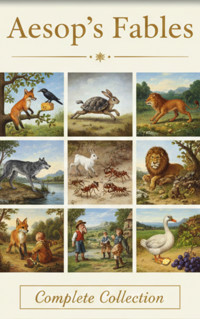
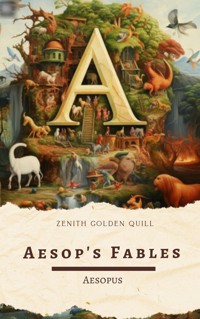
Æsop's Fables, a timeless anthology attributed to the ancient Greek storyteller Aesop, encapsulates a rich tapestry of moral lessons conveyed through brief narratives featuring anthropomorphized animals and mythical elements. This collection traverses various themes such as justice, wisdom, and human folly, employing a distinctive simplicity that invites readers from all walks of life to engage with its profound philosophical insights. The fables reflect the cultural ethos of ancient Greek society and serve as a poignant critique of human behaviors, often contrasting virtue with vice in a manner that remains relevant across centuries. Aesop, believed to have lived in the 6th century BCE, is shrouded in enigma, with scant historical records detailing his life. His experiences as a slave and storyteller likely informed his keen observations of human nature, allowing him to craft parables that resonate with universal truths. The oral tradition of storytelling, prevalent in his time, undoubtedly influenced his ability to capture complex moral dilemmas in accessible and memorable tales, as evidenced by the enduring popularity of his work. For readers seeking a profound yet accessible exploration of morality through storytelling, Æsop's Fables is an indispensable addition to any literary canon. Its timeless lessons invite reflection and discussion, making it not only a delightful read for children but also a source of wisdom for adults, challenging them to reconsider their own actions and values. In this enriched edition, we have carefully created added value for your reading experience: - A comprehensive Introduction outlines these selected works' unifying features, themes, or stylistic evolutions. - The Author Biography highlights personal milestones and literary influences that shape the entire body of writing. - A Historical Context section situates the works in their broader era—social currents, cultural trends, and key events that underpin their creation. - A concise Synopsis (Selection) offers an accessible overview of the included texts, helping readers navigate plotlines and main ideas without revealing critical twists. - A unified Analysis examines recurring motifs and stylistic hallmarks across the collection, tying the stories together while spotlighting the different work's strengths. - Reflection questions inspire deeper contemplation of the author's overarching message, inviting readers to draw connections among different texts and relate them to modern contexts. - Lastly, our hand‐picked Memorable Quotes distill pivotal lines and turning points, serving as touchstones for the collection's central themes.
Das E-Book können Sie in Legimi-Apps oder einer beliebigen App lesen, die das folgende Format unterstützen:
Veröffentlichungsjahr: 2019
Ähnliche





Æsop's Fables
Table of Contents
Introduction
The collection titled 'Æsop's Fables' is a definitive compilation of the works attributed to Aesop, a figure whose influence on literary tradition and moral storytelling is unparalleled. This anthology serves not only to preserve the tales that have captivated audiences for millennia but also to illuminate their enduring themes and lessons. By bringing together Aesop's fables into a singular volume, readers are afforded an opportunity to engage comprehensively with his insights into human behavior, ethics, and the virtues that underpin collective societal interactions. The aim is to provide a rich understanding of Aesop’s narrative prowess and philosophical underpinnings.
The contents of this collection primarily feature fables, a distinct genre characterized by brief, allegorical tales that convey moral lessons through the actions of anthropomorphized animals and other characters. Each of Aesop's fables stands alone, yet they contribute to a larger discourse on human nature and morality. While primarily known for these fables, Aesop's works touch on elements of ancient storytelling practices and oral traditions, creating a tapestry that incorporates wisdom literature alongside animal lore. Together, they form a significant body of work that illustrates the power of narrative in transferring cultural values across generations.
One of the unifying themes prevalent within 'Æsop's Fables' is the exploration of morality through simple yet profound narratives. Each fable serves as a microcosm of ethical dilemmas faced in daily life, addressing virtues such as honesty, cleverness, and humility, while also warning against vices like greed and pride. The stylistic hallmark of Aesop's work lies in its brevity and clarity; these seemingly simple narratives are laden with deeper meanings that encourage reflection. The accessibility of Aesop's language belies the complexity of the truths he seeks to convey, ensuring that his fables resonate with audiences across diverse cultural and temporal landscapes.
The significance of Aesop's fables endures due to their universal applicability, making them relevant across different cultures and eras. These narratives do not merely entertain; they challenge readers to confront their own behaviors and attitudes. The deceptively straightforward plots, often culminating in a pronounced moral, simplify complex lessons that encourage personal growth and societal reflection. Furthermore, the use of animals as central characters allows for the exploration of human nature in a way that is both engaging and enlightening, bridging the gap between the whimsical and the serious.
The anthology appears at a time when the relevance of moral storytelling is perhaps more crucial than ever. In an age filled with fragmentation and uncertainty, Aesop's capacity to distill ethical teachings into digestible narratives offers a remedy for a world in search of guidance. The fables remind us that while the contexts of our lives may differ, the fundamental human experiences of ambition, rivalry, compassion, and folly remain timeless. This rich tapestry of fables continues to foster discussions around values and interpersonal dynamics, serving as a foundation for moral education and personal reflection.
As a literary form, fables speak not only to children but to adults seeking wisdom in a complex world. 'Æsop's Fables' is accessible enough for young readers to grasp foundational morals while providing layers of meaning for adults who may reflect on their own experiences. Hence, this multi-generational appeal speaks to the deftness of Aesop as a storyteller, whose capacity to weave intricate truths into simplistic tales illustrates the profound truths about humanity and ethics. This quality ensures that his works are not merely historical artifacts but continue to serve educational purposes in contemporary society.
Moreover, the presentation of ethics through animals allows for a unique approach to human flaws, making folly and virtue more palatable to the reader. By anthropomorphizing animals, Aesop grants readers the freedom to empathize with characters and reflect upon their choices from a degree of emotional distance. This indirect confrontation with morality encourages deeper engagement with the narratives, prompting critical thinking about personal conduct and ethical considerations. Thus, the fables retain their relevance as tools for moral reasoning and self-examination in a world filled with complexities and ethical ambiguities.
In addition to providing ethical narratives, Aesop’s fables function as cultural touchstones that reflect the societal values of their time. This collection underscores the historical context in which these stories originated while highlighting their adaptability across different cultures. The cross-cultural transmission of Aesop’s fables—often retold and reinterpreted—demonstrates their power to transcend geographical and temporal boundaries. As readers engage with the anthology, they may discover connections between Aesop's messages and the moral frameworks of their own cultures, showcasing the diverse applicability of these ancient tales.
The dialogic relationship between Aesop’s fables and ethics raises questions concerning the nature of morality itself. In an increasingly globalized society, the fables provide a space for readers to grapple with diverse ethical perspectives presented through a poetic framework. Visionary insights presented throughout the collection invite readers to question their assumptions and reevaluate their ethical commitments. Through familiarity with Aesop’s work, one can navigate the complexities of modern moral dilemmas, as these age-old tales possess a wisdom that continues to reverberate through time.
As this collection endeavors to reflect the totality of Aesop’s contributions, it properly acknowledges the various versions and adaptations that have emerged over the years. Compiling fables from extensive oral traditions and written texts offers a comprehensive perspective on Aesop's impact. It is important to note that while the fables in this collection may appear simple, their myriad interpretations underscore the depth of Aesop's insights and the versatility of his narrative style. Readers are thus invited not only to absorb the tales but to consider how each fable might reflect their own experiences and moral contemplations.
In contemplating the structure of the collection, readers will notice a deliberate organization that encourages engagement. Each fable is paired with moral interpretations and contextual notes, enhancing the reader's experience and understanding. This organizational clarity assists in navigating the breadth of Aesop's work, allowing both casual readers and scholars to find meaning in each tale. The accessible nature of this compilation invites repeated readings, providing depth of insight that can continually reveal new facets and interpretations with every encounter.
Aesop’s fables have served as a fertile ground for various adaptations in literature, art, and popular culture. The distinctive narratives have inspired countless retellings, illustrating their vitality and relevance across mediums. This collection not only preserves Aesop's original tales but also invites readers to consider the broader impact of these fables on contemporary media. By engaging with literature that spans the ages, one can appreciate the power of storytelling as a cultural phenomenon that shapes societal values and individual lives.
Additionally, the stylistic features inherent in Aesop's narratives—such as irony, humor, and paradox—further contribute to the timeless quality of these fables. These devices not only entertain but provoke thought, igniting critical discussions around serious topics through engaging narratives. Aesop's finesse in crafting relatable characters and scenarios helps to guide readers toward reflections on their own behaviours and the world around them. It is this interplay of aesthetic and ethical engagement that captivates readers, generating both enjoyment and insight.
As readers journey through the collection, they will find that each fable encourages introspection and invites moral consideration. The universality of the themes traversed—friendship, kindness, wisdom, and folly—transcends cultural and temporal barriers, revealing truths about human nature that bind us together. Aesop's ability to distill such complex ideas down to their essence invigorates the narratives with a clarity that resonates across ages. By engaging with Aesop's work, readers can rekindle their fascination with the insights that have shaped ethical thought through storytelling.
In our exploration of Aesop's fables, it is crucial to remember the relevance that these age-old stories hold in contemporary contexts. The ethical dilemmas presented still reflect challenges faced in modern society, making these tales not just relics of the past but active contributors to ongoing moral dialogues. The collection invites readers to reflect on their application in daily life while inspiring them to derive personal insights and resolutions through Aesop’s timeless prose.




