


Erhalten Sie Zugang zu diesem und mehr als 300000 Büchern ab EUR 5,99 monatlich.
- Herausgeber: epubli
- Kategorie: Geisteswissenschaft
- Sprache: Englisch
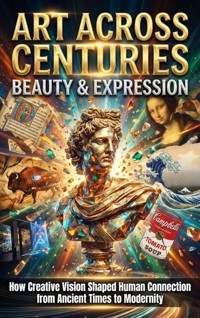
Art has always been humanity's universal language—a bridge between cultures, epochs, and worldviews. This exploration traces how creative expression evolved from cave paintings to contemporary installations, revealing the profound connections between artistic vision and human experience across millennia. Through archaeological evidence and documentary analysis, discover how ancient civilizations used art to communicate power, spirituality, and daily life. Follow the Renaissance masters who revolutionized perspective and technique. Witness how colonial encounters transformed artistic traditions in unexpected ways. Understand how modernism challenged conventions while preserving threads of continuity with the past. Each chapter examines specific artworks, artistic movements, and cross-cultural exchanges that defined their eras. From Egyptian tomb paintings to Islamic geometric patterns, from European portraits to African sculptures, the narrative reveals how beauty and expression transcended borders long before globalization. This book demonstrates that art history is not merely aesthetic development—it documents human aspiration, innovation, and the persistent need to create meaning through visual forms across time and geography.
Sie lesen das E-Book in den Legimi-Apps auf:
Seitenzahl: 233
Veröffentlichungsjahr: 2026
Das E-Book (TTS) können Sie hören im Abo „Legimi Premium” in Legimi-Apps auf:
Ähnliche




















Table of Contents
Chapter 1: The Dawn of Art: Cave Paintings and Early Expressions
The Significance of Cave Paintings
Techniques and Materials of Early Artists
The Themes Depicted in Cave Art
Social Structures and Community Reflected in Art
Interpretation and Meaning: Modern Perspectives on Cave Art
The Legacy of Cave Art in Contemporary Culture
Chapter 2: Ancient Symbols: Art as a Language of Power and Belief
The Role of Hieroglyphs in Egyptian Society
Mesopotamian Art: The Cradle of Civilization
The Spiritual Connectivity in Ancient Art
Artistic Symbolism in Ancient Cultures
Cross-Cultural Influences on Ancient Art
Chapter 3: The Classical Era: Harmony and Humanism in Art
The Foundations of Classical Art
Humanism and the Celebration of the Human Form
Architectural Innovations: The Parthenon and Beyond
Transition to the Renaissance: Recovering Classical Ideals
Chapter 4: The Middle Ages: Spirituality through Art
The Role of Art in Religious Life
Illuminated Manuscripts: Art and Knowledge
The Influence of Byzantine Art
Secular Art and Daily Life
Chapter 5: The Renaissance: A Revolution of Perspective
The Revival of Classical Ideas
Innovations in Perspective
Color and Light
The Role of Science and Observation
Cultural Exchange and Influence
Lasting Impact of the Renaissance
Chapter 6: Baroque to Rococo: Emotions in Motion
The Emotional Landscape of the Baroque
The Transition to Rococo: A Shift in Sensibility
Techniques that Shaped Emotional Expression
Iconic Works that Captured the Era
The Legacy of Baroque and Rococo in Modern Art
Chapter 7: The Age of Enlightenment: Art and Social Commentary
The Context of Enlightenment Art
Artists as Social Commentators
Artistic Techniques and Innovations
The Impact of Public Spaces and Exhibitions
Cross-Cultural Influences in Art
Legacy of Enlightenment Art
Chapter 8: The Colonial Encounter: Exchange and Transformation
The Prelude to Colonial Exchange
The Impact of Colonialism on Art
Case Studies of Cross-Cultural Art
The Evolution of Artistic Identity
Reflections on Legacy and Future Trends
Chapter 9: Romanticism to Realism: A Return to Humanity
The Essence of Romanticism
The Influence of Eugène Delacroix
Transition to Realism
The Role of Gustave Courbet
The Impact of Artistic Societies
The Legacy of Romanticism and Realism
Chapter 10: Modernism: The Break from Tradition
Modernism: An Overview
Cubism: Fragmenting Reality
Surrealism: Exploring the Subconscious
Impact of Modernism on Society
Global Reactions to Modernism
Chapter 11: The Impact of Globalization: Cross-Cultural Artistic Dialogues
Understanding Globalization in the Artistic Context
Contemporary Artists and Cultural Narratives
Traditional Techniques in a Globalized World
The Future of Artistic Globalization
Chapter 12: Art Today: Digital Expressions and New Connections
The Digital Revolution in Art
Social Media as an Artistic Canvas
Digital Installations and Performance Art
The Role of NFTs in Art
Chapter 13: The Future of Art: Sustainability, Diversity, and Community
The Role of Sustainability in Art
Diversity in Artistic Expression
Community Engagement Through Art
Technology and the Future of Artistic Creation
The Influence of Globalization on Art
Chapter 14: The Persistent Thread: Art as a Human Right
Defining Art as a Human Right
Historical Context of Art as a Human Right
The Barriers to Artistic Access
Advocacy for Artistic Rights
Chapter 15: A Tapestry of Connections: Summary and Reflection
Reflections on Artistic Evolution
The Role of Art in Human Connection
Cross-Cultural Influences Through Time
Key Artistic Movements and Their Impact
The Future of Artistic Expression
Chapter 16: Continuing the Conversation: Engaging with Art
The Importance of Art Engagement
Ways to Engage with Art
Artistic Expression and Identity
The Future of Art Engagement
A Tapestry of Artistic Connection: Final Reflections
Chapter 1: The Dawn of Art: Cave Paintings and Early Expressions
Art began as a primal expression of the human experience, deeply rooted in the survival instincts and spiritual beliefs of early societies. The cave paintings of Lascaux and Altamira offer a glimpse into this rich tapestry, showcasing both the creativity and the profound sense of connection that early humans had with their environment, their companions, and the metaphysical realm. This chapter explores how these ancient artworks served as a foundational language that communicated survival, spirituality, and community.
The Significance of Cave Paintings
Cave paintings represent some of humanity's earliest forms of artistic expression. They provide crucial insights into the lives and beliefs of early humans. This section examines why these works are not just simple illustrations, but significant cultural artifacts that reflect the socio-spiritual frameworks of their creators.
Cave paintings as a means of communication
Cave paintings, such as those found in Lascaux and Altamira, served as an essential means of communication among early humans. Through these intricate artworks, prehistoric people conveyed information that extended beyond words, establishing a visual dialogue within their communities. The imagery depicted in these caves is thought to include hunting scenes, spiritual entities, and symbolic motifs; each of these elements played a crucial role in expressing shared experiences and impending survival strategies.
Moreover, these visual narratives likely acted as educational tools, teaching younger generations about their environment and the behaviors necessary for survival. This early form of communication underscores the significance of art as a universal language that transcended the limitations of spoken language. In this regard, cave paintings illustrate how artistic expression was integral to human connection, enabling individuals to form a collective identity and a deeper understanding of their world.
The role of spirituality in early art
Spirituality is woven into the fabric of early artistic expression, particularly evident in cave paintings. These artworks are not merely decorative; they reveal the profound spiritual beliefs of prehistoric communities. Imagery of animals, human figures, and abstract symbols often indicate a reverence for nature and the cosmos, suggesting that early humans sought to communicate with the spiritual world.
Many theories propose that these paintings served as ritualistic tools, potentially aimed at securing a successful hunt or appeasing spiritual beings. Such practices highlight the deep connection between art and spirituality, suggesting that early human creativity was driven by a desire to explore and express the metaphysical aspects of existence. This interlinking of spiritual belief and creative expression paved the way for future artistic traditions, illustrating the enduring power of art to articulate the human experience.
Representation of everyday life and survival
Cave paintings also provide vivid representations of everyday life, encapsulating the survival challenges faced by early humans. These artworks often depict hunting scenes, communal gatherings, and interactions with animals, showcasing the skills and strategies essential for survival. Through these illustrations, early humans documented their knowledge of the natural world and their place within it, creating a historical record that informs our understanding of their daily existence.
In this context, cave paintings reflect not only the practical concerns of securing food and shelter but also the community's social structures and relationships. By capturing these everyday themes, these artworks reveal how creativity was used as a tool for survival, fostering a sense of unity and shared purpose among individuals as they faced the uncertainties of their environments. Thus, early art was a testament to humanity's resilience and adaptability.
Cultural significance of these early artworks
The cultural significance of cave paintings extends far beyond their aesthetic appeal. They serve as vital artifacts that provide insights into the social, spiritual, and environmental contexts of prehistoric life. These artworks encapsulate the values, beliefs, and experiences of early societies, revealing a rich tapestry of human connection that transcends time and geography.
As cultural artifacts, cave paintings allow archaeologists and historians to reconstruct the lifestyles and worldviews of our ancestors. They illuminate the complexities of early human interactions, from communal cooperation in hunting to the shared rituals of spirituality. By understanding the cultural significance of these early artworks, we gain a deeper appreciation of how art has functioned as a foundational language that shaped human connection, community, and identity throughout history.
Techniques and Materials of Early Artists
The materials and techniques used by prehistoric artists reveal much about their environment and capabilities. Understanding these methods allows us to appreciate the skill involved in creating cave art. This section focuses on the innovation and resourcefulness of early artists.
Natural pigments from minerals and plants
The early artists of prehistoric times relied on natural pigments derived from their surrounding environment. These pigments were sourced from minerals such as ochre, charcoal, and various clay deposits, alongside plant-based materials. Ochre, for instance, offered a range of colors from deep reds to yellows, while charcoal provided blacks for shading.
These artisans experimented with their materials, developing techniques to extract and process pigments into usable forms. They would grind the minerals on stone surfaces, mixing them with fat or water to create paint. Such resourcefulness highlights their intimate knowledge of the landscape, allowing them to translate their environment into art.
Beyond aesthetic appeal, these natural colors carried significant meaning within their communities. The use of specific pigments may have signified status, spiritual beliefs, or communal identity, reinforcing the deep connections between art and the cultural fabric of early human societies.
Tools and equipment used in cave painting
Early cave painters ingeniously created tools from available materials, showcasing their resourcefulness and adaptability. Common tools included rounded stones, sticks, and animal bones, each serving unique purposes for applying paint or etching designs.
The application methods varied; some artists blew pigment through hollow bones to create soft, ethereal effects, while others used rudimentary brushes made from plant fibers or animal hair. These tools allowed for detailed representations, particularly in rendering the textures of fur and skin in animal depictions.
The variety of techniques and tools used by these artists illustrates a sophisticated understanding of their medium, as well as an essential aspect of their culture—the need to convey complex ideas and stories through visual expression.
Techniques for rendering animals and symbols
The depiction of animals in cave art is not merely representational; it reflects early humans' deep connections with their surroundings. Artists developed various techniques to render these beings lifelike, utilizing perspective, simple outlines, and motion to capture movement.
Many paintings exhibit a keen observation of anatomy and behavior, indicating that these early artists likely spent significant time studying their subjects. Some techniques included overlapping figures to suggest depth, while others employed shading to add dimension.
Symbols also played a crucial role in their artistic language. Whether through abstract shapes or handprints, these elements transcended simple imagery, often loaded with spiritual meanings or cultural significance, highlighting the communication of communal beliefs through art.
Challenges of the cave environments
Creating art in the dark, damp environments of caves posed numerous challenges for early artists. The limited natural light necessitated innovative solutions, such as using reflective surfaces or creating windows in cave walls to enhance visibility.
Additionally, the rugged terrain and unstable surfaces required a high degree of skill and balance during the painting process. Artists needed to navigate uneven ground and awkward positions to execute their work, which speaks to their dedication and passion for their craft.
Environmental conditions, such as moisture or temperature fluctuations, also impacted the longevity of their artworks. Understanding these challenges highlights the resilience of early humans in overcoming obstacles to communicate their experiences and beliefs through enduring forms of visual expression.
The Themes Depicted in Cave Art
The subjects of cave paintings often provide a window into human thoughts and priorities. This section explores key themes observed in cave art, revealing the symbolic and practical aspects of early human life.
Animals as central figures in the artwork
The presence of animals in cave art, such as those found in Lascaux and Altamira, is a recurring theme that speaks to early humans' reliance on and reverence for the natural world. These representations were not merely for aesthetic pleasure; they were deeply tied to survival. Many artworks depict large game animals like bison, deer, and horses, highlighting their importance as hunting targets. This intimate relationship with animals illustrates the profound understanding that early humans had of their environment.
Moreover, animals in cave paintings often symbolize strengths, qualities, or spiritual beliefs. They are featured in dynamic poses that suggest movement, agility, and power, possibly aiming to invoke such traits in humanity. This blend of realism and symbolism may indicate that these images served ritualistic purposes, linking early humans to the life cycles and spirits of the animals they depended upon. Thus, animal figures are not just central to the art; they encapsulate an entire worldview predicated on interconnectedness and respect for nature.
Symbolism in the use of geometric shapes
Geometric shapes are significant in cave art, often appearing alongside more recognizable figures. Their presence suggests an early understanding of abstract thought, as these shapes are not tied strictly to concrete representations. Researchers propose that these symbols may indicate rituals, territorial markers, or even spiritual beliefs. For instance, spirals, triangles, and circles could represent concepts like life cycles, fertility, or even celestial elements.
Furthermore, the repetition of geometric shapes across different cave sites indicates a shared symbolic language among early humans. This suggests that such symbols could have served as a means of communication or a way to forge connections between different groups. The abstract quality of geometric shapes allows for interpretations that extend far beyond practical functions, hinting at the cognitive and social complexities of early societies. Thus, these shapes are integral to understanding the visual vocabulary that linked ancient peoples across vast regions.
Ritualistic elements depicted in art
The cave paintings often encompass ritualistic elements that reflect early spiritual practices and beliefs. These artworks likely served as focal points for ceremonies or as offerings to deities associated with hunting and fertility. The depiction of shamanistic practices, wherein humans are shown in communion with animals or engaging in trance-like states, underscores the belief systems that framed early human existence.
By examining these ritualistic elements, we gain insight into how art was intertwined with the spiritual lives of early humans. The context in which these artworks were created—often deep within caves—suggested a sanctity and purpose beyond mere decoration. These spaces acted as venues for social gathering, storytelling, and the transmission of cultural beliefs. The artwork became a medium for aligning the community with higher powers, a means of forging both identity and connection within a larger cosmos.
Human figures and their representation
Human figures, though less frequently depicted in cave art than animals, provide crucial insights into how early societies viewed humanity itself. The few representations of human forms are often stylized or abstract, featuring exaggerated features or poses that suggest movement and action. This abstraction allows for multiple interpretations, potentially symbolizing roles, social hierarchies, or even mythological narratives.
The positioning of human figures alongside animals often hints at the interconnectedness of human and animal worlds, suggesting a mutual reliance and respect. These images may serve to represent stories of hunting or communal activities, reinforcing social bonds within groups. Moreover, the rarity of detailed human depictions could imply a cultural preference for anonymity or a belief in the sanctity of individual identity, suggesting that the community as a whole held greater significance than the individual. Thus, the representation of human figures offers a window into the social and existential themes that permeated early human life.
Social Structures and Community Reflected in Art
Cave paintings tell more than just stories of hunting and nature; they also reflect the social structures and relationships within ancient communities. This section discusses how community life and social roles were intricately woven into these artistic endeavors.
Collaborative efforts in creating art
The creation of cave paintings was likely a communal activity, signifying the strength of collaboration among early humans. Through cooperative efforts, these individuals not only engaged in the act of painting but also reinforced social bonds within their groups. Evidence suggests that parents and their children, friends, and even extended family members participated in these artistic expressions, fostering a shared sense of purpose.
Such collaboration in art-making promoted a community's stability and identity. When multiple hands contributed to a single artwork, it symbolized shared beliefs and communal values, highlighting the interconnectedness of members within the society. These collective artistic endeavors served as a vehicle for storytelling, thereby passing on essential knowledge about survival and spirituality through generations. Consequently, the cave painting process exemplified how art shaped social connections, reflecting an early form of social organization.
Hierarchical implications of depicted figures
The imagery found in cave paintings often reveals significant insights into the social hierarchies of ancient communities. Large animals, known for their strength and potency, were frequently depicted, possibly indicating the reverence for these creatures or the crucial role they played in survival. Moreover, the way figures were proportioned or positioned in these artworks can suggest a hierarchy. For example, more prominent depictions of certain individuals may indicate their status or leadership within the group.
This hierarchical representation serves as a form of documentation, allowing us to infer the dynamics of power and social organization in prehistoric societies. Through these artistic expressions, one can interpret the roles individuals held, their relationships with each other, and how these dynamics influenced their collective identity. Thus, cave art is not merely decorative; it offers a historical lens through which we can examine social structures from ancient times.
Art as a reflection of group identity
Cave paintings act as a potent reflection of group identity, encapsulating the shared experiences and cultural ethos of ancient communities. By depicting specific animals, rituals, and landscapes, these artworks communicated the values, beliefs, and experiences unique to the group. Such depictions may convey respect for the natural world or highlight the centrality of hunting practices, thus revealing how deeply culture is intertwined with art.
Moreover, the style and technique employed in these paintings may have served as identifiers of a particular group, distinguishing them from neighboring communities. This aspect of cave art underlines art’s role in fostering a sense of belonging, rallying the members around a collective identity. The narratives encapsulated within these paintings not only reinforced group cohesion but also ensured the continuity of cultural memory, shaping how future generations viewed themselves and others.
The significance of communal rituals in cave painting
Communal rituals likely played a vital role in the context of cave painting, grounding these artistic endeavors in shared spiritual practices and societal values. The act of painting within sacred spaces was not merely creative expression; it was a ritualistic practice that commemorated significant events or honored deities. Such rituals would have strengthened community ties, drawing individuals together in a collective experience that transcended mere survival.
These communal activities initiated a profound connection among participants, aligning their shared values and beliefs with the artworks they created. This significance of ritual can be observed in the themes of fertility, hunting, or spiritual quest portrayed in the cave paintings, indicating that these artworks were closely tied to the life cycles and beliefs that defined the group's culture. Thus, cave painting was not just an artistic practice but a fundamental aspect of community life, reinforcing both identity and continuity.
Interpretation and Meaning: Modern Perspectives on Cave Art
The interpretation of cave paintings has evolved as our understanding of prehistoric cultures deepens. This section highlights contemporary analyses and how they provide different perspectives on the meanings behind these ancient artworks.
Shifts in interpretative frameworks over time
The interpretation of cave art has undergone significant transformation since its discovery in the late 19th century. Initially, cave paintings were often viewed through a Eurocentric lens, depicting them as primitive or mere depictions of daily life. Over time, as archaeological methodologies evolved, scholars began to appreciate these artworks as complex forms of communication, reflecting the cognitive and cultural sophistication of early humans.
Contemporary interpretations emphasize the symbolic and ritualistic elements within these artworks. Researchers now explore the profound relationships these early societies had with their environments, suggesting that cave art served as a form of storytelling or spiritual expression. This shift from viewing these works as simplistic representations to understanding them as intricate narratives showcases the growing appreciation for prehistoric cultures and their artistic endeavors.
Psychological insights into the symbolism
Modern psychological theories have enriched our understanding of cave art, revealing layers of meaning that may reflect the inner workings of the human mind. For example, Carl Jung's concept of the collective unconscious posits that certain symbols, such as animals or geomorphic shapes, resonate across cultures and time periods, suggesting a shared visual language that transcends individual experiences.
Anxiety, fear, and the desire for connection can also be read through the lens of these ancient symbols. Researchers propose that the frequent depiction of large animals may symbolize the struggles of survival, reflecting both a reverence for nature and an awareness of humanity's place within it. Thus, cave art can be viewed not only as artistic expression but also as a psychological artifact that encapsulates the emotional landscape of prehistoric peoples.
Ethnographic comparisons to modern indigenous cultures
Drawing parallels between cave art and the artistic practices of contemporary indigenous cultures offers valuable insights into the lived experiences of early humans. Ethnographic studies show that many current indigenous groups utilize visual symbols in their art to convey spiritual beliefs, communal narratives, and environmental connections, much like those inferred from prehistoric cave paintings.
For instance, indigenous Australians' rock art incorporates totemic animals, serving both as a representation of spiritual beliefs and as a visual means of preserving oral histories. This comparison illustrates that artistic expression remains a vital vehicle for communication across time, underscoring the importance of understanding cave art not just as relics of the past but as vital components of a continuous human narrative.
Debates on the purpose and audience of cave art
The purpose of cave art has been a topic of ongoing debate among scholars, leading to various hypotheses regarding its intended audience and functionality. Some researchers argue that these artworks were created for ritualistic purposes, possibly serving as guides for spiritual practices or rites of passage, aimed at a specific community audience.
Others posit that cave paintings might have functioned as a means of external communication, effectively conveying messages to other groups or even future generations. This debate illustrates the broader inquiries into the social structures and cognitive abilities of prehistoric societies, emphasizing that the purpose of art is often deeply intertwined with communal identity, survival strategies, and the quest for meaning in human experiences.
The Legacy of Cave Art in Contemporary Culture
Cave art has left an indelible mark on the evolution of artistic expression. This section discusses its lasting influence on contemporary art, culture, and the ongoing human need to connect through creative means.
Inspiration for modern artists and movements
The legacy of cave art serves as a profound wellspring for modern artists across diverse movements. Historical examples like the Lascaux and Altamira paintings have inspired contemporary creators to explore themes of nature, spirituality, and human existence. Many artists reference the rawness and primal energy of these ancient works to express their own narratives. For instance, the spontaneous nature of abstract expressionism echoes the instinctive brush strokes seen on cave walls.
Moreover, street artists and muralists draw upon the idea of public storytelling found in cave paintings. The communal aspect of creating art—whether on a wall or a canvas—mirrors the bonding rituals of ancient societies. This connection to communal experience manifests in works that reflect lived realities, societal issues, and personal journeys, thus revitalizing the dialog around shared human experiences in line with those ancient expressions.
The role of art in cultural identity today
Cave art has significantly influenced the formation of cultural identity in contemporary society. As communities seek to understand their heritage, these ancient expressions of life serve as pivotal touchstones. Art plays a crucial role in reflecting the values, beliefs, and customs that define different cultures today. From Indigenous artwork that links back to prehistoric traditions to urban art movements that challenge modern narratives, visual expression continues to shape communal identities.
The symbolism found in cave paintings resonates with contemporary discussions on identity, belonging, and cultural preservation. Artists today often reclaim elements of historical art to assert their heritage and connect with their ancestry, fostering a sense of pride and continuity. This ongoing dialogue between past and present highlights art’s enduring power to articulate collective identity.
Preservation efforts and their importance
The importance of preserving cave art cannot be overstated. As some of humanity's earliest artistic expressions, these artworks provide invaluable insights into the lives and beliefs of early humans. Preservation efforts are vital to ensure that these cultural treasures withstand the test of time, facing threats from environmental degradation, pollution, and human activity.
Organizations and governments worldwide are investing in conservation techniques that monitor and protect these sites. Engaging local communities in supportive stewardship initiatives has proven essential in making preservation efforts sustainable. Through education and awareness campaigns, these initiatives inspire a collective responsibility towards safeguarding not only cave art but also the broader cultural narratives they represent.
The universal themes of cave art that resonate today
Ancient cave art embodies universal themes that continue to resonate in contemporary society. The depiction of animals, human figures, and abstract symbols captures fundamental aspects of human existence—survival, spirituality, and social connection. These enduring motifs reflect shared experiences across cultures and time, reminding us that the human experience has always transcended geographical boundaries.
In today’s art, these themes manifest in various forms, from environmental activism to digital art that bridges personal and collective narratives. The struggle for survival, the quest for spiritual meaning, and the need for connection are as relevant now as they were thousands of years ago. As modern artists weave these timeless threads into their works, they remind us that the essence of creativity remains a powerful tool for exploring what it means to be human.
Chapter 2: Ancient Symbols: Art as a Language of Power and Belief
From the hieroglyphs of Egypt to the intricate designs of Mesopotamia, art has long served as a means of conveying authority and divine connection. This chapter examines how ancient civilizations used art to assert power and belief systems, illustrating the ways in which visual storytelling shaped societal structures and cultural identities.
The Role of Hieroglyphs in Egyptian Society
Hieroglyphs are more than just symbols; they are a powerful testament to the beliefs and authority of Ancient Egypt. This section explores how these intricate characters communicated not just language but also social structure and divine connections.
Hieroglyphs as a Writing System
Hieroglyphs constitute a writing system uniquely suited to express the complex social and religious structures of Ancient Egypt. This intricate script combines logographic and alphabetic elements, allowing it to convey rich narratives succinctly. Each symbol can represent an entire word or a sound, enabling a layered approach to communication that extends beyond mere text.
The usage of hieroglyphs spanned official inscriptions, monumental architecture, and everyday objects, reinforcing an identity centered on literacy as a marker of class and power. High priests, scribes, and pharaohs utilized hieroglyphs to document decrees, religious texts, and historical events, making them an integral part of governance and spirituality. This dynamic interplay between form and function elevated hieroglyphs from simple symbols to a fundamental pillar of Egyptian culture, illustrating the close relationship between language and the societal hierarchy.
Use in Religious Contexts
Hieroglyphs played a crucial role in the religious fabric of Ancient Egyptian society. They were not merely a system of communication; rather, they were endowed with deep spiritual significance. Many hieroglyphs were inscribed in tombs, temples, and sacred texts, serving as an avenue to reach the divine and to guide the deceased through the afterlife.
Inscriptions often contained prayers, spells, and offerings directed towards the gods, reflecting the Egyptians' fervent belief that words held power. The meticulous arrangement of hieroglyphs within temple walls was designed to invoke divine favor and ensure cosmic order. Consequently, these symbols fostered not only a connection to deities but also reinforced the sociopolitical status of those who commissioned their creation, embedding religion within the framework of power and authority.
Artistic Representation of Power




