


2,99 €
Mehr erfahren.
- Herausgeber: BookRix
- Kategorie: Fachliteratur
- Sprache: Englisch
Exchange-traded funds (ETFs) are widely used by investors, but many people begin without fully understanding how they work.
This book presents the key concepts in a question-and-answer format, covering what ETFs are, how they differ from stocks and mutual funds, how prices are determined, and what fees you may expect.
It also explains important risks such as market changes, liquidity, and currency exposure, along with how to compare funds and avoid common beginner mistakes.
The book also introduces long-term investing habits such as regular investing, reinvesting dividends, and staying invested over time.
For readers who want to understand ETFs before making their first investment decisions.
Das E-Book können Sie in Legimi-Apps oder einer beliebigen App lesen, die das folgende Format unterstützen:
Veröffentlichungsjahr: 2026




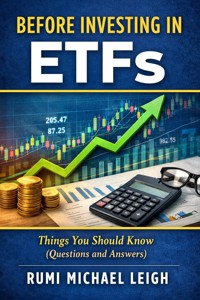
Before Investing in ETFs
Things You Should Know (Questions and Answers)
Author: Rumi Michael Leigh
Introduction
Exchange-traded funds, known as ETFs, have become one of the most popular investment choices in recent years. They are simple to buy, often low in cost, and give access to many companies at once. Because of this, beginners and experienced investors alike use them to grow their money over time.
Many people are drawn to ETFs because they seem easy. You can buy them through a brokerage account just like a stock. Some track large indexes like the S&P 500. Others focus on certain industries or countries. On the surface, it looks simple: pick one, invest, and wait.
But before putting money into anything, it helps to understand what you are buying.
Before Investing in ETFs: Things You Should Know (Questions and Answers) is written in a way that is easy to understand. Each section answers common questions people ask before investing in ETFs. By the end, you will understand how ETFs work, what they cost, the risks involved, and how to decide whether they fit your financial plans.
Table of Contents
Before Investing in ETFs
Things You Should Know (Questions and Answers)
Introduction
Section I – Understanding ETFs
1. What is an ETF?
2. How is an ETF different from a stock?
3. How is an ETF different from a mutual fund?
4. Why have ETFs become so popular?
5. Who should consider investing in ETFs?
6. Who should not invest in ETFs?
7. What does it mean when an ETF tracks an index?
8. What is the S&P 500 and why do many ETFs follow it?
9. What is the difference between active and passive ETFs?
10. Can ETFs pay dividends?
Section II – How ETFs Work
11. How do you buy an ETF?
12. What brokerage account do you need?
13. Can you buy ETFs through a bank?
14. What happens after you place an ETF order?
15. What is the difference between market and limit orders?
16. How are ETF prices determined during the day?
17. What is liquidity and why does it matter?
18. What is an ETF provider?
19. How do ETF providers make money?
20. What happens if an ETF provider shuts down?
Section III – Costs and Risks
21. What is an expense ratio?
22. How much is considered a low expense ratio?
23. Are there hidden fees in ETFs?
24. What is tracking error?
25. What are the main risks of ETFs?
26. Can ETFs lose value?
27. What happens in a market crash?
28. Are ETFs safer than individual stocks?
29. What is currency risk in international ETFs?
30. How are ETFs taxed?
Section IV – Choosing the Right ETF
31. How many ETFs should a beginner own?
32. Should you choose one global ETF or several regional ones?
33. What is the difference between accumulating and distributing ETFs?
34. Should you invest only in your home country?
35. What is sector investing?
36. Are thematic ETFs a good idea?
37. What should you check before buying an ETF?
38. How important is fund size?
39. Should you worry about past performance?
40. How do you compare two similar ETFs?
Section V – Building a Strategy
41. How much money do you need to start?
42. Should you invest a lump sum or monthly?
43. What is dollar-cost averaging?
44. How often should you invest?
45. Should you reinvest dividends?
46. How long should you hold ETFs?
47. When should you rebalance your portfolio?
48. How do you decide your risk level?
49. Should you mix ETFs with individual stocks?
50. What does long-term investing really mean?
Section VI – Mistakes to Avoid
51. Is buying too many ETFs a problem?
52. What is overlap and why does it matter?
53. Is chasing trends dangerous?
54. Should you react to daily market news?
55. What happens if you panic and sell?
56. Is timing the market realistic?
57. Can high returns in the past mislead you?
58. Is copying someone else’s portfolio wise?
59. What is overconfidence in investing?
60. What is the biggest mistake beginners make?
Conclusion
Section I – Understanding ETFs
1. What is an ETF?
An ETF is a fund that holds a collection of investments. These can include stocks, bonds, or other assets. When you buy one share of an ETF, you are buying a small piece of everything inside that fund.
Most ETFs follow an index. For example, some follow the largest 500 companies in the United States. Instead of buying all 500 stocks yourself, you can buy one ETF that already holds them.
ETFs trade on stock exchanges, which means you can buy and sell them during market hours just like regular stocks.
2. How is an ETF different from a stock?
A stock represents ownership in one single company. If you buy shares of Apple, you own part of Apple only.
An ETF usually holds many companies. If you buy an ETF that tracks the S&P 500, you own small pieces of 500 different companies at once.
Buying a stock is like putting your money into one business. Buying an ETF is like spreading your money across many businesses in one purchase.
3. How is an ETF different from a mutual fund?
Both ETFs and mutual funds hold a collection of investments. The main difference is how they are traded.
ETFs trade throughout the day on the stock exchange. Their prices change during market hours.
Mutual funds are priced once per day after the market closes. When you buy or sell a mutual fund, you receive the end-of-day price.
ETFs also often have lower costs compared to many mutual funds, though that depends on the specific fund.
4. Why have ETFs become so popular?
ETFs offer diversification in a single purchase. They are usually low in cost. They are easy to buy and sell. Many investors like that they can see what the fund holds and track its performance during the day.
Technology has also made investing more accessible. Online brokerage platforms allow people to open accounts and buy ETFs with small amounts of money.
5. Who should consider investing in ETFs?
ETFs may suit people who want long-term growth and prefer a simple way to invest in many companies at once.
They can work well for beginners who do not want to pick individual stocks. They are also useful for investors who want broad market exposure without spending time researching many companies.
6. Who should not invest in ETFs?
ETFs may not suit someone who needs quick access to their money and cannot handle market swings.
They are also not ideal for people who expect guaranteed returns. The value of ETFs can go up and down. Anyone uncomfortable with short-term losses may find investing stressful.
7. What does it mean when an ETF tracks an index?
When an ETF tracks an index, it aims to copy the performance of that index.
An index is a list of selected investments that represent part of the market. For example, the S&P 500 includes 500 large U.S. companies.
If the index rises by 5 percent, the ETF that tracks it aims to rise by about the same amount, minus fees.




