


4,99 €
Mehr erfahren.
- Herausgeber: AIBooks
- Sprache: Englisch
Aromatherapy is an age-old science that uses essential oils extracted from aromatic plants to promote physical, mental and emotional well-being. "A Complete Guide to Aromatherapy: Benefits, Uses, and Recipes" will take you on a journey through the fascinating world of aromatherapy, revealing its ancient secrets and modern applications.
This comprehensive book offers a comprehensive overview of the fundamentals of aromatherapy, from the history of its origins to modern scientific discoveries. You will learn how essential oils can positively affect your body and mind, enhancing your well-being naturally.
The pages of this guide contain:
A compelling history of aromatherapy, revealing how ancient civilizations already knew about the healing powers of aromatic plants.
A detailed explanation of how aromatherapy works, including the mechanisms of action of essential oils and how to use them.
A wide range of health and wellness benefits offered by aromatherapy, including relaxation, stress reduction, improved sleep, and promotion of positive mood.
Practical advice on how to use essential oils safely and effectively, with detailed instructions for diffusing, massaging, bathing, and more.
A rich collection of essential oil recipes and combinations, suitable for a variety of personal needs, that will allow you to create customized blends for the well-being of yourself and your family.
"Complete Guide to Aromatherapy" is an essential companion for anyone who wants to discover the benefits of aromatherapy and learn how to integrate it into their daily lives. Discover the power of natural scents and aromatic plants, and move closer to a more balanced and healthy life with the help of this comprehensive and informative guide.
Das E-Book können Sie in Legimi-Apps oder einer beliebigen App lesen, die das folgende Format unterstützen:
Veröffentlichungsjahr: 2023
Ähnliche
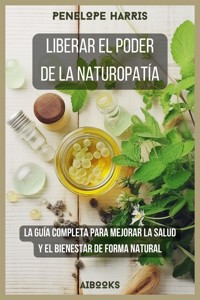









Penelope Harris
Complete guide to aromatherapy
Benefits, Usage and Recipes
Complete guide to aromatherapy
Benefits, Usage and Recipes
ISBN 979-12-5453-109-9
Author: Penelope Harris
Publisher: AIBooks
© 2023 Penelope Harris
© 2023 AIBooks Publishing
Digital edition: September 2023
Cover design: Fabrizio Ambrogi
Layout and typesetting: Mattia Sereni
Editorial revision: Fabrizio Ambrogi
All rights reserved. No part of this book may be reproduced or transmitted
in any form or by any means without the written permission of the
publisher, except for brief quotations used in reviews.
This colophon certifies that this book has been published by AIBooks
Publisher and represents a quality production made with care and
dedication.
We are committed to promoting the dissemination of
knowledge and culture through our publications.
For information about other titles published by AIBooks, please visit our website or contact us directly at the email address provided above.
Thank you for choosing AIBooks. Enjoy your reading!
Index
Book Introduction:
Chapter 1: Introduction And History of Aromatherapy
Chapter 2: Main Essential Oils
Chapter 3: Methods of Extracting Essential Oils
Chapter 4: Applications of Aromatherapy
Chapter 5: Aromatherapy in the Home: Daily Use
Chapter 6: Aromatherapy for Health and Wellness
Chapter 7: Aromatherapy for Beauty and Skin Care
Chapter 8: Aromatherapy for the Mind and Stress
Chapter 9: Aromatherapy for Sleep and Relaxation
Chapter 10: Aromatherapy for Hair Care
Chapter 11: Aromatherapy for Body Care
Chapter 12: Aromatherapy for Foot Care
Chapter 13: Aromatherapy for Hand Care
Chapter 14: Aromatherapy: Recipes and Combinations
Book Introduction:
Welcome to "The Complete Guide to Aromatherapy: Benefits, Uses and Recipes." This book will take you through a fascinating journey into the universe of aromatherapy, an age-old practice that uses essential oils from plants to promote health and well-being.
In the following pages, we will explore the history of aromatherapy, learn the secrets of the most important essential oils, and discover how to integrate this practice into our daily lives. From skin care to relaxing the mind, you will find valuable tips and suggestions for making the most of the power of essential oils.
You will also learn how to create your own aromatherapy recipes, combining essential oils to address specific problems or simply to delight your senses. Whether you are new to aromatherapy or an expert in the field, this book is designed to guide you toward a greater understanding of this ancient art and its modern applications.
Get ready to immerse yourself in the fascinating world of aromatherapy as we explore the benefits, uses and recipes that will help you improve your life in surprising ways.
Chapter 1: Introduction And History of Aromatherapy
Aromatherapy is an ancient and fascinating healing method that uses essential oils extracted from plants to promote physical, mental and emotional well-being. This introductory chapter will take you into the world of aromatherapy, exploring its history, its fundamentals and the benefits it offers.
What is Aromatherapy?
Aromatherapy is a therapeutic practice that uses essential oils extracted from plants, flowers, herbs and other aromatic botanicals to promote physical, mental and emotional well-being. Essential oils are extracted from these raw materials by processes such as steam distillation or cold pressure.
Aromatherapy is based on the idea that essential oils contain natural chemical compounds that can have health benefits. These oils can be used in a variety of ways, including:
Massage: Essential oils are diluted in a carrier oil and applied to the skin during massage to promote relaxation, relieve muscle pain, or improve circulation.
Inhalation: Essential oils can be diffused into the air through a diffuser or simply inhaled directly from the bottle. This practice aims to influence mood, reduce stress or relieve respiratory problems.
Baths: Adding a few drops of essential oil to bath water can promote relaxation and relieve muscle tension or skin problems.
Compresses: Essential oils can be added to a hot or cold compress and applied to specific areas of the body to relieve localized pain or inflammation.
Cosmetics and skin care products: Essential oils are often used in skin care products and cosmetics to improve skin health and impart fragrance.
Aromatherapy is believed to have various benefits, including relaxation, stress reduction, relief of symptoms such as headaches or nausea, and mood enhancement. However, it is important to remember that aromatherapy is not a replacement for traditional medicine and should be used with caution, avoiding excessive or undiluted use of essential oils, which can be irritating to the skin or cause allergic reactions. It is always advisable to consult an experienced aromatherapy practitioner before using these oils for therapeutic purposes.
History of Aromatherapy
The history of aromatherapy has ancient roots dating back to different civilizations and cultures around the world. Here is an overview of its evolution over the centuries:
Antiquities
In ancient times, aromatherapy had a significant presence in many cultures and civilizations. Here is a look at how aromatherapy was practiced in some of these ancient civilizations:
Ancient Egypt
Aromatherapy in ancient Egypt played a major role in their culture and was an integral part of their daily life, medicine and spirituality. Here is a look at how aromatherapy was practiced in ancient Egypt:
Religious and Spiritual Practices: The ancient Egyptians used aromatic oils and frankincense in their religious practices and ceremonies. They believed that pleasant fragrances helped them connect with the gods and facilitated communication with the divine. Aromatic substances such as myrrh, frankincense and cedarwood were commonly used in their religious rituals.
Medicinal Uses: Aromatherapy played a significant role in ancient Egyptian medicine. They used essential oils and aromatic herbs to treat various physical ailments and promote healing. These treatments included massages, balms, and scented ointments. The Egyptians believed that aromatic oils and herbs had healing and protective properties.
Cosmetics and Personal Hygiene: The Egyptians were known for their attention to cosmetics and personal hygiene. They used scented oils and ointments made from aromatic essences to perfume and care for their skin. These oils were also used for face masks and hair care.
Body Preservation: During the mummification process, the ancient Egyptians used essential oils and aromatic balms to preserve the bodies of the deceased. This was an integral part of their belief system about life after death.
Culture and Trade: Essential oils and aromatic ingredients were valuable and were often used as commodities for trade and commerce. Egypt was known for producing and exporting aromatic oils and perfumes, which were sought after throughout the ancient world.
In summary, aromatherapy had a central presence in ancient Egypt, influencing various aspects of their daily lives, from spirituality to medicine, cosmetics, and culture. Ancient Egyptians attached great importance to the beneficial properties of essential oils and herbs in promoting well-being and connection with the divine.
Ancient China
In ancient China, aromatherapy was not a separate discipline as we know it today, but aromatic herbs and essential oils were widely used for therapeutic, spiritual, and cosmetic purposes. Here is how aromatherapy was practiced in ancient China:
Traditional Chinese Medicine (TCM): Ancient China had a rich tradition of herbal medicine, and some of these herbs were aromatic. In the context of Traditional Chinese Medicine (TCM), aromatic herbs were used to treat physical ailments and promote energy balance in the body. Herbal aromas were considered important for influencing the flow of qi (energy) within the body.
Aromas in Cooking and Drinks: Aromatic spices and herbs were often used in Chinese cooking to flavor dishes and improve the flavor of foods. These ingredients also played an important role in the preparation of beverages such as tea.
Aromatherapy in Baths and Massage: The use of scented baths with aromatic herbs and massages with scented oils was common in ancient China. These practices were considered therapeutic and contributed to relaxation and well-being.
Incense in Religious and Spiritual Rites: Incense aromas were an integral part of religious and spiritual rites in China. Incense was burned to purify the environment and promote meditation and connection with the divine.
Perfumery and Cosmetics: The ancient Chinese used fragrances and aromatic oils to perfume and care for their skin. These oils were often used for massage and beauty treatments.
In summary, aromatherapy in ancient China was an important part of their culture and healing practices. Although it was not formalized as a separate discipline, the use of aromatic herbs, fragrant oils, and incense had a significant role in promoting physical, mental, and spiritual well-being in ancient Chinese society.
Ancient India
In ancient India, aromatherapy played a role of great importance and was closely connected with Ayurveda, an ancient system of medicine and wellness. Here is how aromatherapy was practiced in ancient India:
Ayurveda: Aromatherapy was an integral part of Ayurveda, which is one of the oldest systems of medicine in the world. In Ayurveda, essential oils extracted from aromatic herbs were used to treat a wide range of physical and mental ailments. These oils were prescribed according to a person's dosha (individual constitution) and specific health conditions.
Ayurvedic Massage: Essential oils were widely used in Ayurvedic massages, known as "Abhyanga." These massages were practiced to promote relaxation, improve circulation, and relieve muscle tension. Essential oils were carefully chosen according to the therapeutic goals of the treatment.
Aromatherapy in the Bath: Aromas of essential oils were often added to bath water to promote relaxation and well-being. This was especially common in purification and personal care rituals.
Frankincense and Spirituality: Frankincense and essential oils were used in many spiritual and religious practices in ancient India. These aromas were burned during ceremonies and meditations to promote concentration, purification, and spiritual connection.
Ayurvedic Cosmetics: Essential oils and herbs were also an integral part of Ayurvedic beauty and cosmetic products. They were used for skin care, preparation of ointments and lotions, and to improve physical appearance.
Aromatherapy in ancient India was intrinsically linked to the holistic view of health and well-being promoted by Ayurveda. Essential oils were considered valuable tools for maintaining physical and spiritual balance, as well as an integral part of Indian culture and tradition.
Ancient Greece and Rome
In ancient Greece and Rome, the use of essential oils and aromatic substances was common in various aspects of daily life, from medicine and cosmetics to perfumery and spiritual practices. Here is how aromatherapy was practiced in these two civilizations:
Ancient Greece:
Hippocrates and Medicine: Hippocrates, considered the father of Western medicine, contributed to the use of aromatic herbs and essential oils in ancient Greek medicine. He wrote treatises on the use of medicinal plants and their aromatic properties to treat patients.
Perfumery and Cosmetics: The ancient Greeks were known for their fondness for perfumes and cosmetics. They used essential oils and aromatic extracts to perfume themselves, prepare perfumes, scented lotions, and cosmetic ointments.
Spiritual Practices: Aromas were used in religious rites and sacred ceremonies. Incense was burned to purify sacred spaces and to invoke deities.
Ancient Rome:
Legacy from Greece: The ancient Romans inherited many of the Greek practices, including the use of essential oils and aromas in medicine and cosmetics. The work of Pliny the Elder, a Roman author, included information on the collection and use of herbs and oils.
Balnea and Roman Baths: Essential oils were often added to the water in Roman public baths, contributing to the relaxation and well-being of bathers. These scented baths were an integral part of Roman culture.
Scented Oils and Cosmetics: The ancient Romans used essential oils and aromatic extracts to create perfumes, hair perfumes, scented ointments, and cosmetic lotions. These products were widely used by the Roman aristocratic class.
Religious Practices: Even in Rome, incense was used in religious ceremonies to honor the gods and for ritual purposes.
In both of these civilizations, the use of aromatic herbs and essential oils was an integral part of culture and daily life. The ancient Greeks and Romans placed great value on aromas to improve well-being, health, and physical appearance, as well as using them in important spiritual and religious practices.
Ancient Middle East
In the ancient Middle East, aromatherapy had a long and rich tradition that included the use of essential oils and aromas in various aspects of daily life, including religious, therapeutic, and cosmetic practices. Here is how aromatherapy was practiced in the ancient Middle East:
Religious and Spiritual Uses: Essential oils and frankincense were widely used in religious and spiritual ceremonies. Ancient civilizations in the region, such as the Egyptians, Babylonians and Hebrews, burned frankincense to purify places of worship and as an offering to the gods. Aromas were considered a means of connecting with the divine.
Traditional Medicine: Essential oils extracted from aromatic herbs were used for medicinal purposes. Physicians and herbalists in the ancient Middle East employed these substances to treat a variety of physical and mental ailments. They were used in natural remedy formulations.
Perfumery and Cosmetics: The inhabitants of the ancient Middle East were known for their interest in beauty and cosmetics. Essential oils were used in the preparation of perfumes, fragrant ointments, and cosmetics for skin and hair care.
Frankincense and Personal Perfumes: Frankincense and scented oils were used as personal perfumes to enhance body odor and for aesthetic purposes. These perfumes were an integral part of the culture and clothing of the people of the time.
Trade and Exchange: The Middle East was a crucial region for the trade in aromatics and spices. Essential oils and aromas were valuable trade goods and were often imported and exported to many parts of the ancient world.
In summary, aromatherapy in the ancient Middle East had many facets and a central role in people's lives. This ancient tradition influenced cultural, medical, and spiritual practices in the region and contributed to the spread of essential oils and aromas throughout the ancient world.
Middle Ages




