


10,99 €
Mehr erfahren.
- Herausgeber: Sarah Roslin
- Kategorie: Lebensstil
- Sprache: Englisch
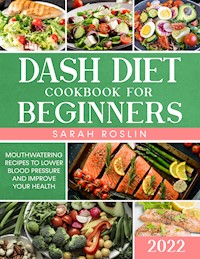
Do you suffer from high blood pressure and always feel tired or out of breath?
The Dash Diet is a healthy lifestyle that can help you
regulate your blood pressure to
get your energy back and live your days to the fullest!
The first thing that comes to mind when we notice we have blood pressure problems or are diagnosed with hypertension is that we need to limit every aspect of our lives to improve our health.
Nothing could be more wrong!
Thanks to the
Dash Diet and all the advice you will find
inside this book,
dozens of people have already discovered a lifestyle that allows them to
stop being in constant discomfort without giving up the taste of their favorite foods.
So, let's see what you'll find inside this cookbook:
•
Low-sodium, tasty, and easy-to-make recipes - Discover your new way of eating by trying many different dishes for every meal of the day, without spending hours in the kitchen or using particular tools!
•
Wide variety of dishes - Whether you are a fish or meat lover, vegetarian or vegan, you will find many meals that allow you to vary your diet day by day (with even delicious snacks and refreshing smoothies),
•
Wholesome and healthy ingredients - Every one of our recipes is made with seasonal and easy-to-find ingredients that help your body detox and eliminate excess fluids to keep your blood pressure under control,
•
Precise nutritional values in each recipe - It is essential to know what we eat. That's why for each dish, you'll find the exact content of sodium, potassium, and all the other nutrients so you'll never have any doubts and follow your diet at its best,
•
Meal Plan - The transition to a healthier lifestyle is never easy, so we wanted to make it as smooth as possible. With all the day's meals already sorted out for you, you won't risk falling back into bad habits, and the results will come in the blink of an eye!
If you are still doubtful because you think you have to give up your favorite flavors, know that every one of the many people this book has already helped has come around right after trying the first recipe.
So, just click on "Buy now" and begin your path to health!
Das E-Book können Sie in Legimi-Apps oder einer beliebigen App lesen, die das folgende Format unterstützen:
Veröffentlichungsjahr: 2022
Ähnliche













DASH DIET COOKBOOK FOR BEGINNERS:
Say Goodbye to High Blood Pressure and Start Your Body & Circulatory System Improvement Journey with Tasty and Healthy Low-Sodium Recipes | Faun method
Copyright © 2022
Sarah Roslin
COPYRIGHT & DISCLAIMER: all rights are reserved by law. No part of this book may be reproduced without the authors' written permission. It is expressly forbidden to transmit this book to others, neither in paper or electronic format, neither for money nor free of charge. What is reported in this book is the result of years of studies and accumulated experience. The achievement of the same results is not guaranteed. The reader assumes full responsibility for their choices. The book is exclusively for educational purposes.
TABLE OF CONTENTS
Introduction
1 Breakfasts
2 Salads
3 Soups
4 Fish and Shellfish
5 Vegetarian Plates
6 Vegan Plates
7 Sides and Small Plates
8 Poultry Recipes
9 Red Meat Dishes
10 Desserts
11 Smoothies Recipes
12 Snacks Recipes
13 Sauces and Dressing Recipes
14 10 Weeks Meal Plan
15 Measurements
Conclusion
Introduction
Read this introduction if you're wondering how the Dash diet compares to other popular diets. We'll discuss what foods you can eat and which ones you should avoid or reduce. We'll also go over a few tips and tricks to make the diet as tasty and enjoyable as possible. And, we'll cover how to implement the diet into your daily routine to maximize your results. If you're still unsure whether the Dash diet is for you, check out our review of this popular diet.
Dash diet is a low-sodium diet that focuses on eating fresh, whole, plant-based foods. U.S.D.A. recommends DASH diet and stands for Dietary Approaches to Stop Hypertension or lowering blood pressure naturally through diet without side effects from medication (as compared to medicine). This diet is recommended for those who want to learn how to lose weight naturally and effectively.
1.1 How to Make the DASH Diet Work For You
DASH DIET IS EXCELLENT for your health because it encourages eating lots of whole-grain foods and fresh fruits and vegetables. It also excludes many processed foods high in sodium, sugar, and fat. In addition, this diet will help you lose weight naturally.
The DASH Diet has many benefits, but how do you make it work for you? The DASH Diet encourages you to eat five or more servings of fruits and vegetables every day. Examples of fruits and vegetables you can eat include bananas, raspberries, mango, and peaches. In addition, you can choose one medium apple or half a cup of frozen peaches for more fruit options. Alternatively, you can replace the meat in your meals with a vegetable or a fruit salad.
The DASH diet allows you to eat out, but you need to be cautious about the foods you choose. Most restaurant meals are fatty, salty, and oversized. To stay within the DASH diet, you should limit your intake of salt and condiments. You can still enjoy alcohol in moderation. If you are unsure how to make the foods you eat on the DASH diet, you can find recipes online.
The DASH diet also limits your sodium intake. High sodium diets can affect otherwise healthy people. You should avoid processed foods, packaged potato snacks, and white bread. You should also limit your intake of enriched grains like white bread and pasta. Frozen meals, convenience store snacks, and fast food are all foods with high sodium. Alcohol is another food group to limit. Not only does alcohol cause hypertension, but it can also damage your liver.
1.2 Dash diet vs other diets
THERE ARE PROS AND cons to the DASH diet. The DASH diet is unlikely to offer any significant benefits for healthy individuals. However, individuals with heart conditions or high blood pressure may benefit from a DASH-based diet. People on this diet should not use salt in their cooking but instead, add a few tablespoons of spices to their dishes. They should also limit the amount of salt in their beverages, as it increases the amount of sodium in their blood.
The DASH diet is also known for its focus on fruits and vegetables. The diet promotes eating various lean meats, whole grains, vegetables, and low-fat dairy foods. The DASH diet also encourages using many vegetable oils, including olive, canola, and margarine, instead of oily cooking oils. Those who follow the DASH diet should replace high-calorie salad dressings with low-fat alternatives.
One of the benefits of the DASH diet is its potential for lowering blood pressure without medication. Its low-sodium diet combined with increased intake of whole grains, vegetables and fruits, and lean protein reduces systolic blood pressure by 8-14 points. These reductions in blood pressure may also help lower risk of cardiovascular disease. In addition, DASH diet promotes an increased intake of fruits, vegetables, whole grains, fish, poultry, and nuts.
The DASH diet is not for everyone. For example, people suffering from high blood pressure may not be suitable for it. Also, it is not for everyone and requires a calorie-restricted diet. Diets with low-fat components may be the most suitable choice for some people. While it may be hard for some people to follow the DASH diet, it does have other benefits. It may even lower your risk of developing cancer.
The DASH diet requires significant changes in a person's diet and is hard to follow. It limits salt and fat intake significantly. It also requires significant cuts in precooked foods. As a result, many people have trouble following the DASH diet. And even if you do manage to stick to the diet, you are unlikely to see any results in the long run. You'll need to see your doctor regularly to check on the results of the DASH diet.
1.3 Tips and tricks of the diet for limiting sodium
TO MINIMIZE SODIUM intake on the Dash Diet, check each food's nutritional content. For example, avoid poultry packed with a sodium solution when choosing your dinners. You can also try replacing the sodium in meat and poultry with herbs and citrus. Also, note down your serving size, and check the nutritional facts of each food. Finally, cook your food at a lower temperature to avoid excess sodium.
Aim to cook at home more often. Using fresh ingredients and cooking from scratch is a great way to limit sodium. Avoid going out to eat and try to cook at home more often. Taking a food log is helpful in monitoring sodium intake. It can take about a week to calculate your daily intake. To make it easier, try to cook dinner at least once a week. To cut down on eating out, use recipes that are low in sodium and avoid using salt shakers.
Look for packaged food with a Nutrition Facts label. Choose foods with less than 2,300 milligrams of sodium per serving. When you are eating out, choose unsalted or no-salt-added products. Try to ensure fruits and vegetables cover at least half of plate. These foods are natural sources of fiber and are low in sodium. It also helps you lose weight, which is great for your overall health.
Another tip to limit sodium on the DASH Diet is to eat more fruits and vegetables. Eat more fruits and vegetables than you normally do, and you will be adding fiber and potassium to your diet. As you can see, eating more fruits and vegetables increases your blood potassium level and triggers the kidneys to eliminate extra sodium and fluid from the body. This helps lower blood pressure and reduces your risk of a heart attack.
1.4 Foods allowed and to avoid or reduce
A DASH DIET AIMS TO lower blood pressure by reducing sodium in the body. According to the National Institutes of Health, sodium intake should not exceed 2,300 milligrams per day. High blood pressure is the silent killer - most people don't experience symptoms for decades, and it often does not cause any other symptoms unless it becomes complicated. This diet also promotes weight loss. There are some foods you should avoid when eating the DASH diet, but don't worry, there are recipes available that are heart-healthy and delicious.
A good example of what you should limit on the DASH diet is red meat. The DASH diet encourages the consumption of fruits, whole grains, vegetables, lean meats, and low-fat dairy products. However, you should cut back on red meat because it is high in saturated fat and has been linked to coronary heart disease. Therefore, it's best to cut down on meat intake by a half or third at each meal.
1.5 Tacking weight loss
WHILE MANY PEOPLE ASSOCIATE the DASH diet with losing weight, that isn't the case. Instead of weight loss, this plan teaches you how to make healthier food choices for life. Written by Ashley Mateo, RRCA-certified running coach, the Dash diet isn't a crash diet. Instead, it's an exercise plan that focuses on heart-healthy foods from your local grocery store. These include whole grains, lean proteins, and low-fat dairy. The DASH diet is also free of sodium and saturated fat, which are common on other diets.
While many people think of this diet as low-fat and high-protein, this is not the case. Many people have high blood pressure and a heart condition, so the DASH diet focuses on reducing the risk of high blood pressure and lowering cholesterol. Using the Lose It! app to monitor your progress is a great tool to help you stick to your goals. Just make sure you follow the recommended serving sizes, and don't go overboard with the carbs.
The DASH Diet focuses on whole, unrefined foods that are as close to their natural state as possible. It emphasizes lean proteins such as chicken, fish, and beef, as well as low-fat dairy products. You should also eat a lot of vegetables, which should comprise between four and five servings each day. One serving size equals half a cup of raw vegetables or one cup of cooked vegetables.
While the DASH diet does not require calorie counting, it does recommend a specific number of servings of specific foods. You can easily reach this target by adjusting your daily calorie goal. To maximize your weight loss efforts, the DASH diet encourages the eating of 6 servings of lean meat, poultry, and fish each day. The standard serving sizes are 500-600kJ. The DASH Diet is ideal for those with a higher energy requirement, but this plan isn't for everyone.
While the DASH Diet was originally developed to treat hypertension, it has been found to be effective at boosting weight loss. Its goal is to reduce sodium, fats, and refined sugars, which are the main causes of hypertension. Currently, one in three adults in the US suffer from high blood pressure, and it's one of the leading causes of heart disease. In addition, the DASH Diet is less restrictive than other weight loss programs.
1.6 FAQs
Q. SHOULD I COUNT CALORIES?
A. No. The DASH Diet is rich in whole food and low in saturated fat, so calorie counting isn't necessary.
Q. Will the DASH Diet make me constipated?
A. No. The high-fiber content ensures you'll be as regular as ever, while the low-sodium diet will reduce problems from excess sodium.
Q. Which fruits and vegetables are best for me?
A. All fresh produce is good for you and should be included in your diet. It's best to select the highest-quality foods you can afford.
Q. Can I have any "bad" foods on the DASH Diet?
A. No, although it may seem hard at first there are no "bad" foods as long as they are consumed in the right quantity and proportion to other food groups.
Q. Should I start with phase 1?
A. No. People who are healthy and eat a very healthy diet can go straight to phase 2 of the DASH Diet.
Q. Which phase should I pick?
A. The first phase is for beginners, so if you're healthy and have been eating a healthy diet for many years you can skip phase 1 and move straight to phase 2, but it's important that you try at least one meal of both phases to see which you feel best on.
Q. Is it possible to drink coffee?
A. Yes, as long as it is not added sugar or creamer.
Q. What about alcohol?
A. Alcohol has many health benefits and is fine to have up to one or two drinks a day, but going over this amount can be dangerous for your health, so don't go over the safe limits that are set for you in phase 2 of the DASH Diet.
Q. How long does it take to get used to the DASH Diet?
A. As long as you don't add more fat, sugar, or salt to your diet it will be very easy to adapt. Some people take only a few days to get used to the diet, while others take longer.
Q. Can I go on the DASH Diet if I have a history of heart disease?
A. Yes, as long as you follow all the recommendations of the DASH Diet in terms of healthy fats and low sodium.
Q. What about my sleep patterns?
A. I don't think it's important to determine how well you sleep every night, as long as you don't try to force yourself to get more than six hours a night, as this may be counter-productive if your body is telling you it needs more sleep than this.
Q. Should I exercise?
A. Yes, it's very important to exercise on a daily basis for at least thirty minutes if you can.
Q. How will the DASH Diet benefit me physically?
A. Studies have shown that the DASH Diet cuts down your risk of stroke and heart disease.
Q. How will the DASH Diet benefit me mentally?
A. The DASH Diet will reduce your risk of developing Alzheimer's and other mental disorders by cutting the risk of heart disease.
Q. How will the DASH Diet benefit me financially?
A. The "dash" diet will save you money as you won't need to buy any processed foods or other unhealthy extras that may come with them.
1 Breakfasts
1.1 Millet Cream
Serves: 4 | Preparation Time: 10 minutes | Cooking Time: 30 minutes
Ingredients:
low-fat milk - 14 oz.
millet - 1 c.
liquid honey - 1 tsp.
vanilla extract - ½ tsp.
Procedure:
Using a medium high source of heat, set a pot in place. Add in the milk and let simmer. Mix in vanilla extract and millet and let cook for about 30 minutes as you stir constantly.
Apply a topping of honey to the ready millet cream.
Nutrition per serving:
989 CALORIES, 5.9G PROTEIN, 37.9g carbs, 200mg sugars, 2.1g fat, 189mg sodium.
1.2 The Amazing Feta Hash
SERVES: 6 | PREPARATION Time: 10 minutes | Cooking Time: 25 minutes
Ingredients:
hash browns - 16 oz.
low-fat feta, crumbled - 2 oz.
olive oil - 1 tbsp.
beaten eggs - 4
soy milk - 1/3 c.
chopped yellow onion - 1
Procedure:
Using a medium high source of heat, set a pan in place. Add in your oil and heat before mixing in hash browns. Allow to saute for approximately 5 mins.
Toss in the remaining ingredients with the exception of cheese. Let your mixture cook for an additional 5 minutes.
Add sprinkles of cheese to top. Set pan in your oven. Cook for 15 minutes at 390°F.
Nutrition per serving:
303 CALORIES, 8.2G PROTEIN, 29.6g carbs, 17.1g fat, 2.87g fiber, 120mg cholesterol, 415mg sodium, 525mg potassium.
1.3 Sausage Casserole
SERVES: 4 | PREPARATION Time: 10 minutes | Cooking Time: 35 minutes
Ingredients:
beaten eggs - 2
chopped onion - 1
chopped chili pepper - 1
olive oil - 1 tbsp.
ground sausages - 1 c.
chili flakes - 1 tsp.
Procedure:
Using a pan, mix in sausages, onion, and olive oil.
Mix in the remaining ingredients. Let your mixture roast for approximately 5 minutes before transferring to oven.
Place in the oven preheated to attain 370°F and allow to bake through for 25 minutes.
Nutrition per serving:
74 CALORIES, 3.3G PROTEIN, 2.8 g carbs, 5.9g fat, 0.52g fiber, 84mg cholesterol, 35mg sodium, 75mg potassium.
1.4 Apples and Raisins Bowls
SERVES: 4 | PREPARATION Time: 5 minutes | Cooking Time: 15 minutes
Ingredients:
blackberries - 1 c.
ground cardamom - 1 tsp.
coconut milk - 1 ½ c.
raisins - ¼ c.
peeled, cored and cubed apples - 2
coconut cream - 1 c.
Procedure:
Using a pot, pour in your coconut milk and let boil.
Stir in all the other ingredients.
Set heat to medium high and allow to simmer for 15 minutes.
Nutrition per serving:
266.1 CALORIES, 2.61G protein, 14.4g carbs, 15.6g fat, 5.3g fiber, 0mg cholesterol, 65mg sodium, 374mg potassium
1.5 Dill Omelet
SERVES: 6 | PREPARATION Time: 10 minutes | Cooking Time: 6 minutes
Ingredients:
low-fat milk - 2 tbsps.
white pepper - ¼ tsp.
beaten eggs - 6
chopped dill - 2 tbsps.
avocado oil - 1 tbsp.
Procedure:
Using a skillet, heat avocado oil.
Using a bowl, mix the other ingredients.
Transfer the egg mixture to the hot oil. Allow your omelet to cook for 6 minutes.
Nutrition per serving:
71 CALORIES, 6G PROTEIN, 1.4g carbs, 4.8g fat, 0.3g fiber, 164mg cholesterol, 66mg sodium, 109mg potassium.
1.6 Cheese Hash Browns
SERVES: 6 | PREPARATION Time: 10 minutes | Cooking Time: 30 minutes
Ingredients:
olive oil - 1 tsp.
beaten eggs - 3
hash browns - 2 c.
shredded vegan mozzarella - 3 oz.
Procedure:
Set a pan in a pan. Add in olive oil and heat. Mix in your hash browns.
Allow 5 minutes of roasting as you occasionally stir.
Pour your eggs over the roasted hash browns. Set in your oven preheated at 380°F.
Allow the mixture to bake for 20 minutes. Enjoy.
Nutrition per serving:
212 CALORIES, 4.9G PROTEIN, 21.8g carbs, 12.4g fat, 1.6g fiber, 83mg cholesterol, 316mg sodium, 328mg potassium.
1.7 Tomato and Spinach Eggs
SERVES: 4 | Preparation Time: 10 minutes | Cooking Time: 20 minutes
Ingredients:
low-fat milk - ½ c.
whisked eggs - 8
freshly chopped spinach - 1 c.
chopped red onion - 1
canola oil - 1 tbsp.
cubed cherry tomatoes - 1 c.
Procedure:
Using a medium high source of heat, set a pan in place, add in oil and heat. Stir in onion and let cook for approx. 3 minutes.
Add in spinach and tomatoes. Stir well and let continue cooking for an additional 2 minutes.
Toss in eggs mixed with milk.
Transfer to a pan and place in your oven preheated at 390°F and cook for 15 more minutes.
Set in serving plates and enjoy.
Nutrition per serving:
202 CALORIES, 15.4G PROTEIN, 7.2g carbs, 12.5g fat, 1.5g fiber, 332mg cholesterol, 218mg sodium, 354mg potassium
1.8 Scallions and Sesame Seeds Omelet
SERVES: 4 | Preparation Time: 5 minutes | Cooking Time: 10 minutes
Ingredients:
whisked eggs - 4
olive oil - 1 tbsp.
sesame seeds - 1 tsp.
chopped scallions - 2
chopped cilantro - 1 tbsp.
Procedure:
Place a pan over a medium high source of heat. Add in oil and heat. Add in scallions and stir. Sauté for 2 minutes.
Mix in the remaining ingredients. Toss and spread the omelet to your pan. Cook until well done on one side for 3 minutes.
Flip and continue cooking the other side for 2 additional minutes.
Nutrition per serving:
101 CALORIES, 5.9G PROTEIN, 1.4g carbs, 8.3g fat, 0.5g fiber, 164mg cholesterol, 63mg sodium, 97mg potassium
1.9 Omelet with Peppers
SERVES: 4 | PREPARATION Time: 10 minutes | Cooking Time: 15 minutes
Ingredients:
beaten eggs - 4
margarine - 1 tbsp.
chopped bell peppers - 1 c.
chopped scallions - 2 oz.
Procedure:
Using a skillet, toss in margarine and heat well until melted.
Using a mixing bowl, add scallions, eggs, bell peppers and mix well.
Set your egg mixture in your hot skillet and allow the omelet to roast for about 12 minutes.
Nutrition per serving:
102 CALORIES, 6.1G PROTEIN, 3.7g carbs, 7.3g fat, 0.8g fiber, 164mg cholesterol, 98mg sodium, 156mg potassium.
1.10 Artichoke Eggs
SERVES: 4 | PREPARATION Time: 5 minutes | Cooking Time: 20 minutes
Ingredients:
beaten eggs - 5
chopped low-fat feta - 2 oz.
chopped yellow onion - 1
canola oil - 1 tbsp.
chopped cilantro - 1 tbsp.
chopped artichoke hearts, canned - 1 c.
Procedure:
Using the oil, grease 4 ramekins.
Mix all the remaining ingredients and divide the mix between the prepared ramekins.
Preheat you oven to 380F and allow to bake for approximately 20 minutes.
Nutrition per serving:
176 CALORIES, 10 PROTEIN, 7.6g carbs, 12g fat, 2.7g fiber, 219mg cholesterol, 256mg sodium, 238mg potassium.




