


0,50 €
Mehr erfahren.
- Herausgeber: Régulo Marcos Jasso
- Kategorie: Geisteswissenschaft
- Sprache: Englisch
Unravel the Hidden Signs of Depression and Take Control of Your Mental Well-Being
Depression is often
misunderstood, overlooked, or masked by everyday struggles, making it difficult to recognize until it takes a significant toll.
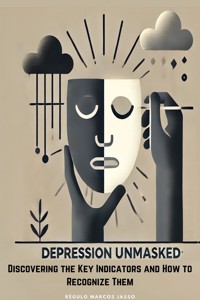
Depression Unmasked:
Discovering the Key Indicators and How to Recognize Them is your essential guide to
understanding, identifying, and addressing the subtle and not-so-subtle signs of depression—whether for yourself or someone you care about.
With
scientific insights, real-life stories, and practical coping strategies, this book sheds light on
the complexities of depression and empowers you to take
early action towards healing and support.
Inside this insightful guide, you'll discover:
✅
The Hidden Signs of Depression – Learn to
spot early indicators that are often dismissed, including behavioral changes, emotional patterns, and physical symptoms.
✅
Understanding the Different Faces of Depression – Explore the
various forms of depression, from major depressive disorder to high-functioning depression, and how they manifest in daily life.
✅
The Impact of Depression on the Mind and Body – Gain insights into
how depression affects mental clarity, emotions, sleep, and physical health.
✅
Personal Stories of Triumph – Be inspired by
real-life stories of resilience from individuals who have faced depression and emerged stronger.
✅
Practical Strategies for Coping & Healing – Access expert-backed tools to
manage symptoms, build emotional resilience, and create a supportive environment for healing.
✅
How to Offer Support to Loved Ones – Learn the
right ways to help someone struggling with depression, providing
compassionate and effective support.
Who is this book for?
🔹 Anyone experiencing symptoms of
depression, sadness, or emotional burnout
🔹 Loved ones, caregivers, and friends who want to
offer meaningful support
🔹 Mental health advocates and professionals seeking
a deeper understanding of depression
🔹 Anyone committed to
self-awareness, personal growth, and emotional well-being
Empower yourself with the knowledge to unmask depression and take the first steps toward healing and recovery.
📖
Get your copy of Depression Unmasked today and start your journey to better mental health!
Das E-Book können Sie in Legimi-Apps oder einer beliebigen App lesen, die das folgende Format unterstützen:
Veröffentlichungsjahr: 2023
Ähnliche



















Introduction to Depression
Depression, officially categorized as "Depressive Disorder" in the DSM-5 (Diagnostic and Statistical Manual of Mental Disorders, Fifth Edition), is a complex mood disorder that extends far beyond the common perception of simply feeling sad or unenthusiastic.
It is characterized by a constellation of symptoms that must persist for at least two weeks to meet diagnostic criteria.
These symptoms not only affect mood but also impact cognitive, physical, and behavioral aspects of an individual's life. Depression involves significant changes in daily functioning, where individuals might exhibit a persistent low mood, disinterest in previously enjoyed activities, and a noticeable decrease in pleasure or motivation.
The understanding of depression has evolved to recognize it as a multifaceted condition that can lead to feelings of anger, cognitive difficulties, irritability, and a variety of psychophysiological symptoms.
This chapter will explore the five major types of depression symptoms, highlighting their nature, the areas of life they impact, and the resources available for managing them.
1. Mood Symptoms
Mood symptoms are often the most recognized signs of depression, deeply affecting an individual's emotional landscape:
Sadness - While sadness is a universal human emotion, in the context of depression, it becomes pervasive and overwhelming. It's not just an occasional feeling but a constant undercurrent that colors all aspects of life.
However, sadness by itself isn't indicative of depression; it's when combined with other symptoms that it becomes part of a broader diagnostic picture.
Apathy - This symptom is marked by a profound sense of disinterest and lack of motivation. Individuals might find themselves incapable of initiating or persisting with activities, feeling as if their energy and drive have been sapped away.




