


Erhalten Sie Zugang zu diesem und mehr als 300000 Büchern ab EUR 5,99 monatlich.
- Herausgeber: epubli
- Kategorie: Lebensstil
- Sprache: Englisch
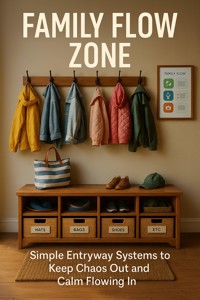
Transform your home's first impression—and your family's daily rhythm—with Family Flow Zone, a guide to creating entryway harmony that lasts. For busy families, mornings and evenings often begin and end in clutter and confusion. This book reveals how a few thoughtful design choices—strategic hooks, labeled cubbies, and short reset rituals—can restore order in under five minutes a day. Learn how to design a practical, beautiful entryway that supports everyone's routines, keeps essentials visible, and eliminates last-minute scrambles. Discover real-world examples, time-saving layouts, and clever family systems that make your space work harder so you don't have to. You'll also uncover easy-to-implement rituals that help kids take responsibility and parents reclaim peace of mind. Whether you live in a compact apartment or a busy suburban home, these techniques adapt to your lifestyle, bringing calm structure and flow to your daily comings and goings. Build habits that last—and enjoy a family entryway that never falls apart.
Sie lesen das E-Book in den Legimi-Apps auf:
Seitenzahl: 360
Veröffentlichungsjahr: 2025
Das E-Book (TTS) können Sie hören im Abo „Legimi Premium” in Legimi-Apps auf:
Ähnliche




















Table of Contents
Chapter 1: Welcome to Your Family Flow Zone
Why the Entryway Matters
Common Family Entryway Problems
Core Principles of Family Flow Zone
Quick Assessment: What to Look For
Design Elements That Support Behavior
Setting Realistic Goals and First Steps
Chapter 2: How the Entryway Shapes Family Rhythm
Why the Entryway Matters
Common Friction Points That Slow Families Down
Design Choices That Encourage Better Habits
Practical Zones and Systems for Every Family
Quick Rituals and Habits That Stick
Chapter 3: Assessing Your Current Entryway — A Practical Audit
Quick 15 Minute Audit: What to Gather
Map Traffic and Daily Rhythms
Identify Clutter Hotspots and Drop Zones
Track What Gets Lost, Forgotten, or Left Behind
Assess Storage, Surfaces, and Visibility
Set Priorities and a Realistic Goal
Chapter 4: Layouts That Work — Flow-Based Design for Any Home
Flow-First Planning: Map How People Move
Narrow Hallways: Slim Solutions That Stay Functional
Small Apartments: Multi-Use Pieces and Discreet Drops
Mudrooms and Larger Entries: Create Purposeful Zones
Open vs Closed Storage: Trade-Offs and Hybrid Choices
Adaptable Systems and Simple Routines That Stick
Chapter 5: Smart Storage Solutions — Cubbies, Bins, and Labels
Core principles of smart storage
Cubbies: size, layout, and placement
Bins, baskets, and material choices
Labels and visuals that actually work
Layouts for flow: creating clear pathways
Quick wins: repurposing and maintenance rituals
Chapter 6: Hooks, Hangers, and Drop Zones — The Tiny Tools with Big Impact
Where to Place Hooks and Drop Zones
Height, Spacing, and Grouping Rules
Bench-Plus-Hooks and Sit-to-Dress Moments
Kid-Friendly Hooks and Routines
Smart Accessories: Labels, Magnets, and Mini Drop Zones
Renter Solutions, Temporary Fixes, and Daily Reset Habits
Chapter 7: Quick Daily Routines — The Five-Minute Reset
Why the Five-Minute Reset Works
Collect: One Sweep to Gather Loose Items
Return: Put Things Back Where They Belong
Tidy: Fast Surface Care
Prepare: Set Up for the Next Transition
Making It Stick: Habits, Prompts, and Positive Rewards
Chapter 8: Building Responsibility — Age-Based Tasks for Kids
Guiding Principles for Passing Responsibility
Preschoolers (Ages 2–4): Simple, Visible Tasks
Early Elementary (Ages 5–7): Reliable Routines
Middle Grade Kids (Ages 8–11): Stepping Up Independence
Tweens (Ages 12–14): Ownership and Habit-Building
Teens (Ages 15–18): Transition to Full Independence
Chapter 9: Morning Routines That Move Everyone Along
Build a Night-Before Routine
Design the Drop Zone for Mornings
Simple Pre-Launch Checklist and Visual Cues
Family Huddles and Morning Roles
Five-Minute Reset and Evening Prep
Adaptations for Different Homes and Ages
Chapter 10: Evening Routines That Close the Day Calmly
Why a calm evening matters
Unload and reset station
Charging and device habits
Outfit and bag prep
The five-minute family sweep
Adapting for weekends and varied schedules
Chapter 11: Time Management Tricks for Busy Families
Identify your family’s critical transition windows
Design short, reliable checklists and rituals
Batch routines and zone tasks around the entryway
Use shared calendars and simple checkpoints
Automate reminders and use visual timers
Build habits that stick with small wins and reviews
Chapter 12: Materials, Finishes, and Design That Last
Durable Flooring for High Traffic
Washable Wall Finishes and Paint
Bench Materials and Upholstery That Hold Up
Hardware, Hooks, and Finishes That Hide Wear
Storage Materials, Cubbies, and Labeling That Last
Maintenance Routines and Budget Friendly Alternatives
Chapter 13: Real-Life Examples and Room-by-Room Plans
Narrow urban entry: make a small space work hard
Suburban mudroom: durable systems for messy comings and goings
Compact apartment foyer: solutions when square footage is tight
Multipurpose family hub: centralize gear and family communication
Kid-focused entry: teach responsibility with small, repeatable steps
Minimalist entry: reduce visual clutter while keeping essentials visible
Renter-friendly and temporary setups: smart, nonpermanent fixes
Chapter 14: Maintenance, Growth, and Seasonal Shifts
Why upkeep keeps systems working
Weekly and monthly routines that actually stick
Seasonal swaps: coats, shoes, and gear
Adjusting systems as kids grow and schedules change
Involving the family without nagging
Troubleshooting and evolving your Family Flow Zone
Chapter 15: Troubleshooting Common Problems
Diagnosing Overflowing Bins and Cubbies
When Hooks Get Ignored
Stopping Clutter From Reappearing
Managing Family Resistance and Buy-In
Relaunching Systems After Motivation Dips
Chapter 16: Your Family Flow Zone Plan — A Simple Checklist to Start Today
Assess Your Current Entryway
Choose a Layout That Fits Your Flow
Pick Practical Storage
Install Hooks, Cubbies, and a Drop Zone
Teach Routines and Label Systems
Set Maintenance Habits and Weekend Start Plan
Chapter 1: Welcome to Your Family Flow Zone
Welcome to Family Flow Zone. This chapter sets the scene for how small, consistent changes to your entryway can shift the daily rhythm of your whole household. You’ll get a clear picture of the problems most families face — cluttered drop zones, lost keys, rushed mornings, and chaotic evenings — and why the entryway is the strategic spot to fix them. Think of this space as the family's command center: a place that sends everyone out the door prepared and brings them back into calm. We’ll outline the core principles that guide the rest of the book: clear sightlines, intentional storage, predictable routines, and design that supports behavior. By the end of this chapter you’ll understand the benefits of a focused entryway plan and be ready to assess your current setup with simple, practical questions. No heavy jargon, just a friendly framework to start transforming your home’s first impression and your family’s day-to-day flow.
Why the Entryway Matters
The entryway is more than a doorway. It’s the first thing family members and visitors see, and it sets the tone for how days begin and end. A thoughtful entryway reduces friction during rushed mornings, prevents lost items, and helps everyone transition between home and the outside world. This section explains why focusing on this small area delivers outsized benefits for household calm, routine, and even relationships.
First impression and family tone
The entryway is the home’s opening statement—what family members and guests see before anything else. A tidy, purposeful space communicates calm and order; cluttered surfaces and overflowing baskets signal stress and hurry. That visual cue shapes how people feel and behave the moment they walk in, setting the emotional tone for the rest of the house.
When families invest a little intention into this zone—coordinated storage, a clear landing spot for essentials, and a welcoming aesthetic—it subtly encourages everyone to mirror that order. Small design choices, like consistent hooks or a simple bench, act as nonverbal instructions: this is where we pause, put things away, and prepare. Over time, that consistent environment nudges habits that make mornings less frantic and evenings more composed.
Time savings every morning and evening
Misplaced keys, shoes, or backpacks create more than isolated delays; they trigger repeated searches, reminders, and stress that ripple through schedules. An entryway designed for quick retrieval—visible hooks, labeled cubbies, and a spot for daily essentials—turns wasted minutes into predictable, repeatable actions. That savings compounds: five minutes saved each morning and evening becomes hundreds of reclaimed minutes monthly.
Practical habits reinforce the system. A brief “drop and check” ritual before leaving ensures everyone has what they need. Parents can batch-ready items the night before and use simple visual cues (colored labels, photos for younger kids) to speed decisions. The result is fewer last-minute scrambles and a steadier household pace for work, school, and activities.
Traffic flow and safety
Entryways are high-traffic corridors. When shoes, bags, and seasonal gear spill into pathways, they create tripping hazards and force awkward detours that slow everyone down. Designing a clear route—using a bench, staggered hooks, or narrow shelving—keeps the path open and reduces the risk of falls, especially for small children, elderly family members, or when hands are full.
Consider sightlines and staging when planning storage: keep commonly used items at eye level and designate low bins for children’s shoes. In wet or snowy seasons, add a waterproof mat and ventilated storage to prevent slippery floors. Thoughtful placement of lighting and mirrors further improves visibility and helps people navigate in and out quickly and safely.
Visible systems encourage responsibility
Visibility is a powerful tool for building independence. When belongings have obvious, labeled homes—open cubbies, clear bins, or picture labels—children and adults alike can find and return things without prompting. That clarity turns organization into a teachable routine and reduces the need for constant parental reminders.
Start small: assign one cubby per child, use color-coding for school days versus activity days, and make returning items part of the exit ritual. Praise and brief checklists help reinforce the behavior until it becomes automatic. Over weeks, visible systems move responsibility from parents to kids, freeing up parental bandwidth and building lifelong organizational skills.
Small footprint, big return
Entryways are usually compact, which is great news: modest investments yield outsized impact. A handful of well-chosen pieces—a narrow bench with cubbies, a vertical row of hooks, a shallow shoe tray—can transform the zone without a major remodel. Because this area touches daily life, small upgrades create immediate, tangible improvements in routines and mood.
Budget-friendly solutions work well: repurpose baskets, add adhesive hooks, or label existing shelves. Focus on multi-function furniture that provides seating, storage, and a surface for quick items. These minor changes often satisfy both practical needs and aesthetic goals, making the entryway feel intentional and useful without a large time or financial commitment.
Mental reset at transitions
Entryways are more than storage—they’re psychological thresholds. A calm, orderly entry signals a shift from external demands to home life, helping people mentally drop stress as they arrive and prepare mentally before they leave. Small, consistent rituals in this area—hanging a coat, placing a work bag on a specific hook, or taking two deep breaths—create a predictable transition that supports emotional regulation.
Design elements can enhance that reset: soft lighting, a dedicated “pause” shelf for mail or shoes, or a family message board for quick check-ins. These cues tell the brain it’s time to switch modes, benefiting not just efficiency but wellbeing. Over time, a purposeful entryway becomes a reliable tool for smoother emotional transitions for adults and children alike.
Common Family Entryway Problems
Before you fix an entryway, you need to know what usually goes wrong. These predictable patterns show up in homes of all sizes: items that pile up because there’s nowhere clear to go, routines that are unclear, and storage that doesn’t match daily needs. Identifying the problem types makes solutions easier to choose.
Catchall clutter without a system
Entryways often become catchalls because there isn’t a clear habit or designated place for everyday items. When mail, shoes, backpacks, sports gear, and grocery bags land in the same pile, nothing gets returned to its home; the visual mess feeds a cycle of dumping instead of stowing.
Fixing that starts with mapping common items and assigning a specific landing zone for each category. Use a shoe tray, a mail sorter, labeled cubbies, and a hook bank so every object has a predictable destination. This reduces decision fatigue for busy family members and makes quick resets realistic—when everyone knows where things belong, the clutter stops reproducing itself.
Too much or too little storage
Storage that’s oversized invites dumping—extra surface or a large bin becomes a magnet for random items. Conversely, too many small containers or overly fussy compartments create decision paralysis: people hesitate and default to leaving things where they landed.
The sweet spot is storage sized to real needs: a shoe shelf for the household count, medium-sized bins for seasonal items, and a slim catchall for keys and wallets. Keep placements intuitive and labeled so family members can make fast choices. Calibrate storage by editing periodically—remove or repurpose containers that aren’t used to maintain balance and prevent future overflow.
Poor visibility and labeling
When kids and adults can’t easily see where things belong, they won’t put items away consistently. Closed boxes and hidden shelves might look tidy, but they often hide the system itself; visibility is essential while habits are being formed.
Prioritize open cubbies, clear trays, and prominent hooks so the intended spot is obvious at a glance. Add simple, consistent labels—icons for young children, names for family members—to reduce ambiguity. Visual cues lower the activation energy required to store an item and help habits stick until they become second nature.
No routine linked to the space
Even well-designed storage fails without routines that connect people to the entryway daily. Systems need a behavioral anchor: a short arrival ritual (drop bag, hang coat, place shoes) and a nightly five-minute reset that restores order before day’s end.
Create small, actionable rituals tied to specific prompts—walk in, hang up, check the family board. Make the evening reset a shared task with a timer to keep it brief and consistent. When routines are predictable and low-friction, the space supports behavior change and prevents the gradual return of chaos.
Design ignoring family needs
Entryways often reflect aesthetic preferences rather than how the household actually functions. A pretty console table is useless if children can’t reach hooks or if sports equipment has nowhere to live. Designing for people means observing daily rhythms and prioritizing convenience over looks alone.
Practical choices—low hooks for kids, cubbies sized for backpacks, an accessible bin for athletic gear, and a charging spot for devices—respect how the family moves through the space. Blend function and style by selecting durable materials and cohesive finishes so the area feels intentional while serving real-life needs.
Transition items left out of place
Modern families carry transitional essentials—charging cords, reusable bags, masks, transit cards—that tend to go missing when there’s no defined spot. These items are small but high-impact: losing them causes last-minute scrambles and stress during departures.
Designate a tech tray for cords and keys, a small bin for reusable bags, and a visible hook or dish for masks and transit passes. Keep these stations near the door and pair them with a quick visual check ritual before leaving. Making transition items visible and routine-ready cuts friction and keeps departures calm and predictable.
Core Principles of Family Flow Zone
To build a reliable entryway, use a few guiding principles that shape decisions about storage, layout, and habits. These principles are simple but powerful: they keep the space functional, teachable, and beautiful enough to want to maintain. Use them as your checklist when planning changes.
Clear sightlines and open cues
Clear sightlines guide behavior without words. When frequently used items are visible—hooks for coats, an open cubby for backpacks, a tray for keys—family members instinctively put things where they belong. Visual organization reduces the cognitive load of deciding where to place items, which is crucial during rushed mornings.
Design choices that maximize visibility include shallow shelves, open cubbies, and low racks that show contents at a glance. Reserve closed storage for seasonal or rarely used items so the everyday essentials remain front and center. Consistent placement and uncluttered sightlines create a predictable environment that encourages repetition and builds habits.
Intentional storage for specific items
Assigning a dedicated home to each category of item eliminates guesswork. A single-function solution—a shoe bin, a specific hook for each jacket, a labeled backpack shelf—helps everyone make quick, consistent choices. When storage corresponds to an action, use becomes intuitive rather than optional.
Think in functional zones: arrival (outerwear, keys), departure (shoes, bags), and short-term staging (mail, lunches). Keep storage proportional to what you actually own: too-large bins invite dumping, while too-small spaces create overflow. Clear labels and visual separation enhance accountability and speed.
Predictable routines that tie to the space
Routines convert physical systems into lasting habits. Develop brief arrival and departure rituals that map directly onto the entryway layout—hang coat, place bag in cubby, drop mail in a designated slot. When the environment and routine align, following the steps feels natural and effortless.
Keep routines short and repeatable so they fit into busy schedules. Reinforce them with gentle prompts at first—family checklists, small signs, or a verbal cue—and gradually reduce prompts as the behavior becomes automatic. Predictability reduces morning chaos and creates calm transitions for everyone.
Design that supports behavior
Good design anticipates how people act and makes the right choice the easy choice. Lower hooks for children, a bench for sitting while putting on shoes, and labeled cubbies for each family member reduce friction and resistance. Ergonomic placement matters: if reaching or bending is awkward, the system will fail.
Choose materials and finishes that tolerate daily wear, and avoid overly precious solutions that invite guilt when used. Thoughtful placement of mirror, lighting, and a small landing surface for keys or phones further nudges correct behavior and helps routines stick.
One-minute and five-minute rituals
Micro-rituals are small investments with big returns. A one-minute pre-departure check (wallet, keys, shoes) prevents mid-trip returns, while a five-minute evening reset—return shoes to the bin, clear the bench, check the mail—keeps clutter from accumulating. Short, consistent habits maintain order with minimal effort.
Frame these rituals as family agreements rather than chores. Use timers, a communal checklist, or a brief nightly announcement to make the reset feel collaborative. The cumulative effect is dramatic: a five-minute habit each evening preserves the functionality and calm of the entryway day after day.
Flexible solutions that grow with the family
Design systems that adapt as needs change. Removable hooks, stackable bins, and modular shelving let you reconfigure the space for new kids, shifting sports schedules, or seasonal gear. Flexibility reduces the need for full redesigns and keeps the system resilient.
Plan for transitions by choosing multipurpose furniture—a bench with storage, cubbies that can be reassigned, or pegboards for temporary holds. Regularly assess the system and tweak placements rather than overhauling everything: small adjustments prevent large breakdowns and keep the entryway useful through life’s changes.
Quick Assessment: What to Look For
Before making changes, take a focused look at how your entryway currently works. A short assessment highlights what’s working and what needs fixing. Use these practical questions to evaluate traffic patterns, storage adequacy, and behavior triggers so your redesign addresses real needs.
Where do items actually land?
Spend a day or two simply observing — or ask family members to note where they drop things. Watch for patterns: are shoes kicked to the side, backpacks slung on a chair, or keys left in pockets? Recording these habits, even with quick photos or a one-line log, reveals true behavior versus how you think the space is used.
Once you’ve mapped the hotspots, prioritize interventions at the busiest spots. If shoes pile by the door, add a low-profile shoe tray or cubby. If keys vanish on a console, introduce a visible hook or shallow dish. Designing around observed behavior prevents systems that look good on paper but fail in practice.
Who uses the space, and how?
Take inventory of the people who move through the entryway: ages, heights, mobility, and routines. Small children need low hooks and simple visuals; teens may want a shelf for earbuds and a charging spot for devices. Seniors or family members with limited mobility may need seating and clear floor space.
Match storage choices to users. Adjustable-height hooks, labeled bins, and designated charging stations make the system inclusive and practical. When storage is physically and cognitively accessible, everyone is more likely to follow it, turning good design into sustained habit.
What items are missing a home?
List the items that routinely go missing or are dropped at the door: keys, masks, sunglasses, leashes, lunchboxes, or library books. Each recurring lost item signals a specific storage gap. Addressing these needs directly eliminates friction that causes last-minute scrambling.
Create purpose-built solutions: a shallow tray or wall hook for keys, a mask bin, a leash hook by the door, and a clearly labeled cubby for lunchboxes. Consolidate like items together so the brain learns one spot per category. Small, intentional homes for essentials prevent repeated morning delays.
Is there a clear path in and out?
Observe peak moments — morning departures and evening returns — to assess traffic flow. Note bottlenecks where people weave around piles or trample shoes. If the path requires detours, the layout undermines routines and raises the risk of trips or missed departures.
Simple adjustments can restore flow: shift a console, add a narrow bench for putting on shoes, or move storage off the main walkway. Keep the central path free of permanent storage and reserve it for movement. A clear route supports faster transitions and reduces daily friction.
What’s visually overwhelming?
Scan surfaces and sightlines for frequent piles: tabletops, benches, and console tops often become catchalls. Visual clutter makes it harder to spot essentials and reduces motivation to maintain order. Identifying the most overwhelmed surfaces helps you target containment strategies.
Introduce low-effort organizers like trays, baskets, and wall pockets to corral loose items. Use consistent materials and a limited palette so containment looks intentional, not chaotic. Regularly emptying or sorting these containers during a five-minute reset keeps visual calm and supports lasting upkeep.
How does the space feel emotionally?
Pay attention to the emotional tone when people enter: does the entry feel welcoming or stress-inducing? Reactions such as sighs, rushed movements, or avoidance are cues that the space disrupts transitions. Emotional response is as important as physical layout because it influences behavior.
Design choices that foster calm include clear sightlines, gentle lighting, and a small personal touch like a family photo or a plant. Combine practical order with a warm aesthetic so the entry becomes a soothing threshold. When people feel emotionally grounded entering and leaving, routines become smoother and family interactions improve.
Design Elements That Support Behavior
Design choices should make the right action easier than the wrong one. This section covers practical elements—hooks, benches, lighting, and labeling—that guide behavior and look good doing it. Combine function with simple aesthetics to create a space everyone respects and uses.
Hooks at the right heights
Place hooks at multiple heights to make hanging up outerwear a no-brainer for every family member. Low hooks—around 3 to 4 feet—are ideal for children and encourage independence, while adult-height hooks—around 5 to 6 feet—keep coats and bags off the floor. Grouping hooks by person or item type clarifies ownership and reduces the time spent deciding where to put things.
Install a clear visual pattern: each child’s hooks could have a distinct color or label, and adult hooks can be clustered near keys or a small shelf. Staggered heights also prevent overcrowding at a single spot and make the entryway feel organized rather than cluttered.
Durable hardware and thoughtful placement near the door ensure hooks are used consistently. The small investment of measuring and grouping hooks pays off every morning by speeding departures and reinforcing the habit of returning items to their spot.
Benches that double as storage
A bench in the entryway becomes both a practical seat and a discreet storage solution. Choose a bench with built-in cubbies, drawers, or space for baskets underneath so shoes, slippers, and seasonal items stay off the floor but remain easy to grab. Comfortable seating encourages everyone to sit while putting on or taking off footwear, which reduces dropped items and hurried movements.
Organize the under-bench storage with labeled baskets or removable bins to make weekly cleanups and seasonal swaps simple. Opt for materials that withstand daily use—stain-resistant fabrics or wood finishes that are easy to wipe down.
Position the bench close to door traffic but not obstructing the path. This small redesign creates a consistent landing zone, normalizes tidying behavior, and transforms shoe rituals into a smooth part of the family routine.
Open cubbies and visible bins
Open cubbies and clear or labeled bins remove guesswork about where things belong. When backpacks, sports gear, and reusable bags are visible, family members can quickly identify their items and return them to the correct spot. This reduces cognitive load and speeds morning and evening transitions.
Use a consistent system—assign each person a cubby or bin, or dedicate sections by category (school, sports, mail). Durable labels and color-coding help younger children and guests know where to place items without reminders from parents.
Keep cubbies at a reachable height and avoid overfilling them; when storage is overcrowded, the system fails. Regularly evaluate which bins fill up fastest and reassign or add capacity so the visible system stays functional and tidy.
Dedicated charging and tech tray
A small, designated tray for phones, keys, wallets, and charging cables prevents electronics from wandering through the house. Placing this tray near the door ensures devices are easy to grab on the way out and simple to locate when returning home. It’s a tiny habit change that eliminates frantic searches and last-minute delays.
Include a power strip or a built-in charging port in the tray area to keep cords contained and prevent counter clutter. Use a shallow dish or compartmentalized tray so each person has a predictable landing spot for their essentials.
Label spaces for shared items like house keys or spare chargers to maintain consistency. This focused zone reduces visual clutter and sets a clear cue: tech belongs here when you come in and goes with you when you leave.
Good lighting and a mirror
Quality lighting and a well-placed mirror elevate both function and feel in the entryway. Bright, even lighting makes the space safer and more welcoming, while a mirror provides a last-minute check—hair, coat, or tie—before leaving. Together they create a practical finishing zone that encourages care for appearance and belongings.
Layer lighting with overhead fixtures and task lights near seating or storage to avoid shadows and make finding items easier. Choose warm, inviting bulbs rather than harsh, clinical light to create a calm first impression.
A mirror also expands visual space, helping small entryways feel larger. Position the mirror so it doesn’t reflect clutter; keeping the surrounding surfaces neat makes the whole area feel tidy and intentional.
Simple labeling and color cues
Clear labels and consistent color coding turn decisions into quick visual responses. Assign each child a color or label for their bin, hook, or cubby so they can identify their spot at a glance. This reduces verbal reminders and speeds transitions during hectic mornings.
Use durable labels—laminated tags, printed labels, or removable vinyl—for longevity and a polished look. For shared items, consider symbol-based labels for pre-readers, or combine a name with a color stripe to support early literacy and recognition.
Keep the color palette limited and intentional to avoid visual noise. When visual cues are consistent and visible, routines become automatic, and the entryway supports predictable behavior rather than relying on rules or repeated instructions.
Setting Realistic Goals and First Steps
Start small and set goals that are measurable and achievable. The best systems are adopted gradually and win back time quickly. This section lays out immediate actions you can take, a short checklist for the first week, and how to measure success so the new routine sticks.
Choose a one-hour weekend project
Pick one focused task you can finish in sixty minutes: install five hooks, add a bench with baskets, clear and label a cubby, or mount a simple shelf. A single, visible change creates momentum and demonstrates that small investments can yield big improvements in daily flow. Decide beforehand which materials and tools you need so the hour is productive.
Invite the family to help with age-appropriate jobs—holding a level, sorting items, or testing locations for hooks. When people contribute, they feel ownership and are more likely to use the new feature. After the hour, take a quick photo to mark progress and place a reminder in your calendar to observe how the change affects mornings and evenings over the next week.
Introduce one new routine at a time
Rather than overhauling everything, start by teaching a single habit: an arrival ritual or a five-minute evening reset. Focused repetition helps the routine become automatic. For a week, practice it together each day, using clear prompts like a bell, a sticky note, or a brief visual checklist to cue action.
Once the first ritual feels natural, add another routine. Staggering changes reduces resistance and prevents overwhelm, especially for children. Keep instructions short and concrete—“hang your coat, drop your backpack in your cubby, put shoes on the boot tray”—and use patient reinforcement until the behavior becomes part of the family’s default flow.
Set simple success metrics
Define clear, measurable outcomes you can track without much effort: fewer lost items, consistently earlier departures, or completion of a five-minute reset on most days. Choose one to three metrics that matter to your household and are easy to observe. Keep tracking visible—use a small chart, a whiteboard tally, or a weekly note in a family app.
Monitor these metrics for two weeks, then review. If progress stalls, adjust the setup or the routine rather than abandoning the whole idea. Simple data keeps the goal concrete, makes improvements feel real, and helps you iterate with small, effective changes that support lasting entryway habits.
Get buy-in with shared responsibilities
Assign clear, age-appropriate tasks so everyone knows their role in the entryway system. Young children can hang coats or place shoes in a bin; older kids can charge devices in a shared tray or fold small items; parents manage keys and mail. Keep roles consistent and visible with a simple chore chart placed near the entry.
Discuss expectations briefly and set reasonable standards—for example, backpacks hung by the door and shoes placed on the mat. Rotate or adjust responsibilities as children grow. When duties are explicit and fair, resistance drops and accountability rises. Consistent roles turn the entryway into a shared responsibility rather than a single person’s burden.
Plan for a 30-day review
Schedule a brief check-in after one month to evaluate what’s working and what isn’t. A 15–20 minute family meeting is enough to note friction points—hooks in the wrong place, overcrowded cubbies, or routines that aren’t sticking—and decide on small fixes like adding a bin or relabeling spaces.
Use the review to gather feedback from each family member and make targeted adjustments. Treat this as an experimental phase: tweak one thing at a time and observe impact. Regular, short reviews prevent minor problems from becoming entrenched and keep the system aligned with real family rhythms as needs change.
Celebrate small wins to reinforce habits
Reinforce new behaviors by recognizing progress. Praise quick successes—a smooth morning, no lost items, or a tidy entryway at bedtime—and make acknowledgments part of your routine. Brief verbal praise, a sticker for younger kids, or a small family reward at the end of a week can strengthen motivation.
Celebrations don’t need to be elaborate. A shared cup of hot chocolate after a week of consistent routines or a family high-five at the end of a busy morning does the job. Positive reinforcement signals that the new system is valuable and sustainable, encouraging everyone to keep contributing to a calmer, more organized entryway.
Chapter 2: How the Entryway Shapes Family Rhythm
The entryway is more than a place to take off shoes. It’s where mornings begin and evenings land. Here we explore how this small zone affects time management, stress levels, and family interactions. You’ll learn the common friction points that make mornings slow and nights tense: missing items, unclear responsibilities, and poorly designed storage. We'll explain why design choices matter for behavior — visibility encourages action, and simple systems reduce decision fatigue. Expect practical examples showing how a few layout changes or a labeled bin can save minutes and lower stress every day. This chapter gives you the language to talk about flow, routines, and responsibilities so your household can move from chaotic comings and goings to a smoother, repeatable pattern that supports everyone's needs.
Why the Entryway Matters
The entryway is the first and last stop of each family day. In a busy household, it sets the tone for how people leave the house and how they return. A thoughtful entryway reduces morning scramble, supports evening reset, and creates small wins that compound into calmer routines. This section explains the psychological and practical reasons the entry zone matters, showing how simple changes can improve punctuality, lower stress, and make family interactions smoother during high-pressure transitions.
First impressions shape behavior: When the entry feels orderly and intentional, family members are more likely to mirror that calm. A tidy visual field reduces cognitive noise, so everyone can focus on the next task. Habit formation follows cues; a clear place for keys and bags reminds people where to put things, making the right action the easiest action.
The entryway is the visual cue that tells your household what kind of day to expect. When surfaces are tidy, hooks are used, and a designated landing spot exists for essentials, people unconsciously adopt a calmer pace. Visual order reduces cognitive load by limiting distractions at the moment of transition.
Design choices act as behavioral prompts: a shallow tray for keys, labeled cubbies for backpacks, and a bench for shoes all signal the correct action. Over time these cues replace repeated instructions from parents, because the environment makes the desired habit obvious and simple.
Simple consistency reduces decision fatigue and frees mental bandwidth for the tasks that matter: a quick goodbye, a focused commute, or an enjoyable return at day’s end. Investing a few minutes to design that visual calm repays itself daily in smoother interactions and fewer forgotten items.
Small time savings add up: Losing three minutes searching for shoes or a homework folder can ripple into missed breakfasts or late school drop-offs. Multiply those minutes across a week and you have hours of lost time. Designing the entry to minimize search and decision time supports better time management and fewer rushed moments.
Minutes hidden in routine tasks are stealthy time thieves. A three-minute search for shoes or a misplaced folder feels insignificant in isolation, but repeated daily across multiple family members quickly becomes hours of wasted time.
Design that reduces lookup and choice—open shelving labeled by person, a single spot for shoes, clear loops for backpacks—shave seconds that accumulate into reliable punctuality. When the system provides the obvious option, the family makes faster decisions without extra reminders.
Over a week, the payoff can be measurable: time saved in the entry gives parents margin for a smoother breakfast routine and children time to prepare calmly. Investing a little planning in layouts and labeled spots becomes a time-management tool that reduces stress and improves daily flow.
Emotional anchoring during transitions: The entryway is a psychological doorway between home and outside life. A calm routine at this threshold can help kids move from play to school mode or from work to family mode. Intentional rituals like a five-minute unpack and tidy create emotional closure and reduce lingering stress from the day.
Transitions are emotional as well as physical. The entryway functions as a threshold where the mind switches roles—parent, student, worker—and small rituals at this point help people shift smoothly.
A short, predictable routine—drop the bag, hang the coat, empty pockets into a tray—works like an emotional anchor. For children, this consistent sequence cues a change in identity from "outside-play" to "doing-schoolwork" or "home-time."
Rituals offer closure and reduce the mental carryover of stress from the day. Even a five-minute unpack-and-tidy routine helps everyone feel settled, improves focus for the next task, and prevents clutter from accumulating in shared spaces.
Make the ritual visible: post a two-step checklist or use a colorful bin for "end-of-day items" so kids can complete the ritual independently. These micro-habits build emotional resilience and make transitions predictable for the whole family.
Visibility promotes responsibility: When items are stored in plain sight and labeled, children and adults can see what belongs where. That visibility makes expectations clearer and reduces reminders from parents. Over time, kids learn to return items to their place without nagging, because the system guides their behavior.
Out of sight often means out of mind. When backpacks, shoes, and frequently used items are stored where everyone can see them, the household gains a passive accountability system that guides behavior without extra enforcement.
Labels and transparent containers remove guessing and set clear expectations. Instead of asking "Where does my hat go?" children see a labeled hook or bin and naturally place it there. Adults benefit from the same clarity, reducing nagging and repeated checks.
Over weeks and months, visible systems teach responsibility by turning desired actions into default behaviors. The environment does the coaching—at a glance you know when something is missing—and that reduces parent workload while promoting independence.
Small investments like labeled cubbies or a family command center pay dividends as children internalize routines and parents experience fewer interruptions.
Design impacts relationships: Friction at the entry often becomes friction within the family. Arguments about missing items or cluttered spaces usually start at that threshold. A functional, family-friendly entry reduces trigger points, so mornings begin with cooperation instead of tension. Thoughtful layout choices support smoother interactions and fewer power struggles.
The entryway is where logistical friction becomes interpersonal friction. A single missing shoe or a backpack in the walkway can trigger a rushed morning, which quickly escalates into blame, stress, and lowered patience among family members.
A well-designed entry reduces those trigger points by making storage functional and intuitive. Dedicated spots for each person, a designated drop zone for keys and phones, and clear circulation space prevent small incidents from becoming arguments.
Beyond layout, aesthetics matter. A calm color palette, uncluttered surfaces, and attractive storage communicate respect for shared spaces and influence mood. When the environment feels cared for, family members are more willing to cooperate and maintain it.
Design choices are tools for lowering conflict: a bench to sit while putting on shoes reduces hurried movement; separate hooks avoid mix-ups; labeled baskets lessen contention over ownership. These small signals support collaborative behavior and fewer power struggles.
Common Friction Points That Slow Families Down
Before you redesign, it helps to identify the recurring problems. This section lists the most frequent entryway pain points that cause delays, frustration, and nagging. Understanding these patterns gives you a targeted starting place so changes address root causes rather than symptoms. The examples are practical and based on typical family rhythms.
Missing essentials at the door: Keys, masks, backpacks, or shoes that routinely go missing create last-minute chaos. Frequently the cause is lack of a designated spot or inconsistent routines. Solutions center on consistent habit cues and a single visible landing zone for each person.
When essentials vanish at the last moment, the ripple effects are larger than a few lost minutes. Families rush, children become upset, and adults experience avoidable stress that sets the tone for the day. Missing items usually reflect system gaps: no dedicated spot, competing surfaces, or habits that aren’t reinforced.
Practical fixes are straightforward. Create one visible landing zone per person—hooks, a shallow tray, or a small cubby—placed consistently at eye level. Use habit cues like a nightly “drop and check” where everyone places keys and masks in their spot before bed. For children, add photos or color-coded labels. Reinforce the routine with a two-minute family check before leaving. These small, consistent cues turn searches into automatic behaviors and dramatically reduce last-minute chaos.
Pile-up zones that hide items: Cardigans, sports gear, and mail often become visual clutter when no clear home exists for them. These piles hide important items and make clean-up overwhelming. Clear storage and daily micro-resets prevent small piles from becoming an avalanche.
Piles grow because temporary surfaces become default homes. A dropped cardigan, stray ball, or stack of mail seems harmless until it obscures keys, schedules, or permission slips. Visual clutter interferes with efficiency and increases the mental load of household members who must decide what to do with each item.
Designate short-term and long-term storage: a bin for same-day items, a basket for sports gear, and a mail sorter with labeled slots. Implement a two-minute micro-reset each evening so small piles are returned to their homes before they multiply. Use transparent or open-front containers to keep items visible and avoid “out of sight, out of mind.” Regularly purge outdated paper and reassign misfit items to avoid recurring hotspots.
Unclear ownership and shared spaces: When storage is vague, family members assume someone else will handle an item. This leads to misplaced belongings and tension over who tidies. Assigning labeled spots or personalized hooks makes ownership obvious and reduces finger-pointing.
Ambiguous responsibility breeds passive behavior. In shared entryways, items without clear owners drift between surfaces and family members stop tracking them. This dynamic often escalates into frustration and repeated reminders, undermining household harmony.
Resolve this by making ownership explicit. Install labeled cubbies, name tags on hooks, or color-coded baskets so each person knows where their things belong. For shared items—community masks or umbrellas—create a clearly labeled communal slot. Teach children to return items to their labeled spot as part of a consistent routine. When ownership is visible, accountability follows naturally, reducing disputes and streamlining departures and arrivals.
Too many choices in the morning: Decision fatigue hits harder when wardrobes, shoe options, or accessory locations are scattered. Streamline choices by limiting visible options and creating routines, such as a weekday shoe rack and separate weekend basket for extras.
Mornings are vulnerable to decision fatigue; every extra choice slows momentum. When shoes, jackets, and accessories are scattered, small decisions accumulate into significant delays and stress. Children and tired parents benefit most from fewer visible options.
Simplify by curating what’s visible: reserve a weekday-only shoe rack and place seasonal or extra items in a separate, labeled basket out of immediate sight. Pre-plan outfits or set “go-to” outfit zones for kids. Use a mini checklist by the door for essentials and establish a quick “grab-and-go” habit. Reducing choice removes friction and helps the family move through transitions with less negotiation and more predictability.
Poor lighting and unsafe layouts: Dim spaces or awkwardly placed furniture make fast movement difficult and increase the chance of spills or dropped items. Simple fixes like motion-activated lighting and clear traffic paths help reduce accidents and speed transitions.
An entryway that’s poorly lit or cluttered undermines every system you build. Dim lighting hides important cues, and furniture placed in traffic paths forces slow, cautious movement—bad for hurried mornings and risky at night. These physical barriers contribute to dropped items, tripping, and stress.
Address safety and flow with small design changes: install motion-activated lights, add a bright task light near hooks and cubbies, and reposition furniture to create a clear path through the door. Use low-profile storage rather than bulky pieces to preserve sightlines. Mark a consistent landing zone with a rug or floor decal so everyone knows where to pause. Improving visibility and traffic flow reduces accidents and speeds transitions, making routines smoother and safer for the whole household.
Design Choices That Encourage Better Habits
Design influences action. This section covers practical entryway design choices that help families act differently without constant reminders. These are intentional decisions that guide behavior: choosing visibility over invisibility, creating low-effort habits, and aligning furniture and storage to daily routines. Each recommendation is easy to implement and scales to different home sizes.
Prioritize visibility: Open cubbies, clear hooks, and labeled trays make it obvious where things go. When people can see a place for their items, they are more likely to use it. Use clear sightlines for essentials and reserve closed storage for seasonal or rarely used items.
Make everyday items visible and accessible. Open cubbies, clear hooks, and labeled trays act as visual prompts that reduce the need for reminders. When a backpack or pair of shoes has an obvious, dedicated spot, the brain treats putting items away as the default action rather than an extra chore.




