


0,99 €
Mehr erfahren.
- Herausgeber: Daniel Coenn
- Kategorie: Geisteswissenschaft
- Sprache: Englisch
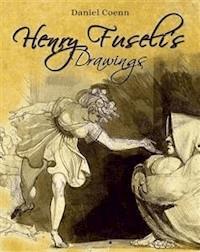
Henry Fuseli is famous for his paintings and drawings of nude figures caught in strained poses suggestive of intense emotion. He had a affinity for inventing chilling fantasies, such as that in “The Nightmare”. He had a noticeable influence on the style of his younger contemporary, William Blake.Fuseli sketches numbered about 800; they have high qualities of invention, and are frequently superior to his paintings. His method included deliberately exaggerating the due proportions of the parts and throwing his figures into contorted attitudes. One technique involved setting down random points on a sheet, which then became the extreme points of the various limbs — rather like creating a constellation from the unintentional relations of stars. He rarely drew the figure from life, basing his art on study of the antique and Michelangelo. He produced no landscapes—"Damn Nature! It's always puts me out," was his characteristic exclamation—and painted only two portraits.
Das E-Book können Sie in Legimi-Apps oder einer beliebigen App lesen, die das folgende Format unterstützen:
Veröffentlichungsjahr: 2015













Henry Fuseli's Drawings
By Daniel Coenn
Foreword and Annotations by Daniel Coenn
First Edition
Copyright © 2013 by Daniel Coenn
*****
Henry Fuseli's Drawings
*****
Foreword
Fuseli was reared in an intellectual and artistic surroundings and initially studied theology. Obliged to flee Zurich because of political entanglements, he went first to Berlin, and then settled in London in 1764. He was encouraged to become a painter by Sir Joshua Reynolds, and he left England in 1768 to study in Italy until 1778. During his stay in Rome he studied the works of Michelangelo and classical art, which became his major stylistic influences; his subject matter was chiefly literary. Fuseli is famous for his paintings and drawings of nude figures caught in strained and violent poses suggestive of intense emotion. He also had a affinity for inventing chilling fantasies, such as that in “The Nightmare” (1781). He had a noticeable influence on the style of his younger contemporary, William Blake.
His sketches or designs numbered about 800; they have admirable qualities of invention and design, and are frequently superior to his paintings. In his drawings, as in his paintings, his method included deliberately exaggerating the due proportions of the parts and throwing his figures into contorted attitudes. One technique involved setting down random points on a sheet, which then became the extreme points of the various limbs—rather like creating a constellation from the unintentional relations of stars. Notable examples of these drawings were made in concert with George Richmond when the two artists were together in Rome.
He rarely drew the figure from life, basing his art on study of the antique and Michelangelo. He produced no landscapes—"Damn Nature! It's always puts me out," was his characteristic exclamation—and painted only two portraits.
His general powers of mind were large. He was a thorough master of French, Italian, English and German, and could write in all these tongues with equal facility and vigor, though he preferred German as the medium of his thoughts. His writings contain passages of the best art-criticism that English literature can show. The principal work is his series of Lectures in the Royal Academy, twelve in number, commenced in 1801.
Fuseli was largely neglected after his death until his rediscovery in the early 20th century by Expressionist painters and Surrealist artists, who admired his romantic subjectivism, complex symbolism and bold composition.
Lesen Sie weiter in der vollständigen Ausgabe!




