


4,00 €
Mehr erfahren.
- Herausgeber: Sófocles
- Sprache: Englisch
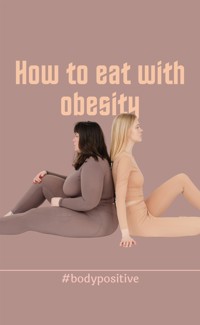
Binge eating disorder is associated with depression in more than 50% of cases and also with obesity. Obesity has become a true epidemic in today's society. But also, his relationship with thedepressionis too dangerous: obesity would be associated with a greater risk of depression and, in turn, this would be related to a greater probability of developing obesity. Psychotherapy is the indicated treatment, with the aim of teaching to resolve conflicts, without resorting to evasion and the immediate gratification that food provides.
Das E-Book können Sie in Legimi-Apps oder einer beliebigen App lesen, die das folgende Format unterstützen:
Veröffentlichungsjahr: 2023
Ähnliche



















iop
Libro alimentación obesidad inglés1
Table of contents
How to eat with obesity
One more disease, to diagnose as soon as possible
to begin with, sadness
attention to symptoms
All depressions must be treated
Doctor: I'm scared
Doctor: I'm scared
From the phobic object to anxiety
Who is afraid of going to the doctor?
Phobia of the health and hospital environment, as well
How to cure the phobia to the doctor
Why, when and why go to the psychologist
A specialist who can help us
time fixes nothing
How to choose a psychotherapist
the first visit
Main treatments
The school of adversity
Resilience is a capacity that manifests itself:
Traits that enhance the resilience of people
Factors that favor resilience
At any age you can change
Pilates: fit health
The best way to take oxygen
poor oxygenation
the air through the nose
types of breathing
recommended foods
Food allowed (moderate and occasional consumption)
Limited food (consume sporadically or in small quantities)
QUESTIONS WITH ANSWERS
DEBATE, SCIENTISTS SPEAK
HOW TO COOK AND SEASON?
ALSO... (not everything is eating)
Ingredients
Preparation mode
A good menu for this dish
How to eat with obesity
The Depression
Obesity has become a true epidemic in today's society. But also, his relationship with thedepressionis too dangerous: obesity would be associated with a greater risk of depression and, in turn, this would be related to a greater probability of developing obesity. Psychotherapy is the indicated treatment, with the aim of teaching to resolve conflicts, without resorting to evasion and the immediate gratification that food provides. The risk of suffering from depression is 55% higher inobese people, while the risk of obesity increases by 58% among those with depression. Obesity is not a psychiatric disorder, so many of thedepressive episodessuffered by people with obesity are reactive, that is, they are not due to endogenous depression, but the fact of being obese depresses them. Depression is a consequence of obesity, "they are generally less severe depressions caused, above all, by social pressure." Obese people don't like each other and get depressed. In the case of women, the depression is deeper, because they are more ashamed of their obesity, “there is no direct relationship between hormonal changes and emotional changes or mood disorders. The association between obesity and depression is related to looking bad and socioeconomic problems. Studies indicate that the incidence of obesity is higher in the most disadvantaged classes because "they eat less meat and fish, eat more unhealthy fats and do less sport", Quote this expert. "These are environments that are conducive to depression."
Despite the relationship between depression and obesity, obese people also develop a lot of anxiety, insecurity and fragility. Anxiety can be channeled into impulsivity and often leads to binge eating disorder, which results in an urge to eat until the body can't take it anymore. So either stop or make yourself vomit. Some people can eat more than 5,000 calories in a binge. When this happens, a lot of carbohydrates are eaten because people want to feel satiated. Chinchilla affirms that in some cases "there is a real addiction to food because it seeks to fill a void, calm anxiety."




