


0,99 €
Mehr erfahren.
- Herausgeber: Maria Peitcheva
- Kategorie: Geisteswissenschaft
- Sprache: Englisch
Essential figure in the transition from Realism to Impressionism, Edouard Manet was an influential painter who left his own unique mark on the art world. In 1856, in his early thirties, Manet opened his own studio. He began painting in a quasi-realist style, which transitioned to a more Impressionist style when he met the painter Berthe Morisot, who exposed him to her circle of Impressionist painter friends, including Claude Monet and Pierre-Auguste Renoir. Many of Manet’s works revolved around depictions of leisure activities, including observations of social life in all of the classes, from bourgeois horse racing to prostitutes drinking, to the streets of Paris and boating scenes, many of which were made from sketches done on the spot. Although his work was Impressionistic, he resisted involvement with any specific style of painting, and thus preferred to present his works to the Salon of Paris rather than the many Impressionist Exhibitions.
Das E-Book können Sie in Legimi-Apps oder einer beliebigen App lesen, die das folgende Format unterstützen:
Veröffentlichungsjahr: 2015
Ähnliche


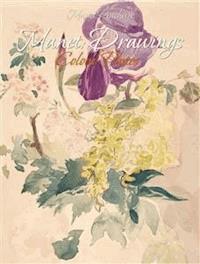
Manet: Drawings
Colour Plates
By Maria Peitcheva
First Edition
*****
Manet: Drawings Colour Plates
*****
Copyright © 2015 by Maria Peitcheva
Foreword
Essential figure in the transition from Realism to Impressionism, Edouard Manet was an influential painter who left his own unique mark on the art world. As a child, his father was a judge, who wanted him to pursue a career in law, but his uncle, recognizing little Edouard’s talents, encouraged his interest in art, often taking him the Louvre. It was not until Manet failed two entrance exams into the French Navy that his father relented to his son’s wishes and allowed him to start art lessons under the academic painter Thomas Couture, who had him copy the works of the great masters in the Louvre. The young artist was also influenced by Frans Hals, Diego Velazquez, and Francisco Goya.
In 1856, in his early thirties, Manet opened his own studio. He began painting in a quasi-realist style, which transitioned to a more Impressionist style when he met the painter Berthe Morisot, who exposed him to her circle of Impressionist painter friends, including Claude Monet, Pierre-Auguste Renoir, and Edgar Degas, and their plein air painting techniques. Many of Manet’s works revolved around depictions of leisure activities, including observations of social life in all of the classes, from bourgeois horse racing to prostitutes drinking, to the streets of Paris and boating scenes, many of which were made from sketches done on the spot.
Although his work was Impressionistic, he resisted involvement with any specific style of painting, and thus preferred to present his works to the Salon of Paris rather than the many Impressionist Exhibitions. In 1875, some of his paintings were included in a book-length edition of Edgar Allen Poe’s The Raven and in 1881 he was awarded the Legion of Honor by the French government. Manet died eleven days after the amputation of his left foot due to gangrene, from complications of syphilis and rheumatism, which had been so bad as to cause partial paralysis.
Drawings
Trente Eaux
1905, Etcing
Detail
Églantines
1880, Watercolor on paper
Detail
Pervenches
1880, Watercolor on paper
Detail
Womanat the Piano
1878, Watercolor on paper
Detail




