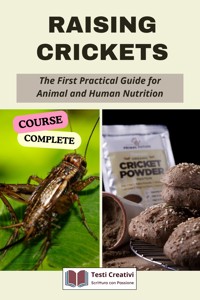
Raising Crickets
The First Practical Guide for Animal and Human Nutrition (Complete Course)
Testi Creativi
Copyright © 2025 Testi Creativi
All rights reserved
Want one of our books for only $0.99? Here’s how!
Hi there!
If you enjoyed this book, you can get your next title for just $0.99, choosing between:
-eBook
-PDF of a print book
Follow these simple steps:
1. Share your experience on the site where you purchased the book.
2. Send a screenshot of your feedback showing the “Verified Purchase” label to:
[email protected]3. You’ll receive a personal discount code to use in our online store, valid to get your next book for only $0.99.
Your opinion truly matters: every feedback helps us grow and allows new readers to discover our books.
Thank you so much for your time, and happy reading!
Indice
I. Introduction to Cricket Farming
1. Origins and History of Cricket Farming
2. The Importance of Crickets in Animal Nutrition
3. Nutritional Value of Crickets for Human Consumption
4. Differences Between Crickets and Other Edible Insects
5. Economic Advantages of Cricket Farming
6. Ecological Aspects and Sustainability of Crickets
7. Overview of Home Cricket Farming Techniques
8. Market and Demand for Crickets in Nutrition
9. Challenges and Opportunities in Cricket Farming
10. Future Perspectives of Cricket Farming
II. Planning and Preparation
1. Choosing the Right Cricket Species to Farm
2. Selecting the Ideal Location for Cricket Farming
3. Climate and Environmental Requirements
4. Materials and Equipment Required
5. Design and Construction of Farming Structures
6. Preparation of Substrate and Habitat
7. Organizing Space for Breeding and Growth
8. Planning Nutrition and Hydration
9. Safety and Hygiene Measures in Cricket Farming
10. Budget and Initial Cost Estimates
III. Choosing the Right Cricket Species
1. Overview of the Most Common Cricket Species
2. Crickets for Home Farming vs. Commercial Production
3. Nutritional Characteristics of Different Cricket Species
4. Specific Environmental Requirements for Each Cricket Species
5. Behavior and Care of Different Cricket Species
6. Availability and Sources for Purchasing Different Species
7. Lifespan and Reproductive Cycle of Cricket Species
8. Impact of Species on the Quality of the Final Product
9. Adaptability of Cricket Species to Different Farming Environments
10. Cost-Benefit Comparison Among Different Cricket Species
IV. Creating the Ideal Environment
1. Designing the Farming Area: Considerations and Layout
2. Temperature Control: Systems and Strategies for an Optimal Environment
3. Humidity Management: Methods and Tools for Effective Control
4. Lighting and Day-Night Cycle: Setup and Benefits
5. Ventilation and Air Circulation: Techniques for Proper Aeration
6. Choosing Substrate Material: Types and Preparation
7. Cleaning and Maintenance of Rearing Spaces: Procedures and Frequency
8. Structures and Shelters: Design and Benefits for Cricket Welfare
9. Environmental Monitoring: Tools and Control Techniques
10. Seasonal Adjustments: Regulations and Preparations for Climate Changes
V. Feeding and Nutrition of Crickets
1. Composition and Essential Nutrients in Cricket Feed
2. Types of Cricket Feed: Natural vs. Commercial
3. Preparing and Administering Homemade Feeds
4. Feeding Frequency and Portion Size: Guidelines for a Balanced Diet
5. Nutritional Supplements: Essential Vitamins and Minerals
6. Management of Food Waste and Contamination Prevention
7. Foods to Avoid: Toxic Items and Their Effects on Crickets
8. Monitoring Health and Body Condition through Nutrition
9. Dietary Adjustments for Different Life Stages of Crickets
10. Feeding Strategy for Increased Production and Reproduction
VI. Reproduction and Life Cycle
1. Identification and Selection of Breeding Crickets
2. Courtship and Mating: Behaviors and Ideal Conditions
3. Egg Laying: Substrate Preparation and Care
4. Egg Incubation: Optimal Conditions and Timing
5. Egg Hatching: Early Stages of Development
6. Nymph Growth: Nutrition and Care in the First Days of Life
7. Molting and Development: Stages and Physiological Changes
8. Complete Life Cycle: From Hatching to Adulthood
9. Longevity and Factors Influencing Lifespan
10. Strategies to Maximize Population Prolificacy and Vitality
VII. Health Management and Disease Control
1. Early Signs of Disease in Crickets: How to Recognize Them
2. Common Diseases in Crickets: Symptoms and Diagnosis
3. Disease Prevention: Best Farming Practices
4. Managing Parasitic Infestations: Identification and Treatment
5. Bacterial Infections: Causes, Symptoms, and Effective Treatments
6. Viruses and Viral Infections: Risks and Prevention
7. Isolation Strategies: Containing Epidemics and Outbreaks
8. Health and Hygiene of the Habitat: Cleaning and Sanitization
9. Immune Support: Supplements and Targeted Nutrition
10. Stress Management: Reducing Stress to Prevent Disease
VIII. Harvesting and Preservation of Crickets
1. Harvesting Techniques: Effective Methods and Essential Tools
2. Optimal Timing for Cricket Harvesting: When and Why
3. Preparing Crickets for Storage: Cleaning and Selection
4. Short-Term Storage Methods: Conditions and Tools
5. Long-Term Preservation: Freezing and Dehydration Techniques
6. Quality Control During Storage: Inspection and Verification
7. Packaging and Labeling: Procedures for Efficient Preservation
8. Food Safety and Regulations: Standards for Cricket Preservation
9. Restoring Quality After Preservation: Reactivation Techniques
10. Troubleshooting Common Issues in Cricket Preservation: A Guide to Frequent Mistakes
IX. Hygiene Standards and Regulations
1. Cricket Farming Regulations: Requirements and Certifications
2. Hygiene Standards for Rearing Facilities and Environments
3. Guidelines for the Safe Handling of Crickets
4. Sanitation Procedures for Equipment and Containers
5. Food Safety Standards for Human Consumption of Crickets
6. Regulations on the Transport and Distribution of Crickets
7. Quality Control: Verification Procedures and Laboratory Testing
8. Disposal of Biological Waste: Practices in Compliance with Regulations
9. Traceability and Labeling: Legal Obligations and Recommended Practices
10. Legislative Updates: How to Stay Compliant with Regulations
X. Practical Applications: From Theory to Practice
1. Implementing Farming Techniques: From Concept to Practice
2. Applying Nutritional Strategies: Designing Balanced Diets for Crickets
3. Optimal Setup of Rearing Environments: Practical Application of Environmental Controls
4. Harvesting Techniques: Effective Methods for Capturing and Handling Crickets
5. Cricket Preservation: Applying Freezing and Dehydration Techniques
6. Maintenance of Tools and Facilities: Implementing Effective Standards
7. Health Monitoring in Crickets: From Diagnosis to Treatment of Common Diseases
8. Waste and Byproduct Management: Practical Strategies for Efficient Disposal
9. Quality and Production Monitoring: Applying Control and Verification Systems
10. Planning and Adapting to Regulations: Practical Application of Standards and Updates
I. Introduction to Cricket Farming
1. Origins and History of Cricket Farming
Cricket farming has ancient and complex roots, dating back thousands of years. In many Asian cultures, particularly in China and Thailand, crickets were traditionally raised not only for food but also for their song and even for fighting. Ancient Chinese society, for example, considered the sound of crickets a symbol of good fortune and happiness, leading to a long tradition of keeping them in bamboo cages or porcelain containers, especially during the Tang and Song dynasties.
Over time, the practice shifted from cultural uses to food production, driven by the growing recognition of the nutritional benefits of insects. In recent decades, cricket farming has become increasingly popular as a sustainable solution to global food demands. Crickets are highly nutrient-dense, rich in protein, vitamins, and essential minerals, while requiring far fewer resources than conventional livestock such as beef or poultry.
Modern examples of this evolution can be seen in Thailand, where small rural farms have expanded into industrial-scale operations using advanced biosecurity and hygiene practices. In the West, particularly in the United States and Europe, the early 2000s saw the rise of start-ups producing cricket flour and protein snacks to meet the growing demand for sustainable nutrition.
For beginners, successful cricket farming requires understanding a few essentials:
Environmental conditions: Crickets thrive in warm, humid environments, ideally between 25–30°C with relative humidity of 50–70%.Housing: Simple plastic containers with perforated lids for ventilation are effective, lined with soil, sand, or peat that must be replaced regularly to avoid mold.Feeding: Crickets are omnivores and benefit from a varied diet, such as poultry feed, fresh vegetables, and fruits like carrots, apples, or sweet potatoes, which also provide hydration. Protein-rich supplements such as fish meal or soybean meal can be added to boost growth.
In short, cricket farming bridges ancient traditions with modern innovation, offering a practical, sustainable, and nutrient-rich alternative for both human and animal nutrition. With proper knowledge and care, even beginners can develop into skilled cricket farmers and contribute to a more sustainable future.
2. The Importance of Crickets in Animal Nutrition
The role of crickets in animal nutrition has grown rapidly in recent years, becoming an essential component in the diets of both pets and livestock. Crickets provide a high-quality, easily digestible protein source packed with essential nutrients, making them suitable for a wide variety of species, including reptiles, amphibians, fish, birds, and small mammals.
One of their greatest advantages is their exceptionally high protein content, reaching up to 70% of dry weight. This makes crickets an excellent choice for carnivorous and omnivorous animals. Reptiles such as lizards and geckos, for example, thrive on protein-rich diets that mirror their natural feeding habits. Offering live or dried crickets not only supports growth and metabolism but also promotes overall well-being.
Crickets also supply essential amino acids, healthy fats, vitamins, and minerals. They are rich in calcium and phosphorus for bone health, as well as B vitamins that aid in metabolic functions. Small mammals like hedgehogs or mice benefit from cricket supplementation, which often provides superior nutrition compared to conventional feeds that lack these vital nutrients.
Practical applications are evident in aquariums, where predatory fish such as cichlids or bettas respond well to crickets in their diet. Feeding live crickets stimulates natural hunting instincts, creating a more dynamic and healthier environment. In aviaries, insectivorous birds like canaries and thrushes rely on crickets to maintain feather quality and energy, especially during molting and breeding.
To ensure crickets deliver optimal nutrition, breeders must maintain clean, hygienic conditions and feed them balanced diets of fresh fruits, vegetables, and specialized feeds. This improves their nutritional profile and benefits the animals that consume them. For variety and enrichment, alternating crickets with other feeder insects such as mealworms or silkworms is recommended.
In conclusion, crickets represent a valuable, sustainable, and nutrient-dense option in animal diets. With proper care and feeding practices, even beginner breeders can produce high-quality crickets that meet the dietary needs of a wide range of animals.
3. Nutritional Value of Crickets for Human Consumption
The nutritional value of crickets for human consumption is increasingly recognized worldwide. Containing between 60% and 70% protein by dry weight, crickets rival—and often surpass—traditional protein sources such as beef, chicken, and fish. Their protein quality is exceptional, providing all the essential amino acids required for human health.
Beyond protein, crickets supply healthy fats, particularly unsaturated fatty acids like omega-3 and omega-6, which support cardiovascular health, brain function, and reduced inflammation. Regular consumption can improve lipid profiles and help lower the risk of chronic diseases.
They are also rich in micronutrients, including B vitamins—most notably vitamin B12, which is often lacking in vegetarian and vegan diets. B12 is vital for red blood cell formation, neurological health, and DNA synthesis. Crickets additionally provide iron, calcium, zinc, and magnesium, all of which play critical roles in oxygen transport, bone strength, enzymatic activity, and immune function.
For beginners, incorporating crickets into a diet can be simple and versatile:
Whole crickets: Roasted and seasoned, they can be enjoyed as crunchy snacks or added to salads and soups.Cricket flour: Ideal for baking bread, muffins, or cookies, it boosts protein without altering flavor significantly.Protein powders: Easy to mix into smoothies, yogurt, or cereals, these are especially beneficial for athletes or anyone needing extra protein in a low-carb, gluten-free form.
To ensure safety, crickets must be raised in clean, controlled environments and fed balanced diets free from contaminants. Proper cooking is equally essential to eliminate potential pathogens.
In summary, crickets represent a sustainable and nutrient-dense superfood for human diets. With correct preparation and strict hygiene practices, they can be integrated into everyday meals, offering an excellent source of protein, healthy fats, and essential vitamins and minerals. Beginners can start with simple recipes and gradually explore more creative culinary uses.
4. Differences Between Crickets and Other Edible Insects
Cricket farming stands out from the rearing of other edible insects in terms of nutritional value, environmental needs, ease of breeding, and culinary applications. Understanding these differences is crucial for anyone interested in starting small-scale cricket farming for both human and animal consumption.
Nutritional ValueCrickets contain 60–70% protein by dry weight and provide a complete amino acid profile. Compared to mealworms and silkworms, they offer a more balanced combination of protein, healthy fats, and micronutrients. Mealworms are higher in fat but lower in protein, while silkworms are protein-rich but lack the full range of essential amino acids. This makes crickets an especially well-rounded option for sustainable nutrition.
Environmental NeedsCrickets are relatively easy to rear, thriving in warm, humid environments between 25–30°C with 50–70% relative humidity. They adapt well to household farming in simple plastic containers with perforated lids for ventilation. In contrast, mealworms prefer drier, cooler conditions, while silkworms require controlled environments and a diet limited to mulberry leaves, making them more demanding.
Ease of BreedingCrickets grow quickly, with a full life cycle of 8–10 weeks, allowing for frequent harvests—an advantage for beginners. Mealworms take up to 12 weeks to mature, and silkworms, though faster, need highly specific care to thrive.
Culinary ApplicationsCrickets are highly versatile: they can be roasted, fried, eaten whole, or processed into flour for baked goods, pasta, or protein shakes. Mealworms are often used in crunchy snacks or protein bars, while silkworms are more common in traditional Asian dishes and less familiar in Western cuisine.
Practical Tips for Beginners
Prepare a ventilated plastic container with soil, sand, or peat, replacing it regularly to prevent mold.Maintain stable conditions of 25–30°C and 50–70% humidity.Feed crickets with poultry feed, fresh fruits, and vegetables such as carrots, sweet potatoes, and apples for healthy growth.
In conclusion, crickets offer an excellent balance of nutrition, ease of farming, and culinary versatility. With proper techniques and care, even beginners can successfully raise crickets, contributing to more sustainable and nutritious food systems for both humans and animals.
5. Economic Advantages of Cricket Farming
Cricket farming represents a significant economic opportunity for both small-scale hobbyists and large commercial operations. Its profitability stems from low production costs, high feed conversion efficiency, growing demand for sustainable proteins, and multiple income diversification opportunities.
Low Production CostsStarting a cricket farm requires minimal investment. Simple plastic containers, substrates, and feed are sufficient to begin, and crickets can be raised in small spaces such as garages or basements. With short life cycles of 8–10 weeks and rapid reproduction, operational costs remain low while production cycles stay frequent.
High Feed Conversion EfficiencyCrickets are highly efficient at converting feed into body mass. To produce one kilogram of cricket biomass, only 1.7 kilograms of feed are required, compared to around 8 kilograms for cattle. This efficiency lowers costs, reduces resource use, and increases profitability.
Rising Demand for Sustainable ProteinAs awareness of the environmental impact of conventional livestock grows, demand for sustainable alternatives is increasing. Crickets produce far fewer greenhouse gases and require less water than cattle, pigs, or poultry. This positions them well in both animal feed and human food markets, including protein bars, flour, and snacks.
Income DiversificationCricket farming supports multiple revenue streams. Beyond selling live or dried crickets, farmers can produce higher-value derivatives such as cricket flour, oils, and protein supplements. Cricket byproducts can also be used as natural fertilizer, integrating seamlessly into sustainable farming systems.
Practical Success StoriesCompanies like Aspire Food Group and Entomo Farms have scaled cricket farming into profitable businesses, using advanced technology to improve efficiency and reduce costs. Their products now reach global markets, demonstrating the economic potential of cricket farming worldwide.
Practical Tips for Profitability
Maintain clean, controlled environments to reduce disease risks.Feed crickets a balanced diet of quality grains, fruits, and vegetables.Use automation for temperature and humidity control to cut costs and improve output.
In conclusion, cricket farming combines low entry barriers, efficiency, sustainability, and broad market opportunities. With proper management and strategic practices, even beginners can build profitable operations while contributing to a more sustainable food future.
6. Ecological Aspects and Sustainability of Crickets
Cricket farming offers remarkable ecological benefits and stands out as one of the most sustainable alternatives to traditional livestock. Their low environmental impact, efficient resource use, and ability to fit seamlessly into circular farming systems make them a strategic choice for reducing the ecological footprint of food production.
Reduced Environmental ImpactCrickets emit far fewer greenhouse gases than cattle, pigs, or poultry. Producing one kilogram of beef can release up to 27 kilograms of CO2 equivalent, while crickets emit less than one kilogram. This drastic difference helps mitigate climate change and reduce overall emissions.
Efficient Use of ResourcesCrickets require minimal water and feed compared to conventional livestock. Producing one kilogram of cricket protein uses only about 8 liters of water, while the same amount of beef protein requires approximately 22,000 liters. Moreover, crickets can thrive on organic waste and agricultural byproducts, reducing competition with human food resources and enhancing sustainability.
Integration into Circular Farming SystemsCricket farming can easily become part of a closed-loop system. Organic waste can feed the crickets, and their nutrient-rich frass can be composted into natural fertilizer, improving soil health and reducing waste. This synergy supports more resilient and sustainable agriculture.
Practical Examples of SustainabilityEntomo Farms in Canada demonstrates how innovation can boost sustainability by recycling water, capturing heat, and feeding crickets with plant waste from other farms. In Bangkok, urban projects use rooftops and vertical gardens to raise crickets locally, providing sustainable protein within city environments.
Techniques for Sustainable Farming
Use recycled materials, such as repurposed plastic containers, to build farming structures.Optimize water and energy through recovery and recycling systems.Collect rainwater for hydration and install low-energy LED lighting to reduce costs and environmental impact.
Education and AwarenessRaising awareness of the ecological benefits of cricket farming is vital. Workshops, training programs, and collaborations with schools or NGOs can spread sustainable practices and inspire new farmers to adopt environmentally responsible methods.
In conclusion, cricket farming combines low emissions, resource efficiency, and integration into circular systems, making it a promising solution for future food challenges. With sustainable techniques and the right knowledge, even beginners can contribute to a greener and more resilient food system.
7. Overview of Home Cricket Farming Techniques
Home cricket farming is an activity that even beginners can undertake successfully thanks to its simplicity and low entry requirements. This section provides a detailed overview of the main techniques, offering practical advice and concrete examples to ensure efficient and productive operations. From preparing the habitat and managing feeding to caring for eggs and harvesting, it outlines the essential practices needed to raise crickets effectively.
Habitat PreparationThe ideal setup is a plastic or glass container with a perforated lid for ventilation. The base should be lined with sterilized soil, sand, or peat to help retain humidity and mimic natural conditions. The substrate must be kept clean and replaced regularly to prevent mold and bacteria.
Temperature and Humidity ControlCrickets thrive in warm, humid environments, ideally between 25–30°C with 50–70% relative humidity. Heat can be provided using external heating pads or lamps, while humidity may be maintained by lightly misting the substrate or using humidifiers. Overwatering should be avoided to prevent mold growth.
FeedingCrickets are omnivores and benefit from a varied diet of commercial feed, fruits, vegetables, and grains. Carrots, sweet potatoes, apples, and leafy greens provide hydration and nutrients, while crushed cat or dog kibble can serve as a protein supplement. Uneaten food must be removed promptly to maintain hygiene.
Egg and Nymph CareFemales lay eggs in moist substrates. Small containers filled with sand or peat can be provided for easy collection. Eggs should then be transferred to a separate container with similar conditions to optimize hatching, which usually occurs within 10–14 days. Newly hatched nymphs require warmth, humidity, and proper nutrition to grow quickly.
Harvesting and CleaningGrills can be harvested by hand or with nets. To ensure quality, particularly for human consumption, harvested crickets may be kept in flour for a few days to purge their digestive systems before final processing.
Disease PreventionMaintaining cleanliness is critical. Remove waste and uneaten food, disinfect containers, and replace substrates regularly. Monitor the colony for signs of disease or parasites and act quickly if issues arise.
Practical ExampleA beginner can start with a 20-liter container holding 50–100 crickets, feeding them carrots, sweet potatoes, and commercial cricket feed while monitoring conditions with a digital thermometer and hygrometer. As experience grows, the setup can be scaled up with additional containers and larger populations.
In conclusion, home cricket farming requires preparation, careful management, and attention to detail. By following sustainable and hygienic practices, even beginners can achieve excellent results, producing crickets suitable for both animal feed and human consumption while contributing to a more sustainable food system.
8. Market and Demand for Crickets in Nutrition
The market for crickets as food for both humans and animals is rapidly expanding, driven by environmental awareness, sustainability needs, and the search for alternative protein sources. This section explores the current market landscape, demand dynamics, and emerging opportunities, with practical examples and strategies for effective entry into this growing sector.
Rising Environmental Awareness and SustainabilityConsumers are increasingly concerned about the environmental impact of conventional livestock. Cricket farming, with its far lower ecological footprint, aligns with this demand for sustainable protein. Awareness campaigns and supportive government policies are further accelerating growth.
Expansion of Human NutritionThe human food market for crickets is growing quickly in Europe, North America, and Asia. Products such as cricket flour, protein bars, snacks, and even pasta are gaining popularity for their nutritional benefits. Companies like Entomo Farms and Cricket Flours have developed innovative product lines that appeal to health-conscious and environmentally aware consumers.
Animal Feed and Pet FoodCrickets are also rising in demand within the pet food industry. Their high protein and essential nutrient content make them ideal for reptiles, birds, fish, and exotic pets. With more pet owners seeking ethical and sustainable options, cricket-based products are becoming a competitive alternative.
Emerging Markets and Export OpportunitiesWhile cricket consumption has long been part of Asian traditions, globalization and greater awareness of their benefits are opening new markets worldwide, including the United States, Canada, Australia, and Europe. Export opportunities are expanding, with farmers partnering with distributors and trade fairs to reach global audiences.
Practical Strategies for Market Entry
Ensure strict hygiene and safety standards, following local and international regulations.Obtain certifications such as ISO 22000 to strengthen credibility.Invest in marketing through digital platforms, chefs, nutritionists, and influencers to raise acceptance.
Examples of SuccessCricket One in Vietnam has built a sustainable value chain, exporting to over 15 countries through advanced farming and processing technologies. In the United States, Chapul produces cricket flour energy bars, promoting them as sustainable protein for athletes and fitness enthusiasts.
Future Prospects and InnovationThe cricket market shows strong potential for innovation, from dietary supplements to cosmetics and bioplastics. Farmers investing in research and development, as well as collaborations with universities and research institutes, will be best positioned to lead this expanding industry.
In conclusion, the cricket market offers vast opportunities for farmers. With sustainable farming methods, clear strategies, and a focus on innovation and marketing, even beginners can succeed in this flourishing sector, contributing to a more nutritious and sustainable global food system.
9. Challenges and Opportunities in Cricket Farming
While cricket farming offers numerous benefits, it also presents challenges that farmers must address to ensure success. This section explores the main difficulties as well as the opportunities in this expanding sector, providing practical examples and techniques for overcoming obstacles and building profitable operations.
Health and Food Safety ChallengesMaintaining high hygiene standards is essential, as crickets are vulnerable to diseases and parasites that can devastate colonies. Regular cleaning, disinfection, and health monitoring are crucial. Integrated pest management (IPM) practices help minimize chemical use, creating safer and more sustainable farming environments. For crickets intended for human consumption, meeting food safety regulations and securing certifications is vital.
Logistical and Management ChallengesSuccessful cricket farming requires careful planning of space, feed, water, and temperature. Overcrowding is a common issue that causes stress and lowers productivity, making proper population density management essential. Waste removal—including droppings and uneaten food—must be systematic to prevent disease spread and maintain colony health.
Market and Sales ChallengesDespite rising demand, gaining market access can be difficult. Consumer reluctance and growing competition make marketing essential. Farmers should highlight the nutritional and ecological benefits of crickets, build distribution networks, and collaborate with retailers, restaurants, and pet food producers. Trade fairs and industry events are also valuable for promotion and networking.
Opportunities in Technological InnovationAutomation of farming and harvesting can improve efficiency and reduce costs. Environmental monitoring with temperature and humidity sensors ensures optimal conditions. Research into new cricket-based products—such as supplements, protein powders, and bioplastics—offers strong opportunities for diversification and new revenue streams.
Opportunities in SustainabilityCricket farming’s low environmental footprint makes it an attractive choice for eco-conscious markets. Promoting crickets as sustainable protein and adopting circular economy practices, such as reusing organic waste as fertilizer, can boost both credibility and profitability.
Practical ExamplesSome farmers use modular, stackable container systems with real-time sensors to optimize space and monitor conditions. Others develop strong branding that emphasizes sustainability and health benefits, leveraging social media and influencer campaigns to expand consumer acceptance.
In conclusion, cricket farming comes with its challenges, but it also offers vast opportunities for determined farmers. With proper management, innovative technologies, and effective marketing strategies, beginners can overcome difficulties and benefit from this fast-growing sector. This book provides the essential guidance to help new farmers succeed in both meeting challenges and seizing opportunities.
10. Future Perspectives of Cricket Farming
Cricket farming is an expanding sector with promising future prospects, driven by the rising demand for sustainable and innovative protein sources. With advancing technologies, evolving market trends, and pressing environmental challenges, the future of cricket farming appears dynamic and full of opportunity.
Technological Innovations in Cricket FarmingArtificial intelligence and machine learning will increasingly be used to monitor and manage environmental conditions such as temperature and humidity, as well as detect early signs of disease or parasites. Advanced automation, including robotic systems for harvesting and management, will improve efficiency and reduce costs, allowing scalable and precise colony management.
Environmental Sustainability and Circular EconomyCricket farming is already a sustainable alternative to livestock. In the future, circular economy practices will further enhance sustainability, with waste streams and farming byproducts recycled into compost or fertilizers. Renewable energy systems powering farms and smart management tools will reduce the sector’s environmental footprint even more.
Development of New Products and MarketsDiversification is a key trend. Beyond food products like protein flour and snacks, crickets may find applications in supplements, cosmetics, and bioplastics. Ongoing research in nutrition and food science is likely to generate new consumer-oriented products, aligning with evolving dietary needs and preferences.
Consumer Education and AwarenessConsumer acceptance is critical. Educational campaigns, workshops, and cooking demonstrations will help overcome cultural and psychological barriers to insect consumption, highlighting the nutritional and ecological benefits of crickets as a healthy and sustainable food.
Regulations and StandardsAs markets grow, stricter regulatory frameworks will emerge to ensure food safety and quality. Farmers will need to stay compliant with evolving standards and obtain relevant certifications to maintain credibility and consumer trust.
Collaboration and Support NetworksStrategic partnerships with universities, research centers, government bodies, and industry peers will provide access to funding, advanced knowledge, and new technologies. Participation in associations and consortia can also open doors to best practices and global markets.