


5,99 €
Mehr erfahren.
- Herausgeber: Shuttle Systems Ltd
- Kategorie: Fachliteratur
- Sprache: Englisch
"You have the power to create a calmer, more balanced life."
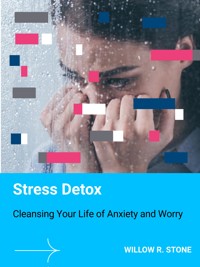
Are you struggling with stress and anxiety, feeling overwhelmed by the demands of your everyday life? "Stress Detox: Cleansing Your Life of Anxiety and Worry" is the ultimate guide to help you break free from the grip of stress and restore balance in your life. This comprehensive book offers practical strategies, tools, and techniques to regain control of your mental well-being and live a more peaceful, joyful life.
With "Stress Detox," you'll explore the following life-changing chapters:
The Science of Stress and Anxiety: Understand the root causes and effects on your body and mind
Mindfulness and Meditation: Learn the power of presence to help manage stress and anxiety
The Role of Nutrition: Discover how a balanced diet can contribute to stress relief and mental well-being
Physical Activity and Stress Reduction: Uncover the benefits of exercise in alleviating stress and anxiety
Sleep and Relaxation: Learn to prioritize rest and relaxation for optimal stress management
Emotional Intelligence: Develop your ability to navigate your emotions and deal with stress effectively • Social Support and Connection: Foster meaningful relationships to help buffer stress and anxiety
Time Management: Master the art of balancing your personal, professional, and social life
Cognitive-Behavioral Techniques: Challenge negative thinking patterns and develop healthy coping mechanisms
Setting Boundaries: Assert your needs and learn to say no for a more balanced life
Self-Compassion and Self-Care: Cultivate a loving relationship with yourself to overcome stress
Resilience and Adaptability: Strengthen your ability to bounce back from life's challenges
Creating a Stress-Free Environment: Design your surroundings to promote relaxation and tranquility
The Power of Gratitude: Shift your perspective to focus on the positives in life
Filled with actionable advice and real-life examples, "Stress Detox: Cleansing Your Life of Anxiety and Worry" is your essential guide to a calmer, happier, and more balanced life. Whether you're struggling with occasional anxiety or experiencing chronic stress, this book will provide you with the tools to overcome the challenges and live your best life. Say goodbye to stress and anxiety, and start your journey towards a stress-free life today!
Das E-Book können Sie in Legimi-Apps oder einer beliebigen App lesen, die das folgende Format unterstützen:
Veröffentlichungsjahr: 2023
Ähnliche















Created by BornIncredible.com
All rights reserved.
Copyright © 2005 onwards .
By reading this book, you agree to the below Terms and Conditions.
BornIncredible.com retains all rights to these products.
No part of this book may be reproduced in any form, by photostat, microfilm, xerography, or any other means, or incorporated into any information retrieval system, electronic or mechanical, without the written permission of BornIncredible.com; exceptions are made for brief excerpts used in published reviews.
This publication is designed to provide accurate and authoritative information with regard to the subject matter covered. It is sold with the understanding that the publisher is not engaged in rendering legal, accounting, health, relationship or other professional / personal advice. If legal advice or other expert assistance is required, the services of a competent professional should be sought.
A New Zealand Made Product
Get A Free Book At: BornIncredible.com/free-book-offer/
Table of Contents
Understanding Anxiety and Stress
The science behind anxiety and stress
Common symptoms and manifestations
The role of genetics and environment
The Mind-Body Connection
How stress and anxiety affect physical health
The impact of thoughts and emotions on stress levels
Techniques for managing physical symptoms of anxiety
Developing a Healthy Mindset
Challenging negative thoughts and beliefs
Building resilience and emotional strength
Cultivating self-compassion and acceptance
Mindfulness and Meditation
The benefits of mindfulness practice
Different types of meditation techniques
Incorporating mindfulness into daily life
Breathing and Relaxation Techniques
The importance of proper breathing
Progressive muscle relaxation
Visualization and guided imagery
The Power of Exercise and Movement
The impact of physical activity on mental health
Choosing the right type of exercise for you
Incorporating movement throughout the day
Nutrition and Mental Health
The role of diet in managing anxiety and stress
Foods that help reduce anxiety
The importance of hydration and balanced meals
Sleep and Anxiety
The impact of sleep on mental health
Establishing a healthy sleep routine
Tips for overcoming sleep difficulties
Time Management and Prioritization
Effective strategies for managing time
Setting realistic goals and expectations
Dealing with procrastination and overwhelm
Building a Support Network
The importance of social connections
Communicating your needs and boundaries
Finding professional help and resources
Developing Coping Skills
Identifying and utilizing personal strengths
Strategies for managing stress in the moment
Overcoming avoidance and facing fears
Managing Work-Related Stress
Creating a healthy work-life balance
Dealing with workplace stressors and conflict
Strategies for effective communication and collaboration
Financial Stress and Anxiety
Identifying financial stressors and triggers
Developing a plan for financial stability
Seeking professional help and resources
Relationships and Anxiety
Navigating relationship stress and conflict
Building healthy communication skills
Establishing and maintaining boundaries
Parenting and Anxiety
Managing stress as a parent
Supporting your child's mental health
Balancing self-care with parenting responsibilities
Managing Social Anxiety
Overcoming fear of social situations
Building social confidence and skills
Navigating social media and technology
Coping with Change and Uncertainty
Embracing life transitions and challenges
Developing a flexible mindset
Strategies for managing unexpected stressors
Overcoming Perfectionism and Self-Criticism
Identifying perfectionist tendencies
Challenging unrealistic expectations
Developing self-compassion and self-acceptance
Building Self-Esteem and Confidence
Recognizing personal achievements and strengths
Overcoming self-doubt and negative self-talk
Steps to boost self-confidence and self-worth
The Role of Spirituality and Personal Beliefs
Exploring personal values and beliefs
Incorporating spirituality or faith into stress management
The power of gratitude and forgiveness
Creative Outlets for Stress and Anxiety
The benefits of creativity for mental health
Different forms of creative expression
Incorporating creativity into your daily life
The Importance of Laughter and Play
The science of laughter and its benefits
Incorporating play and fun into your life
Developing a sense of humor to manage stress
Mindful Technology Use
The impact of technology on anxiety and stress
Strategies for mindful technology use
Establishing digital boundaries and detox routines
The Power of Nature and the Outdoors
The benefits of spending time in nature
Incorporating outdoor activities into your routine
Mindfulness practices for connecting with nature
Establishing and Maintaining Healthy Habits
Identifying and breaking unhealthy patterns
Creating a daily routine for stress management
Staying motivated and accountable in your self-care journey
Relapse Prevention and Long-Term Success
Recognizing signs of increased anxiety and stress
Developing a plan for managing setbacks
Celebrating progress and maintaining momentum
Integrating Practices for a Balanced Life
The importance of a holistic approach to stress management
Creating a personalized stress reduction plan
Embracing lifelong growth and self-improvement
Have Questions / Comments?
Get Another Book Free
Understanding Anxiety and Stress
Anxiety and stress are common emotions that we all experience at some point in our lives. While these feelings can be helpful in certain situations, such as during a job interview or when facing a deadline, they can also become overwhelming and debilitating. Understanding the causes and symptoms of anxiety and stress can help us manage these emotions and lead healthier, happier lives.
Anxiety is a natural response to perceived threats or danger. It is a feeling of unease, apprehension, or worry that can range from mild to severe. When anxiety becomes excessive, it can interfere with our daily lives and cause significant distress. Some of the most common symptoms of anxiety include increased heart rate, sweating, trembling, and rapid breathing. People with anxiety may also experience difficulty sleeping, irritability, and difficulty concentrating.
Stress, on the other hand, is a response to a real or perceived threat. It is the body's natural way of preparing for a potentially dangerous situation. Stress can be caused by a variety of factors, including work, relationships, finances, and health concerns. Like anxiety, stress can range from mild to severe and can have a significant impact on our lives. Some common symptoms of stress include headaches, muscle tension, fatigue, and difficulty sleeping.
One of the key differences between anxiety and stress is the trigger. Anxiety is often caused by internal factors, such as irrational thoughts or fears, while stress is typically caused by external factors, such as a demanding job or a difficult relationship. However, the two emotions are closely related, and chronic stress can lead to anxiety.
There are several different types of anxiety disorders, each with its own set of symptoms and triggers. Generalized anxiety disorder (GAD) is characterized by excessive worry and anxiety about everyday events and activities. Panic disorder is characterized by sudden and unexpected panic attacks, while social anxiety disorder is characterized by a fear of social situations and interactions.
Post-traumatic stress disorder (PTSD) is another type of anxiety disorder that can develop after experiencing or witnessing a traumatic event. Symptoms of PTSD can include flashbacks, nightmares, and a sense of emotional numbness or detachment.
While anxiety and stress can be difficult to manage, there are several effective treatments available. Cognitive-behavioral therapy (CBT) is a type of therapy that can help people identify and change negative thought patterns and behaviors. Medications such as selective serotonin reuptake inhibitors (SSRIs) can also be effective in treating anxiety and stress.
In addition to professional treatment, there are several lifestyle changes that can help reduce anxiety and stress. Exercise is a natural stress reliever and can help improve mood and sleep quality. Meditation and mindfulness techniques can also be helpful in managing anxiety and stress by promoting relaxation and mental clarity.
Proper self-care is also important in managing anxiety and stress. Eating a healthy diet, getting enough sleep, and avoiding alcohol and drugs can all help reduce stress and anxiety levels.
The science behind anxiety and stress
Anxiety and stress are complex emotional states that can have a significant impact on our physical and mental health. While everyone experiences anxiety and stress at some point in their lives, the causes and effects of these emotions can vary widely. In recent years, researchers have made significant strides in understanding the science behind anxiety and stress, shedding light on the underlying mechanisms that contribute to these emotional states.
At its core, anxiety is a response to perceived threat or danger. When we feel threatened, our brains activate the "fight or flight" response, which triggers a surge of hormones such as adrenaline and cortisol. These hormones prepare us to respond to the threat, whether by fighting or running away. While this response can be helpful in certain situations, such as when we need to escape from danger, it can also be triggered by perceived threats that are not actually dangerous, such as social situations or public speaking.
Research has shown that the amygdala, a small almond-shaped structure in the brain, plays a critical role in the development of anxiety. The amygdala is responsible for processing emotional stimuli, including fear and threat, and is activated when we perceive danger. In people with anxiety disorders, the amygdala may be hyperactive, leading to a heightened sense of threat and anxiety in response to situations that are not actually dangerous.
Stress, on the other hand, is a response to a real or perceived threat or challenge. When we encounter stressors, such as a work deadline or a difficult relationship, our brains release stress hormones such as cortisol and norepinephrine. These hormones help us to respond to the stressor by increasing heart rate, blood pressure, and respiration.
While stress is a normal and often helpful response, chronic stress can have serious health consequences. Prolonged exposure to stress hormones can lead to a range of physical and mental health problems, including high blood pressure, heart disease, depression, and anxiety disorders.
One of the most promising areas of research in the science of anxiety and stress is the study of the gut-brain axis. The gut-brain axis refers to the complex communication system between the brain and the digestive system. Research has shown that the microbes in our gut play a critical role in regulating mood, stress, and anxiety.
The gut microbiome is a complex ecosystem of bacteria, viruses, and fungi that live in our digestive tract. These microbes produce a variety of chemicals, including neurotransmitters such as serotonin and GABA, which are critical for regulating mood and anxiety.
Studies have shown that disruptions to the gut microbiome, such as those caused by antibiotic use or a poor diet, can lead to an increase in anxiety and stress. Conversely, interventions that promote a healthy gut microbiome, such as probiotics and a high-fiber diet, have been shown to reduce anxiety and improve mood.
Another area of research in the science of anxiety and stress is the study of the brain-gut axis. This refers to the complex bidirectional communication system between the brain and the digestive system. Studies have shown that stress and anxiety can disrupt the functioning of the gut, leading to a range of digestive problems such as irritable bowel syndrome (IBS).
Conversely, digestive problems such as IBS can also lead to anxiety and stress. The exact mechanisms underlying this bidirectional relationship are still being studied, but researchers believe that the gut-brain axis plays a critical role in regulating both mood and digestion.
In addition to the gut-brain axis, there are several other factors that can contribute to anxiety and stress. These include genetics, environment, and life experiences. People who have a family history of anxiety or other mental health disorders may be more likely to develop anxiety themselves. Environmental factors such as exposure to trauma or chronic stress can also increase the risk of developing anxiety and stress.
Life experiences such
Common symptoms and manifestations
Anxiety and stress are common emotional states that we all experience at some point in our lives. While these emotions can be helpful in certain situations, they can also become overwhelming and debilitating. Understanding the common symptoms and manifestations of anxiety and stress can help us identify and manage these emotions more effectively.
Anxiety can manifest in a variety of ways, both physically and mentally. One of the most common symptoms of anxiety is excessive worry and fear, often about everyday events or activities. People with anxiety may also experience irritability, difficulty concentrating, and a sense of restlessness or unease.
Physically, anxiety can cause a range of symptoms, including increased heart rate, sweating, trembling, and rapid breathing. People with anxiety may also experience stomach problems such as nausea and diarrhea, as well as muscle tension and headaches.
In more severe cases, anxiety can lead to panic attacks. Panic attacks are sudden and intense episodes of fear and anxiety that can be overwhelming and debilitating. Symptoms of a panic attack can include heart palpitations, sweating, shaking, and a sense of impending doom or danger.
Stress can also manifest in a variety of ways, both physically and mentally. People who are experiencing stress may feel overwhelmed, irritable, and fatigued. They may also have difficulty sleeping and concentrating, and may experience changes in appetite and weight.
Physically, stress can cause a range of symptoms, including headaches, muscle tension, and digestive problems. People who are experiencing chronic stress may also be more susceptible to illnesses such as colds and flu, as stress can weaken the immune system.
In addition to these common symptoms, anxiety and stress can also have a significant impact on our behavior and relationships. People with anxiety may avoid social situations or interactions, leading to feelings of isolation and loneliness. They may also engage in behaviors such as excessive reassurance-seeking or avoidance, which can further exacerbate their symptoms.
Similarly, people who are experiencing stress may become more irritable and short-tempered, leading to conflicts with friends and family members. They may also engage in behaviors such as overeating, drinking, or drug use as a way to cope with their stress.
One of the key challenges in managing anxiety and stress is recognizing when these emotions have become problematic. While everyone experiences anxiety and stress at some point in their lives, these emotions can become debilitating when they interfere with our daily lives and relationships.
If you are experiencing symptoms of anxiety or stress, it is important to seek help from a mental health professional. A therapist or counselor can work with you to identify the underlying causes of your anxiety or stress and develop effective coping strategies.
In addition to professional treatment, there are several self-care strategies that can help manage anxiety and stress. Regular exercise is one of the most effective ways to reduce stress and anxiety levels, as it releases endorphins and promotes relaxation. Mindfulness and meditation techniques can also be helpful in managing anxiety and stress by promoting relaxation and mental clarity.
Proper self-care is also important in managing anxiety and stress. Eating a healthy diet, getting enough sleep, and avoiding alcohol and drugs can all help reduce stress and anxiety levels. It is also important to engage in activities that bring you joy and fulfillment, such as hobbies or spending time with loved ones.
The role of genetics and environment
Anxiety and stress are complex emotional states that can have a significant impact on our physical and mental health. While everyone experiences these emotions at some point in their lives, the causes and effects of anxiety and stress can vary widely. Two key factors that contribute to anxiety and stress are genetics and environment.
Genetics plays a significant role in the development of anxiety and stress. Research has shown that certain genetic variations can increase the risk of developing anxiety and stress disorders. For example, a gene called COMT has been linked to increased risk of anxiety and stress, while a gene called BDNF has been linked to decreased risk.
However, genetics is not the only factor that contributes to anxiety and stress. Environment also plays a significant role. Studies have shown that exposure to stressful or traumatic events, such as abuse or neglect, can increase the risk of developing anxiety and stress disorders.
Other environmental factors that can contribute to anxiety and stress include poverty, discrimination, and social isolation. People who live in poverty or who experience discrimination may be more likely to experience chronic stress, which can increase the risk of developing anxiety and stress disorders.
In addition to these environmental factors, personality and life experiences can also play a role in the development of anxiety and stress. People who have a history of trauma or abuse may be more susceptible to anxiety and stress, as may those who have a history of depression or other mental health disorders.
While genetics and environment both contribute to the development of anxiety and stress, the relationship between the two is complex. Studies have shown that genetics can interact with environmental factors to increase the risk of developing anxiety and stress disorders.
For example, a study of children who had experienced trauma found that those with a genetic variation associated with anxiety were more likely to develop post-traumatic stress disorder (PTSD) than those without the genetic variation. Similarly, a study of twins found that genetics played a larger role in the development of anxiety disorders in people who had experienced stressful life events.
While genetics and environment both play a role in the development of anxiety and stress, it is important to note that not everyone who is exposed to environmental stressors or has a genetic predisposition will develop these disorders. Other factors, such as coping strategies and social support, can also play a significant role in determining whether someone develops anxiety and stress.
One of the challenges in treating anxiety and stress is identifying the underlying causes. While therapy and medication can be effective in treating these disorders, it is important to address both the genetic and environmental factors that contribute to their development.
For people who have a genetic predisposition to anxiety and stress, early intervention may be key in preventing the onset of these disorders. This may involve identifying and addressing stressful life events, as well as providing support and education to help individuals cope with their emotions.
For people who have experienced traumatic events or other environmental stressors, therapy can be an effective way to manage anxiety and stress. Cognitive-behavioral therapy (CBT), in particular, has been shown to be effective in treating anxiety disorders by helping people identify and change negative thought patterns and behaviors.
In addition to professional treatment, there are several self-care strategies that can help manage anxiety and stress. Regular exercise is one of the most effective ways to reduce stress and anxiety levels, as it releases endorphins and promotes relaxation. Mindfulness and meditation techniques can also be helpful in managing anxiety and stress by promoting relaxation and mental clarity.
Proper self-care is also important in managing anxiety and stress. Eating a healthy diet, getting enough sleep, and avoiding alcohol and drugs can all help reduce stress and anxiety levels. It is also important to engage in activities that bring you joy and fulfillment, such as hobbies or spending time with loved ones.
The Mind-Body Connection
Anxiety and stress are complex emotional states that can have a significant impact on our physical and mental health. While these emotions are often thought of as purely mental or emotional experiences, there is a growing body of research that suggests a strong connection between the mind and body in the experience of anxiety and stress.
At its core, the mind-body connection refers to the interdependence of our thoughts, emotions, and physical health. Research has shown that our thoughts and emotions can have a significant impact on our physical health, and vice versa.
One of the most compelling areas of research in the mind-body connection is the study of stress. Stress is a natural and often helpful response to a real or perceived threat. However, when stress becomes chronic or overwhelming, it can have serious health consequences.
Studies have shown that chronic stress can lead to a range of physical health problems, including high blood pressure, heart disease, and digestive problems. Stress can also have a significant impact on our mental health, contributing to anxiety and depression.
One of the key mechanisms underlying the connection between stress and physical health is the release of stress hormones such as cortisol and adrenaline. These hormones can have a range of effects on the body, including increasing heart rate and blood pressure, suppressing the immune system, and affecting digestion.
However, the mind-body connection is not limited to the impact of stress on physical health. Research has also shown that our thoughts and emotions can have a significant impact on the way we experience pain.
For example, studies have shown that mindfulness meditation can be effective in reducing chronic pain. By helping people focus on the present moment and accept their pain without judgment, mindfulness meditation can reduce the perceived intensity of pain and improve overall quality of life.
Similarly, studies have shown that the placebo effect, in which people experience a benefit from a treatment even when it does not contain an active ingredient, can be a powerful example of the mind-body connection. The placebo effect is thought to be mediated by the release of endorphins and other natural painkillers in the brain.
In addition to pain, the mind-body connection can also play a role in the development and management of anxiety and stress. Research has shown that negative thought patterns and emotional states can contribute to the development of anxiety and stress disorders.
For example, people with anxiety disorders may engage in excessive worry and rumination, which can contribute to feelings of unease and restlessness. Similarly, people with stress disorders may experience a sense of overwhelm and helplessness, which can lead to feelings of depression and anxiety.
However, the mind-body connection can also be a powerful tool in managing anxiety and stress. Techniques such as mindfulness meditation, yoga, and deep breathing exercises have been shown to be effective in reducing anxiety and stress levels by promoting relaxation and mental clarity.
In addition, therapies such as cognitive-behavioral therapy (CBT) and acceptance and commitment therapy (ACT) can help people identify and change negative thought patterns and behaviors that contribute to anxiety and stress.
How stress and anxiety affect physical health
Stress and anxiety are common emotional states that can have a significant impact on our physical health. While these emotions are often thought of as purely mental or emotional experiences, research has shown that they can have a range of physical health consequences.
One of the most significant ways in which stress and anxiety affect physical health is through the release of stress hormones such as cortisol and adrenaline. These hormones are released in response to a real or perceived threat, and can have a range of effects on the body.
In the short term, the release of stress hormones can be helpful in allowing us to respond to a threat or danger. For example, the "fight or flight" response that is triggered by the release of stress hormones can help us respond quickly and effectively to a dangerous situation.
However, when stress becomes chronic or overwhelming, the constant release of stress hormones can have serious health consequences. Studies have shown that chronic stress can lead to a range of physical health problems, including high blood pressure, heart disease, and digestive problems.
One of the key ways in which stress can affect physical health is through its impact on the immune system. The release of stress hormones can suppress the immune system, making it harder for the body to fight off infections and illnesses.
In addition to its impact on the immune system, stress can also affect the cardiovascular system. Studies have shown that chronic stress can lead to high blood pressure, which can increase the risk of heart disease and stroke.
Stress can also have a significant impact on the digestive system. The release of stress hormones can cause the muscles of the digestive tract to contract, leading to stomach cramps and diarrhea. Chronic stress has also been linked to a range of digestive problems, including irritable bowel syndrome (IBS) and acid reflux.
Anxiety can also have a significant impact on physical health. People with anxiety disorders may experience a range of physical symptoms, including increased heart rate, sweating, and muscle tension. In addition, anxiety can contribute to a range of physical health problems, including headaches, migraines, and chronic pain.
One of the key ways in which anxiety affects physical health is through its impact on sleep. People with anxiety disorders may experience difficulty falling asleep or staying asleep, which can lead to fatigue and other physical health problems.
In addition to its impact on sleep, anxiety can also affect the immune system. People with anxiety disorders may be more susceptible to infections and illnesses, as anxiety can suppress the immune system.
Anxiety can also contribute to a range of cardiovascular problems. Studies have shown that people with anxiety disorders may be at higher risk for heart disease and stroke, as anxiety can lead to high blood pressure and other cardiovascular problems.
In addition to its impact on physical health, anxiety and stress can also affect mental health. People with anxiety and stress disorders may experience feelings of depression and hopelessness, and may be more susceptible to other mental health problems.
Managing stress and anxiety is key to promoting physical and mental health. Techniques such as mindfulness meditation, yoga, and deep breathing exercises have been shown to be effective in reducing anxiety and stress levels by promoting relaxation and mental clarity.
In addition, therapies such as cognitive-behavioral therapy (CBT) and acceptance and commitment therapy (ACT) can help people identify and change negative thought patterns and behaviors that contribute to anxiety and stress.
Proper self-care is also important in managing anxiety and stress. Eating a healthy diet, getting enough sleep, and avoiding alcohol and drugs can all help reduce stress and anxiety levels. It is also important to engage in activities that bring you joy and fulfillment, such as hobbies or spending time with loved ones.
The impact of thoughts and emotions on stress levels
Stress is a natural and often helpful response to a real or perceived threat. However, when stress becomes chronic or overwhelming, it can have serious health consequences. One of the key factors that contribute to stress is our thoughts and emotions.
Negative thought patterns and emotional states can contribute to the development of anxiety and stress disorders. For example, people with anxiety disorders may engage in excessive worry and rumination, which can contribute to feelings of unease and restlessness. Similarly, people with stress disorders may experience a sense of overwhelm and helplessness, which can lead to feelings of depression and anxiety.
One of the key ways in which our thoughts and emotions can impact stress levels is through the release of stress hormones such as cortisol and adrenaline. These hormones are released in response to a real or perceived threat, and can have a range of effects on the body.
Negative thoughts and emotions can trigger the release of stress hormones, leading to increased heart rate, blood pressure, and muscle tension. Over time, chronic stress can lead to a range of physical health problems, including high blood pressure, heart disease, and digestive problems.
In addition to its impact on physical health, chronic stress can also have a significant impact on mental health. People with anxiety and stress disorders may experience feelings of depression and hopelessness, and may be more susceptible to other mental health problems.
However, by changing our thoughts and emotions, we can reduce stress levels and promote overall health and wellbeing. One of the most effective ways to manage stress is through mindfulness meditation.
Mindfulness meditation involves focusing on the present moment and accepting our thoughts and emotions without judgment. By practicing mindfulness, we can learn to identify and change negative thought patterns and emotional states that contribute to stress.
Studies have shown that mindfulness meditation can be effective in reducing anxiety and stress levels, as well as improving overall quality of life. By promoting relaxation and mental clarity, mindfulness meditation can help us manage stress more effectively and lead healthier, happier lives.
Another effective way to manage stress is through cognitive-behavioral therapy (CBT). CBT is a type of therapy that focuses on identifying and changing negative thought patterns and behaviors that contribute to anxiety and stress.
By working with a therapist, we can learn to identify and challenge negative thoughts and beliefs, and develop new coping strategies for managing stress. Studies have shown that CBT can be effective in reducing anxiety and stress levels, as well as improving overall mental health.
Proper self-care is also important in managing stress levels. Eating a healthy diet, getting enough sleep, and engaging in regular exercise can all help reduce stress levels and promote overall health and wellbeing. It is also important to engage in activities that bring us joy and fulfillment, such as hobbies or spending time with loved ones.
Techniques for managing physical symptoms of anxiety
Anxiety is a common emotional state that can have a range of physical symptoms, including increased heart rate, sweating, and muscle tension. These physical symptoms can be distressing and can contribute to feelings of anxiety and stress.
Fortunately, there are a range of techniques that can be effective in managing the physical symptoms of anxiety. By learning to manage these symptoms, we can reduce feelings of anxiety and stress and promote overall health and wellbeing.
One of the most effective techniques for managing physical symptoms of anxiety is deep breathing. Deep breathing exercises involve taking slow, deep breaths in through the nose and out through the mouth. By focusing on our breath, we can calm our body and reduce physical symptoms of anxiety.
Another effective technique for managing physical symptoms of anxiety is progressive muscle relaxation. Progressive muscle relaxation involves tensing and then releasing each muscle group in the body, one at a time. By releasing tension in our muscles, we can reduce physical symptoms of anxiety and promote relaxation.
Exercise can also be effective in managing physical symptoms of anxiety. Exercise releases endorphins, natural chemicals in the body that can promote feelings of happiness and wellbeing. In addition, exercise can reduce muscle tension and promote overall physical health.
Yoga is another effective technique for managing physical symptoms of anxiety. Yoga combines physical postures with deep breathing and meditation, promoting relaxation and mental clarity. Studies have shown that yoga can be effective in reducing anxiety and stress levels, as well as improving overall mental health.
Massage therapy can also be effective in managing physical symptoms of anxiety. Massage therapy can reduce muscle tension and promote relaxation, reducing physical symptoms of anxiety. In addition, massage therapy can promote overall physical health and wellbeing.
Acupuncture is another technique that can be effective in managing physical symptoms of anxiety. Acupuncture involves inserting thin needles into specific points on the body, promoting relaxation and reducing physical symptoms of anxiety. Studies have shown that acupuncture can be effective in reducing anxiety and stress levels, as well as improving overall physical health.
In addition to these techniques, it is also important to engage in proper self-care. Eating a healthy diet, getting enough sleep, and avoiding alcohol and drugs can all help reduce stress and anxiety levels. It is also important to engage in activities that bring us joy and fulfillment, such as hobbies or spending time with loved ones.




