


1,99 €
Mehr erfahren.
- Herausgeber: Carla Aira
- Kategorie: Gesellschafts- und Liebesromane
- Sprache: Englisch
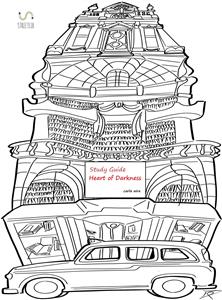
Study Guide… is a collection of notes that introduce students – and not only students – to poems, novels or plays written in English. They facilitate learning supplying the most important information about literary works and so fostering their comprehension. The first part of the study guide about Heart of Darkness includes the historical, social and literary background of the period in which the book is written, and some biographical notes about the author, Joseph Conrad. The second part focuses on the work and deals with sources, setting, characters, commentary, critical approach, possible adaptations for theatre, cinema or television and further notes.
Das E-Book können Sie in Legimi-Apps oder einer beliebigen App lesen, die das folgende Format unterstützen:
Veröffentlichungsjahr: 2016
Ähnliche











carla aira
Hints for Reading ... Heart of Darkness by Joseph Conrad
notes by carla aira
Between two centuries
historical scene
Lesen Sie weiter in der vollständigen Ausgabe!
Lesen Sie weiter in der vollständigen Ausgabe!
Lesen Sie weiter in der vollständigen Ausgabe!
Lesen Sie weiter in der vollständigen Ausgabe!
Lesen Sie weiter in der vollständigen Ausgabe!
Lesen Sie weiter in der vollständigen Ausgabe!
Lesen Sie weiter in der vollständigen Ausgabe!
Lesen Sie weiter in der vollständigen Ausgabe!
Lesen Sie weiter in der vollständigen Ausgabe!
Lesen Sie weiter in der vollständigen Ausgabe!
Lesen Sie weiter in der vollständigen Ausgabe!
Lesen Sie weiter in der vollständigen Ausgabe!
Lesen Sie weiter in der vollständigen Ausgabe!
Lesen Sie weiter in der vollständigen Ausgabe!
Lesen Sie weiter in der vollständigen Ausgabe!




