


Erhalten Sie Zugang zu diesem und mehr als 300000 Büchern ab EUR 5,99 monatlich.
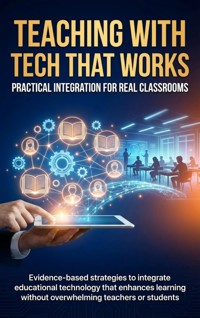
Technology in the classroom should make teaching more effective, not more complicated. This practical guide shows educators how to integrate digital tools strategically—choosing what works, implementing it smoothly, and measuring real learning outcomes. You'll learn how to select appropriate technology for different learning objectives, design lessons that blend digital and traditional methods effectively, manage classroom technology without technical chaos, assess which tools actually improve student engagement and comprehension, and avoid common pitfalls that waste time and resources. This isn't about using every new app or gadget—it's about making informed decisions that serve your students. Through clear frameworks, real classroom examples, and step-by-step implementation strategies, you'll discover how to use technology as a powerful teaching tool rather than a distraction. From basic digital literacy integration to flipped classrooms and interactive assessments, this guide covers practical applications across subjects and grade levels. You'll understand when to use technology, when traditional methods work better, and how to create a balanced approach that prepares students for the future while keeping learning at the center. For teachers seeking confidence with classroom technology, administrators planning EdTech integration, and educators who want technology to enhance rather than replace good teaching.
Sie lesen das E-Book in den Legimi-Apps auf:
Seitenzahl: 215
Veröffentlichungsjahr: 2026
Das E-Book (TTS) können Sie hören im Abo „Legimi Premium” in Legimi-Apps auf:
Ähnliche



















Table of Contents
Chapter 1: Understanding Educational Technology
Defining Educational Technology
The Transformative Role of Technology in Classrooms
Addressing Common Misconceptions
The Benefits of Thoughtful Integration
Balancing Technology and Traditional Methods
Understanding the Learning Outcomes
Chapter 2: Identifying Learning Objectives
Understanding Learning Objectives
Aligning Technology with Objectives
Assessing Student Needs
Creating Measurable Outcomes
Common Pitfalls in Setting Objectives
The Role of Reflection
Chapter 3: Selecting the Right Tools
Understanding Educational Needs
Evaluating Educational Technology
Aligning Tools with Learning Outcomes
Balancing Technology and Traditional Learning
Training and Support for Educators
Monitoring and Evaluating Impact
Chapter 4: Designing Blended Learning Experiences
Understanding Blended Learning
Designing Integrated Lesson Plans
Engaging Learners through Technology
Balancing Digital and Traditional Methods
Chapter 5: Managing Technology in the Classroom
Establishing Clear Expectations for Technology Use
Classroom Management Strategies for Technology
Troubleshooting Common Technology Issues
Balancing Technology with Traditional Methods
Chapter 6: Measuring Learning Outcomes
Understanding Learning Outcomes
Tools for Measuring Impact
Analyzing Data Effectively
Making Adjustments Based on Findings
Balancing Qualitative and Quantitative Measures
Case Studies of Effective Assessment Practices
Chapter 7: Overcoming Resistance to Technology
Understanding Resistance to Technology
Building Confidence in Educators
Fostering a Culture of Innovation
Addressing Common Concerns
Collaborating with Stakeholders
Chapter 8: Interactive Assessments and Feedback
The Importance of Interactive Assessments
Selecting the Right Interactive Tools
Incorporating Interactive Assessments into the Curriculum
Analyzing Assessment Data for Improvement
Chapter 9: Implementing a Flipped Classroom Model
Understanding the Flipped Classroom
Curating Content for At-Home Learning
Designing Engaging In-Class Activities
Overcoming Common Challenges
Chapter 10: Building Digital Literacy in Students
Understanding Digital Literacy
Integrating Digital Literacy Across Subjects
Building Digital Communication Skills
Promoting Critical Thinking in Digital Contexts
Assessing Digital Literacy Skills
Building a Supportive Learning Environment
Chapter 11: Collaborative Learning with Technology
Importance of Collaborative Learning
Digital Tools to Facilitate Collaboration
Designing Collaborative Projects with Technology
Assessing Collaborative Learning Outcomes
Chapter 12: Evolving with Technology Trends
Understanding Current Technology Trends in Education
Evaluating New Tools for Classroom Integration
Implementing Technology Without Disruption
Enhancing Learning through Interactive Assessments
Chapter 13: Case Studies of Successful Integration
Innovative Use of Interactive Whiteboards
Flipped Classroom Success in Math
Integrating Gamification in Language Arts
Utilizing Online Collaboration Tools
Chapter 14: Maintaining a Balance: Tech vs. Tradition
Understanding the Role of Technology in Education
Identifying Appropriate Technology for Classroom Use
Designing Balanced Lessons
Managing Technology in the Classroom
Assessing the Impact of Technology on Learning
Chapter 15: Professional Development for Educators
Importance of Ongoing Professional Development
Types of Professional Development Opportunities
Building a Tech-Savvy Educator Community
Leveraging External Resources
Chapter 16: Creating a Vision for Future Tech Integration
Reflecting on Past Integration Efforts
Setting Clear Goals for Tech Integration
Engaging Stakeholders in the Vision
Training and Support for Effective Integration
Evaluating and Adjusting the Vision
Putting it All Together: Your Path to Effective Tech Integration
Chapter 1: Understanding Educational Technology
In this chapter, we will explore the definition of educational technology and its transformative role in modern classrooms. We aim to clarify how technology can enhance learning experiences while also addressing common misconceptions that it complicates teaching. Readers will gain foundational knowledge that will set the stage for practical applications throughout the eBook.
Defining Educational Technology
To start our journey, we must first define what educational technology means. This section clarifies its scope, covering both hardware and software, and emphasizes how it fits into the educational landscape.
Educational technology encompasses tools that enhance learning.
Educational technology refers to a broad spectrum of tools and resources designed to facilitate learning and improve educational outcomes. At its core, it involves the integration of technology into the learning environment, aiming to create more effective teaching strategies. These tools can range from simple devices like projectors and smartboards to sophisticated software platforms that deliver personalized learning experiences. The goal is to enhance engagement and comprehension, allowing students to master content more effectively.
By leveraging these tools, educators can create interactive and dynamic learning experiences that cater to diverse learning styles. Moreover, the focus should remain on enhancing student learning rather than merely incorporating technology for its own sake. Therefore, it is imperative for educators to understand which tools best serve their educational goals and how they can be used to support the learning process without overwhelming students or complicating the teaching experience.
It includes both digital and non-digital resources, from computers to curriculum software.
Educational technology spans both digital and non-digital resources, highlighting its versatile nature. Examples of digital resources include computers, tablets, interactive applications, and various software platforms designed for educational purposes. On the other hand, non-digital resources can include visual aids, textbooks, and other traditional teaching materials that complement digital offerings. This blend helps educators create a comprehensive approach to teaching.
Understanding the variety of resources available allows educators to mix traditional methods with innovative digital tools, ensuring that students are well-rounded in their learning experiences. For instance, using digital simulations alongside hands-on experiments can deepen understanding while keeping students engaged. This holistic view of educational technology encourages teachers to be creative in their lesson designs, ultimately enhancing the classroom learning environment.
Understanding the scope helps educators choose suitable tools for specific learning goals.
Familiarity with the scope of educational technology equips educators to make informed decisions about what tools to incorporate into their teaching practices. Different learning objectives, such as collaborative projects, individualized instruction, or assessment techniques, benefit from specific technologies. Recognizing this allows teachers to select tools that align with their desired outcomes, ensuring that the chosen technology effectively supports the curriculum.
An informed choice enhances the likelihood of achieving successful learning experiences. For example, if the goal is to improve student collaboration, tools like Google Workspace or digital discussion boards could be ideal. Conversely, for skills that require mastery through practice, educational games and adaptive learning software may be more appropriate. This targeted approach makes the integration of technology purposeful and aligned with educational goals.
Technological integration is not just about devices but also instructional practices that utilize them.
Effective technological integration goes beyond merely having access to devices; it involves rethinking instructional practices to fully exploit the potential of these tools. Teachers must be adept at blending digital resources with pedagogical strategies that facilitate active learning. This means using technology to foster engagement, encourage collaboration, and create opportunities for hands-on experience.
For instance, a flipped classroom model leverages technology by having students engage with instructional content at home, allowing in-class time to be spent on interactive activities. This approach not only empowers students to learn at their own pace but also enhances teacher-student interaction in the classroom. By focusing on instructional practices that utilize technology effectively, educators can amplify the benefits of their resources and significantly enhance the learning experience.
The Transformative Role of Technology in Classrooms
This section focuses on how educational technology transforms learning environments. We will explore its potential benefits and highlight real-life examples of successful integration.
Technology can personalize learning experiences through adaptive tools.
Personalization is a significant advantage of educational technology, particularly through adaptive learning tools. These tools analyze student performance in real-time, adjusting the difficulty and type of content presented based on each student's individual learning needs. For instance, platforms like DreamBox and IXL utilize data analytics to create customized learning paths that challenge students at their own pace.
This tailored approach not only fosters a greater sense of ownership over the learning process but also addresses the unique abilities and challenges of each student. Educators can use these insights to identify areas where students may struggle, allowing for timely intervention and support. Personalized learning experiences lead to higher engagement levels, as students become more invested in their learning journey.
Ultimately, when technology is leveraged correctly, it transforms the traditional, one-size-fits-all approach to teaching into a more inclusive and responsive educational environment.
Collaborative platforms foster student engagement and teamwork.
In today’s learning landscape, collaborative platforms are essential for promoting student engagement and teamwork. Tools such as Google Classroom, Padlet, and Microsoft Teams enable students to work together in real time, regardless of their physical location. These platforms facilitate brainstorming sessions, group projects, and peer feedback, encouraging a sense of community within the classroom.
By utilizing these collaborative tools, educators can foster an environment where students feel comfortable sharing ideas, discussing different perspectives, and learning from one another. Furthermore, these digital platforms help develop essential 21st-century skills, such as communication and problem-solving, which are vital in today’s workforce.
The integration of collaborative technology not only enhances the learning experience but also prepares students for a future that increasingly values teamwork and collaboration.
Access to a vast array of resources enhances research and learning opportunities.
One of the most significant benefits of educational technology is the access it provides to a wealth of resources that enrich the learning experience. The internet hosts an endless array of educational materials, including articles, videos, and simulations that cater to various subjects and grade levels. Tools such as Khan Academy and Edmodo offer curated content that supports active inquiry and research.
This abundance of resources allows students to explore topics in greater depth, facilitating a more comprehensive understanding of complex issues. Moreover, easy access to diverse viewpoints can broaden students' perspectives, fostering critical thinking skills. With proper guidance, teachers can encourage students to utilize these resources effectively, making research more engaging and relevant.
Incorporating technology as a tool for research not only enhances learning but also empowers students to become independent learners in a rapidly changing world.
Blended learning environments provide flexible options that cater to diverse learning styles.
Blended learning environments integrate traditional face-to-face instruction with online activities, offering flexible options that meet various learning styles. This hybrid approach allows educators to design lessons that incorporate both digital and conventional methods, enhancing engagement and understanding. For instance, a teacher might begin a lesson in the classroom, followed by online activities that enable students to practice skills at their own pace.
This flexibility is particularly beneficial for students who may struggle with traditional teaching methods. By accommodating visual, auditory, and kinesthetic learners through a mix of instructional methods, blended learning can enhance student success. Additionally, the online components often allow for more personalized feedback and interaction, helping students to grasp complex concepts more thoroughly.
Ultimately, blended learning leverages the strengths of both digital and traditional teaching approaches, creating a more dynamic and impactful learning experience.
Addressing Common Misconceptions
There are many myths regarding the use of technology in education. This section aims to debunk these misconceptions, providing evidence that technology, when used correctly, can simplify rather than complicate teaching.
Technology does not replace teachers; it enhances their teaching strategies.
One of the most pervasive misconceptions about educational technology is the belief that it threatens the role of teachers. The reality, however, is quite the opposite: technology serves to enhance teaching strategies and deepen learning experiences. Effective educational tools can provide teachers with valuable resources, allowing them to focus on what they do best—facilitating learning, nurturing relationships, and inspiring students.
For instance, by integrating multimedia resources, teachers can present information in diverse formats that cater to various learning styles. This approach not only helps in engaging students but also in reinforcing concepts through visual, auditory, and kinesthetic methods. Moreover, technology enables more personalized learning, where teachers can tailor content to individual student needs, fostering a supportive learning environment that promotes growth.
Ultimately, embracing technology as an ally empowers teachers rather than diminishing their significance in the classroom. This collaborative approach ensures that the human connection at the heart of education remains strong and central to all learning experiences.
Not all technology needs to be complex; many effective tools are user-friendly.
Another common myth is that integrating technology into the classroom requires sophisticated skills or complex tools. In truth, many highly effective educational technologies are designed with user-friendly interfaces that make them accessible for both teachers and students. For example, platforms like Google Classroom or Kahoot! provide intuitive designs that facilitate easy navigation and quick setup.
The focus should be on selecting tools that are straightforward while still meeting educational objectives. When teachers choose technology that is uncomplicated, they can devote more time to engaging with their students rather than troubleshooting technical issues. This simplicity encourages consistent use and allows both educators and learners to reap the benefits of technology without feeling overwhelmed.
Furthermore, the proliferation of educational apps and learning management systems means there is a growing selection of tools that cater to different subjects and educational levels—many of which require little or no prior training. By leveraging these tools, teachers can incorporate technology seamlessly into their instruction.
Teachers don't need to be tech experts; just a willingness to experiment can suffice.
The notion that teachers must be tech-savvy experts to effectively use educational technology is misleading. In reality, a willingness to explore and experiment with new tools is often sufficient for successful integration. Many teachers have effectively transformed their classrooms by adopting a mindset of curiosity rather than perfection.
Professional development opportunities focusing on hands-on, practical workshops can empower educators to step out of their comfort zones. Teachers can begin with simple tools and gradually expand their technological repertoire. Engaging in communities of practice, whether online or in-person, can provide vital support, enabling teachers to share experiences and learn from one another.
Ultimately, it's important for educators to understand that even elementary use of technology can yield significant results. Small, incremental adjustments can create substantial shifts in student engagement and learning outcomes, demonstrating that expertise is not a prerequisite for effective technology integration.
Integration should be driven by educational goals, not the latest trends.
Far too often, educators feel pressured to implement the latest technology, regardless of whether it aligns with their educational goals. This trend can lead to a chaotic and overwhelming classroom environment, ultimately distracting from genuine learning. Instead, technology integration should be a strategic process guided by clear educational objectives.
To successfully incorporate technology, educators should start by identifying specific learning outcomes before considering which tools may support these aims. For instance, if a goal is to enhance student collaboration, using platforms designed for group work, such as Padlet or Google Docs, can be more effective than adopting a trend-based tool that may not serve that purpose.
This approach ensures that technology serves as a means to an end rather than an end in itself. By prioritizing educational goals over fleeting trends, teachers can create a balanced and effective learning environment that empowers students and enriches their educational experience.
The Benefits of Thoughtful Integration
This section discusses the advantages of strategically incorporating technology into the classroom. We will highlight how thoughtful integration can lead to improved engagement and learning outcomes.
Strategic tech integration can enhance motivation and engagement among students.
When educators thoughtfully integrate technology into their teaching practices, they can significantly boost student motivation and engagement. Tools like interactive whiteboards, educational apps, and online collaboration platforms create dynamic learning environments that captivate students' interests. For instance, using gamification strategies, such as point systems or digital badges, can transform standard assignments into engaging challenges that encourage participation.
Moreover, technology enables personalized learning experiences. Students can explore subjects at their own pace with adaptive learning software, which adjusts content based on their progress. This personalized approach not only maintains students’ interest but also fosters a sense of ownership over their learning journey. Ultimately, when learners are more engaged, they are more likely to achieve deeper understanding and retain information effectively.
It allows for more efficient assessment and feedback mechanisms.
The integration of technology in assessment practices can yield more efficient and timely feedback for both students and educators. Digital tools such as online quizzes, e-portfolios, and assessment software allow teachers to gather real-time insights into student performance. This immediate data enables educators to identify learning gaps quickly and adjust their instruction accordingly.
Additionally, technology facilitates formative assessments that help gauge understanding throughout the learning process rather than solely at the end. By utilizing features like online discussion forums and collaborative projects, teachers can continuously monitor progress, providing specific feedback that guides students toward improvement. Such streamlined assessment methods ultimately lead to more effective teaching and enhanced learning outcomes.
Technology can facilitate differentiated instruction tailored to individual learning needs.
One of the core advantages of integrating technology in the classroom is its ability to support differentiated instruction. Digital resources can accommodate diverse learning styles and paces, ensuring that each student receives the support they need. For example, multimedia presentations, interactive simulations, and adaptive learning platforms can cater to visual, auditory, and kinesthetic learners alike.
Furthermore, technology allows educators to provide varied content and activities based on students’ individual readiness levels. Teachers can create personalized learning pathways, enabling advanced learners to explore challenging concepts while offering additional resources to those who may require more foundational support. This customized approach not only promotes equity in learning but also empowers students to achieve their full potential.
It prepares students for a tech-driven world, fostering digital citizenship skills.
In today's increasingly digital society, it is crucial for students to develop effective digital citizenship skills. Thoughtful integration of educational technology not only enhances learning but also prepares students for future challenges in a tech-driven world. By using digital tools in the classroom, educators can teach students how to navigate online environments safely and responsibly.
Students gain exposure to essential skills such as online communication, information literacy, and ethical online behavior. Additionally, they learn to collaborate within virtual spaces, preparing them for teamwork in future careers. This emphasis on digital citizenship ensures that students are not only consumers of technology but also responsible users who contribute positively to the digital community.
Balancing Technology and Traditional Methods
Understanding when to use technology and when to rely on traditional methods is crucial. This section will address the importance of maintaining a balance for optimal learning experiences.
Combining digital tools with traditional practices can create a rich learning environment.
Integrating digital tools with traditional teaching methods can enhance the learning process significantly. For instance, incorporating educational software or interactive applications can foster collaboration and communication among students, while hands-on activities can reinforce learning concepts. By strategically blending these approaches, educators can cater to diverse learning styles and preferences.
Digital tools can provide real-time feedback and personalized learning experiences, enabling teachers to tailor instruction to meet individual needs. In contrast, traditional practices such as discussions and group work build critical thinking and interpersonal skills. This combination not only fosters engagement but also helps students connect theoretical knowledge to practical applications, creating a dynamic and enriched learning environment.
Some concepts are better taught through hands-on activities rather than screens.
While technology can enhance certain learning experiences, some concepts are best understood through hands-on activities. For example, subjects like science or mathematics often benefit from experiential learning, where students physically manipulate materials to grasp complex ideas. Practical applications allow students to visualize abstract concepts and engage in active problem-solving.
Hands-on learning not only deepens comprehension but also fosters creativity and critical thinking. By incorporating tactile experiences alongside digital learning tools, teachers can ensure that students not only consume information but also apply it in meaningful ways. This balance promotes a holistic approach to education, bridging the gap between theory and real-world application.
Technology should be a tool, not a crutch, in educational instruction.
It's essential to recognize that technology should enhance teaching, not replace foundational instructional practices. Using technology merely to follow trends can lead to disengagement and frustration among both teachers and students. When thoughtfully implemented, technology can serve as a valuable tool that complements traditional teaching strategies.
Educators must focus on using technology purposefully, ensuring that each digital tool has a specific educational goal. This approach not only prevents the overreliance on screens but also encourages students to develop critical skills such as inquiry and problem-solving without being dependent on technology for every learning experience.
Evaluating the effectiveness of both methods helps refine classroom strategies.
To achieve the right balance between technology and traditional methods, it’s crucial to evaluate the effectiveness of both approaches continuously. This evaluation can involve collecting feedback from students, assessing learning outcomes, and observing engagement levels during lessons. By analyzing this data, teachers can determine which methods most effectively facilitate learning.
Regular assessment allows educators to adapt their teaching strategies, ensuring that their methods remain aligned with student needs and learning objectives. Embracing a cyclical process of evaluation and adaptation empowers teachers to refine their use of both technology and traditional methods, leading to improved educational experiences and outcomes.
Understanding the Learning Outcomes
Incorporating technology into the classroom should lead to measurable learning outcomes. This section focuses on how to assess these outcomes while using educational technology effectively.
Set clear learning objectives to guide technology integration.
Establishing clear learning objectives is fundamental for successful technology integration in the classroom. These objectives provide a roadmap for what students should achieve and help educators select appropriate digital tools that align with desired outcomes. By starting with specific, measurable, achievable, relevant, and time-bound (SMART) objectives, teachers can filter technology options and select those that will help students meet learning goals.
A clear set of objectives also helps in designing lessons that effectively blend technology with traditional teaching methods. This clarity supports teachers in mapping out curricular connections, ensuring that every digital tool serves a distinct purpose in the learning process. When educators are transparent about their goals, they can communicate them easily to students, fostering a shared understanding of what success looks like. This alignment not only streamlines the integration of technology but also enables students to take ownership of their learning journey.
Use data from tools to monitor student progress and adjust strategies accordingly.
To maximize the impact of technology in education, educators should leverage data collected from digital tools to monitor student progress. Many educational technologies come with built-in analytics that provide insights into student performance, engagement levels, and areas for improvement. This data allows teachers to make informed decisions about their instructional strategies.
By regularly analyzing this information, educators can identify trends and patterns not only in individual students’ progress but across the entire class. They can then adjust their teaching strategies accordingly, providing additional support where needed or shifting focus to areas where students are performing well. This data-driven approach ensures that technology is used to personalize learning experiences and facilitate more effective instruction, ultimately leading to better learning outcomes for students.
Incorporate feedback from students about their experiences with technology.
Student feedback is an invaluable resource when assessing the effectiveness of technology in the classroom. Engaging students in conversations about their experiences can provide rich insights into how they perceive and interact with digital tools. This feedback helps educators identify which technologies enhance engagement and which may hinder it.
To effectively gather feedback, teachers can use surveys, focus groups, or informal discussions. Questions can focus on usability, the relevance of the technology to learning objectives, and students' overall satisfaction. Incorporating this input into future planning ensures that technology choices are responsive to students' needs, making the learning experience more engaging and impactful. When students see that their opinions matter, it not only increases their investment in the technology but also fosters a positive classroom culture.
Regularly review results to determine the impact of technology on student learning.
Regular review of learning outcomes is essential for understanding the impact of technology on student learning. Educators should establish a routine to evaluate both qualitative and quantitative results of technology integration. This includes analyzing assessments, reviewing student work, and reflecting on engagement levels during lessons.
By systematically reviewing these results, teachers can assess whether their technology choices are meeting educational objectives. This reflection may lead to valuable insights about what works well and what needs modification. Celebrating successes encourages continued use of effective technologies, while identifying challenges can prompt timely adjustments. Ultimately, this ongoing evaluation process helps create a responsive teaching environment, ensuring that technology serves to enhance learning and improve educational outcomes for all students.
Chapter 2: Identifying Learning Objectives
Before integrating technology, it's essential to determine clear learning objectives. This chapter will guide educators in aligning their technological tools with specific educational aims. We will discuss methods to assess these objectives and choose appropriate technology that enhances learning experiences without overwhelming students or teachers.
Understanding Learning Objectives
Clear learning objectives are the foundation of effective teaching. In this section, we will explore what constitutes a well-defined learning objective and why it matters in the context of educational technology integration.
Learning objectives provide direction.
Learning objectives serve as a crucial roadmap for educators and students alike. They outline what learners are expected to know or do by the end of a lesson or unit, providing clarity and focus. When teachers define clear objectives, they can steer their instructional strategies and select appropriate technologies that align with those goals. This direction is essential in a technology-rich environment, where numerous tools may complicate rather than clarify the teaching process.
Moreover, well-defined objectives help students understand the purpose of their learning activities. By knowing what they are working towards, students can better engage with the material and self-assess their progress. This alignment not only fosters motivation and accountability but also ensures that the integration of technology-specific tools enhances the learning journey, keeping everyone on the same path toward success.
Objectives should be specific, measurable, achievable, relevant, and time-bound (SMART).
The SMART criteria are pivotal for crafting effective learning objectives. Specificity ensures that the objectives are clear and focused, which helps in identifying precise learning outcomes. Measurable objectives allow educators to assess student progress through qualitative or quantitative data. Achievability guarantees that targets set are realistic and attainable within the given context.




