


2,99 €
Mehr erfahren.
- Herausgeber: Shuttle Systems Ltd
- Kategorie: Ratgeber
- Sprache: Englisch
Das E-Book können Sie in Legimi-Apps oder einer beliebigen App lesen, die das folgende Format unterstützen:
Veröffentlichungsjahr: 2023
Ähnliche















Created by BabyDreamers.net
All rights reserved.
Copyright © 2007 onwards .
By reading this book, you agree to the below Terms and Conditions.
BabyDreamers.net retains all rights to these products.
No part of this book may be reproduced in any form, by photostat, microfilm, xerography, or any other means, or incorporated into any information retrieval system, electronic or mechanical, without the written permission of BabyDreamers.net; exceptions are made for brief excerpts used in published reviews.
This publication is designed to provide accurate and authoritative information with regard to the subject matter covered, however is for entertainment purposes only. It is sold with the understanding that the publisher is not engaged in rendering legal, accounting, health, relationship or other professional / personal advice. If legal advice or other expert assistance is required, the services of a competent professional should be sought.First Printed 2023.
Designed In New Zealand
Free Book Offer: Get How to be a Super Mom For Free
A Short Read is a type of book that is designed to be read in one quick sitting.
These no fluff books are perfect for people who want an overview about a subject in a short period of time.
Table of Contents
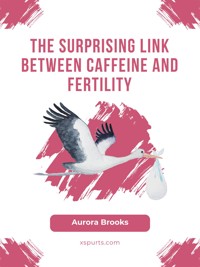
The Surprising Link Between Caffeine and Fertility
Effects of Caffeine on Female Fertility
Effects of Caffeine on Male Fertility
Role of Caffeine in Ovulation
Caffeine's Influence on Sperm Quality
Recommended Caffeine Intake for Fertility
Effects of Caffeine on Pregnancy
Risk of Miscarriage and Caffeine
Impact of Caffeine on Fetal Development
Effects of Caffeine on Maternal Health
Strategies for Reducing Caffeine Intake
Gradual Caffeine Reduction
Choosing Caffeine-Free Alternatives
Importance of a Balanced Lifestyle
Impact of Diet on Fertility
Exercise and Fertility
Consulting with Healthcare Professionals
When to Seek Medical Advice
Fertility Treatments and Caffeine
Conclusion
Frequently Asked Questions
Have Questions / Comments?
Get How To Be A Super Mom 100% FREE
The Surprising Link Between Caffeine and Fertility
The Surprising Link Between Caffeine and Fertility
When it comes to fertility, many factors come into play, including diet, lifestyle, and overall health. However, one surprising element that has gained attention in recent years is caffeine consumption. Caffeine, commonly found in coffee, tea, energy drinks, and even chocolate, has been found to have an impact on both men and women's reproductive health.
Research has shown that excessive caffeine intake can have adverse effects on fertility for both genders. It is important to understand the connection between caffeine and fertility to make informed choices when trying to conceive. Let's explore the surprising link between caffeine consumption and fertility, and how it can affect your journey towards parenthood.
Effects of Caffeine on Female Fertility
When it comes to female fertility, the impact of caffeine consumption is a topic that has garnered significant attention. Many studies have explored how caffeine intake can affect a woman's ability to conceive and the potential risks associated with high caffeine consumption.
One of the key ways in which caffeine can affect female fertility is by disrupting the hormonal balance necessary for regular ovulation. Caffeine has been found to interfere with the delicate hormonal processes that regulate the release of eggs from the ovaries. This disruption can potentially lead to irregular or even absent ovulation, making it more difficult for a woman to conceive.
Furthermore, scientific research has also suggested that high caffeine intake may have negative effects on ovarian function. Some studies have indicated that caffeine consumption could potentially impact egg quality and release, which are crucial factors in successful conception. These findings highlight the importance of considering caffeine intake when trying to conceive.
It is also worth noting that caffeine can potentially affect the length and regularity of the menstrual cycle. Some women may experience changes in their cycle length or even experience menstrual irregularities as a result of high caffeine consumption. These changes can further complicate the process of conception and fertility.
While the exact mechanisms through which caffeine affects female fertility are still being studied, it is clear that moderation is key. It is recommended that women who are trying to conceive limit their caffeine intake to moderate levels. This typically means consuming no more than 200-300 milligrams of caffeine per day, which is equivalent to about one to two cups of coffee.
By being mindful of their caffeine consumption and making informed choices, women can optimize their fertility and increase their chances of successful conception. It is always advisable to consult with healthcare professionals for personalized advice and support in navigating the complex relationship between caffeine and female fertility.
Effects of Caffeine on Male Fertility
The effects of caffeine on male fertility are an important area of study, as research suggests that excessive caffeine consumption can have negative impacts on sperm quality, count, and motility, ultimately affecting male fertility.
Several studies have examined the relationship between caffeine and sperm health, with findings indicating that high caffeine intake may lead to a decrease in sperm quality. Caffeine has been shown to affect sperm morphology, which refers to the size and shape of sperm cells. Abnormal sperm morphology can hinder their ability to fertilize an egg, reducing the chances of successful conception.
In addition to morphology, caffeine has also been found to impact sperm count. Research suggests that excessive caffeine consumption can lead to a decrease in sperm count, which is the number of sperm present in a semen sample. A low sperm count can make it more difficult for couples to conceive naturally.
Furthermore, caffeine has been shown to affect sperm motility, which refers to the sperm's ability to swim and move effectively. Studies have indicated that high caffeine intake can reduce sperm motility, making it harder for sperm to reach and fertilize an egg.
Overall, the impact of caffeine on male fertility is a significant concern. It is important for men who are trying to conceive to be mindful of their caffeine intake and consider reducing or moderating their consumption to optimize their reproductive health.
Role of Caffeine in Ovulation
The role of caffeine in ovulation is crucial to understand when exploring its impact on fertility. Caffeine consumption has been found to disrupt the hormonal balance necessary for regular ovulation, which can have significant implications for a woman's ability to conceive.
When consumed in excess, caffeine can interfere with the delicate hormonal processes that regulate the menstrual cycle. It can disrupt the production and release of hormones such as estrogen and progesterone, which are essential for ovulation to occur. This disruption can lead to irregular or even missed ovulation, making it more challenging for a woman to get pregnant.
Furthermore, caffeine has been shown to affect the quality and development of eggs. Studies suggest that high caffeine intake may decrease the quality of eggs, potentially reducing the chances of successful fertilization and implantation. This can further impact fertility and the ability to conceive.
It is important for individuals who are trying to conceive to be mindful of their caffeine intake and consider reducing or eliminating it altogether. By doing so, they can help restore the hormonal balance necessary for regular ovulation and increase their chances of successful conception.
To better understand the impact of caffeine on ovulation and fertility, further research is needed. However, it is advisable for individuals who are trying to conceive to limit their caffeine consumption and consult with healthcare professionals for personalized advice and support.
Studies on Caffeine and Ovarian Function
Reviewing scientific research on the relationship between caffeine consumption and ovarian function, including potential effects on egg quality and release.
Several studies have examined the impact of caffeine on ovarian function, shedding light on its potential effects on egg quality and release. Research suggests that high caffeine intake may have adverse effects on female fertility by disrupting the delicate hormonal balance necessary for regular ovulation.
A study published in the journal Fertility and Sterility found that women who consumed more than 300 milligrams of caffeine per day, equivalent to about two to three cups of coffee, had a higher risk of experiencing longer menstrual cycles and reduced fertility. This suggests that caffeine may interfere with the normal hormonal fluctuations that regulate ovulation.




