


2,99 €
Mehr erfahren.
- Herausgeber: Shuttle Systems
- Kategorie: Gesellschafts- und Liebesromane
- Sprache: Englisch
Das E-Book können Sie in Legimi-Apps oder einer beliebigen App lesen, die das folgende Format unterstützen:
Veröffentlichungsjahr: 2023
Ähnliche






Created by BabyDreamers.net
All rights reserved.
Copyright © 2007 onwards .
By reading this book, you agree to the below Terms and Conditions.
BabyDreamers.net retains all rights to these products.
No part of this book may be reproduced in any form, by photostat, microfilm, xerography, or any other means, or incorporated into any information retrieval system, electronic or mechanical, without the written permission of BabyDreamers.net; exceptions are made for brief excerpts used in published reviews.
This publication is designed to provide accurate and authoritative information with regard to the subject matter covered, however is for entertainment purposes only. It is sold with the understanding that the publisher is not engaged in rendering legal, accounting, health, relationship or other professional / personal advice. If legal advice or other expert assistance is required, the services of a competent professional should be sought.First Printed 2023.
Designed In New Zealand
Free Book Offer: Get How to be a Super Mom For Free
A Short Read is a type of book that is designed to be read in one quick sitting.
These no fluff books are perfect for people who want an overview about a subject in a short period of time.
Table of Contents
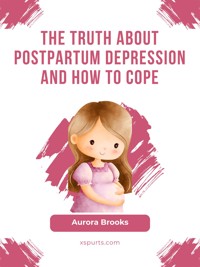
The Truth About Postpartum Depression and How to Cope
Understanding Postpartum Depression
Risk Factors for Postpartum Depression
Hormonal Changes
Social Support
Signs and Symptoms of Postpartum Depression
Emotional Symptoms
Physical Symptoms
Behavioral Symptoms
Effects of Postpartum Depression on Mother and Baby
Maternal Bonding
Infant Development
Seeking Help for Postpartum Depression
Talking to a Healthcare Provider
Support Groups
Treatment Options for Postpartum Depression
Therapy
Medication
Lifestyle Changes
Self-Care Strategies for Coping with Postpartum Depression
Exercise and Physical Activity
Healthy Eating Habits
Rest and Sleep
Supporting a Loved One with Postpartum Depression
Open Communication
Practical Help
Encouraging Professional Help
Frequently Asked Questions
Have Questions / Comments?
Get How To Be A Super Mom 100% FREE
The Truth About Postpartum Depression and How to Cope
Postpartum depression is a reality that many new mothers face, yet it is often misunderstood and overlooked. It is important to shed light on this topic and provide support and coping mechanisms for those experiencing postpartum depression. This article aims to explore the truth about postpartum depression and offer guidance on how to cope.
Postpartum depression is not the same as the baby blues, which are common feelings of sadness and mood swings that many women experience after giving birth. Postpartum depression is a more severe and long-lasting condition that can significantly impact a mother's emotional well-being and daily functioning.
There are various risk factors that can increase the likelihood of developing postpartum depression. Hormonal changes play a significant role, as the sudden drop in estrogen and progesterone levels after childbirth can affect mood regulation. Psychological factors such as high levels of stress, anxiety, and a history of mental health issues can also contribute to the development of postpartum depression.
Social support is crucial in preventing and managing postpartum depression. Having a strong support system can provide new mothers with the emotional and practical help they need during this challenging time. It is essential for friends, family, and healthcare providers to be aware of the signs and symptoms of postpartum depression to offer the necessary support.
Recognizing the signs and symptoms of postpartum depression is crucial for early intervention and treatment. Emotional symptoms may include persistent sadness, irritability, and feelings of hopelessness. Physical symptoms can manifest as changes in appetite, sleep disturbances, and fatigue. Behavioral symptoms may include withdrawing from social activities and a loss of interest in previously enjoyed activities.
Postpartum depression not only affects the mother but also has consequences for the baby. It can impact maternal bonding, making it more challenging for the mother to form a strong emotional connection with her baby. Additionally, postpartum depression can potentially affect the baby's cognitive and emotional development.
Seeking help is essential for those experiencing postpartum depression. It is important to reach out to a healthcare provider for professional support and treatment. Support groups specifically tailored for women experiencing postpartum depression can also provide a safe space for sharing experiences and receiving support from others who understand.
Treatment options for postpartum depression include therapy, medication, and lifestyle changes. Therapy, such as cognitive-behavioral therapy, can be highly effective in treating postpartum depression. Medication, such as antidepressants, may be prescribed in severe cases. Making positive lifestyle changes, engaging in self-care activities, and seeking support from loved ones are also crucial in alleviating postpartum depression symptoms.
It is important to remember that postpartum depression is a temporary condition that can be effectively managed with the right support and treatment. By understanding the reality of postpartum depression and implementing coping mechanisms, new mothers can navigate this challenging period and emerge stronger.
Understanding Postpartum Depression
Understanding Postpartum Depression
Postpartum depression is a common and serious mental health condition that affects new mothers after childbirth. It is important to distinguish postpartum depression from the "baby blues," which are temporary mood swings that many women experience shortly after giving birth. While the baby blues typically resolve on their own within a few weeks, postpartum depression is characterized by persistent and intense feelings of sadness, anxiety, and exhaustion that can significantly impact a mother's daily functioning and overall well-being.
Postpartum depression is not a sign of weakness or a character flaw. It is a medical condition that requires understanding and support. It is estimated that around 10-20% of women experience postpartum depression, making it more common than many people realize. The exact causes of postpartum depression are not fully understood, but a combination of hormonal changes, psychological factors, and social support play a role in its development.
Hormonal Changes:
After childbirth, there is a rapid drop in hormone levels, including estrogen and progesterone. These hormonal fluctuations can contribute to the development of postpartum depression. Additionally, thyroid hormone imbalances may also play a role in the onset of postpartum depression.
Psychological Factors:
Psychological factors such as stress, anxiety, and a history of depression or other mental health issues can increase the risk of postpartum depression. The significant life changes and challenges that come with becoming a new mother can also contribute to feelings of overwhelm and distress.
Social Support:
Having a strong support system in place can help prevent and manage postpartum depression. Lack of social support, whether from a partner, family, or friends, can increase the risk of developing postpartum depression. Feeling isolated and overwhelmed without a network of support can exacerbate feelings of sadness and anxiety.
Risk Factors for Postpartum Depression
Risk Factors for Postpartum Depression
Postpartum depression is a common condition that affects many new mothers. While the exact cause of postpartum depression is not fully understood, there are certain risk factors that can increase the likelihood of developing this condition. By identifying these risk factors, we can better understand who may be at a higher risk and take proactive steps to prevent or manage postpartum depression.
Hormonal Changes:
One of the primary risk factors for postpartum depression is the hormonal changes that occur after childbirth. During pregnancy, a woman's body experiences significant hormonal fluctuations, and after giving birth, these hormone levels rapidly decrease. These hormonal changes can have a profound impact on a woman's emotional well-being and may contribute to the development of postpartum depression.
Psychological Factors:




