


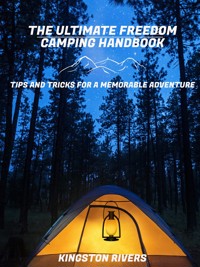
5,99 €
Mehr erfahren.
- Herausgeber: Shuttle Systems Ltd
- Kategorie: Ratgeber
- Sprache: Englisch
"The world is yours to explore with this comprehensive freedom camping guide."
Embark on the adventure of a lifetime with "The Ultimate Freedom Camping Handbook: Tips and Tricks for a Memorable Adventure." This comprehensive guide provides you with all the information, advice, and insider tips you need to successfully explore the great outdoors while freedom camping.
Whether you're a seasoned camper or a complete novice, this book offers valuable insights into every aspect of freedom camping. From selecting the right vehicle and planning your route to mastering the art of outdoor cooking and maintaining a sustainable lifestyle, this handbook covers it all.
Key chapters include:
Understanding Freedom Camping: Learn about the concept, legal aspects, and benefits of this popular outdoor activity.
Choosing the Right Vehicle: Discover the pros and cons of campervans, RVs, and car camping, and determine which option is best for you.
Camping Etiquette and Responsible Camping: Ensure you're a good steward of the environment by following Leave No Trace principles and respecting wildlife.
Weather Considerations: Prepare for different weather conditions and stay comfortable in any climate.
Long-Term Freedom Camping: Tips for extended trips, balancing work and leisure, and establishing routines for an enjoyable journey.
"The Ultimate Freedom Camping Handbook" also provides practical advice on crucial topics like water management, campsite security, and navigating local regulations. Additionally, you'll find helpful information on traveling with pets, camping with kids, and engaging in outdoor activities like hiking, biking, and water sports.
With this indispensable guide in hand, you'll be well-equipped to embrace the freedom camping lifestyle and create unforgettable memories in the great outdoors. Get your copy of "The Ultimate Freedom Camping Handbook: Tips and Tricks for a Memorable Adventure" today and start planning your next adventure!
Das E-Book können Sie in Legimi-Apps oder einer beliebigen App lesen, die das folgende Format unterstützen:
Veröffentlichungsjahr: 2023
Ähnliche
















Created by Xspurts.com
All rights reserved.
Copyright © 2005 onwards .
By reading this book, you agree to the below Terms and Conditions.
Xspurts.com retains all rights to these products.
No part of this book may be reproduced in any form, by photostat, microfilm, xerography, or any other means, or incorporated into any information retrieval system, electronic or mechanical, without the written permission of Xspurts.com; exceptions are made for brief excerpts used in published reviews.
This publication is designed to provide accurate and authoritative information with regard to the subject matter covered. It is sold with the understanding that the publisher is not engaged in rendering legal, accounting, health, relationship or other professional / personal advice. If legal advice or other expert assistance is required, the services of a competent professional should be sought.
A New Zealand Made Product
Get A Free Book At: xspurts.com/posts/free-book-offer
––––––––
Table of Contents
Understanding Freedom Camping
The Concept of Freedom Camping
Legal Aspects and Regulations
The Benefits and Challenges
Choosing the Right Vehicle
Campervans vs RVs vs Car Camping
Renting vs Buying a Vehicle
Vehicle Maintenance and Preparation
Selecting Ideal Campsites
Researching and Scouting Campsites
Public Land Access and Regulations
Assessing Safety and Privacy
Camping Etiquette and Responsible Camping
Leave No Trace Principles
Respecting Wildlife and the Environment
Interacting with Locals and Other Campers
Planning Your Route
Navigating Backroads and Trails
Factoring in Fuel and Supplies
Balancing Travel Time and Exploration
Cooking and Meal Preparation
Campsite Cooking Essentials
Easy and Nutritious Camping Recipes
Food Storage and Waste Management
Hygiene and Sanitation
Personal Hygiene While Camping
Portable Toilets and Shower Solutions
Managing Trash and Waste
Water Management
Finding and Purifying Water
Water Conservation Techniques
Storing and Transporting Water
Powering Your Campsite
Solar Power and Battery Systems
Charging Devices and Electronics
Energy Efficiency and Conservation
Weather Considerations
Preparing for Different Weather Conditions
Staying Warm and Dry
Managing Heat and Sun Exposure
Campsite Security and Safety
Securing Your Campsite and Belongings
Emergency Preparedness and First Aid
Wildlife Safety and Awareness
Communications and Connectivity
Cell Phone and Internet Access
Satellite Devices and Emergency Beacons
Staying Connected with Friends and Family
Outdoor Activities and Exploration
Hiking, Biking, and Water Sports
Photography and Nature Observation
Responsible Recreation Practices
Traveling with Pets
Preparing Your Pet for Freedom Camping
Pet Safety and Comfort
Pet Etiquette and Clean-Up
Camping with Kids
Engaging Children in Outdoor Activities
Safety Tips for Camping with Kids
Educational Opportunities and Nature Connection
Budgeting and Saving Money
Creating a Camping Budget
Cost-Saving Tips for Freedom Camping
Balancing Comfort and Affordability
Maintenance and Troubleshooting
Basic Vehicle Maintenance
Common Camping Gear Repairs
Roadside Assistance and Emergency Services
Packing Essentials
Clothing and Personal Items
Camping Gear and Accessories
Organizing and Storing Supplies
Customizing Your Camping Experience
Personalizing Your Campsite
Creating a Comfortable Living Space
Adapting to Different Environments
Dealing with Challenges and Setbacks
Overcoming Common Camping Obstacles
Learning from Mistakes and Experiences
Embracing Flexibility and Adaptability
Long-Term Freedom Camping
Preparing for Extended Trips
Balancing Work and Leisure
Establishing Routines and Staying Organized
Building a Community
Connecting with Other Freedom Campers
Sharing Experiences and Tips
Supporting Responsible Camping Practices
Transitioning Back to Regular Life
Integrating Lessons Learned from Freedom Camping
Adapting to a New Routine
Staying Connected to the Outdoors
Documenting Your Adventures
Journaling and Writing about Your Experiences
Capturing Memories through Photography
Sharing Your Journey through Social Media
Local Regulations and Advocacy
Understanding and Respecting Local Rules
Advocating for Responsible Freedom Camping
Supporting Conservation Efforts
Sustainable and Eco-Friendly Camping
Minimizing Your Environmental Impact
Supporting Sustainable Practices and Products
Educating Others on Responsible Camping
Winter Freedom Camping
Preparing for Cold Weather Camping
Staying Warm and Comfortable
Winter Activities and Safety Tips
Have Questions / Comments?
Get Another Book Free
Understanding Freedom Camping
Freedom camping, also known as wild camping, is a form of camping where people set up their tents or park their vehicles in areas that are not designated camping grounds. This practice has become increasingly popular in recent years, as more people seek to explore the natural beauty of their surroundings and connect with the environment. However, freedom camping is also a controversial issue, as it can lead to environmental damage and conflict with local communities.
1. In this essay, we will explore the concept of freedom camping, its benefits and drawbacks, and some tips and tricks for a memorable adventure. We will also refer to 'The Ultimate Freedom Camping Handbook: Tips and Tricks for a Memorable Adventure', a comprehensive guide that provides valuable insights and recommendations for those who want to experience the thrill of freedom camping.
The Benefits of Freedom Camping
Freedom camping can provide many benefits for those who are looking for an escape from their daily routines and a chance to connect with nature. One of the main advantages of freedom camping is the sense of freedom it provides. Unlike traditional camping, where campers are limited to designated camping areas, freedom camping allows people to explore new places and enjoy the beauty of the outdoors without any restrictions.
Another benefit of freedom camping is the opportunity to save money. Most designated camping grounds charge a fee, which can add up quickly, especially for long-term trips. Freedom camping, on the other hand, is often free, or at a much lower cost, which can help people stretch their travel budget further.
Freedom camping can also be a more authentic experience, as it allows people to connect with the local culture and environment. By camping in natural areas, people can experience the sights, sounds, and smells of the wilderness, and learn about the local flora and fauna. This can be a rewarding experience for those who are interested in outdoor adventure and learning about new cultures.
The Drawbacks of Freedom Camping
While freedom camping can be a thrilling and rewarding experience, it also has some drawbacks that need to be considered. One of the main concerns with freedom camping is the potential for environmental damage. When people camp in natural areas, they can leave behind trash, disturb wildlife, and damage the ecosystem. This can have long-term effects on the environment, and can even lead to the closure of popular camping areas.
Another concern with freedom camping is the impact it can have on local communities. When people camp in residential areas, they can create noise, litter, and traffic, which can disturb the peace and quiet of the community. This can lead to conflict with local residents, and can even result in legal action against the campers.
Tips and Tricks for a Memorable Adventure
If you are interested in trying freedom camping, there are some important tips and tricks to keep in mind. 'The Ultimate Freedom Camping Handbook: Tips and Tricks for a Memorable Adventure' provides valuable insights and recommendations for those who want to make the most of their camping experience. Here are some of the key tips from the handbook:
2. Do Your Research: Before setting out on a freedom camping adventure, it is important to do your research. Find out about local regulations, weather conditions, and potential hazards. This will help you plan your trip and avoid any unexpected problems.
3. Pack Wisely: When packing for a freedom camping trip, it is important to bring only the essentials. This will help you travel light and avoid clutter in your camping area. Some key items to bring include a sturdy tent, sleeping bag, cooking equipment, and a first aid kit.
4. Respect the Environment: When camping in natural areas, it is important to respect the environment and leave no trace. This means packing out all of your trash, using designated fire pits, and avoiding disturbing wildlife.
5. Be Considerate of Others: When camping near residential areas, it is important to be considerate.
The Concept of Freedom Camping
Freedom camping, also known as wild camping, is a form of camping where people set up their tents or park their vehicles in areas that are not designated camping grounds. This practice has become increasingly popular in recent years, as more people seek to explore the natural beauty of their surroundings and connect with the environment. However, freedom camping is also a controversial issue, as it can lead to environmental damage and conflict with local communities.
1. In this essay, we will explore the concept of freedom camping, its benefits and drawbacks, and some tips and tricks for a memorable adventure. We will also refer to 'The Ultimate Freedom Camping Handbook: Tips and Tricks for a Memorable Adventure', a comprehensive guide that provides valuable insights and recommendations for those who want to experience the thrill of freedom camping.
The Benefits of Freedom Camping
Freedom camping can provide many benefits for those who are looking for an escape from their daily routines and a chance to connect with nature. One of the main advantages of freedom camping is the sense of freedom it provides. Unlike traditional camping, where campers are limited to designated camping areas, freedom camping allows people to explore new places and enjoy the beauty of the outdoors without any restrictions.
Another benefit of freedom camping is the opportunity to save money. Most designated camping grounds charge a fee, which can add up quickly, especially for long-term trips. Freedom camping, on the other hand, is often free, or at a much lower cost, which can help people stretch their travel budget further.
Freedom camping can also be a more authentic experience, as it allows people to connect with the local culture and environment. By camping in natural areas, people can experience the sights, sounds, and smells of the wilderness, and learn about the local flora and fauna. This can be a rewarding experience for those who are interested in outdoor adventure and learning about new cultures.
The Drawbacks of Freedom Camping
While freedom camping can be a thrilling and rewarding experience, it also has some drawbacks that need to be considered. One of the main concerns with freedom camping is the potential for environmental damage. When people camp in natural areas, they can leave behind trash, disturb wildlife, and damage the ecosystem. This can have long-term effects on the environment, and can even lead to the closure of popular camping areas.
Another concern with freedom camping is the impact it can have on local communities. When people camp in residential areas, they can create noise, litter, and traffic, which can disturb the peace and quiet of the community. This can lead to conflict with local residents, and can even result in legal action against the campers.
Tips and Tricks for a Memorable Adventure
If you are interested in trying freedom camping, there are some important tips and tricks to keep in mind. 'The Ultimate Freedom Camping Handbook: Tips and Tricks for a Memorable Adventure' provides valuable insights and recommendations for those who want to make the most of their camping experience. Here are some of the key tips from the handbook:
2. Do Your Research: Before setting out on a freedom camping adventure, it is important to do your research. Find out about local regulations, weather conditions, and potential hazards. This will help you plan your trip and avoid any unexpected problems.
3. Pack Wisely: When packing for a freedom camping trip, it is important to bring only the essentials. This will help you travel light and avoid clutter in your camping area. Some key items to bring include a sturdy tent, sleeping bag, cooking equipment, and a first aid kit.
4. Respect the Environment: When camping in natural areas, it is important to respect the environment and leave no trace. This means packing out all of your trash, using designated fire pits, and avoiding disturbing wildlife.
5. Be Considerate of Others: When camping near residential areas, it is important to be considerate of local residents.
Legal Aspects and Regulations
Freedom camping, also known as wild camping, is a form of camping where people set up their tents or park their vehicles in areas that are not designated camping grounds. While freedom camping can provide many benefits for outdoor enthusiasts, it also raises legal and regulatory concerns that need to be addressed.
1. In this essay, we will explore the legal aspects and regulations related to freedom camping, and provide some insights and recommendations from 'The Ultimate Freedom Camping Handbook: Tips and Tricks for a Memorable Adventure'.
Legal Aspects of Freedom Camping
Freedom camping is a complex legal issue that varies from country to country, and even from region to region. While some countries, such as New Zealand and Scotland, have established freedom camping laws and regulations, others do not have specific rules and rely on common law principles to regulate camping activities.
In general, freedom camping is subject to the same laws and regulations that apply to other camping activities, such as fire safety, waste management, and environmental protection. However, there are some additional legal aspects to consider when engaging in freedom camping, such as land ownership and public access rights.
Land Ownership
One of the main legal concerns with freedom camping is land ownership. In many cases, the land where people camp may be privately owned, and the owner may not allow camping on their property. This can lead to conflict between campers and landowners, and even result in legal action against the campers.
To avoid legal issues related to land ownership, it is important to research the ownership status of the land where you plan to camp. In some cases, it may be necessary to obtain permission from the landowner before setting up camp.
Public Access Rights
Another legal aspect to consider when engaging in freedom camping is public access rights. In many countries, people have the right to access certain public lands, such as forests and beaches, for recreational purposes. However, these rights are subject to certain restrictions, such as the protection of wildlife and the preservation of the environment.
To avoid legal issues related to public access rights, it is important to research the regulations that apply to the specific area where you plan to camp. This will help you understand your rights and responsibilities as a camper, and avoid any potential conflicts with the authorities.
Regulations for Freedom Camping
In addition to the legal aspects of freedom camping, there are also specific regulations that apply to this activity in different regions. These regulations may vary depending on the location, the time of year, and the type of camping activity.
For example, in New Zealand, freedom camping is regulated by the Freedom Camping Act, which sets out the rules and requirements for camping in designated areas. Under this act, campers must comply with certain standards, such as the management of waste and the protection of the environment. Failure to comply with these standards can result in fines and other penalties.
Similarly, in Scotland, freedom camping is regulated by the Scottish Outdoor Access Code, which provides guidance on responsible access to the countryside. This code emphasizes the importance of respecting the environment, avoiding damage to property, and being considerate of other people and animals in the area.
Tips and Tricks for Compliance with Regulations
To comply with the legal and regulatory requirements of freedom camping, it is important to follow some tips and tricks. 'The Ultimate Freedom Camping Handbook: Tips and Tricks for a Memorable Adventure' provides some useful insights and recommendations on this topic. Here are some of the key tips from the handbook:
2. Research the regulations: Before engaging in freedom camping, it is important to research the regulations that apply to your location. This will help you understand your rights and responsibilities as a camper, and avoid any potential legal or regulatory issues.
3. Respect the environment: When camping in natural areas, it is important to respect the environment and leave no trace.
The Benefits and Challenges
Freedom camping, also known as wild camping, is a form of camping where people set up their tents or park their vehicles in areas that are not designated camping grounds. While freedom camping can provide many benefits for outdoor enthusiasts, it also raises some challenges and concerns that need to be addressed.
1. In this essay, we will explore the benefits and challenges of freedom camping, and provide some insights and recommendations from 'The Ultimate Freedom Camping Handbook: Tips and Tricks for a Memorable Adventure'.
The Benefits of Freedom Camping
Freedom camping can provide many benefits for those who are looking for an escape from their daily routines and a chance to connect with nature. One of the main advantages of freedom camping is the sense of freedom it provides. Unlike traditional camping, where campers are limited to designated camping areas, freedom camping allows people to explore new places and enjoy the beauty of the outdoors without any restrictions.
Another benefit of freedom camping is the opportunity to save money. Most designated camping grounds charge a fee, which can add up quickly, especially for long-term trips. Freedom camping, on the other hand, is often free, or at a much lower cost, which can help people stretch their travel budget further.
Freedom camping can also be a more authentic experience, as it allows people to connect with the local culture and environment. By camping in natural areas, people can experience the sights, sounds, and smells of the wilderness, and learn about the local flora and fauna. This can be a rewarding experience for those who are interested in outdoor adventure and learning about new cultures.
The Challenges of Freedom Camping
While freedom camping can be a thrilling and rewarding experience, it also has some challenges and drawbacks that need to be considered. One of the main challenges with freedom camping is the potential for environmental damage. When people camp in natural areas, they can leave behind trash, disturb wildlife, and damage the ecosystem. This can have long-term effects on the environment, and can even lead to the closure of popular camping areas.
Another challenge with freedom camping is the lack of amenities and facilities. Unlike designated camping grounds, which often provide amenities such as showers, toilets, and fire pits, freedom camping areas may not have these facilities. This can make it more difficult to maintain personal hygiene and prepare meals.
Freedom camping can also be more dangerous than traditional camping, especially for those who are not experienced in outdoor survival skills. Without access to amenities and facilities, people may be more vulnerable to weather conditions, wild animals, and other hazards.
Tips and Tricks for Overcoming Challenges
To overcome the challenges of freedom camping, it is important to follow some tips and tricks. 'The Ultimate Freedom Camping Handbook: Tips and Tricks for a Memorable Adventure' provides some valuable insights and recommendations on this topic. Here are some of the key tips from the handbook:
2. Respect the environment: When camping in natural areas, it is important to respect the environment and leave no trace. This means packing out all of your trash, using designated fire pits, and avoiding disturbing wildlife. By respecting the environment, you can help preserve natural areas for future generations.
3. Pack wisely: When packing for a freedom camping trip, it is important to bring only the essentials. This will help you travel light and avoid clutter in your camping area. Some key items to bring include a sturdy tent, sleeping bag, cooking equipment, and a first aid kit. By packing wisely, you can ensure that you have everything you need without carrying unnecessary weight.
4. Learn survival skills: To overcome the challenges of freedom camping, it is important to learn basic survival skills, such as starting a fire, purifying water, and identifying edible plants. By learning these skills, you can increase your chances of survival and make your camping experience more enjoyable.
Choosing the Right Vehicle
Freedom camping, also known as wild camping, is a form of camping where people set up their tents or park their vehicles in areas that are not designated camping grounds. One of the key decisions when planning a freedom camping trip is choosing the right vehicle. In this essay, we will explore the factors to consider when choosing a vehicle for freedom camping, and provide some insights and recommendations from 'The Ultimate Freedom Camping Handbook: Tips and Tricks for a Memorable Adventure'.
Factors to Consider when Choosing a Vehicle
When choosing a vehicle for freedom camping, there are several factors to consider. These factors include the size and weight of the vehicle, the type of terrain you plan to drive on, and the number of people and equipment you need to transport.
Size and Weight
One of the key factors to consider when choosing a vehicle for freedom camping is the size and weight of the vehicle. In general, larger vehicles such as RVs or camper vans provide more comfort and amenities, but they may also be more difficult to drive and maneuver on narrow roads or rough terrain. Smaller vehicles such as SUVs or trucks may be more versatile and easier to handle, but they may have less space and amenities.
Type of Terrain
Another factor to consider when choosing a vehicle for freedom camping is the type of terrain you plan to drive on. If you plan to drive on rough terrain, such as dirt roads or mountain trails, you may need a vehicle with four-wheel drive and high clearance to handle the terrain. If you plan to drive on paved roads or highways, a regular car or SUV may be sufficient.
Number of People and Equipment
The number of people and equipment you need to transport is also an important factor to consider when choosing a vehicle for freedom camping. If you plan to travel with a large group of people or carry a lot of equipment, such as camping gear or outdoor sports equipment, you may need a larger vehicle with more storage space.
Tips and Tricks for Choosing the Right Vehicle
To choose the right vehicle for your freedom camping adventure, it is important to follow some tips and tricks. 'The Ultimate Freedom Camping Handbook: Tips and Tricks for a Memorable Adventure' provides some valuable insights and recommendations on this topic. Here are some of the key tips from the handbook:
2. Consider your needs: Before choosing a vehicle for freedom camping, it is important to consider your needs and preferences. Think about the size of your group, the type of terrain you plan to drive on, and the amenities you need.
3. Research your options: Once you have determined your needs, it is important to research the available options for vehicles. Look at different models and brands, and read reviews from other freedom campers to find the best fit for your needs.
4. Test drive the vehicle: Before committing to a vehicle, it is important to test drive it to ensure that it meets your expectations. This will give you a feel for the vehicle's handling and performance on different types of terrain.
5. Plan your route: When choosing a vehicle for freedom camping, it is important to plan your route in advance. This will help you determine the type of terrain you will encounter, and the amenities and storage space you will need.
6. Check the vehicle's condition: Before embarking on a freedom camping trip, it is important to check the vehicle's condition and ensure that it is safe and reliable. This includes checking the tires, brakes, and engine, and performing any necessary maintenance or repairs.
Campervans vs RVs vs Car Camping
When it comes to freedom camping, there are several types of vehicles that can be used to explore the great outdoors. Campervans, RVs, and car camping are all popular options for those looking to travel and camp in remote areas. In this essay, we will explore the differences between these three options, and provide some insights and recommendations from 'The Ultimate Freedom Camping Handbook: Tips and Tricks for a Memorable Adventure'.
Campervans
Campervans, also known as camper vans or motorhomes, are a popular choice for those looking for a comfortable and convenient way to travel and camp. These vehicles typically have a built-in bed, a small kitchen, and a bathroom, providing all the amenities needed for a comfortable camping trip.
One of the main advantages of campervans is their size and maneuverability. They are generally smaller than RVs, making them easier to drive and park in tight spaces. This can be a big advantage when exploring remote areas with narrow roads or limited parking options.
Another advantage of campervans is their flexibility. They can be used for both short and long-term trips, and can be easily customized to fit the needs and preferences of the traveler. This makes them a popular option for those looking for a versatile and adaptable camping experience.
RVs
RVs, or recreational vehicles, are a larger and more luxurious option for freedom camping. These vehicles often have multiple bedrooms, a full kitchen, a bathroom with a shower, and other amenities such as a TV and air conditioning. They can provide a home away from home experience, with all the comforts of modern living.
One of the main advantages of RVs is their spaciousness. They provide ample room for multiple travelers, making them a great option for families or groups of friends. They also offer more storage space than campervans, allowing for more gear and equipment to be brought along.
Another advantage of RVs is their durability. They are designed to withstand long-term travel and can handle rough terrain and harsh weather conditions. This makes them a popular option for those planning extended trips in remote areas.
Car Camping
Car camping is the most basic form of freedom camping, and involves camping out of a regular car or SUV. This option is popular for those on a budget or those who prefer a more minimalist camping experience.
One of the main advantages of car camping is its simplicity. It requires minimal equipment and can be done with a standard car or SUV, making it accessible to most travelers. It also allows for greater flexibility in terms of camping locations, as it can be parked in a wide range of areas.
Another advantage of car camping is its portability. It allows for greater mobility and can be easily adapted to different types of terrain and weather conditions. This makes it a popular option for those who enjoy exploring off-the-beaten-path areas.
Tips and Tricks for Choosing the Right Vehicle
To choose the right vehicle for your freedom camping adventure, it is important to consider your needs and preferences. 'The Ultimate Freedom Camping Handbook: Tips and Tricks for a Memorable Adventure' provides some valuable insights and recommendations on this topic. Here are some of the key tips from the handbook:
2. Consider your budget: When choosing a vehicle for freedom camping, it is important to consider your budget. RVs are generally the most expensive option, followed by campervans and car camping.
3. Consider your travel style: The type of vehicle you choose will depend on your travel style and preferences. If you prefer a luxurious and comfortable camping experience, an RV may be the best option. If you prefer a more minimalist and adventurous experience, car camping may be a better fit.
4. Consider your group size: The size of your group will also be a factor in choosing a vehicle.
Renting vs Buying a Vehicle
When planning a freedom camping trip, one of the key decisions is whether to rent or buy a vehicle. Renting a vehicle can provide more flexibility and affordability, while buying a vehicle can provide greater control and customization options. In this essay, we will explore the differences between renting and buying a vehicle for freedom camping, and provide some insights and recommendations from 'The Ultimate Freedom Camping Handbook: Tips and Tricks for a Memorable Adventure'.
Renting a Vehicle
Renting a vehicle for freedom camping is a popular option for those who want to enjoy the benefits of a campervan or RV without the commitment and cost of ownership. Renting a vehicle can provide greater flexibility in terms of trip duration and location, as well as access to a wide range of vehicles and models.
One of the main advantages of renting a vehicle is the affordability. Renting a vehicle can be a more cost-effective option than buying, especially for those who only plan to use the vehicle for a short period of time. It also eliminates the need for maintenance and repairs, which can be a significant expense for vehicle owners.
Another advantage of renting a vehicle is the convenience. Renting a vehicle allows for greater flexibility in terms of pickup and drop-off locations, as well as access to amenities such as roadside assistance and insurance. This can make the trip more stress-free and enjoyable.
Buying a Vehicle
Buying a vehicle for freedom camping can provide greater control and customization options, as well as the potential for long-term cost savings. Owning a vehicle allows for greater flexibility in terms of modifications and upgrades, as well as the ability to customize the vehicle to fit the needs and preferences of the traveler.
One of the main advantages of buying a vehicle is the long-term cost savings. While the upfront cost of purchasing a vehicle may be higher than renting, the overall cost may be lower over the long-term, especially for those who plan to use the vehicle frequently. It also provides the potential for resale value, which can help recoup some of the initial investment.
Another advantage of buying a vehicle is the control over modifications and upgrades. Vehicle owners can make modifications and upgrades to fit their specific needs and preferences, such as adding solar panels or upgrading the kitchen appliances. This can help create a more personalized and enjoyable camping experience.
Tips and Tricks for Renting or Buying a Vehicle
To make the decision between renting or buying a vehicle for freedom camping, it is important to consider your needs and preferences. 'The Ultimate Freedom Camping Handbook: Tips and Tricks for a Memorable Adventure' provides some valuable insights and recommendations on this topic. Here are some of the key tips from the handbook:
2. Consider your budget: When deciding between renting or buying a vehicle for freedom camping, it is important to consider your budget. Renting a vehicle may be more affordable in the short term, while buying a vehicle may provide long-term cost savings.
3. Consider your trip duration: The duration of your trip will also be a factor in deciding between renting or buying a vehicle. If you plan to use the vehicle for a short period of time, renting may be a better option. If you plan to use the vehicle frequently or for extended periods, buying may be a better fit.
4. Consider your customization needs: If you have specific needs and preferences for your camping experience, buying a vehicle may be a better option as it allows for greater control over modifications and upgrades. If you are comfortable with the standard amenities provided by rental vehicles, renting may be a more convenient option.
5. Consider your travel style: The type of vehicle you choose will depend on your travel style and preferences. If you prefer a luxurious and comfortable camping experience, buying an RV may be the best option. If you prefer a more minimalist and adventurous experience, renting a campervan or car camping may be a better option.
Vehicle Maintenance and Preparation
When planning a freedom camping trip, it is important to ensure that your vehicle is in good condition and properly prepared for the journey. Vehicle maintenance and preparation can help prevent breakdowns and ensure a safe and enjoyable camping experience. In this essay, we will explore the importance of vehicle maintenance and preparation for freedom camping, and provide some insights and recommendations from 'The Ultimate Freedom Camping Handbook: Tips and Tricks for a Memorable Adventure'.
Vehicle Maintenance
Vehicle maintenance is crucial for ensuring that your vehicle is in good condition and operates safely during your camping trip. Proper maintenance can help prevent breakdowns and reduce the risk of accidents. Here are some key maintenance tasks to consider:
2. Check the tires: Check the tire pressure and inspect the tires for any signs of damage or wear. Make sure that the tires are properly inflated and that the tread depth is sufficient for the terrain you will be driving on.
3. Change the oil: Change the oil and oil filter before your trip, and check the fluid levels, including brake fluid, power steering fluid, and coolant.
4. Inspect the brakes: Inspect the brake pads and rotors for wear and make sure that the brake system is functioning properly.
5. Check the battery: Check the battery terminals and cables for any signs of corrosion or damage, and ensure that the battery is fully charged.
6. Inspect the lights: Check all lights, including headlights, taillights, brake lights, and turn signals, and replace any bulbs that are not functioning properly.
Vehicle Preparation
In addition to maintenance, proper vehicle preparation is essential for a safe and enjoyable camping trip. Vehicle preparation involves packing and organizing the vehicle to ensure that all necessary equipment and supplies are readily accessible. Here are some key vehicle preparation tasks to consider:
7. Create a packing list: Make a list of all the necessary camping gear and supplies, and pack them in an organized manner to ensure easy access when needed.
8. Check the weight distribution: Ensure that the weight of the gear and supplies is evenly distributed throughout the vehicle, and that the weight is within the recommended limits for the vehicle.
9. Secure loose items: Secure any loose items in the vehicle, including camping gear, clothing, and food, to prevent them from becoming projectiles in the event of an accident.
10. Plan your route: Plan your route in advance and ensure that you have a map or GPS device to navigate to your destination. Consider the type of terrain you will be driving on, and ensure that your vehicle is properly equipped for the conditions.
11. Emergency supplies: Pack emergency supplies, such as a first aid kit, a flashlight, a fire extinguisher, and a spare tire, to prepare for unexpected situations.
Tips and Tricks for Vehicle Maintenance and Preparation
To ensure that your vehicle is properly maintained and prepared for your freedom camping trip, it is important to follow some tips and tricks. 'The Ultimate Freedom Camping Handbook: Tips and Tricks for a Memorable Adventure' provides some valuable insights and recommendations on this topic. Here are some of the key tips from the handbook:
12. Schedule a maintenance check: Before your trip, schedule a maintenance check with a qualified mechanic to ensure that your vehicle is in good condition and functioning properly.
13. Pack light: When packing for your trip, pack only the essential gear and supplies, and avoid overloading the vehicle with unnecessary items.
14. Use storage containers: Use storage containers to organize your gear and supplies, and to prevent items from shifting during transit.
15. Bring a tool kit: Bring a basic tool kit to perform minor repairs or adjustments on the road, such as changing a flat tire or tightening a loose bolt.
16. Check the weather: Before your trip, check the weather forecast for your destination to prepare for potential weather hazards, such as snow or heavy rain.
Selecting Ideal Campsites
Selecting the ideal campsite is a crucial aspect of planning a successful freedom camping trip. A good campsite can provide safety, comfort, and enjoyment, while a poor one can result in discomfort and frustration. In this essay, we will explore the factors to consider when selecting an ideal campsite for freedom camping, and provide some insights and recommendations from 'The Ultimate Freedom Camping Handbook: Tips and Tricks for a Memorable Adventure'.
Location
The location of the campsite is a key factor to consider when selecting an ideal campsite for freedom camping. The location can determine the safety, accessibility, and scenic beauty of the campsite. Here are some key location factors to consider:
2. Safety: Ensure that the campsite is in a safe location, away from hazards such as flood zones, steep cliffs, or areas with high fire risk.
3. Accessibility: Choose a campsite that is easily accessible, either by vehicle or by foot, to ensure that you can get to and from the site safely and easily.
4. Scenery: Choose a campsite that offers scenic views or natural beauty, such as a forest or a lake, to enhance the overall camping experience.
Amenities
The amenities of the campsite are also important to consider when selecting an ideal campsite for freedom camping. The amenities can determine the comfort and convenience of the campsite. Here are some key amenity factors to consider:
5. Water source: Ensure that there is a reliable water source, such as a stream or a lake, nearby for cooking, cleaning, and drinking.
6. Bathroom facilities: Choose a campsite with bathroom facilities, such as a pit toilet or a portable toilet, to ensure proper hygiene and sanitation.
7. Campfire restrictions: Check for any campfire restrictions or fire bans in the area, and choose a campsite that allows for campfires if desired.
8. Trash disposal: Choose a campsite with a designated trash disposal area or bring your own trash bags to ensure proper waste management.
9. Accessibility to nearby services: Choose a campsite that is close to nearby services, such as a gas station or a grocery store, to ensure access to necessary supplies and amenities.
Privacy
Privacy is another important factor to consider when selecting an ideal campsite for freedom camping. Privacy can provide a sense of security and seclusion, and enhance the overall camping experience. Here are some key privacy factors to consider:
10. Distance from other campers: Choose a campsite that is a sufficient distance from other campers to ensure privacy and minimize noise disturbance.
11. Surrounding terrain: Choose a campsite with surrounding terrain, such as hills or trees, that can provide a natural barrier for privacy.
12. Campsite layout: Choose a campsite with a layout that allows for privacy, such as a site that is situated away from the main road or has a natural barrier, such as trees or bushes.
13. Time of year: Consider the time of year when planning your trip, as some seasons may be more crowded than others.
Tips and Tricks for Selecting Ideal Campsites
To ensure that you select the ideal campsite for your freedom camping trip, it is important to follow some tips and tricks. 'The Ultimate Freedom Camping Handbook: Tips and Tricks for a Memorable Adventure' provides some valuable insights and recommendations on this topic. Here are some of the key tips from the handbook:
14. Research campsite options: Research campsite options in advance and make a list of potential sites that meet your criteria.
15. Arrive early: Arrive at the campsite early to ensure that you have the best selection of available sites.
16. Check for reservations: Check for reservation requirements and availability, and make reservations if necessary to secure a spot.




