


0,99 €
Mehr erfahren.
- Herausgeber: micpub.com
- Kategorie: Fantasy und Science-Fiction
- Sprache: ja
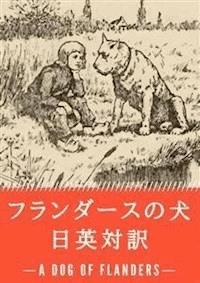
小説・童話で学ぶ英語シリーズの「フランダースの犬」、日英対訳版です。 このシリーズでは、パブリックドメインとなった作品を編集し、英語と日本語の文章を併記することによって、英語学習に活用できる教材にしてご利用いただけます。 知らない英単語や表現も、日本語訳をすぐに確認することによって辞書を使わずに理解できるようになり、また誰もが良く知っているストーリであるため、自分で言葉の意味を予測しながら読み進めることができます。 ぜひ本書を活用して、英語学習に磨きをかけてください。 「『フランダースの犬』(A Dog of Flanders)は、イギリスの作家ウィーダが19世紀に書いた児童文学であり、美術をテーマとした少年の悲劇として知られる。」 (Wikipediaより)
Das E-Book können Sie in Legimi-Apps oder einer beliebigen App lesen, die das folgende Format unterstützen:
Veröffentlichungsjahr: 2018
Ähnliche

















A DOG OF FLANDERS
OUIDA
フランダースの犬
ウィーダ 作
荒木光二郎 訳
Nello and Patrasche were left all alone in the world. They were friends in a friendship closer than brotherhood. Nello was a little Ardennois ― Patrasche was a big Fleming. They were both of the same age by length of years, yet one was still young, and the other was already old. They had dwelt together almost all their days: both were orphaned and destitute, and owed their lives to the same hand. It had been the beginning of the tie between them, their first bond of sympathy; and it had strengthened day by day, and had grown with their growth, firm and indissoluble, until they loved one another very greatly. Their home was a little hut on the edge of a little village ― a Flemish village a league from Antwerp, set amidst flat breadths of pasture and corn-lands, with long lines of poplars and of alders bending in the breeze on the edge of the great canal which ran through it. It had about a score of houses and homesteads, with shutters of bright green or sky-blue, and roofs rose-red or black and white, and walls white-washed until they shone in the sun like snow. In the centre of the village stood a windmill, placed on a little moss-grown slope: it was a landmark to all the level country round. It had once been painted scarlet, sails and all, but that had been in its infancy, half a century or more earlier, when it had ground wheat for the soldiers of Napoleon; and it was now a ruddy brown, tanned by wind and weather. It went queerly by fits and starts, as though rheumatic and stiff in the joints from age, but it served the whole neighborhood, which would have thought it almost as impious to carry grain elsewhere as to attend any other religious service than the mass that was performed at the altar of the little old gray church, with its conical steeple, which stood opposite to it, and whose single bell rang morning, noon, and night with that strange, subdued, hollow sadness which every bell that hangs in the Low Countries seems to gain as an integral part of its melody.
ネロとパトラッシュは、この世で二人きりでした。彼らは、実の兄弟よりも仲のよい大の親友でした。ネロは、アルデンネ(ベルギーの地名)生まれの少年でした。パトラッシュは、大きなフランダース犬でした。どちらも年は一緒でした。けれども、ネロはまだ若く、パトラッシュはもう年寄りでした。彼らは生きている間、ほとんど一緒に暮らしていました。どちらも両親を亡くし、非常に貧しく、同じ人の手で養われていました。初めて出会った時から彼らを結びつけたきずな――それは共感のきずなでしたが――はあったのでした。そして、その共感のきずなは日を追う毎に強まり、彼らが成長するに従い成長し、しっかりと切り離すことができなくなりました。そして、ついには、お互い深く深く愛し合うようになったのでした。 彼らの家は小さな村のはずれにある、小さな小屋でした。村は、フランダース地方にあり、アントワープから5キロばかり離れていました。村は、広々とした牧草地と、とうもろこし畑に挟まれた平野にありました。平野を横切る運河のほとりには、ポプラとハンノキの長い並木がそよ風に吹かれてたなびいていました。村には、およそ二十軒ばかりの家と農家がありました。その家々は、雨戸は明るい緑か空色で、屋根はばら色か白と黒のまだらで、壁は日差しに照らされると雪とみまがうほどに真っ白でした。村の中心には、風車小屋がありました。その小屋は、少しこけの生えた斜面に建っていました。風車小屋は、あたり一帯の平野からは、よい目印になっていました。かつて風車小屋は、帆も何もかも真っ赤に塗られていました。しかし、それは、まだ風車小屋ができた頃の話で、もう半世紀以上も前のことでした。当時は、この小屋はナポレオン将軍の兵士のために小麦を挽いていたのでした。今や、風車小屋は赤茶色でした。長年の風や日射しで色あせてしまったのです。 風車は、時々奇妙な具合に動きました。それは、まるで年取って痛風や関節炎になったみたいでした。けれども、近隣一帯の人たちはみな、この風車小屋で小麦を挽いていました。きっと、よそに小麦を持っていくことは、村の小さな灰色の教会で行われるミサに行かず、よその教会のミサに行くのとほとんど同じくらいに不信心なことであると村人たちは考えていたに違いありません。その教会は、丸いとがった尖塔があって、風車小屋の反対側に建っていました。教会の一つしかない鐘が、この地方一帯の鐘に共通した、奇妙に沈んだ、うつろな悲しい響きを響かせながら、朝昼晩に鳴らされました。
Within sound of the little melancholy clock almost from their birth upward, they had dwelt together, Nello and Patrasche, in the little hut on the edge of the village, with the cathedral spire of Antwerp rising in the north-east, beyond the great green plain of seeding grass and spreading corn that stretched away from them like a tideless, changeless sea. It was the hut of a very old man, of a very poor man ― of old Jehan Daas, who in his time had been a soldier, and who remembered the wars that had trampled the country as oxen tread down the furrows, and who had brought from his service nothing except a wound, which had made him a cripple.
ネロとパトラッシュは、ほとんどの生涯を、時を告げるもの悲しい鐘の音が聞こえる場所で一緒に暮らしていました。二人が住んだ村のはずれの小屋の北側にはアントワープの大聖堂の尖塔がそびえ、小屋との間には、どこまでも続く緑の草原ととうもろこし畑とが、まるで満ち引きすることのない海のように広がっていました。そこは、とても年をとったまずしい老人の小屋でした。ジェハン・ダースは、若い頃は兵士でした。ジェハンじいさんは、牛が畑のあぜを掘り返すように国土を蹂躙(じゅうりん)した戦争のことを憶えていました。老人は、兵士として祖国に奉仕しましたが、奉仕で得たものは、老人をびっこにした傷だけでした。
When old Jehan Daas had reached his full eighty, his daughter had died in the Ardennes, hard by Stavelot, and had left him in legacy her two-year-old son. The old man could ill contrive to support himself, but he took up the additional burden uncomplainingly, and it soon became welcome and precious to him. Little Nello ― which was but a pet diminutive for Nicolas ― throve with him, and the old man and the little child lived in the poor little hut contentedly.
年老いたジェハン・ダースが八十歳になったとき、娘がアルデンヌ地方のスタヴロ近くで亡くなり、形見に二歳になる孫が残されました。ジェハンじいさんは自分一人で食べていくことすらままならない状態でした。けれども、ジェハンじいさんはぐち一つこぼさずにその重荷を引き受けました。そして、孫はすぐにジェハンじいさんにとって歓迎すべき、かけがえのない存在になりました。小さなネロは、ジェハンじいさんと一緒に成長しました。ネロの本当の名前は「ニコラス」で、「ネロ」はニックネームでした。老人と子供は、貧しい小さな小屋で、満ち足りた日々を過ごしていました。
It was a very humble little mud-hut indeed, but it was clean and white as a sea-shell, and stood in a small plot of garden-ground that yielded beans and herbs and pumpkins. They were very poor, terribly poor ― many a day they had nothing at all to eat. They never by any chance had enough: to have had enough to eat would have been to have reached paradise at once. But the old man was very gentle and good to the boy, and the boy was a beautiful, innocent, truthful, tender-hearted creature; and they were happy on a crust and a few leaves of cabbage, and asked no more of earth or heaven; save indeed that Patrasche should be always with them, since without Patrasche where would they have been?
その小屋は、実際とても粗末で小さく、泥でできていました。けれども、きちんと整頓され、貝殻のように真っ白で、豆とハーブとカボチャが植えられた小さな菜園がありました。二人は、本当にひどく貧しかったのでした。まったく食べるものがない日もたくさんありました。満腹するまで食べる機会など、決してありませんでした。満腹するまで食べられるだけで、天にも昇るような心地になったことでしょう。けれども、老人は非常に穏やかで、少年に優しくしました。そして、少年はかわいく、純真で、正直で、優しい性格の子でした。彼らはパンのかけらと数枚のキャベツの葉っぱだけで幸せでした。そして、天にかけても地にかけても、それ以上のものを求めませんでした。パトラッシュがいつも一緒にいてくれることを除いて。パトラッシュなしでどこに安住できるのでしょうか?
For Patrasche was their alpha and omega; their treasury and granary; their store of gold and wand of wealth; their bread-winner and minister; their only friend and comforter. Patrasche dead or gone from them, they must have laid themselves down and died likewise. Patrasche was body, brains, hands, head, and feet to both of them: Patrasche was their very life, their very soul. For Jehan Daas was old and a cripple, and Nello was but a child; and Patrasche was their dog.
二人にとって、パトラッシュは、すべてでした。 二人の宝庫であり、穀倉。 二人の黄金の店であり、富の杖。 二人のパン――かせぎ手であり、召使い。 二人の唯一の友だちであり、慰め。 パトラッシュが死ぬか、二人からとりあげられてしまうと、二人とも倒れて死んでしまったにちがいありません。パトラッシュは、二人にとって、胴体であり、頭であり、手足でした。パトラッシュは、二人にとって人生であり、魂でした。というのは、ジェハン・ダースは老人でびっこで、ネロはほんの子どもに過ぎなかったからです。そして、パトラッシュは彼らの飼い犬でした。
A dog of Flanders ― yellow of hide, large of head and limb, with wolf-like ears that stood erect, and legs bowed and feet widened in the muscular development wrought in his breed by many generations of hard service. Patrasche came of a race which had toiled hard and cruelly from sire to son in Flanders many a century ― slaves of slaves, dogs of the people, beasts of the shafts and the harness, creatures that lived straining their sinews in the gall of the cart, and died breaking their hearts on the flints of the streets.
フランダースの犬は、皮は黄色で、頭と手足は大きく、まっすぐに立ったおおかみのような耳をして、足は曲がり、何世代にもわたる厳しい労働によって発達した筋肉を持っていました。パトラッシュは、フランダース地方で何世紀にもわたって先祖代々酷使される種族の子孫でした。奴隷の中の奴隷であり、人々にこき使われる犬畜生であり、荷車を引くのに使われる獣でした。彼らは、荷車の苦々しさに筋肉を痛め、道の敷石で心臓が破裂して死んでいったのでした。
Patrasche had been born of parents who had labored hard all their days over the sharp-set stones of the various cities and the long, shadowless, weary roads of the two Flanders and of Brabant. He had been born to no other heritage than those of pain and of toil. He had been fed on curses and baptized with blows. Why not? It was a Christian country, and Patrasche was but a dog. Before he was fully grown he had known the bitter gall of the cart and the collar. Before he had entered his thirteenth month he had become the property of a hardware-dealer, who was accustomed to wander over the land north and south, from the blue sea to the green mountains. They sold him for a small price, because he was so young.
パトラッシュの両親は、東西フランダース・ブラバントの、あちこちの町のするどいとがった敷石と、長く、日陰のない、うんざりするような道を、一生働きに働き通したのでした。パトラッシュが両親から受け継いだものと言えば、同じような苦しみと重労働だけでした。パトラッシュは、悪態を食べ、殴打で洗礼を受けました。なぜそれがいけないのでしょう?ここは文明国、キリスト教国です。そして、パトラッシュは犬に過ぎません。パトラッシュは大人になる前に、荷車と首輪のにがさを味わっていました。生後13か月も経たないうちに、パトラッシュは、北の果てから南の果てまで、青い海から緑の山まで行商するのに慣れていた金物の行商人の持ち物になりました。パトラッシュはまだ小さかったので、安い値段で売られました。
This man was a drunkard and a brute. The life of Patrasche was a life of hell. To deal the tortures of hell on the animal creation is a way which the Christians have of showing their belief in it. His purchaser was a sullen, ill-living, brutal Brabantois, who heaped his cart full with pots and pans and flagons and buckets, and other wares of crockery and brass and tin, and left Patrasche to draw the load as best he might, whilst he himself lounged idly by the side in fat and sluggish ease, smoking his black pipe and stopping at every wineshop or cafe on the road.
この行商人は、大酒飲みで獣のような人間でした。パトラッシュの生活は、地獄の生活でした。まるで動物に対して地獄の拷問を行うことが「地獄は本当にある」という自分の信仰を示す方法であるかのように思っている人々がいます。パトラッシュの買い手は、陰気で、邪悪で、残忍なブラバント生まれの男で、荷車につぼ・なべ・ビン・バケツやいろいろな瀬戸物や金属類をいっぱいに積んで、パトラッシュひとりに力の限り荷物を引かせていました。その間、男はといえば、太った体でのんびりとパイプをふかしながらのろのろと荷車のそばを歩き、街道沿いにある酒屋や茶屋を通り過ぎるたびにきまって腰をおろすのでした。
Happily for Patrasche ― or unhappily ― he was very strong: he came of an iron race, long born and bred to such cruel travail; so that he did not die, but managed to drag on a wretched existence under the brutal burdens, the scarifying lashes, the hunger, the thirst, the blows, the curses, and the exhaustion which are the only wages with which the Flemings repay the most patient and laborious of all their four-footed victims. One day, after two years of this long and deadly agony, Patrasche was going on as usual along one of the straight, dusty, unlovely roads that lead to the city of Rubens. It was full midsummer, and very warm. His cart was very heavy, piled high with goods in metal and in earthenware. His owner sauntered on without noticing him otherwise than by the crack of the whip as it curled round his quivering loins. The Brabantois had paused to drink beer himself at every wayside house, but he had forbidden Patrasche to stop a moment for a draught from the canal. Going along thus, in the full sun, on a scorching highway, having eaten nothing for twenty-four hours, and, which was far worse to him, not having tasted water for near twelve, being blind with dust, sore with blows, and stupefied with the merciless weight which dragged upon his loins, Patrasche staggered and foamed a little at the mouth, and fell.
幸か不幸か、パトラッシュはとても丈夫だったのです。パトラッシュは、鉄の種族の生まれでした。その種族は、情け容赦のない労苦に従事するために長年繁殖させられたものでした。そういうわけでパトラッシュはひどい重荷を負わされ、むちうたれ、飢えと渇きに苦しめられ、なぐられ、ののしられて、すっかり疲れ切ってしまっても、何とかみじめに生き長らえることができたのでした。こうした苦しみが、もっとも忍耐強く、よく働く四つ足の犠牲者に対してフランダースの人間が与える唯一の報酬でした。 この長くて死にそうな苦しみを味わって二年経ったある日のこと、パトラッシュはルーベンスの住んだアントワープに通じるまっすぐな、埃っぽい、不快な道をいつも通り進んでいました。真夏で、とても暑い日でした。荷車はとても重く、金物や、せとものの商品がうず高く積まれていました。パトラッシュの持ち主は、ときどきパトラッシュの腰に鞭をぴしっと打つ以外は、パトラッシュのことなど気にもとめずにぶらぶらと歩いていました。このブラバント生まれの男は、道ばたで居酒屋をみつけるたびにビールを飲むために立ち寄りました。けれども、パトラッシュが運河で水を一口飲むために一瞬でも立ち止まるようなことは、許したりはしませんでした。パトラッシュは、こんな状態で、かんかんでりの中、焼けるような街道を歩いていきました。パトラッシュは二十四時間何も食べず、もっと悪いことには、十二時間近くも水も飲んでいなかったのでした。ほこりで目がくらみ、むち打たれた傷は痛み、情け容赦のない重荷に感覚がなくなり、パトラッシュはよろめいて口から少しあわをふいて倒れました。
He fell in the middle of the white, dusty road, in the full glare of the sun; he was sick unto death, and motionless. His master gave him the only medicine in his pharmacy ― kicks and oaths and blows with a cudgel of oak, which had been often the only food and drink, the only wage and reward, ever offered to him. But Patrasche was beyond the reach of any torture or of any curses. Patrasche lay, dead to all appearances, down in the white powder of the summer dust. After a while, finding it useless to assail his ribs with punishment and his ears with maledictions, the Brabantois ― deeming life gone in him, or going so nearly that his carcass was forever useless, unless indeed some one should strip it of the skin for gloves ― cursed him fiercely in farewell, struck off the leathern bands of the harness, kicked his body aside into the grass, and, groaning and muttering in savage wrath, pushed the cart lazily along the road up-hill, and left the dying dog for the ants to sting and for the crows to pick.
パトラッシュが倒れたのは、日差しの強烈なまぶしい光を浴びた、白い、埃っぽい道の真ん中でした。パトラッシュは病気で死にそうになり、動かなくなりました。彼の主人は彼が持っていたただ一つの薬を与えました――それは、パトラッシュを蹴り、ののしり、そして、樫の木の棍棒でなぐることでした。これらは、これまでもしばしばパトラッシュに提供されるただ一つの食べ物であり、報酬でもあったのです。しかし、パトラッシュはどんな拷問も悪態も、手の届かないところにいました。夏の白いほこりの中で、パトラッシュはどう見ても、死んだように横たわっていました。しばらくして、いくら肋骨をけとばしても、いくら耳元でどなりつけても役に立たないと分かり、このブラバンド生まれの男は、パトラッシュが死んでしまったか、死にかけていて、誰か死体の皮を剥いで手袋を作らない限りはもう役に立たない、と思いました。そこで、別れのはなむけにはげしくののしり、引き具の皮ひもをとりはずし、パトラッシュの体を道路の脇の草むらまでけとばしました。それから激しく怒り、ぶつぶつと不平をこぼしながら、上り坂をのろのろと荷車を押していきました。このように死にかけた犬は置き去りにして、ありがかんだり、カラスがつついたりするのに任せておきました。
It was the last day before Kermesse away at Louvain, and the Brabantois was in haste to reach the fair and get a good place for his truck of brass wares. He was in fierce wrath, because Patrasche had been a strong and much-enduring animal, and because he himself had now the hard task of pushing his charette all the way to Louvain. But to stay to look after Patrasche never entered his thoughts: the beast was dying and useless, and he would steal, to replace him, the first large dog that he found wandering alone out of sight of its master. Patrasche had cost him nothing, or next to nothing, and for two long, cruel years had made him toil ceaselessly in his service from sunrise to sunset, through summer and winter, in fair weather and foul.
翌日は、ルヴァンの町で祭りの市が開かれる日でした。だから、ブラバンド生まれの男は、早く市のたつ場所にかけつけて、金物の商品をつんだ自分の荷車に、いい場所を確保しようと躍起になっていました。彼は激しく怒りました。というのは、パトラッシュは今まで頑丈で辛抱強い動物だったのに、今度はルヴァンまでの遠い道のりを重い荷車を引いていくというきつい仕事を自分でやらなくてはならなくなったからです。けれども、パトラッシュの看病をするためにとどまることなど、思いもよらないことでした。獣は死にかけていて役に立ちませんでした。この行商人は、主人からはぐれた大きな犬を見つけたら、盗んでパトラッシュの替わりにしたでしょう。 彼がパトラッシュに費やしたお金はほとんどないに等しい状態でした。そして、2年もの長い、残酷な月日を、朝から晩まで、夏も冬も、天気のよい日も悪い日も、絶え間なく酷使し続けたのです。
He had got a fair use and a good profit out of Patrasche: being human, he was wise, and left the dog to draw his last breath alone in the ditch, and have his bloodshot eyes plucked out as they might be by the birds, whilst he himself went on his way to beg and to steal, to eat and to drink, to dance and to sing, in the mirth at Louvain. A dying dog, a dog of the cart ― why should he waste hours over its agonies at peril of losing a handful of copper coins, at peril of a shout of laughter?
彼は、パトラッシュを利用するだけ利用しつくし、けっこうな利益をパトラッシュから得ていました。しかし、彼は人間らしくずる賢く、犬が溝で最後の息を引き取るにまかせておきました。カラスがパトラッシュの血走った目をえぐりだすかもしれませんが、彼は、ルヴァンで物乞いをしたり盗んだり食べたり飲んだり、踊ったり歌ったり、楽しむために、道を進んでいきました。死にかけた犬、荷車引きの犬――なぜそんなものの苦しみに付き合って時間を無駄にし、少しばかりの銅貨を稼ぎそこなったり、笑うような楽しい思いをふいにしなければならない危険をおかさなければならないのでしょうか。
Patrasche lay there, flung in the grass-green ditch. It was a busy road that day, and hundreds of people, on foot and on mules, in wagons or in carts, went by, tramping quickly and joyously on to Louvain. Some saw him, most did not even look: all passed on. A dead dog more or less ― it was nothing in Brabant: it would be nothing anywhere in the world.
パトラッシュは、道ばたの草むらが茂るみぞに投げ捨てられたまま、そこで横たわっていました。その日は人通りが多い日でした。何百人もの人々が歩いたりらばに乗ったり、荷馬車や荷車に乗ったりしてルヴァンに向かって急ぎ足で陽気に通り過ぎていました。何人かはパトラッシュを見ました。ほとんどの人は、見向きさえしませんでした。皆、通り過ぎていきました。死んだも同然の犬――それは、ベルギー人にとって無価値でした。いや、世界中のどこだって、何の価値もなかったでしょう。
After a time, among the holiday-makers, there came a little old man who was bent and lame, and very feeble. He was in no guise for feasting: he was very poorly and miserably clad, and he dragged his silent way slowly through the dust among the pleasure-seekers. He looked at Patrasche, paused, wondered, turned aside, then kneeled down in the rank grass and weeds of the ditch, and surveyed the dog with kindly eyes of pity. There was with him a little rosy, fair-haired, dark-eyed child of a few years old, who pattered in amidst the bushes, for him breast-high, and stood gazing with a pretty seriousness upon the poor, great, quiet beast.
しばらくして、休暇中の人々に混ざって、小柄の老人がやってきました。その老人は、腰が曲がり、足が不自由で、とても弱々しそうでした。彼はとてもまずしく、みすぼらしい服を着ていて、とても祭りに行くような格好ではありませんでした。そして、彼は祭りを楽しもうとしている人たちの群れでほこりが立っている中を、とぼとぼとゆっくりと歩いていきます。老人は、パトラッシュを見て立ち止まり、不思議に思って脇により、溝の草むらにうずくまって、同情のこもった優しい目で犬を調べました。二、三歳くらいの、少しバラ色で金髪の、黒目をした子どもが老人と一緒にいました。子どもは、胸の高さもある草むらの中をぱたぱたと走って、このかわいそうな、大きな、じっとしている動物を、立ったまま、かわいらしくまじめにじっと見つめました。
Thus it was that these two first met ― the little Nello and the big Patrasche.
彼ら二人――小さいネロと大きいパトラッシュ――はこのようにして出会ったのでした。
The upshot of that day was, that old Jehan Daas, with much laborious effort, drew the sufferer homeward to his own little hut, which was a stone's throw off amidst the fields, and there tended him with so much care that the sickness, which had been a brain seizure, brought on by heat and thirst and exhaustion, with time and shade and rest passed away, and health and strength returned, and Patrasche staggered up again upon his four stout, tawny legs.
その日の結末はというと、年老いたジェハンじいさんは、大層骨を折って苦しんでいるパトラッシュをジェハンじいさんが住んでいる小さな小屋に引きずっていったのでした。その小屋は、パトラッシュが倒れていた場所から、石を投げれば届くような、ごく近いところにありました。そこでパトラッシュはじゅうぶんに介抱されました。病気は、熱と渇きと疲れによる脳発作でしたから日陰で時間をかけてゆっくりと休むと、健康と力が戻ってきました。そして、パトラッシュは、四本の丈夫な黄褐色の足で、再びよろめきながらも立ち上がることができるようになったのでした。
Now for many weeks he had been useless, powerless, sore, near to death; but all this time he had heard no rough word, had felt no harsh touch, but only the pitying murmurs of the child's voice and the soothing caress of the old man's hand.
何週間もパトラッシュは使い物にならず、無力で、体中が痛み、ほとんど死にかけていました。けれども、この間、パトラッシュは粗いことばを耳にしませんでしたし、残酷にぶたれることもありませんでした。そのかわりにただ、同情のこもった子どものつぶやきと、老人のいたわるような愛撫だけを感じたのでした。
In his sickness they too had grown to care for him, this lonely man and the little happy child. He had a corner of the hut, with a heap of dry grass for his bed; and they had learned to listen eagerly for his breathing in the dark night, to tell them that he lived; and when he first was well enough to essay a loud, hollow, broken bay, they laughed aloud, and almost wept together for joy at such a sign of his sure restoration; and little Nello, in delighted glee, hung round his rugged neck with chains of marguerites, and kissed him with fresh and ruddy lips.
パトラッシュが病気の間、この孤独な男と小さな幸せな子供は、パトラッシュが好きになりました。小屋の片隅に干し草を積んで、パトラッシュのベッドにしました。そして、二人は、パトラッシュが生きているかどうか確かめるために、暗闇の中でパトラッシュの息づかいに聞き耳をたてるようになりました。そして、パトラッシュがはじめて大きな、うつろな切れ切れの鳴き声をたてた時、パトラッシュが回復したという確かなしるしに、二人は声をたてて笑い、一緒に喜んで、ほとんど泣き出しそうになりました。そして、小さなネロは、喜びのあまり、マーガレットの花輪をパトラッシュの頑丈な首にかけて、新鮮な赤い唇で彼にキスしました。
So then, when Patrasche arose, himself again, strong, big, gaunt, powerful, his great wistful eyes had a gentle astonishment in them that there were no curses to rouse him and no blows to drive him; and his heart awakened to a mighty love, which never wavered once in its fidelity whilst life abode with him.




