


Erhalten Sie Zugang zu diesem und mehr als 300000 Büchern ab EUR 5,99 monatlich.
- Herausgeber: epubli
- Kategorie: Geisteswissenschaft
- Sprache: Englisch
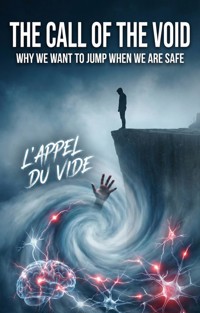
You are standing on a high balcony or a cliff edge, perfectly safe behind a railing. Suddenly, a terrifying thought flashes through your mind: "I could just jump." You recoil in horror, wondering if you are suicidal or losing your mind. You are not. You are experiencing "L'appel du vide" (The Call of the Void), also known as the High Place Phenomenon. This book explores the fascinating neuroscience behind this universal intrusive thought. Studies show that over 50% of people experience it, and ironically, it is more common in people with high anxiety. Why? Because it is a misinterpretation of a safety signal. Your balance system screams "Danger!", and your conscious mind, realizing you are safe, interprets the physical arousal as a desire to jump. "The Call of the Void" is a comforting guide to the strange glitches of the human brain. It explains why we think about steering into oncoming traffic or shouting in church. It teaches us that a thought is just a thought, not a command, and that this specific fear is actually proof that your brain wants you to live.
Sie lesen das E-Book in den Legimi-Apps auf:
Seitenzahl: 166
Veröffentlichungsjahr: 2026
Das E-Book (TTS) können Sie hören im Abo „Legimi Premium” in Legimi-Apps auf:
Ähnliche




















Table of Contents
Chapter 1: Understanding L'appel du Vide
Defining L'appel du Vide
The Neuroscience Behind the Phenomenon
Psychological Perspectives
Distinguishing Between Thoughts and Actions
Symptoms and Recognition
Coping Mechanisms and Strategies
Chapter 2: The Neuroscience Behind Intrusive Thoughts
Understanding Intrusive Thoughts
The Brain's Response to Threat
The Mechanics of Intrusive Thoughts
Anxiety and Its Connection to Intrusive Thoughts
Misinterpretation of Signals: The Safety-Danger Paradox
Applying Neuroscience to Real Life
Chapter 3: Intrusive Thoughts and Anxiety
Understanding Intrusive Thoughts
The Link Between Anxiety and L'appel du vide
Coping Strategies for Intrusive Thoughts
The Neuroscience Behind High Place Phenomenon
Chapter 4: The Balance System and Safety Signals
Understanding the Balance System
Misinterpretation of Safety Signals
Anxiety and the Balance System
Strategies for Managing Intrusive Thoughts
Chapter 5: The Psychology of Safety and Danger
Understanding Perceived Safety Vs. Real Safety
The Role of Anxiety in Interpretations of Safety
Intrusive Thoughts: Signals From Our Brain
Misfiring of Survival Instincts
Chapter 6: The Role of Survival Instincts
Understanding Survival Instincts
The High Place Phenomenon Explained
The Role of Anxiety in Intrusive Thoughts
Misinterpretations of Safety Signals
Chapter 7: Why People Experience the Phenomenon
The Biological Basis of Intrusive Thoughts
The Psychological Perspective
The Societal Impact of L'appel du vide
Coping Strategies and Misconceptions
Chapter 8: When Intrusive Thoughts Become Disturbed
Understanding Intrusive Thoughts
The Dark Side of Intrusive Thoughts
The Role of Neuroscience
Navigating Intrusive Thoughts
When to Seek Help
Chapter 9: Reassessing Fear: From 'Jump' to 'Live'
Understanding Intrusive Thoughts
The Neuroscience Behind L'appel du Vide
Coping Mechanisms for Intrusive Thoughts
Reframing Fear as a Survival Mechanism
Chapter 10: The Therapeutic Approach to Understanding Intrusive Thoughts
Understanding Intrusive Thoughts
The Role of Cognitive-Behavioral Therapy
Mindfulness and Acceptance-Based Approaches
Building a Support System
Developing Coping Strategies
Chapter 11: Sharing Experiences: L'appel du Vide Stories
The First Encounter: A Moment of Panic
The Comfort of Shared Experiences
Transforming Fear into Understanding
Coping Strategies: From Panic to Peace
Chapter 12: Embracing Our Thoughts: The Complexity of the Human Mind
Understanding Intrusive Thoughts
The Neuroscience Behind L'appel du vide
The Role of Anxiety in Intrusive Thoughts
Embracing Thoughts vs. Suppressing Them
Finding Meaning in Disturbing Thoughts
Moving Forward: Acceptance and Will to Live
Embracing the Call: A Path to Understanding
Chapter 1: Understanding L'appel du Vide
In this chapter, we will explore the intriguing phenomenon known as L'appel du vide or The Call of the Void. This concept encompasses the strange yet common urge to jump from high places when we feel completely safe. We will discuss the psychological and neurological underpinnings that explain why so many people experience these thoughts, despite never intending to act on them.
Defining L'appel du Vide
L'appel du vide, or The Call of the Void, refers to the peculiar urge experienced by many individuals when standing on high places. It’s vital to understand what this phenomenon means and how it manifests in our thoughts.
This phenomenon is not uncommon; studies suggest over 50% of people experience it.
L'appel du vide, or The Call of the Void, affects more individuals than one might initially think. Research indicates that more than 50% of people have experienced this peculiar urge at some point in their lives. This prevalence highlights that it is a shared human experience, not just an isolated occurrence. For many, these thoughts arise in response to a triggers such as standing at the edge of a high balcony or cliff, where the juxtaposition of safety and height creates a unique psychological environment.
The phenomenon challenges our understanding of intrusive thoughts, as it emerges within the context of perceived safety. This serves to normalize a thought that often feels alarming, allowing us to see it instead as a curious aspect of our neural wiring. Such insights often help individuals feel less isolated and more connected to the broader human experience, fostering a sense of understanding and acceptance.
L'appel du vide is distinct from suicidal ideation; it’s more about contemplation than intention.
It is important to clarify that L'appel du vide should not be confused with suicidal thoughts or intentions. While both phenomena may occur in similar contexts, the fundamental difference lies in the nature of the thought. L'appel du vide is more about a fleeting contemplation of an extreme action without any real desire to carry it out.
In contrast to suicidal ideation, which often stems from deep emotional pain and a desire to escape suffering, the Call of the Void emerges more innocently. It presents as an unexpected thought in moments of calm, prompting curiosity rather than desolation. Understanding this distinction can help alleviate unnecessary anxiety in those who experience the phenomenon, reassuring them that it is a natural part of human cognition.
The term is French for 'The Call of the Void,' highlighting its mysterious nature.
The term "L'appel du vide" translates literally to "The Call of the Void" in English, conveying a sense of allure towards uncertainty and danger. The use of French underscores the phenomenon's enigmatic qualities, evoking a feeling of sophistication and intrigue surrounding the concept. This allure can prompt individuals to question why such thoughts arise when they are in safe situations.
This poetic phrasing also encapsulates the paradoxical relationship humans have with danger and security. The “void” represents both a literal and figurative space where one's mind wanders to dark possibilities, allowing us to grapple with our understanding of fear and safety. This term captures not just the experience itself but also our emotional reactions to it, inviting individuals to explore the depths of their own psyche.
This urge can occur in safe environments, such as balconies or cliffs, leading to anxiety for those who experience it.
Interestingly, the Call of the Void often manifests in remarkably safe environments, such as high balconies, cliffs, or other elevated spaces. The stark contrast between physical safety and the sudden intrusive thought of jumping can trigger a significant anxiety response in many individuals. In these moments, the brain’s fear response may become hyperactive, interpreting the small surge of adrenaline as a danger signal.
This sense of danger is typically a misreading of cognitive signals. The brain, designed to prioritize survival, can create a false sense of threat as it processes the physical sensations of being at height. Consequently, individuals may find themselves in a paradoxical mindset: feeling safe yet experiencing a rush of fear. Acknowledging this complex interplay can help demystify the experience, offering individuals insight into their thoughts without allowing it to dictate their feelings or actions.
The Neuroscience Behind the Phenomenon
The brain plays a crucial role in how we interpret feelings of safety and danger. Understanding the neuroscience behind L'appel du vide can shed light on its psychological implications.
The brain's balance system risks interpreting safe situations as perilous ones.
The human brain is equipped with a complex balance system, which is vital for maintaining stability and spatial awareness. This system consists of various neural pathways that assess our environment and detect potential threats. When we find ourselves in high places, like a balcony or cliff, the brain's balance mechanisms can become hyper-aware, triggering a sense of danger even when we are completely secure. This heightened sensitivity serves an evolutionary purpose; it evolved to protect us from genuine threats in our ancestral environment.
However, this can lead to misinterpretations. The brain may misread safe scenarios as perilous ones, producing a paradoxical urge to jump, as the body reacts with increased arousal. As a consequence, individuals may experience a spike in anxiety, where their internal safety signals clash with their emotional reactions. Understanding this interplay is essential, as it highlights the brain's instinctual wiring to prioritize survival, reflecting a protective mechanism gone awry in the context of perceived risks.
A misfire in neural signals can cause physical arousal, leading to intrusive thoughts.
The experience of L'appel du vide can be understood as a cognitive collision between thought processes and physiological responses. When we stand at the edge of a high place, our brain's neural signals may misfire, creating sensations that are interpreted both emotionally and physically. This nervous system response can result in rapid heartbeats, sweaty palms, and a surge of adrenaline, all of which contribute to a heightened state of anxiety.
This physical arousal often manifests as intrusive thoughts—like the sudden urge to jump or veer toward danger. Rather than indicating a genuine desire to act on these thoughts, they are often a miscommunication arising from our brain's assessment of the situation. It’s a fascinating yet perplexing experience that underscores the complex relationship between mind and body, reminding us that our thoughts, while distressing, do not dictate our actions.
Our fear response is activated, but our cognitive understanding of safety contradicts this.
When faced with the stark contrast between a high place and the reality of our safety, our brain experiences a curious dissonance. Our fear response, originating from the amygdala, remains primed and ready to react to threats, even when logically, we recognize that we are safe. This activation of the fear pathway can create a compelling tug-of-war between instinctual impulses and rational thought.
This internal conflict may lead to feelings of panic or anxiety, even in situations where conscious knowledge asserts that jumping is unimaginable. Understanding how our fear response operates in conjunction with our cognitive appraisal of a situation can help demystify experiences of L'appel du vide. It reminds us that our mind doesn’t always align with our conscious awareness, leading to these peculiar, often frightening, intrusive thoughts.
The interplay between the amygdala (fear center) and the prefrontal cortex (rational thinking) contributes to these thoughts.
The complexities of the brain are beautifully illustrated in the interplay between the amygdala and the prefrontal cortex. The amygdala, known as the center of fear processing, is responsible for generating emotional responses to perceived threats, while the prefrontal cortex is integral to rational thought and decision-making. In situations involving high places, the amygdala activates our fear responses in anticipation of danger.
This activation can lead to overwhelming sensations that prompt intrusive thoughts. Conversely, the prefrontal cortex attempts to counteract these alarming signals by implementing logical reasoning, insisting on the safety of the situation. This dynamic clash between fear and reasoning can lead to confusion and anxiety, often experienced as an urgent, inexplicable desire to jump. Gaining insight into this neural tug-of-war helps clarify that these thoughts are not impulses to act, but rather reflections of the brain's protective mechanisms functioning at an odd frequency.
Psychological Perspectives
L'appel du vide brings forward many psychological questions. Why do we feel this way, and what does it reveal about our mental state?
Anxiety may heighten our sensitivity to intrusive thoughts, making the phenomenon more common in anxious individuals.
Research indicates that anxiety can significantly amplify our awareness of intrusive thoughts, including those classified under L'appel du vide. Individuals who experience heightened anxiety are often more attuned to their surroundings and internal states, leading them to be more receptive to distressing or unexpected thoughts. This increased sensitivity can create a feedback loop where the mere presence of anxiety exacerbates the prevalence of these intrusive thoughts, making them feel more immediate and alarming.
Anxious individuals may misinterpret the situation during moments of calm as potentially dangerous, which can trigger the urge to jump or engage in risky behaviors. This dissonance between feeling safe physically and fearful mentally reveals how our minds sometimes override rational thought with irrational fears. Understanding this connection helps demystify the experience, emphasizing that while the intrusive thoughts may appear disturbing, they are often a product of the brain's heightened alertness to perceived threats.
This urge can be a byproduct of our survival instinct, reminding us of our mortality.
The phenomenon of wanting to jump, even when completely secure, can be linked to our innate survival instincts. This urge may serve as an intense reminder of our mortality, a psychological nudge prompting us to acknowledge the fragility of life. The juxtaposition of standing at a great height and contemplating a jump acts as a stark contrast, forcing us to confront thoughts about life and death.
From an evolutionary perspective, this phenomenon might have developed as a way of maintaining awareness of our environment and surroundings. Such reminders can help refocus our attention on safety, even if they manifest in unsettling ways. By recognizing these thoughts as part of our survival mechanism, we can appreciate their role in keeping us alert about potential dangers in our life, thus fostering a greater respect for our safety and existence.
The intrusive thoughts can often be misinterpreted as desires, leading to confusion.
One common misunderstanding surrounding L'appel du vide is the tendency to interpret these intrusive thoughts as genuine desires. This misinterpretation can create significant anxiety, leading individuals to question their mental health or safety. The thought of jumping from a height can feel like an invitation to act, perturbing the mind into believing that these thoughts carry an inherent intention.
However, it is crucial to distinguish between a fleeting thought and a desire to act upon it. The brain often generates intrusive thoughts as a part of its normal functioning, especially under stress or anxiety. Recognizing that these thoughts are not commands, but rather spontaneous misfires of the mind, can alleviate some of the distress associated with them. By understanding this distinction, individuals can reclaim a sense of control over their thoughts rather than succumbing to the confusion and fear they may generate.
Understanding these thoughts can help normalize them and reduce associated anxiety.
Awareness and understanding of L'appel du vide can be incredibly beneficial in reducing the anxiety linked to these thoughts. By realizing that experiencing such urges is common and not indicative of suicidal tendencies or mental instability, individuals can cultivate a calming perspective. This knowledge can shift the narrative surrounding intrusive thoughts from one of fear to one of curiosity and acceptance.
Support and education surrounding these phenomena can further demystify the experience, helping normalize it within the broader spectrum of human behavior. Therapeutic approaches that encourage mindfulness and cognitive restructuring can also aid individuals in reframing their understanding of these thoughts. Ultimately, embracing these moments as fleeting quirks of the human mind can empower individuals to reduce their anxiety and enhance their overall mental well-being.
Distinguishing Between Thoughts and Actions
It's essential to recognize that thoughts, including intrusive ones, do not dictate actions. This section explores how to differentiate between the two.
Thoughts are merely mental events; they do not require action or necessarily reflect intent.
It is crucial to understand that thoughts are transient mental events that occur in the mind and do not inherently compel us to act. When experiencing intrusive thoughts, such as a sudden urge to jump from a high place, many individuals may feel a sense of panic or fear. However, recognizing that these thoughts do not reflect a true desire or intent is essential. They are simply products of our cognitive processes, often arising from complex interactions between our emotions and environmental stimuli.
In many cases, these thoughts emerge as part of the brain's safety monitoring system, interpreting sensations of fear as a prompt to evaluate our surroundings. By acknowledging that thoughts are not synonymous with intent, individuals can foster a healthier relationship with their mental experiences.
Understanding that it's normal to have strange thoughts can lessen their hold on us.
Many people may feel isolated or troubled by intrusive thoughts, but it's vital to recognize that such experiences are common and entirely normal. Research suggests that more than half of the population has had thoughts associated with the High Place Phenomenon. Acknowledging the universality of these experiences helps to diminish the stigma attached to them.
When we normalize these thoughts, we strip them of their power. Instead of viewing them as alarming anomalies, we can regard them as ordinary quirks of the human psyche. This perspective can reduce anxiety and fear, allowing individuals to accept their thoughts without judgment, thereby promoting emotional resilience.
Recognizing the difference can empower individuals to process these thoughts without fear.
Differentiating between intrusive thoughts and actionable intentions is an empowering skill. By becoming aware that a thought does not dictate behavior, individuals can approach these mental events with curiosity rather than fear. This distinction allows for more constructive processing of the thoughts.
For instance, when faced with the troubling thought while standing on a balcony, one can assess the context, reaffirming their safety and the lack of a true desire to jump. This cognitive separation fosters greater mental clarity, allowing individuals to navigate through their thoughts without falling prey to debilitating anxiety or panic.
Cognitive behavioral techniques can aid in re-framing these thoughts as just thoughts.
Cognitive-behavioral therapy (CBT) offers effective strategies for reframing intrusive thoughts. One key aspect of CBT involves cognitive restructuring, which helps individuals contest irrational beliefs and shift their perceptions of intrusive thoughts. By questioning the validity of these thoughts, individuals can build a more rational framework around their mental experiences.
For example, utilizing thought logs or engaging in mindfulness exercises can assist individuals in observing their thoughts without judgment. This practice allows them to recognize these thoughts as fleeting events rather than serious indications of intent. Over time, employing these techniques can significantly mitigate the distress associated with intrusive thoughts, transforming fear into understanding.
Symptoms and Recognition
Identifying the signs associated with L'appel du vide can be empowering and helpful for many who experience it.
Individuals often experience a sudden flash of thought when near edges, despite being safe.
Many people report an astonishingly vivid impulse or thought as they approach the edge of a high place, even when they are perfectly secure. This phenomenon, known as L'appel du vide or The Call of the Void, is not an indication of suicidal tendencies or a desire to leap. Instead, it is a sudden, intrusive thought that seems to arise spontaneously, causing confusion and sometimes distress. These thoughts can catch individuals off guard, leading them to question their mental state.
This experience highlights the complex interplay between our instinctual fears and cognitive awareness of safety. The brain, constantly assessing risks, can erroneously signal danger when the individual is near a precipice, resulting in thoughts that seem out of place. Understanding that these mental flashes are common can help demystify the experience, allowing individuals to recognize them for what they are—a quirk of human psychology rather than an impending danger.
Physical symptoms may include a quickened heart rate or a feeling of unease.
When confronted with heights, individuals may notice several physical symptoms as their body reacts to what it perceives as a threat. This reaction often manifests as a quickened heart rate, shallow breathing, and an overwhelming sense of unease. These physiological responses are primed by our survival instincts, preparing us to respond to potential danger.
Interestingly, these symptoms are not necessarily linked to a desire to jump, despite being in a safe environment. Instead, they stem from a misinterpretation of signaling within the brain. The autonomic nervous system might react as if one is truly in peril. Recognizing these symptoms as a normal part of the experience can alleviate some of the anxiety associated with them, empowering individuals to view them as symptoms of the body's defensive mechanism rather than indicators of impending doom.
Recognizing these symptoms can help individuals manage their anxiety effectively.
By learning to identify the signs and symptoms associated with L'appel du vide, individuals can better manage their anxiety when faced with heights. Acknowledging that a racing heart or a fleeting thought of jumping is a common reaction can dramatically shift one’s perspective. Awareness is a powerful tool, allowing individuals to approach their feelings with self-compassion rather than fear.
This understanding helps reduce the intensity of the emotional and physical responses experienced, making it easier to navigate situations that might otherwise trigger anxiety. Whether through mindfulness techniques or cognitive reframing, recognition of these symptoms equips individuals with strategies to cope with anxiety, reinforcing that their thoughts are transient and do not dictate action.
Awareness fosters understanding and reduces the stigma surrounding these thoughts.
Building awareness around L'appel du vide not only helps individuals understand their experiences but also plays an essential role in reducing the stigma associated with intrusive thoughts. Many people mistakenly believe that such thoughts reflect mental instability or a desire to harm oneself. In reality, these thoughts are a shared human experience, encountered by countless individuals.




