


5,00 €
Mehr erfahren.
- Herausgeber: self-publishing
- Kategorie: Ratgeber
- Sprache: Englisch
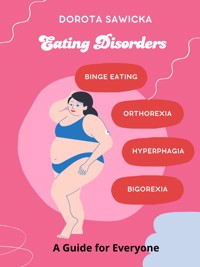
The book "Eating Disorders - Wolf Hunger, Orthorexia, Bigorexia, Hyperphagia" explores various eating disorders, their characteristics, causes, and the impact on the lives of those who struggle with them. Each of the discussed disorders, such as:
1. Binge Hunger - An obsessive desire to eat, often triggered by emotions or stress, leading to compulsive overeating.
2. Orthorexia - An extreme fixation on healthy eating, which can lead to the elimination of many food groups and negative health effects.
3. Bigorexia - A mental disorder associated with an obsession over body building, often manifested in a relentless pursuit of increased muscle mass through extreme diets and intensive workouts.
4. Hyperphagia - Excessive eating, often a result of emotional eating, leading to health issues such as obesity.
The book also analyzes the various factors that can lead to the development of these disorders, including psychological, social, and cultural factors. It provides advice and support strategies for individuals dealing with these issues and their loved ones. The aim of the book is to raise awareness about eating disorders and encourage seeking help to overcome them.
Das E-Book können Sie in Legimi-Apps oder einer beliebigen App lesen, die das folgende Format unterstützen:
Veröffentlichungsjahr: 2024
Ähnliche




















Dorota Sawicka
Eating Disorders
BINGE EATING, ORTHOREXIA, HYPERPHAGIA, BIGOREXIA
A Guide for Everyone
© Copyright by Dorota Sawicka
Cover Design: canva.com
ISBN e-book: 978-83-973147-8-8
All rights reserved.
Copying or distributing parts or the entirety without the publisher's consent is prohibited.
First Edition 2024
Table of Contents
EATING DISORDERS: KNOWLEDGE AS A BASIS FOR ACTION
WHY IS KNOWLEDGE ABOUT EATING DISORDERS IMPORTANT?
FACTORS INFLUENCING THE DEVELOPMENT OF EATING DISORDERS
SOCIO-CULTURAL FACTORS
WHY ARE SOCIO-CULTURAL FACTORS IMPORTANT FOR EATING DISORDERS?
PSYCHOLOGICAL FACTORS
DIFFICULT FAMILY SITUATIONS
BIOLOGICAL FACTORS
RECOGNIZING EATING DISORDERS
UNSPECIFIED EATING DISORDERS
BINGE EATING
FEEDING AND EATING PROBLEMS IN CHILDREN
PICA
RUMINATION
EATING DISORDERS NOT INCLUDED IN DSM-IV
NIGHT EATING SYNDROME
CRAVINGS FOR SUGAR/CARBOHYDRATES
THE STORY OF MICHALINA
ORTHOREXIA NERVOSA
SYLWIA'S STORY
HYPERPHAGIA
MARCELINA'S STORY
BIGOREXIA
KRYSIA'S STORY
DISCUSSING EATING DISORDERS
PREPARING FOR THE CONVERSATION
ORGANIZING THE CONVERSATION
CONVERSATION CIRCUMSTANCES
TIME AND PLACE
PARTICIPANTS IN THE CONVERSATION
CONVERSATION PROGRESS
ENDING THE CONVERSATION ABOUT EATING DISORDERS
EVALUATING THE CONVERSATION
SUMMARY
EATING DISORDERS. HELPING
INTRODUCTION
SUPPORT, APPROACHES, AND THERAPEUTIC METHODS
SELECTED THERAPEUTIC METHODS
PSYCHOANALYTIC METHOD
COGNITIVE-BEHAVIORAL APPROACH
HUMANISTIC APPROACH
SYSTEMIC-FAMILY APPROACH
FEMINIST-PSYCHODYNAMIC APPROACH
TYPES OF THERAPEUTIC WORK
INDIVIDUAL THERAPY
FAMILY THERAPY
GROUP THERAPY
ART THERAPY
THE ROLE OF ART IN THERAPY
WHY IS ART IMPORTANT IN THERAPY?
BODY-FOCUSED THERAPY
PHARMACOLOGICAL THERAPY
SUPPORTIVE PSYCHOTHERAPY
THE INTERNET AS A MEANS OF COMMUNICATION AND INFORMATION EXCHANGE
THERAPY AS A PATH TO CHANGE
BEGINNING THERAPY
THERAPY GOALS
ROLE OF THE THERAPIST
THERAPIST AS A GUIDE
THERAPIST AS AN INTERPRETER
THERAPIST AS A TEACHER
THERAPIST AS A PARENTAL ADVISOR
ROLE OF PARENTS AND CLOSE RELATIVES
FIRST CONSULTATION MEETING
HOW TO PROCEED WHEN A PERSON DOES NOT WANT TO SEEK TREATMENT
SUMMARY
HOW TO PREVENT EATING DISORDERS?
INTRODUCTION
HUMAN HEALTH AND THE ENVIRONMENT
THE IMPORTANCE OF PREVENTION
THE FAMILY AS A SYSTEM IN THE CONTEXT OF A CHILD'S PROBLEMS AND THE ROLE OF THE SCHOOL
PARENTS AND TEACHERS CARING FOR CHILD SUPPORT
FIGHTING EATING DISORDERS
SUBMISSION
AVOIDANCE
COMPROMISE
COLLABORATION
REHABILITATION - MAIN CHALLENGES AND SUPPORT METHODS
SUMMARY
EATING DISORDERS: KNOWLEDGE AS A BASIS FOR ACTION
Eating disorders are a serious health issue that can have severe consequences for an individual's physical and mental health. Therefore, having appropriate knowledge about these disorders is crucial for effective action.
The first step is understanding the various types of eating disorders, such as anorexia, bulimia, and orthorexia. It is also important to know the symptoms and causes of these disorders to quickly identify them and direct the affected individuals to appropriate professional help.
Knowledge about healthy eating and body acceptance is also key. Individuals with eating disorders often have an unhealthy relationship with food and their bodies, so promoting a positive approach to these issues is important.
Additionally, having communication skills and empathy is vital for supporting individuals with eating disorders. Listening to them and providing support can be crucial in the recovery process.
Finally, promoting education and awareness about eating disorders in society is also important. Only through increased knowledge and understanding can we effectively combat this problem and prevent its occurrence.
In conclusion, knowledge about eating disorders is crucial for preventing and treating these issues. Therefore, it is important to continuously expand our understanding of this subject and incorporate it into daily actions aimed at supporting individuals suffering from eating disorders.
WHY IS KNOWLEDGE ABOUT EATING DISORDERS IMPORTANT?
Knowledge about eating disorders is important for several reasons:
Early recognition and intervention: Having knowledge about the symptoms and causes of eating disorders allows for the quick identification of the problem and the initiation of preventive or therapeutic actions. Early intervention can reduce the risk of health complications and improve the prognosis for the individual with the eating disorder.
Improved support and understanding: Knowledge about eating disorders allows for a better understanding of the situation of the person suffering from this issue and for providing appropriate support. This can help avoid stigmatization and assist the person with the eating disorder in the recovery process.
Social education: Increased social awareness about eating disorders can contribute to reducing the prevalence of these problems. Education about healthy eating, positive body image, and the consequences of eating disorders can lead to changes in social attitudes and behaviors.
Professional help: Knowledge about eating disorders enables effective referral of individuals with this problem to appropriate professional assistance. This ensures that the person with the eating disorder receives comprehensive care and support necessary for recovery.
Knowledge about eating disorders is key to preventing, recognizing, and treating these problems. Therefore, it is worth systematically expanding one's understanding of this subject and promoting education in healthy eating and positive body image.
FACTORS INFLUENCING THE DEVELOPMENT OF EATING DISORDERS
Eating disorders can result from various factors, including biological, psychological, social, and cultural influences. Below are the most common determinants of eating disorders:
Genetics: There is evidence that genetics may play a role in the development of eating disorders. Individuals with relatives who have a history of eating disorders may have a higher risk of developing the condition themselves.
Biological factors: Eating disorders may also be related to the dysfunction of the hormonal system, brain, or digestive tract. For example, nutrient deficiencies can affect brain functions and trigger eating disorders.
Psychological factors: Issues with self-esteem, perfectionism, mood disorders, or traumatic experiences can contribute to the development of eating disorders. Individuals with eating disorders often struggle with stress and emotional regulation.
Social factors: Social pressure, social media, unrealistic beauty standards, and peer influence can impact the development of eating disorders. A focus on weight and appearance can lead to unhealthy eating behaviors.
Cultural factors: Ideas of beauty and social norms related to body and food vary across cultures. These norms can influence eating behaviors and trigger eating disorders.
Understanding the determinants of eating disorders is essential for the effective prevention, recognition, and treatment of these problems. Therefore, it is important to adopt a multidimensional approach to eating disorders and to identify and address risk factors to prevent their occurrence.
SOCIO-CULTURAL FACTORS
Socio-cultural determinants can significantly influence the occurrence of eating disorders. Below are the most important of these factors:
Ideals of beauty and weight: In Western culture, there is a belief that a slim body is synonymous with beauty and success. Constant social pressure, the promotion of idealized standards, and norms related to body and appearance can lead to unhealthy eating behaviors and the development of eating disorders.
Social media: Social media platforms like Instagram and Facebook can have a significant impact on how individuals perceive their bodies and dietary patterns. The presentation of idealized body images, diets, and workouts can lead to comparisons and the misuse of dietary control measures.
Excessive dietary standards: Contemporary dietary standards often promote very low-calorie diets, which can lead to eating disorders such as anorexia or orthorexia. The culture of quick weight loss and miracle diets can negatively affect an individual's mental and physical health.
Peer pressure: For young people, social acceptance and status within a peer group are particularly important. Peer pressure to achieve a certain weight or body appearance can lead to unhealthy eating behaviors and the development of eating disorders.
Lack of education on healthy nutrition: In some societies, there is a lack of education regarding healthy eating, which can lead to excessive consumption of unhealthy products and a lack of awareness about the consequences of eating disorders.
It is believed that changing social and cultural norms and providing education about healthy eating and a positive body image can help reduce the prevalence of eating disorders. It is also important to promote body acceptance and the development of a positive relationship with food in society.
WHY ARE SOCIO-CULTURAL FACTORS IMPORTANT FOR EATING DISORDERS?
Socio-cultural determinants are crucial for eating disorders because they greatly influence how people perceive themselves, their bodies, and their dietary choices. Here are a few reasons why these determinants are significant:
Cultural ideals of beauty and weight: In many societies, the beauty ideal is closely linked to a slim body model, which overly objectifies the body. Social pressure to meet these standards can lead to unhealthy eating behaviors and eating disorders such as anorexia or bulimia.
Social pressure: Social norms and expectations can pressure individuals to conform to prevailing cultural standards, including those related to body appearance and nutrition. This pressure can lead to unhealthy eating habits, excessive dieting, and eating disorders.
Media and advertising: Media and advertising have a profound impact on how ideals of beauty, diets, and weight are perceived. The promotion of idealized bodies and diets by social media, magazines, or advertisements can encourage individuals to engage in unhealthy eating behaviors to meet these norms.
Lack of education and awareness: In some societies, there is a lack of education about healthy eating, positive body image, and the consequences of eating disorders. A lack of knowledge and awareness can make individuals unaware of the dangers associated with unhealthy eating habits and lacking the skills to cope with them.
Given these points, understanding the impact of socio-cultural determinants on eating disorders is essential, as is taking action to change cultural norms and promote healthy eating patterns to reduce the prevalence of these disorders. Supporting a positive body image, educating about healthy eating, and promoting body acceptance can be key to preventing eating disorders.
PSYCHOLOGICAL FACTORS
Psychological determinants also play a crucial role in the development of eating disorders. Here are several key psychological determinants that can contribute to the onset of eating disorders:
Low self-esteem and lack of confidence: Individuals with low self-esteem may be more vulnerable to eating disorders because they may try to control their lives by controlling their eating and body. A lack of confidence can make a person feel that by controlling their diet or weight, they can gain a sense of control over their life.
Emotional disorders: Eating disorders are often associated with emotional disorders such as depression, anxiety, or obsessive-compulsive tendencies. Individuals with emotional disorders may resort to unhealthy coping strategies for dealing with stress or anxiety, such as overeating or starvation.
Perfectionism and excessive self-control: Individuals with perfectionist tendencies may be more prone to eating disorders because they strive for unattainable standards, especially concerning body appearance. Excessive self-control and demands on oneself can lead to strict diets and other behaviors that restrict calorie intake.
Trauma and life experiences: A history of trauma, abuse, or life experiences can also be significant determinants of eating disorders. Individuals who have experienced emotional or physical trauma may adopt disordered eating patterns in response to their experiences.
Lack of emotional coping skills: Individuals who cannot effectively manage their emotions may turn to food as a way to control emotions or avoid negative feelings. The inability to express and process emotions healthily can lead to eating disorders.
Understanding these psychological determinants is crucial for the effective prevention, diagnosis, and treatment of eating disorders. Psychological help, therapy, and emotional support can be essential for individuals struggling with eating and emotional issues.
DIFFICULT FAMILY SITUATIONS
Difficult family events can significantly impact the development of eating disorders, especially in children and adolescents. Here are a few examples of challenging family events that may contribute to the onset of eating disorders:
Parental divorce: Divorce can be a very traumatic event for children and adolescents, leading to increased stress and anxiety. This may result in changes in eating habits, such as overeating or restrictive diets.
Domestic violence: Children and adolescents experiencing domestic violence may use food as a way to cope with stress and trauma. Violence can also lead to eating disorders through increased control over food and the body.
Lack of family support: A lack of emotional support and backing from the family can make children and adolescents seek other ways to cope with stress and anxiety, including unhealthy eating behaviors.
Unhealthy eating patterns in the family: If there are unhealthy eating patterns in the family, this situation can affect a child's behavior and their relationship with food. For example, children might mimic their parents' eating habits, which could lead to disorders such as overeating or bulimia.
Emotional neglect: Emotional neglect in the family, meaning a lack of appropriate attention, love, and support for the child, can lead to emotional problems, including eating disorders. Children may try to fill an emotional void through overeating or controlling their food intake.
It is crucial to understand the impact of difficult family events on the potential development of eating disorders, and to consider this in diagnosis and treatment processes. Family support, therapy, and preventive measures can help address these challenges and prevent eating disorders.
BIOLOGICAL FACTORS
Eating disorders, such as anorexia, bulimia, or binge eating disorder, can result from various biological determinants. Here are some key biological determinants that may contribute to the development of eating disorders:




