


Erhalten Sie Zugang zu diesem und mehr als 300000 Büchern ab EUR 5,99 monatlich.
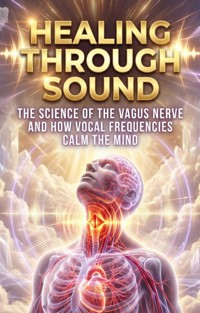
When we experience acute stress or anxiety, conventional advice tells us to simply "take a deep breath" or "think positive." Yet, these top-down cognitive approaches often fail because they ignore the body's physical hardware, leaving the nervous system locked in a state of high alert. The secret to rapid relaxation lies hidden in our own throats. The vagus nerve, the master controller of our parasympathetic nervous system, is directly connected to our vocal cords. Humming, singing, and chanting create internal vibrations that act as a mechanical massage, instantly signaling the brain that we are safe. Healing Through Sound bridges the gap between ancient vocal traditions and cutting-edge neurobiology. It demystifies how specific vocal frequencies physically alter our heart rate variability, reduce cortisol levels, and abruptly halt the body's panic response without the need for medication. Learn how to use your own voice as a biological remote control. Discover simple, evidence-based vocal exercises that you can perform anywhere to quickly regulate your nervous system, conquer daily stress, and restore profound emotional balance.
Sie lesen das E-Book in den Legimi-Apps auf:
Seitenzahl: 166
Veröffentlichungsjahr: 2026
Das E-Book (TTS) können Sie hören im Abo „Legimi Premium” in Legimi-Apps auf:
Ähnliche



















Table of Contents
Chapter 1: Understanding the Vagus Nerve and Its Importance
What is the Vagus Nerve?
The Role of the Vagus Nerve in the Nervous System
The Vagus Nerve and Emotional Health
The 'Wandering Nerve' and Its Functions
Techniques to Stimulate the Vagus Nerve
Understanding Vagal Tone and Health
Chapter 2: The Science of Sound and Healing
The Nature of Sound: Understanding Frequencies
The Vagus Nerve: A Bridge Between Sound and Healing
Vibration and Its Healing Properties
Frequency and Heart Rate Variability
Chapter 3: Vocal Frequencies and the Body
Understanding Vocal Frequencies
The Vagus Nerve and Its Role
Vocal Techniques for Stress Relief
The Science Behind Sound Therapy
Chapter 4: Techniques to Stimulate the Vagus Nerve
The Power of Humming
The Role of Chanting
Singing for Stress Relief
Breath Control and Vocal Exercises
Chapter 5: The Role of Breath in Sound Therapy
Understanding the Breath-Sound Connection
Breathing Techniques for Calmness
Vocal Exercises Paired with Breath
Soundscapes and Breathing
Troubleshooting Breathing and Vocalization Practices
Chapter 6: The Connection Between Voice and Emotion
The Science of Vocalization and Emotions
How Your Voice Mirrors Your Inner State
Vocal Techniques for Emotional Shifts
The Role of Breath in Vocalization
Chapter 7: Sound Therapy and Somatic Healing
Understanding Sound Therapy
The Role of Somatic Healing
Vocal Frequencies and Emotional Release
Integrating Sound and Somatic Practices
Chapter 8: Exploring Anxious Thoughts with Sound
Understanding Anxiety and Its Impact
The Connection Between Sound and Emotion
Vocal Techniques for Anxiety Relief
Creating a Sound Ritual for Inner Peace
Chapter 9: Biofeedback and the Vagus Nerve
Understanding Biofeedback
The Role of the Vagus Nerve in Biofeedback
Sound Therapy and Biofeedback
Practical Applications of Biofeedback Techniques
Chapter 10: Building a Personal Sound Practice
Understanding Sound Practice
Creating Your Personalized Routine
Vocal Exercises for Everyone
Exploring Sound Therapy Techniques
Overcoming Challenges in Sound Practice
Measuring Progress and Benefits
Chapter 11: Case Studies and Real-life Applications
Understanding Transformative Experiences
The Role of Community in Sound Therapy
Science Behind Vocal Techniques
Simple Vocal Exercises
Overcoming Barriers to Sound Therapy
Looking Ahead: The Future of Sound Therapy
Chapter 12: The Future of Sound Healing
The Evolution of Sound Therapy
Integration with Technology
Biological Hacking with Sound
The Role of Community in Sound Healing
Future Directions in Sound Healing
Sound Healing in Everyday Life
Embracing Your Sound Journey
Chapter 1: Understanding the Vagus Nerve and Its Importance
The vagus nerve is often called the body's superhighway for communication between the brain and the body. In this chapter, we will explore what the vagus nerve is, its critical role in our nervous system, and why understanding this nerve can provide invaluable insights for managing stress and anxiety. You'll learn why it's called the 'wandering nerve' and how it influences everything from heart rate to emotional state.
What is the Vagus Nerve?
The vagus nerve is one of the most important nerves in the body, playing a crucial role in the autonomic nervous system. This section will cover its anatomy and functions, revealing why this nerve is essential for regulating our bodily functions and emotional health.
Anatomy of the Vagus Nerve
The vagus nerve, known as the tenth cranial nerve, plays a fundamental role in maintaining homeostasis within our bodies. It originates from the brainstem and extends down through the neck, branching out into the chest and abdomen. This extensive pathway allows it to connect with various organs, including the heart, lungs, and digestive tract, making it integral to multiple bodily functions.
Its anatomical complexity is a testament to its importance; the vagus nerve is the longest cranial nerve, and it interfaces with significant structures in the body. This extensive reach enables it to perform various functions, influencing not only physiological processes but also emotional well-being, highlighting why it's often referred to as the 'wandering nerve.' Understanding its anatomy provides key insights into how it functions and impacts our health.
The vagus nerve originates in the brainstem and extends down through the neck and into the chest and abdomen.
The beginning of the vagus nerve is situated in the medulla oblongata, a part of the brainstem that regulates several autonomic functions. From there, it travels down through the jugular foramen, entering the neck where it innervates structures involved in speech and swallowing.
This journey continues into the thoracic cavity, branching to the heart and lungs. The nerve also extends into the abdomen, impacting the digestive system by modulating various processes. Its extensive reach allows for broad regulatory effects on heart rate, respiratory rate, and digestive activity, showcasing why it is crucial for maintaining overall health.
It is a mixed nerve, carrying both motor and sensory fibers, which enables communication within various organs.
The vagus nerve is classified as a mixed nerve due to its dual capacity to carry both motor and sensory fibers. This unique combination allows it to send signals from the brain to various organs, regulating their function while also collecting feedback from the body to report sensations back to the brain.
This sensory feedback is vital for processes such as digestion and heart rate regulation, helping the body respond effectively to changes in its environment. For instance, when you eat, the vagus nerve communicates the state of fullness to the brain, promoting satiety. This interplay of communication underscores its significance in maintaining equilibrium within the body.
As part of the autonomic nervous system, it influences involuntary bodily functions, including heart rate and digestion.
The vagus nerve is a critical component of the autonomic nervous system (ANS), which governs involuntary bodily functions. It predominantly oversees parasympathetic responses, often referred to as the "rest and digest" state. By activating the vagus nerve, the body can lower heart rate, increase intestinal activity, and promote relaxation.
This is particularly relevant during stress, where the vagal response helps counterbalance the fight-or-flight reaction by calming the system. Therefore, a well-functioning vagus nerve is essential for reducing anxiety and enhancing the ability to cope with stressors, directly influencing physical health and emotional stability.
The vagus nerve is divided into sensory and motor pathways, each affecting different organ systems.
The vagus nerve’s structure can be divided into two primary pathways: the sensory pathway, which relays information from various organs back to the brain, and the motor pathway, which controls involuntary muscle movements in these organs. Each pathway impacts different systems, allowing the vagus nerve to coordinate complex bodily responses.
The sensory fibers are responsible for communicating sensations such as hunger, satiety, and even emotional states from the gut to the brain, influencing our emotional well-being. Concurrently, the motor fibers regulate functions such as heart rate, breathing, and digestion, crucial in maintaining homeostasis and promoting a peaceful state of being. Understanding these pathways can play a vital role in effectively managing stress and physical health.
The Role of the Vagus Nerve in the Nervous System
This section focuses on the vagus nerve's pivotal role in maintaining the balance of our nervous system. Understanding how it operates can provide insight into stress management and emotional regulation.
Regulating the Parasympathetic Nervous System
The vagus nerve serves as the primary conduit of the parasympathetic nervous system, which is crucial for promoting a state of relaxation and recovery in the body. By activating this nerve, we can enhance our ability to cope with stress and anxiety, leading to improved overall well-being. When the vagus nerve functions optimally, it sends signals that encourage restorative processes, allowing the body to return to a baseline of calm and tranquility.
In practical terms, this means that engaging the vagus nerve can facilitate a quick shift from distress to ease. This natural mechanism is essential for emotional stability, particularly during times of uncertainty when stress levels surge. Techniques such as deep breathing, meditation, and vocal exercises harness the power of the vagus nerve to restore balance in our physiology and psyche.
The vagus nerve is the primary component of the parasympathetic nervous system, which promotes relaxation and recovery.
As the backbone of the parasympathetic nervous system, the vagus nerve initiates the relaxation response that counteracts the stress-induced 'fight or flight' reactions of the sympathetic nervous system. This intricate relationship is vital for maintaining health, as it coordinates bodily functions in a way that promotes recovery and rejuvenation. By facilitating processes such as digestion and heart rate regulation, the vagus nerve ensures that the body can effectively handle stressors without becoming overwhelmed.
This regulatory ability highlights the importance of the vagus nerve in everyday life. By learning how to stimulate and engage this nerve through vocalization and sound therapy, individuals can effectively enhance their emotional and physical resilience, enabling a proactive approach to mental health.
It acts as a counterbalance to the sympathetic nervous system, which is responsible for the 'fight or flight' response.
The autonomic nervous system is divided into the sympathetic and parasympathetic branches, with the vagus nerve serving as the key player in the latter. When activated, it helps to mitigate the 'fight or flight' response triggered by the sympathetic nervous system. This dynamic interaction is crucial during stressful circumstances where fear and anxiety may spike.
By promoting rest and recovery, the vagus nerve helps to lower physical arousal levels, including heart rate and blood pressure. This balance enables individuals to transition more smoothly from states of tension to relaxation, facilitating a greater sense of emotional control and stability.
Activation of the vagus nerve helps lower heart rate and blood pressure, encouraging a state of calm.
When the vagus nerve is activated, it exerts a calming influence on vital bodily functions. This activation directly lowers heart rate and blood pressure, contributing to the overall feeling of calm that many seek during moments of high stress. Physiologically, this response is a testament to how interconnected our mind and body truly are.
Simple practices—like humming or engaging in deliberate breathing techniques—can effectively stimulate the vagus nerve. Such activities not only bring immediate relief but also foster a long-term habit of embarking on a regulated response to daily stressors, thus enhancing emotional resilience and mental clarity.
Chronic stress can lead to vagal dysfunction, impacting health and well-being.
The implications of chronic stress on the vagus nerve are significant. Prolonged exposure to stress can lead to vagal dysfunction, which may contribute to various physical and mental health issues. Symptoms of this dysfunction might manifest as increased anxiety, digestive problems, and an inability to regulate emotions, highlighting the importance of maintaining healthy vagal tone.
By understanding the repercussions of chronic stress on this vital nerve, we can appreciate the need for regular practice of vagal-stimulating activities. Techniques such as sound therapy and focused vocal exercises can serve as preventative measures or corrective actions, enhancing vagal function and thereby protecting overall health.
The Vagus Nerve and Emotional Health
The connection between the vagus nerve and emotional well-being is profound. In this section, we'll explore how activating this nerve can lead to improvements in mood and reductions in anxiety.
Link to Stress and Anxiety
The vagus nerve plays a crucial role in how our bodies respond to stress and anxiety. This nerve acts like a command center that regulates our physiological reactions. When faced with stress, the vagus nerve can either dampen or amplify our emotional responses. A well-functioning vagus nerve promotes a state of calm and safety, encouraging our body to activate its relaxation response.
Conversely, when the vagus nerve is compromised or has low activity, our stress responses can become exaggerated. This imbalance often manifests as increased heart rate, heightened anxiety, and panic attacks. Understanding this connection allows us to implement strategies aimed at improving vagal tone, making it a key consideration for those looking to manage anxiety more effectively.
Activation of the vagus nerve can lead to a reduction in anxiety through the release of neurotransmitters like acetylcholine.
Activating the vagus nerve promotes the release of neurotransmitters that are integral to emotional regulation, particularly acetylcholine. This neurotransmitter helps reduce heart rates and instills a sense of calm within the body. When we engage in activities that stimulate the vagus nerve, such as singing or deep breathing exercises, we essentially send signals to the brain to relax.
Research shows that enhancing vagal tone through these methods can significantly lower anxiety levels. By harnessing the natural power of our voice, we essentially encourage our body to shift out of the fight-or-flight response and into a state of rest and digest. This transformative effect highlights the importance of vocal exercises in managing emotional health.
Research indicates that people with lower vagal tone are more prone to anxiety and mood disorders.
Numerous studies demonstrate a clear correlation between vagal tone and emotional well-being. Individuals with lower vagal tone are more susceptible to anxiety disorders and mood fluctuations. This biological marker reflects the functioning of the vagus nerve and its ability to regulate internal bodily states.
Understanding this link allows for the development of targeted therapies. By improving vagal tone through sound therapy and breath exercises, people may find relief from anxiety symptoms. Cultivating a more responsive vagus nerve can therefore be an essential step in achieving emotional stability and resilience.
Practices like deep breathing and vocal exercises stimulate the vagus nerve, promoting emotional balance.
Engaging in practices such as deep breathing and vocal exercises has been shown to stimulate the vagus nerve effectively. Deep, rhythmic breathing activates the parasympathetic nervous system, prompting the body to enter a state of relaxation while simultaneously balancing emotional states.
Singing, humming, or even chanting engages the vocal cords and can create vibrations that massage the vagus nerve. These activities not only activate this nerve but also promote the release of calming neurotransmitters like endorphins and oxytocin, fostering emotional balance and well-being. Incorporating these practices into daily routines can become a powerful tool for managing stress and improving overall health.
Enhancing vagal tone can foster resilience against stress, leading to improved emotional health.
Enhancing vagal tone is vital for fostering resilience against the negative impacts of stress. A strong vagal tone equips the body with better tools to cope with everyday stressors. As we learn to activate the vagus nerve more effectively, we create a buffer against anxiety, helping us respond more calmly and constructively in challenging situations.
Practices that support vagal tone, such as meditation, sound therapy, and mindful vocal exercises, can facilitate profound changes in emotional health. By emphasizing self-care strategies that focus on the vagus nerve's health, we can cultivate a balanced emotional landscape and improve our overall resilience and well-being.
The 'Wandering Nerve' and Its Functions
The vagus nerve is often referred to as the 'wandering nerve' due to its far-reaching connections throughout the body. In this section, we will discuss these connections and their significance.
Extensive Reach
The vagus nerve is appropriately named the 'wandering nerve' because of its extensive reach throughout the body. It is the longest cranial nerve, extending from the brainstem down to the abdomen and branching off to various organs along the way. This remarkable anatomical design allows it to influence numerous physiological functions.
For example, the vagus nerve essentially connects to the heart, lungs, and digestive organs, playing a crucial role in regulating heart rate, breathing, and gastrointestinal activity. Such widespread connectivity makes it central to maintaining bodily homeostasis and responding to various internal and external stimuli.
The vagus nerve branches extensively, influencing the heart, lungs, and digestive tract.
This intricate web of connections allows the vagus nerve to perform a multitude of functions from regulating heart rate to controlling gut motility. When the vagus nerve engages with the heart, it communicates vital information that helps to regulate stress response, promoting a calming effect.
Moreover, the influence of the vagus nerve on the lungs facilitates smoother breathing patterns, which helps mitigate feelings of anxiety. In the digestive tract, it manages the interaction between the brain and gut, underscoring the importance of this nerve in overall wellness.
It carries information from organs back to the brain, contributing to homeostasis and bodily awareness.
The vagus nerve not only sends signals from the brain to organs but also carries significant sensory information in the opposite direction. This dual-channel communication is critical for maintaining homeostasis—the balanced state that our bodies strive to achieve for optimal function.
By relaying information about muscle tension, organ function, and even emotional states back to the brain, the vagus nerve enhances our awareness of physical sensations. Such awareness is key for recognizing stress and initiating a response that promotes relaxation and healing.
Its extensive network allows for rapid response to stressors, which is crucial for survival.
One of the most vital functions of the vagus nerve is its ability to facilitate rapid responses to stressors. In times of danger or distress, the vagus nerve activates calming mechanisms, helping to counterbalance the body's fight-or-flight response.
This swift response is crucial for survival, allowing us to adapt quickly to environmental changes. By regulating heart rate and other physiological responses, the vagus nerve helps create a sense of safety when stress levels rise, essential for both mental and physical health.
Understanding its pathways helps in recognizing how bodily sensations relate to emotions.
Knowledge of the vagus nerve’s pathways illuminates the connection between bodily sensations and emotional states. The nerve’s extensive reach means that physical responses—like tightness in the chest or tension in the gut—can often be linked to emotional distress.
By recognizing this interplay, individuals can develop greater emotional intelligence and mindfulness. This awareness enables them to utilize sound therapy and vocal exercises effectively, fostering healing through intentional sounds that activate the vagus nerve and promote emotional balance.
Techniques to Stimulate the Vagus Nerve
In this section, we will outline practical techniques that you can use to stimulate the vagus nerve and improve your overall health. These methods are simple and can easily be incorporated into daily routines.
Breathing Exercises
Breathing exercises are among the simplest yet most effective ways to stimulate the vagus nerve and promote relaxation. When practiced correctly, deep, slow breathing activates the parasympathetic nervous system, prompting the body to enter a state of calm. This mechanism functions by lowering heart rates and reducing stress hormone levels in the bloodstream.
To engage in deep breathing, find a comfortable position, close your eyes, and inhale deeply through your nose for a count of four. Hold your breath for a moment, then exhale slowly through your mouth for a count of six or eight. This extended exhalation is crucial, as it enhances vagal tone and signals to your body that it is safe to relax. Incorporating such practices into your daily routine can significantly improve your resilience against stress and help manage anxiety more effectively.
Deep, slow breathing activates the vagus nerve, promoting relaxation.
Research supports the notion that conscious breath control can modulate physiological responses to stress. Specifically, deep, slow breathing stimulates the vagus nerve, which connects directly to various organs, including the heart and digestive system. When you breathe deeply, you increase lung capacity and improve oxygen exchange, which helps to slow down the heart rate.
Moreover, this process triggers a relaxation response that combats anxiety and stress. Establishing a regular practice of slow, deep breathing can effectively train your body to respond to stressors in a calmer manner. As a result, you may find yourself handling daily challenges with greater ease and emotional balance.
Humming and Singing
Humming and singing are powerful vocal exercises that can significantly stimulate the vagus nerve. By producing sound, we create internal vibrations that resonate throughout our bodies, especially within the throat and chest. These vibrations serve as a gentle mechanical massage, which aids in triggering the relaxation response.
Whether you choose to hum a favorite tune or sing along to uplifting music, the vibrations produced activate the vagus nerve and enhance its functioning. This not only prompts feelings of safety and comfort but also enriches the overall quality of life by boosting mood and reducing anxiety. Regular engagement in these vocal practices can foster a stronger connection to your emotional state, leading to a more regulated response to stressors.
Vocal exercises like humming or singing create vibrations that stimulate the vagus nerve.




