


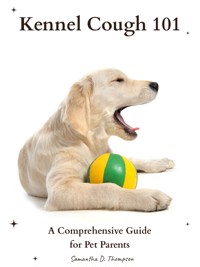
5,99 €
Mehr erfahren.
- Herausgeber: Shuttle Systems Ltd
- Kategorie: Geisteswissenschaft
- Sprache: Englisch
"Knowledge is power in the fight against kennel cough."
Discover the essential guide to understanding, preventing, and treating kennel cough with "Kennel Cough 101: A Comprehensive Guide for Pet Parents." This must-have resource for dog owners will empower you to take control of your furry friend's respiratory health.
In this comprehensive guide, you'll explore:
The causes of kennel cough and how it spreads among dogs, allowing you to protect your pet from this highly contagious respiratory infection.
Recognizing the symptoms of kennel cough, ensuring you can identify any signs of infection and take immediate action.
Various diagnostic methods and the importance of prompt veterinary care for accurate diagnosis and effective treatment.
Treatment options, including traditional and alternative therapies, empowering you to choose the best course of action for your beloved pet.
The crucial role of vaccinations and other preventive measures in safeguarding your dog's respiratory health.
Tips for managing your dog's environment, nutrition, and overall wellness to minimize the risk of kennel cough.
The potential complications of kennel cough and how to address them, keeping your dog safe and healthy.
Guidelines for preventing the spread of kennel cough in multi-dog households, dog parks, and other social settings.
Recovery and rehabilitation, including exercise restrictions and tips for providing the best possible care during the healing process.
Become the informed and proactive pet parent your dog deserves with "Kennel Cough 101: A Comprehensive Guide for Pet Parents." With expert advice, practical tips, and the latest research, this invaluable resource is your key to ensuring your dog's respiratory health and well-being. Don't let kennel cough catch you off guard – learn everything you need to know to protect your furry friend today.
Das E-Book können Sie in Legimi-Apps oder einer beliebigen App lesen, die das folgende Format unterstützen:
Veröffentlichungsjahr: 2023
Ähnliche



















Created by Xspurts.com
All rights reserved.
Copyright © 2005 onwards .
By reading this book, you agree to the below Terms and Conditions.
Xspurts.com retains all rights to these products.
No part of this book may be reproduced in any form, by photostat, microfilm, xerography, or any other means, or incorporated into any information retrieval system, electronic or mechanical, without the written permission of Xspurts.com; exceptions are made for brief excerpts used in published reviews.
This publication is designed to provide accurate and authoritative information with regard to the subject matter covered. It is sold with the understanding that the publisher is not engaged in rendering legal, accounting, health, relationship or other professional / personal advice. If legal advice or other expert assistance is required, the services of a competent professional should be sought.
A New Zealand Made Product
Get A Free Book At: xspurts.com/posts/free-book-offer
––––––––
Table of Contents
Understanding Kennel Cough
What is Kennel Cough?
Causes of Kennel Cough
How Kennel Cough Spreads
Symptoms and Diagnosis
Identifying Kennel Cough Symptoms
The Diagnostic Process
Differentiating Kennel Cough from Other Respiratory Issues
Treatment Options
Veterinary Care and Medications
Home Remedies and Supportive Care
Alternative Therapies
Recovery and Aftercare
Monitoring Your Dog's Progress
Preventing Secondary Infections
Managing Complications
Vaccination and Prevention
Types of Kennel Cough Vaccines
The Vaccination Schedule
Additional Preventative Measures
Kennel Cough in Puppies
Recognizing Kennel Cough in Puppies
Special Considerations for Treatment
Supporting Puppy Health and Immunity
Kennel Cough in Senior Dogs
Identifying Kennel Cough in Older Dogs
Treatment Considerations for Senior Dogs
Boosting Immunity in Aging Pets
Kennel Cough in Dogs with Pre-Existing Conditions
Risks for Dogs with Respiratory or Heart Conditions
Tailoring Treatment to Your Dog's Needs
Support for Dogs with Chronic Health Issues
Boarding and Kennel Cough
Choosing a Safe Boarding Facility
What to Do If Your Dog Contracts Kennel Cough at a Kennel
Tips for Minimizing Stress While Boarding
Kennel Cough in Multi-Dog Households
Managing an Outbreak
Preventing the Spread of Infection
Supporting the Health of All Your Dogs
Myths and Misconceptions
Debunking Common Kennel Cough Myths
Dispelling Fears and Misunderstandings
Frequently Asked Questions
Common Concerns and Inquiries
Expert Answers to Your Questions
Holistic Approaches to Respiratory Health
Natural Remedies for Kennel Cough
Supplements and Immune Boosters
Alternative Therapies and Treatments
Canine Respiratory Health
Maintaining a Healthy Respiratory System
Identifying Potential Respiratory Problems
Promoting Long-Term Health
Exercise and Kennel Cough
Adjusting Your Dog's Activity Levels
Safe Exercise Options for Dogs with Kennel Cough
Post-Recovery Exercise Tips
Nutrition and Kennel Cough
Supporting Your Dog's Health Through Diet
Supplements for Respiratory Health
Foods to Avoid During Recovery
Environmental Factors and Kennel Cough
Indoor and Outdoor Hazards
Reducing Exposure to Irritants
Creating a Healthy Home Environment
Traveling with a Dog Recovering from Kennel Cough
Preparing for Travel
Tips for Traveling with a Sick Dog
Caring for Your Dog on the Road
Resources and Support
Veterinarian Recommendations
Online Communities and Support Groups
Educational Materials and Further Reading
Communicating with Your Veterinarian
Discussing Kennel Cough Concerns
Collaborating on a Treatment Plan
Following Up and Monitoring Progress
Recognizing and Responding to Emergencies
When to Seek Immediate Veterinary Care
Emergency Symptoms and Warning Signs
Preparing for a Veterinary Emergency
Kennel Cough and Dog Breeds
Breeds Prone to Respiratory Issues
Kennel Cough in Brachycephalic Dogs
Tailoring Care to Your Dog's Breed
Kennel Cough and Dog Parks
Assessing the Risk at Dog Parks
Preventing the Spread of Kennel Cough
Alternatives to Dog Parks During Recovery
Canine Cough Medications
Commonly Prescribed Medications
Understanding Side Effects and Risks
Administering Medication to Your Dog
Reducing Stress for Your Dog
Identifying Sources of Stress
Creating a Calm and Relaxing Environment
Stress-Reducing Techniques and Tools
Dog Insurance and Kennel Cough
Understanding Pet Insurance Coverage
Navigating the Claims Process
Evaluating the Cost of Kennel Cough Treatment
The Emotional Impact of Kennel Cough
Supporting Your Dog During Illness
Managing Your Own Stress and Emotions
Finding Support and Resources for Pet Owners
Chronic Kennel Cough
Identifying Persistent Cases
Long-Term Management Strategies
Quality of Life Considerations
Kennel Cough and Shelter Dogs
Recognizing Kennel Cough in Shelter Dogs
Treatment and Care for Adopted Dogs
Supporting Shelter Dog Health and Well-being
Have Questions / Comments?
Get Another Book Free
Understanding Kennel Cough
As a dog owner, it's important to understand the common illnesses that can affect our furry friends. One such illness that can be concerning for pet parents is kennel cough. Also known as infectious tracheobronchitis, kennel cough is a highly contagious respiratory infection that can affect dogs of all ages and breeds. Below we will we'll dive into the details of what kennel cough is, what causes it, how it's diagnosed and treated, and most importantly, how to prevent it.
What is kennel cough?
Kennel cough is a type of respiratory infection that affects the upper respiratory tract of dogs. The infection is caused by a combination of bacteria and viruses, with the most common culprits being Bordetella bronchiseptica, canine parainfluenza virus, and canine adenovirus. Kennel cough got its name from the fact that it's often spread in places where large numbers of dogs are housed together, such as kennels, dog shows, and boarding facilities. However, it's important to note that dogs can contract kennel cough anywhere, not just in kennels.
What are the symptoms of kennel cough?
The symptoms of kennel cough can range from mild to severe and usually appear within a week of infection. The most common symptoms include a dry, hacking cough that sounds like a honking goose, sneezing, nasal discharge, lethargy, loss of appetite, and fever. In most cases, the symptoms will resolve on their own within two to three weeks. However, in some cases, the infection can progress to pneumonia, especially in dogs with weakened immune systems or underlying respiratory issues.
How is kennel cough diagnosed?
If your dog is exhibiting symptoms of kennel cough, it's important to take them to the vet for an accurate diagnosis. Your vet will conduct a physical exam and may order a chest x-ray or blood test to rule out other potential causes of the symptoms. In some cases, a swab of the throat may be taken to test for the presence of the bacteria or virus that causes kennel cough.
How is kennel cough treated?
The treatment for kennel cough depends on the severity of the infection. In mild cases, your vet may simply recommend rest and plenty of fluids to help your dog's immune system fight off the infection. They may also prescribe cough suppressants to help alleviate your dog's cough and make them more comfortable. In more severe cases, antibiotics may be necessary to treat any bacterial infections and prevent the infection from progressing to pneumonia. If your dog does develop pneumonia, hospitalization and more intensive treatment may be necessary.
How can kennel cough be prevented?
The best way to prevent kennel cough is to ensure that your dog's vaccinations are up to date. The Bordetella vaccine, in particular, is highly effective at preventing kennel cough. If you plan on boarding your dog or taking them to a dog show, it's also a good idea to ask about the facility's vaccination policies and whether they require the Bordetella vaccine. Additionally, you should avoid exposing your dog to other dogs who are sick or have recently been sick with kennel cough. If you do need to take your dog to a high-risk area, such as a kennel, it's important to keep them away from other dogs as much as possible and practice good hygiene, such as washing your hands and your dog's bedding regularly.
What is Kennel Cough?
As a dog owner, it can be worrisome to hear that your furry friend has developed kennel cough. But what exactly is kennel cough? And how can you help your dog recover from this common respiratory illness?
Kennel cough, also known as infectious tracheobronchitis, is a highly contagious respiratory infection that can affect dogs of all ages and breeds. It's caused by a combination of bacteria and viruses, with the most common culprits being Bordetella bronchiseptica, canine parainfluenza virus, and canine adenovirus. Kennel cough got its name from the fact that it's often spread in places where large numbers of dogs are housed together, such as kennels, dog shows, and boarding facilities. However, dogs can contract kennel cough anywhere, not just in kennels.
The symptoms of kennel cough can range from mild to severe and usually appear within a week of infection. The most common symptom is a dry, hacking cough that sounds like a honking goose. Other symptoms can include sneezing, nasal discharge, lethargy, loss of appetite, and fever. In most cases, the symptoms will resolve on their own within two to three weeks. However, in some cases, the infection can progress to pneumonia, especially in dogs with weakened immune systems or underlying respiratory issues.
If you suspect that your dog has kennel cough, it's important to take them to the vet for an accurate diagnosis. Your vet will conduct a physical exam and may order a chest x-ray or blood test to rule out other potential causes of the symptoms. In some cases, a swab of the throat may be taken to test for the presence of the bacteria or virus that causes kennel cough.
The treatment for kennel cough depends on the severity of the infection. In mild cases, your vet may simply recommend rest and plenty of fluids to help your dog's immune system fight off the infection. They may also prescribe cough suppressants to help alleviate your dog's cough and make them more comfortable. In more severe cases, antibiotics may be necessary to treat any bacterial infections and prevent the infection from progressing to pneumonia. If your dog does develop pneumonia, hospitalization and more intensive treatment may be necessary.
The best way to prevent kennel cough is to ensure that your dog's vaccinations are up to date. The Bordetella vaccine, in particular, is highly effective at preventing kennel cough. If you plan on boarding your dog or taking them to a dog show, it's also a good idea to ask about the facility's vaccination policies and whether they require the Bordetella vaccine. Additionally, you should avoid exposing your dog to other dogs who are sick or have recently been sick with kennel cough. If you do need to take your dog to a high-risk area, such as a kennel, it's important to keep them away from other dogs as much as possible and practice good hygiene, such as washing your hands and your dog's bedding regularly.
In some cases, kennel cough can be prevented with the use of a vaccine called the Bordetella vaccine. This vaccine is given as a nasal spray or injection and provides protection against the most common cause of kennel cough, the Bordetella bacteria. However, it's important to note that the vaccine does not provide 100% protection and your dog can still develop kennel cough even if they are vaccinated.
While kennel cough can be concerning for dog owners, it's important to remember that with proper treatment and care, most dogs will make a full recovery. By staying up to date on your dog's vaccinations and practicing good hygiene, you can help prevent the spread of kennel cough and keep your furry friend healthy and happy. If you suspect that your dog has kennel cough
Causes of Kennel Cough
Kennel cough, also known as infectious tracheobronchitis, is a common respiratory infection that can affect dogs of all ages and breeds. While kennel cough is often associated with dogs being housed together in kennels, it can actually be contracted anywhere dogs come into contact with each other. Below we will we'll explore the causes of kennel cough and the factors that increase a dog's risk of developing this illness.
Kennel cough is caused by a combination of bacteria and viruses, with the most common culprits being Bordetella bronchiseptica, canine parainfluenza virus, and canine adenovirus. Bordetella is the most common bacterial cause of kennel cough and is often the primary culprit when multiple dogs in the same location become sick with kennel cough. Canine parainfluenza virus and canine adenovirus are both respiratory viruses that can cause kennel cough on their own or in combination with Bordetella.
Dogs can become infected with kennel cough through direct contact with infected dogs or through contact with contaminated surfaces, such as food and water bowls, toys, and bedding. The bacteria and viruses that cause kennel cough are airborne and can be spread through coughing, sneezing, or even just breathing. This is why kennel cough is so contagious and can easily spread through kennels, dog parks, and other places where dogs congregate.
Some dogs are at a higher risk of developing kennel cough than others. Puppies and older dogs, as well as dogs with weakened immune systems or underlying respiratory issues, are more susceptible to developing kennel cough. Dogs who are frequently exposed to other dogs, such as those who attend dog shows or are regularly boarded in kennels, are also at an increased risk of developing kennel cough.
In addition to these risk factors, there are certain environmental factors that can increase a dog's likelihood of developing kennel cough. For example, dogs who are housed in crowded or poorly ventilated environments are more likely to contract kennel cough. Exposure to cigarette smoke and other environmental irritants can also make dogs more susceptible to respiratory infections.
It's important to note that while kennel cough is highly contagious, it's not always a serious illness. In many cases, dogs will recover from kennel cough on their own within two to three weeks. However, in some cases, the infection can progress to pneumonia, which can be life-threatening, especially in dogs with weakened immune systems or underlying respiratory issues.
If you suspect that your dog has kennel cough, it's important to take them to the vet for an accurate diagnosis and appropriate treatment. Your vet may conduct a physical exam and may order a chest x-ray or blood test to rule out other potential causes of the symptoms. In some cases, a swab of the throat may be taken to test for the presence of the bacteria or virus that causes kennel cough.
The treatment for kennel cough depends on the severity of the infection. In mild cases, your vet may simply recommend rest and plenty of fluids to help your dog's immune system fight off the infection. They may also prescribe cough suppressants to help alleviate your dog's cough and make them more comfortable. In more severe cases, antibiotics may be necessary to treat any bacterial infections and prevent the infection from progressing to pneumonia. If your dog does develop pneumonia, hospitalization and more intensive treatment may be necessary.
The best way to prevent kennel cough is to ensure that your dog's vaccinations are up to date. The Bordetella vaccine, in particular, is highly effective at preventing kennel cough. If you plan on boarding your dog or taking them to a dog show, it's also a good idea to ask about the facility's vaccination policies and whether they require the Bordetella
How Kennel Cough Spreads
Kennel cough, also known as infectious tracheobronchitis, is a highly contagious respiratory infection that can affect dogs of all ages and breeds. Kennel cough is caused by a combination of bacteria and viruses, with the most common culprits being Bordetella bronchiseptica, canine parainfluenza virus, and canine adenovirus. Below we will we'll explore how kennel cough spreads and the factors that contribute to its contagious nature.
Kennel cough is primarily spread through airborne droplets that are released when an infected dog coughs, sneezes, or even just breathes. These droplets contain the bacteria and viruses that cause kennel cough and can be inhaled by other dogs in close proximity. This is why kennel cough is so contagious and can easily spread through kennels, dog parks, and other places where dogs congregate.
In addition to direct contact with infected dogs, kennel cough can also be spread through contact with contaminated surfaces, such as food and water bowls, toys, and bedding. The bacteria and viruses that cause kennel cough can survive on these surfaces for up to several days, making it easy for other dogs to become infected. This is why it's important to practice good hygiene, such as washing your hands and your dog's bedding regularly, to help prevent the spread of kennel cough.
Some dogs are more susceptible to contracting kennel cough than others. Puppies and older dogs, as well as dogs with weakened immune systems or underlying respiratory issues, are more susceptible to developing kennel cough. Additionally, dogs who are frequently exposed to other dogs, such as those who attend dog shows or are regularly boarded in kennels, are at an increased risk of developing kennel cough.
Environmental factors can also play a role in the spread of kennel cough. Dogs who are housed in crowded or poorly ventilated environments are more likely to contract kennel cough. Exposure to cigarette smoke and other environmental irritants can also make dogs more susceptible to respiratory infections.
While kennel cough is highly contagious, it's important to note that it's not always a serious illness. In many cases, dogs will recover from kennel cough on their own within two to three weeks. However, in some cases, the infection can progress to pneumonia, which can be life-threatening, especially in dogs with weakened immune systems or underlying respiratory issues.
If you suspect that your dog has kennel cough, it's important to take them to the vet for an accurate diagnosis and appropriate treatment. Your vet may conduct a physical exam and may order a chest x-ray or blood test to rule out other potential causes of the symptoms. In some cases, a swab of the throat may be taken to test for the presence of the bacteria or virus that causes kennel cough.
The treatment for kennel cough depends on the severity of the infection. In mild cases, your vet may simply recommend rest and plenty of fluids to help your dog's immune system fight off the infection. They may also prescribe cough suppressants to help alleviate your dog's cough and make them more comfortable. In more severe cases, antibiotics may be necessary to treat any bacterial infections and prevent the infection from progressing to pneumonia. If your dog does develop pneumonia, hospitalization and more intensive treatment may be necessary.
The best way to prevent kennel cough is to ensure that your dog's vaccinations are up to date. The Bordetella vaccine, in particular, is highly effective at preventing kennel cough. If you plan on boarding your dog or taking them to a dog show, it's also a good idea to ask about the facility's vaccination policies and whether they require the Bordetella vaccine. Additionally, you should avoid exposing your dog to other dogs who are sick or have recently been sick with kennel cough
Symptoms and Diagnosis
Kennel cough, also known as infectious tracheobronchitis, is a common respiratory infection that can affect dogs of all ages and breeds. While kennel cough is often associated with dogs being housed together in kennels, it can actually be contracted anywhere dogs come into contact with each other. Below we will we'll explore the symptoms of kennel cough and the diagnostic process used to identify the infection.
The symptoms of kennel cough can range from mild to severe and usually appear within a week of infection. The most common symptom is a dry, hacking cough that sounds like a honking goose. Other symptoms can include sneezing, nasal discharge, lethargy, loss of appetite, and fever. In most cases, the symptoms will resolve on their own within two to three weeks. However, in some cases, the infection can progress to pneumonia, especially in dogs with weakened immune systems or underlying respiratory issues.
If you suspect that your dog has kennel cough, it's important to take them to the vet for an accurate diagnosis. Your vet will conduct a physical exam and may order a chest x-ray or blood test to rule out other potential causes of the symptoms. In some cases, a swab of the throat may be taken to test for the presence of the bacteria or virus that causes kennel cough.
The physical exam will typically include listening to your dog's lungs for any signs of inflammation or fluid buildup, as well as checking for any other potential sources of coughing, such as heart disease or a foreign object lodged in the throat. Your vet may also ask you questions about your dog's recent activities, such as whether they have been in contact with other dogs or attended any dog shows or boarding facilities.
In some cases, a chest x-ray may be necessary to get a better look at your dog's respiratory system and identify any potential signs of pneumonia. A blood test may also be ordered to check for any underlying health issues that could be contributing to your dog's symptoms.
If your vet suspects that your dog has kennel cough, a swab of the throat may be taken to test for the presence of the bacteria or virus that causes the infection. This is typically a quick and painless procedure that involves using a sterile swab to collect a sample of mucus from your dog's throat. The sample will then be sent to a lab for analysis, and the results should be available within a few days.
In some cases, a diagnosis of kennel cough may be made based solely on the characteristic honking cough and other symptoms. However, it's important to rule out other potential causes of coughing and respiratory distress to ensure that your dog receives the appropriate treatment.
The treatment for kennel cough depends on the severity of the infection. In mild cases, your vet may simply recommend rest and plenty of fluids to help your dog's immune system fight off the infection. They may also prescribe cough suppressants to help alleviate your dog's cough and make them more comfortable. In more severe cases, antibiotics may be necessary to treat any bacterial infections and prevent the infection from progressing to pneumonia. If your dog does develop pneumonia, hospitalization and more intensive treatment may be necessary.
The best way to prevent kennel cough is to ensure that your dog's vaccinations are up to date. The Bordetella vaccine, in particular, is highly effective at preventing kennel cough. If you plan on boarding your dog or taking them to a dog show, it's also a good idea to ask about the facility's vaccination policies and whether they require the Bordetella vaccine. Additionally, you should avoid exposing your dog to other dogs who are sick or have recently been sick with kennel cough. If you do need to take your dog to a high-risk area, such as a kennel, it's important
Identifying Kennel Cough Symptoms
Kennel cough, also known as infectious tracheobronchitis, is a respiratory infection that can affect dogs of all ages and breeds. The infection is caused by a combination of bacteria and viruses and is highly contagious. Below we will we'll explore the symptoms of kennel cough and what to look for in order to identify the infection in your dog.
The most common symptom of kennel cough is a dry, hacking cough that sounds like a honking goose. This cough can be persistent and may become more frequent as the infection progresses. Other symptoms can include sneezing, nasal discharge, lethargy, loss of appetite, and fever. In most cases, the symptoms will resolve on their own within two to three weeks. However, in some cases, the infection can progress to pneumonia, especially in dogs with weakened immune systems or underlying respiratory issues.
If you suspect that your dog has kennel cough, it's important to take them to the vet for an accurate diagnosis. Your vet will conduct a physical exam and may order a chest x-ray or blood test to rule out other potential causes of the symptoms. In some cases, a swab of the throat may be taken to test for the presence of the bacteria or virus that causes kennel cough.
In addition to the honking cough, there are a few other signs that may indicate that your dog has kennel cough. One of these signs is a gagging or retching sound that may follow the cough. This is often referred to as a "reverse sneeze" and is a result of the irritation in the throat caused by the infection. Your dog may also have a runny nose or watery eyes, and may seem more tired or less interested in food than usual.
It's important to note that while kennel cough is highly contagious, it's not always a serious illness. In many cases, dogs will recover from kennel cough on their own within two to three weeks. However, in some cases, the infection can progress to pneumonia, which can be life-threatening, especially in dogs with weakened immune systems or underlying respiratory issues.
If you suspect that your dog has kennel cough, it's important to take them to the vet as soon as possible. Your vet can conduct a thorough exam and determine the best course of treatment for your dog. Depending on the severity of the infection, your vet may recommend rest and plenty of fluids, cough suppressants, or antibiotics to help your dog recover.
The best way to prevent kennel cough is to ensure that your dog's vaccinations are up to date. The Bordetella vaccine, in particular, is highly effective at preventing kennel cough. If you plan on boarding your dog or taking them to a dog show, it's also a good idea to ask about the facility's vaccination policies and whether they require the Bordetella vaccine. Additionally, you should avoid exposing your dog to other dogs who are sick or have recently been sick with kennel cough. If you do need to take your dog to a high-risk area, such as a kennel, it's important to take precautions to reduce the risk of infection, such as washing your hands and your dog's bedding regularly.
The Diagnostic Process
When a dog begins showing symptoms of respiratory distress, such as a honking cough or difficulty breathing, it's important to take them to the vet for an accurate diagnosis. One potential diagnosis is kennel cough, a common respiratory infection that can affect dogs of all ages and breeds. Below we will we'll explore the diagnostic process used to identify kennel cough and the steps that your vet will take to determine the cause of your dog's symptoms.
The first step in the diagnostic process is a thorough physical exam. During the exam, your vet will listen to your dog's lungs for any signs of inflammation or fluid buildup, as well as checking for any other potential sources of coughing, such as heart disease or a foreign object lodged in the throat. Your vet may also ask you questions about your dog's recent activities, such as whether they have been in contact with other dogs or attended any dog shows or boarding facilities.
In some cases, a chest x-ray may be necessary to get a better look at your dog's respiratory system and identify any potential signs of pneumonia. A blood test may also be ordered to check for any underlying health issues that could be contributing to your dog's symptoms.
If your vet suspects that your dog has kennel cough, a swab of the throat may be taken to test for the presence of the bacteria or virus that causes the infection. This is typically a quick and painless procedure that involves using a sterile swab to collect a sample of mucus from your dog's throat. The sample will then be sent to a lab for analysis, and the results should be available within a few days.
In some cases, a diagnosis of kennel cough may be made based solely on the characteristic honking cough and other symptoms. However, it's important to rule out other potential causes of coughing and respiratory distress to ensure that your dog receives the appropriate treatment.
The treatment for kennel cough depends on the severity of the infection. In mild cases, your vet may simply recommend rest and plenty of fluids to help your dog's immune system fight off the infection. They may also prescribe cough suppressants to help alleviate your dog's cough and make them more comfortable. In more severe cases, antibiotics may be necessary to treat any bacterial infections and prevent the infection from progressing to pneumonia. If your dog does develop pneumonia, hospitalization and more intensive treatment may be necessary.
The best way to prevent kennel cough is to ensure that your dog's vaccinations are up to date. The Bordetella vaccine, in particular, is highly effective at preventing kennel cough. If you plan on boarding your dog or taking them to a dog show, it's also a good idea to ask about the facility's vaccination policies and whether they require the Bordetella vaccine. Additionally, you should avoid exposing your dog to other dogs who are sick or have recently been sick with kennel cough. If you do need to take your dog to a high-risk area, such as a kennel, it's important to take precautions to reduce the risk of infection, such as washing your hands and your dog's bedding regularly.
Differentiating Kennel Cough from Other Respiratory Issues
Respiratory issues are common among dogs, and it can be difficult to differentiate between different conditions. Kennel cough, also known as infectious tracheobronchitis, is a common respiratory infection that can affect dogs of all ages and breeds. However, there are several other conditions that can cause similar symptoms. Below we will we'll explore how to differentiate kennel cough from other respiratory issues and the diagnostic process used to identify the underlying cause.
One condition that can mimic the symptoms of kennel cough is canine influenza, also known as dog flu. Canine influenza is caused by a different virus than kennel cough, and the symptoms can be similar, including coughing, sneezing, and nasal discharge. However, in some cases, dogs with canine influenza may also experience fever, lethargy, and loss of appetite. The best way to differentiate between the two conditions is through diagnostic testing, which may include a physical exam, chest x-ray, blood test, and swab of the throat.
Another condition that can cause respiratory distress in dogs is heart disease. Dogs with heart disease may experience coughing, difficulty breathing, and lethargy, which can be mistaken for kennel cough. However, the cough associated with heart disease tends to be more of a moist cough, whereas the cough associated with kennel cough is typically dry and hacking. A heart condition can be diagnosed through a physical exam, chest x-ray, and blood test.
A foreign object lodged in the throat or lungs can also cause coughing and respiratory distress. Dogs who have ingested a foreign object may experience coughing, gagging, and difficulty breathing, which can be mistaken for kennel cough. In these cases, a thorough physical exam and x-rays can help identify the presence of a foreign object.
Pneumonia is another condition that can cause similar symptoms to kennel cough. Pneumonia can be caused by a bacterial or viral infection and can cause coughing, fever, lethargy, and loss of appetite. However, dogs with pneumonia may also experience difficulty breathing and wheezing, which are less common symptoms of kennel cough. A diagnosis of pneumonia can be made through a physical exam, chest x-ray, and blood test.
In addition to these conditions, there are several other respiratory issues that can affect dogs, including allergies, bronchitis, and lung cancer. Each of these conditions can cause different symptoms and requires a different diagnostic approach.
If you suspect that your dog is experiencing respiratory distress, it's important to take them to the vet for an accurate diagnosis. Your vet will conduct a physical exam and may order a chest x-ray, blood test, and swab of the throat to determine the underlying cause of your dog's symptoms. Depending on the diagnosis, treatment options can range from rest and fluids to medication, surgery, or chemotherapy.
Treatment Options
Kennel cough, also known as infectious tracheobronchitis, is a respiratory infection that can affect dogs of all ages and breeds. The infection is caused by a combination of bacteria and viruses and is highly contagious. Below we will we'll explore the treatment options for kennel cough and how to help your dog recover.
In mild cases of kennel cough, treatment may not be necessary, and the infection will often resolve on its own within two to three weeks. However, in more severe cases or in dogs with underlying health conditions, treatment may be necessary to prevent the infection from progressing to pneumonia.
One of the primary treatments for kennel cough is rest and plenty of fluids. Just like with human colds, rest and hydration can help boost your dog's immune system and help them recover more quickly. It's important to ensure that your dog has access to fresh water at all times and that they are eating a healthy and nutritious diet.
Cough suppressants can also be helpful in alleviating your dog's cough and making them more comfortable. However, it's important to only give cough suppressants that are specifically formulated for dogs, as human cough medicines can be toxic to dogs. Your vet can recommend a safe and effective cough suppressant for your dog based on their symptoms and overall health.
In some cases, antibiotics may be necessary to treat any bacterial infections that may be contributing to your dog's kennel cough. Antibiotics are typically only used if your vet suspects that your dog has a bacterial infection, as they are not effective against viruses. If your dog does have a bacterial infection, your vet will prescribe the appropriate antibiotics and monitor your dog's progress closely.
In more severe cases of kennel cough, hospitalization may be necessary to provide more intensive treatment and support. In these cases, your dog may receive intravenous fluids, oxygen therapy, and other supportive care. Hospitalization may also be necessary if your dog develops pneumonia as a complication of kennel cough.
It's important to note that while kennel cough is often not a serious illness, it can be dangerous in dogs with weakened immune systems or underlying respiratory issues. If your dog is showing symptoms of respiratory distress, such as difficulty breathing or wheezing, it's important to seek veterinary care immediately.
In addition to treatment options, there are also several steps that you can take to help prevent kennel cough in the first place. Ensuring that your dog's vaccinations are up to date, particularly the Bordetella vaccine, is one of the most effective ways to prevent kennel cough. You should also avoid exposing your dog to other dogs who are sick or have recently been sick with kennel cough. If you do need to take your dog to a high-risk area, such as a kennel, it's important to take precautions to reduce the risk of infection, such as washing your hands and your dog's bedding regularly.
Veterinary Care and Medications
When a dog is diagnosed with kennel cough, veterinary care is an essential part of the treatment process. Kennel cough, also known as infectious tracheobronchitis, is a respiratory infection that can affect dogs of all ages and breeds. Below we will we'll explore the veterinary care and medications that may be used to treat kennel cough and help your dog recover.
The first step in treating kennel cough is a thorough physical exam. During the exam, your vet will listen to your dog's lungs for any signs of inflammation or fluid buildup, as well as checking for any other potential sources of coughing. If your vet suspects that your dog has kennel cough, they may order additional tests to confirm the diagnosis, such as a chest x-ray or swab of the throat to test for the presence of the bacteria or virus that causes the infection.
Once your dog has been diagnosed with kennel cough, there are several medications that your vet may recommend to help alleviate their symptoms and support their recovery. Cough suppressants can be helpful in reducing your dog's cough and making them more comfortable. However, it's important to only give cough suppressants that are specifically formulated for dogs, as human cough medicines can be toxic to dogs.
Antibiotics may also be necessary if your vet suspects that your dog has a bacterial infection that is contributing to their kennel cough. Antibiotics are typically only used if your dog has a bacterial infection, as they are not effective against viruses. Your vet will prescribe the appropriate antibiotics and monitor your dog's progress closely to ensure that the infection is responding to treatment.
In more severe cases of kennel cough, hospitalization may be necessary to provide more intensive treatment and support. In these cases, your dog may receive intravenous fluids, oxygen therapy, and other supportive care. Hospitalization may also be necessary if your dog develops pneumonia as a complication of kennel cough.
In addition to medication, there are also several other steps that your vet may recommend to support your dog's recovery from kennel cough. Rest and plenty of fluids are important to help your dog's immune system fight off the infection. Your vet may also recommend a humidifier or nebulizer to help ease your dog's cough and make them more comfortable.
It's important to note that while kennel cough is often not a serious illness, it can be dangerous in dogs with weakened immune systems or underlying respiratory issues. If your dog is showing symptoms of respiratory distress, such as difficulty breathing or wheezing, it's important to seek veterinary care immediately.
In addition to treating kennel cough, your vet may also recommend steps to prevent future infections. Ensuring that your dog's vaccinations are up to date, particularly the Bordetella vaccine, is one of the most effective ways to prevent kennel cough. You should also avoid exposing your dog to other dogs who are sick or have recently been sick with kennel cough. If you do need to take your dog to a high-risk area, such as a kennel, it's important to take precautions to reduce the risk of infection, such as washing your hands and your dog's bedding regularly.
Home Remedies and Supportive Care
Kennel cough, also known as infectious tracheobronchitis, is a respiratory infection that can affect dogs of all ages and breeds. While veterinary care and medication are important for treating kennel cough, there are also several home remedies and supportive care options that can help alleviate your dog's symptoms and support their recovery. Below we will we'll explore some of the home remedies and supportive care options that may be beneficial for dogs with kennel cough.
One of the most important things you can do to support your dog's recovery from kennel cough is to ensure that they are getting plenty of rest and hydration. Just like with human colds, rest and hydration can help boost your dog's immune system and help them recover more quickly. Ensure that your dog has access to fresh water at all times and encourage them to drink frequently.
Humidifiers or nebulizers can also be helpful in easing your dog's cough and making them more comfortable. These devices help to moisten the air, which can help soothe your dog's inflamed airways and reduce coughing. You can also try taking your dog into a steamy bathroom for a few minutes several times a day to help ease their cough.




