



7,99 €
Mehr erfahren.
- Herausgeber: Rob Botwright
- Kategorie: Wissenschaft und neue Technologien
- Sprache: Englisch
Introducing the "RECONNAISSANCE 101" Book Bundle: Unleash Your Ethical Hacking Potential!
Are you ready to embark on a thrilling journey into the world of ethical hacking and information gathering? Look no further, because the "RECONNAISSANCE 101" Book Bundle is here to equip you with the essential knowledge and skills you need to excel in this exciting field.
📚
BOOK 1: RECONNAISSANCE 101: A BEGINNER'S GUIDE TO FOOTPRINTING & INFORMATION GATHERING
If you're new to ethical hacking, this beginner's guide is your perfect starting point. Dive into the fundamentals of reconnaissance and information gathering, learning the ropes of footprinting in a clear and approachable manner. Lay a solid foundation for your ethical hacking journey.
📚
BOOK 2: MASTERING FOOTPRINTING: ADVANCED INFORMATION GATHERING STRATEGIES FOR ETHICAL HACKERS
Ready to take your skills to the next level? In this volume, you'll explore advanced information gathering techniques used by ethical hackers worldwide. Discover how to navigate the digital landscape with precision and uncover hidden insights to enhance your cybersecurity prowess.
📚
BOOK 3: THE ETHICAL HACKER'S FIELD GUIDE TO TARGET DATA ACQUISITION
Ethical hacking isn't just about collecting data—it's about doing so responsibly and ethically. Book 3 delves into the principles of responsible data acquisition, ensuring you gather valuable information while maintaining the highest ethical standards. Learn how to identify vulnerabilities and strengthen security.
📚
BOOK 4: RECONNAISSANCE PRO: THE ULTIMATE HANDBOOK FOR ELITE INFORMATION GATHERERS
Are you ready to become an elite information gatherer? This ultimate handbook will elevate your skills to the highest echelons of the field. Uncover the secrets and tactics employed by the best ethical hackers, propelling you into the realm of elite information gatherers.
🚀
Why Choose the "RECONNAISSANCE 101" Book Bundle?
- Comprehensive Knowledge: Covering everything from the basics to elite strategies, this bundle provides a complete understanding of reconnaissance and ethical hacking.
- Responsible Hacking: Embrace ethical principles, responsible disclosure, and legal compliance in your journey to become an ethical hacker.
- Expert Guidance: Benefit from the expertise of seasoned professionals who have distilled their knowledge into these invaluable books.
- Stay Ahead: In the ever-evolving world of cybersecurity, staying updated is crucial. This bundle equips you with the latest insights and strategies.
Don't miss this opportunity to become a master of reconnaissance and ethical hacking. Whether you're a beginner or looking to sharpen your skills, the "RECONNAISSANCE 101" Book Bundle is your ticket to success in the exciting world of ethical hacking. Secure your copy today and unlock the doors to a promising cybersecurity career!
Das E-Book können Sie in Legimi-Apps oder einer beliebigen App lesen, die das folgende Format unterstützen:
Veröffentlichungsjahr: 2023
Ähnliche
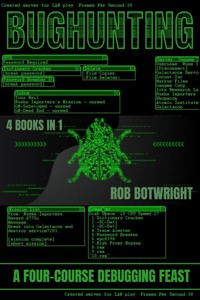



















RECONNAISSANCE 101
FOOTPRINTING & INFORMATION GATHERING
ETHICAL HACKERS BIBLE TO COLLECT DATA ABOUT TARGET SYSTEMS
4 BOOKS IN 1
BOOK 1
RECONNAISSANCE 101: A BEGINNER'S GUIDE TO FOOTPRINTING & INFORMATION GATHERING
BOOK 2
MASTERING FOOTPRINTING: ADVANCED INFORMATION GATHERING STRATEGIES FOR ETHICAL HACKERS
BOOK 3
THE ETHICAL HACKER'S FIELD GUIDE TO TARGET DATA ACQUISITION
BOOK 4
RECONNAISSANCE PRO: THE ULTIMATE HANDBOOK FOR ELITE INFORMATION GATHERERS
ROB BOTWRIGHT
Copyright © 2023 by Rob Botwright
All rights reserved. No part of this book may be reproduced or transmitted in any form or by any means, electronic or mechanical, including photocopying, recording, or by any information storage and retrieval system, without permission in writing from the publisher.
Published by Rob Botwright
Library of Congress Cataloging-in-Publication Data
ISBN 978-1-83938-548-3
Cover design by Rizzo
Disclaimer
The contents of this book are based on extensive research and the best available historical sources. However, the author and publisher make no claims, promises, or guarantees about the accuracy, completeness, or adequacy of the information contained herein. The information in this book is provided on an "as is" basis, and the author and publisher disclaim any and all liability for any errors, omissions, or inaccuracies in the information or for any actions taken in reliance on such information.
The opinions and views expressed in this book are those of the author and do not necessarily reflect the official policy or position of any organization or individual mentioned in this book. Any reference to specific people, places, or events is intended only to provide historical context and is not intended to defame or malign any group, individual, or entity.
The information in this book is intended for educational and entertainment purposes only. It is not intended to be a substitute for professional advice or judgment. Readers are encouraged to conduct their own research and to seek professional advice where appropriate.
Every effort has been made to obtain necessary permissions and acknowledgments for all images and other copyrighted material used in this book. Any errors or omissions in this regard are unintentional, and the author and publisher will correct them in future editions.
TABLE OF CONTENTS – BOOK 1 - RECONNAISSANCE 101: A BEGINNER'S GUIDE TO FOOTPRINTING & INFORMATION GATHERING
Introduction
Chapter 1: Introduction to Reconnaissance
Chapter 2: Understanding Footprinting
Chapter 3: Passive Information Gathering
Chapter 4: Active Information Gathering
Chapter 5: Open Source Intelligence (OSINT)
Chapter 6: Using Search Engines Effectively
Chapter 7: Social Engineering and Reconnaissance
Chapter 8: Network Scanning and Enumeration
Chapter 9: Vulnerability Assessment
Chapter 10: Ethical Considerations in Information Gathering
TABLE OF CONTENTS – BOOK 2 - MASTERING FOOTPRINTING: ADVANCED INFORMATION GATHERING STRATEGIES FOR ETHICAL HACKERS
Chapter 1: Advanced Footprinting Techniques
Chapter 2: Expanding OSINT Capabilities
Chapter 3: Web Application Reconnaissance
Chapter 4: Targeted Social Engineering
Chapter 5: Advanced Network Scanning and Enumeration
Chapter 6: Anonymity and Privacy in Information Gathering
Chapter 7: Leveraging Automation and Scripting
Chapter 8: Deceptive Reconnaissance Tactics
Chapter 9: Vulnerability Scanning and Assessment
Chapter 10: Legal and Ethical Aspects of Advanced Information Gathering
TABLE OF CONTENTS – BOOK 3 - THE ETHICAL HACKER'S FIELD GUIDE TO TARGET DATA ACQUISITION
Chapter 1: Understanding Target Data Acquisition
Chapter 2: Reconnaissance and Initial Data Gathering
Chapter 3: Advanced OSINT Techniques
Chapter 4: Deep Web and Dark Web Investigations
Chapter 5: Social Engineering and Targeted Attacks
Chapter 6: Network Mapping and Enumeration
Chapter 7: Exploiting Weaknesses: Vulnerability Assessment
Chapter 8: Data Exfiltration Methods
Chapter 9: Evading Detection and Covering Tracks
Chapter 10: Legal and Ethical Considerations in Data Acquisition
TABLE OF CONTENTS – BOOK 4 - RECONNAISSANCE PRO: THE ULTIMATE HANDBOOK FOR ELITE INFORMATION GATHERERS
Chapter 1: The Art and Science of Elite Reconnaissance
Chapter 2: Advanced Open Source Intelligence (OSINT)
Chapter 3: Covert Social Engineering Techniques
Chapter 4: Network Mapping and Fingerprinting
Chapter 5: Zero-Day Vulnerability Research
Chapter 6: Exploiting Advanced Web Application Vulnerabilities
Chapter 7: Cryptography and Data Protection
Chapter 8: Nation-State Level Reconnaissance Tactics
Chapter 9: Advanced Data Exfiltration Strategies
Chapter 10: Ethics and Responsibility in Elite Information Gathering
Conclusion
Introduction
In the ever-evolving landscape of cybersecurity, reconnaissance stands as the cornerstone of every successful endeavor. The art of gathering information, understanding systems, and navigating the digital terrain with precision has never been more critical. As the digital realm expands, so do the challenges and opportunities for those who wish to safeguard it.
Welcome to "RECONNAISSANCE 101: Footprinting & Information Gathering," a comprehensive book bundle that unveils the secrets of ethical hacking and data acquisition. This four-volume collection is designed to guide you through the intricacies of reconnaissance, whether you're just starting your journey or looking to elevate your expertise to the highest levels.
Book 1 - "RECONNAISSANCE 101: A Beginner's Guide to Footprinting & Information Gathering" is your entry point into the captivating world of ethical hacking. Here, you'll embark on a journey that demystifies the fundamental concepts and techniques of reconnaissance. This volume lays the groundwork, ensuring that you have a solid foundation upon which to build your skills.
Book 2 - "Mastering Footprinting: Advanced Information Gathering Strategies for Ethical Hackers" takes you to the next level. As you progress through this volume, you'll discover advanced strategies and tactics used by ethical hackers to gather valuable data, all while staying in the shadows, undetected. This book is your gateway to mastering the art of footprinting.
Book 3 - "The Ethical Hacker's Field Guide to Target Data Acquisition" brings a laser focus to the crucial task of acquiring target-specific data. Here, you'll explore ethical methods for collecting information that is essential for ethical hackers in assessing vulnerabilities and potential exploits. This volume equips you with the skills needed to navigate the complexities of data acquisition.
Book 4 - "Reconnaissance Pro: The Ultimate Handbook for Elite Information Gatherers" catapults you to the highest echelons of reconnaissance expertise. Within its pages, you'll unravel the secrets of elite information gatherers, gaining insights into techniques that set apart the best in the field. This book is your passport to becoming a true master of reconnaissance.
Throughout this book bundle, we emphasize not only the technical aspects of reconnaissance but also the ethical considerations that guide ethical hackers. Responsible disclosure and collaboration with authorities are core principles that underscore the importance of ethical hacking in today's digital landscape.
As you dive into these volumes, remember that your journey is more than just acquiring knowledge; it's a commitment to ethical practices, responsible behavior, and making the digital world a safer place for all. The skills and principles you'll gain from "RECONNAISSANCE 101: Footprinting & Information Gathering" will serve as a strong foundation for your cybersecurity career.
Whether you're an aspiring ethical hacker looking to understand the fundamentals or an experienced professional seeking to enhance your reconnaissance abilities, this book bundle is tailored to meet your needs. We invite you to embark on this educational adventure, explore the world of reconnaissance, and unlock the potential to become a skilled and responsible guardian of the digital realm.
Join us in this journey of discovery, empowerment, and ethical hacking. Together, we'll explore the depths of "RECONNAISSANCE 101: Footprinting & Information Gathering" and equip you with the knowledge and tools to thrive in the dynamic world of cybersecurity.
BOOK 1
RECONNAISSANCE 101
A BEGINNER'S GUIDE TO FOOTPRINTING & INFORMATION GATHERING
ROB BOTWRIGHT
Chapter 1: Introduction to Reconnaissance
The importance of reconnaissance in cybersecurity cannot be overstated; it forms the foundation upon which effective defense and offense strategies are built.
Reconnaissance, often referred to as the first phase of the cyber attack lifecycle, plays a pivotal role in understanding potential targets and vulnerabilities.
This initial phase involves gathering information about the target, which could be an organization, network, or even an individual, with the intent of identifying weaknesses that can be exploited.
Reconnaissance is not exclusive to malicious actors; it is equally critical for cybersecurity professionals and ethical hackers who aim to safeguard systems and data.
By comprehensively understanding the significance of reconnaissance, individuals can better appreciate its role in the broader context of cybersecurity.
In essence, reconnaissance is the process of collecting data about a target, and it serves as the foundation upon which subsequent actions are based.
Without a thorough understanding of the target, it becomes challenging to formulate effective strategies to protect against cyber threats or to assess the security posture of a system.
One of the primary objectives of reconnaissance is to gather as much information as possible while remaining discreet and undetected.
This is crucial because the more an attacker knows about their target, the more likely they are to exploit vulnerabilities successfully.
At the same time, ethical hackers and cybersecurity professionals use reconnaissance to discover and address weaknesses before malicious actors can take advantage of them.
There are various techniques and methodologies employed in reconnaissance, ranging from passive information gathering to active probing of a target's systems.
Passive techniques involve collecting publicly available information, often referred to as Open Source Intelligence (OSINT), without directly interacting with the target.
This could include mining data from websites, social media profiles, or even online forums and discussion boards.
Active reconnaissance, on the other hand, involves actively probing a target's systems, often through techniques like scanning networks, probing for open ports, and identifying potential vulnerabilities.
In the realm of ethical hacking and cybersecurity, reconnaissance is an essential step in the process of vulnerability assessment and penetration testing.
Before attempting to exploit any vulnerabilities, ethical hackers must thoroughly understand the target environment to assess potential risks accurately.
It's essential to recognize that reconnaissance isn't limited to technical aspects alone.
Social engineering, another critical component of reconnaissance, focuses on manipulating human psychology to gather information or gain unauthorized access.
Through techniques like phishing, pretexting, and tailgating, attackers can exploit human trust and curiosity, making social engineering an indispensable part of reconnaissance.
Furthermore, reconnaissance extends beyond traditional networks into the realm of web applications and cloud services.
Web application reconnaissance involves identifying vulnerabilities in web applications that can be exploited to compromise data or gain unauthorized access.
Cloud reconnaissance is equally crucial, as organizations increasingly rely on cloud services for their data storage and processing needs.
In recent years, there has been a growing emphasis on the significance of deep and dark web reconnaissance.
The deep web consists of web pages not indexed by search engines, while the dark web is intentionally hidden and accessible only through specialized browsers.
These hidden parts of the internet are often associated with illegal activities, making them a significant concern for cybersecurity professionals.
Advanced reconnaissance techniques involve leveraging tools and automation to streamline the data collection process.
These tools can help in systematically gathering and analyzing information about a target, saving time and ensuring comprehensive coverage.
Another crucial aspect of reconnaissance is vulnerability assessment.
This entails identifying potential weaknesses in a target's systems or applications that could be exploited by attackers.
By conducting vulnerability assessments, organizations can proactively address security flaws before they are exploited.
As reconnaissance plays a central role in the broader cybersecurity landscape, it is imperative for both defenders and attackers to continually evolve their techniques.
Defenders must develop robust strategies to detect and mitigate reconnaissance attempts, while attackers continuously refine their methods to evade detection and gather more valuable information.
It is also essential to note that ethical considerations loom large in the world of reconnaissance.
The line between ethical hacking and malicious cyber activity can sometimes blur, highlighting the need for a strong ethical framework.
Ethical hackers adhere to a strict code of conduct, ensuring that their reconnaissance efforts are legal and conducted with the utmost integrity.
Furthermore, the legal landscape surrounding reconnaissance is complex and continually evolving.
Laws and regulations governing data privacy, cybersecurity, and hacking vary by jurisdiction, making it crucial for individuals and organizations to stay informed and compliant.
In summary, reconnaissance is the cornerstone of effective cybersecurity.
Understanding its importance, techniques, and ethical considerations is vital for individuals seeking to protect systems and data or to identify vulnerabilities in their security posture.
Whether you are a cybersecurity professional, an ethical hacker, or someone interested in safeguarding their digital presence, reconnaissance is a fundamental concept that forms the basis for informed and proactive decision-making in the world of cybersecurity.
Exploring the history and evolution of reconnaissance techniques provides valuable insights into the development of modern cybersecurity practices.
Reconnaissance, in various forms, has been a part of human conflict and espionage throughout history.
In ancient times, reconnaissance often involved sending scouts or spies to gather information about an enemy's movements, fortifications, and resources.
These early reconnaissance efforts were essential for military strategists to make informed decisions and gain a tactical advantage.
As societies advanced, so did the techniques of reconnaissance, which began to encompass a broader range of information-gathering methods.
The advent of the printing press in the 15th century revolutionized the dissemination of information, enabling intelligence to be collected and shared more widely.
During the World Wars of the 20th century, reconnaissance evolved significantly with the use of aerial photography and radio communications.
Aerial reconnaissance allowed for detailed mapping of enemy territory and the identification of military installations and troop movements.
Radio communications enabled real-time information sharing among military units, facilitating coordinated actions.
The Cold War era saw further advancements in reconnaissance techniques, particularly in the realm of signals intelligence (SIGINT).
Governments and intelligence agencies developed sophisticated methods to intercept and decipher encrypted communications, giving them a significant intelligence advantage.
The development of satellites further expanded reconnaissance capabilities. Satellites could provide high-resolution images and monitor activities worldwide.
These advancements in reconnaissance had military, political, and economic implications, with nations competing to gain access to the latest intelligence technologies.
The rise of the internet in the late 20th century ushered in a new era of reconnaissance, one that extended beyond the traditional realms of espionage and warfare.
With the internet, information became more accessible, and reconnaissance evolved to include digital footprints, online behaviors, and vulnerabilities.
Hackers and cybercriminals began to leverage digital reconnaissance to identify targets, gather sensitive information, and exploit vulnerabilities in computer systems.
In response to these emerging threats, cybersecurity professionals and ethical hackers developed new techniques for reconnaissance.
Open Source Intelligence (OSINT) emerged as a critical component of modern reconnaissance, focusing on gathering publicly available information from online sources.
OSINT tools and methodologies allowed security experts to assess the digital footprint of organizations and individuals, identifying potential weaknesses.
While reconnaissance was once primarily the domain of governments and intelligence agencies, it has become democratized in the digital age.
Individuals and organizations now have access to a wealth of information and tools to conduct their reconnaissance activities.
However, with this accessibility comes increased responsibility, as the ethical and legal boundaries of reconnaissance must be carefully considered.
As technology continues to advance, so too will the field of reconnaissance.
The Internet of Things (IoT), artificial intelligence (AI), and machine learning are poised to revolutionize how information is collected and processed in the digital landscape.
AI-powered algorithms can analyze vast amounts of data to identify patterns and anomalies, assisting in the automated detection of vulnerabilities.
Additionally, the proliferation of IoT devices presents new opportunities and challenges for reconnaissance, as these devices generate valuable data and potential attack vectors.
In the context of cybersecurity, reconnaissance serves as the first line of defense against cyber threats.
By proactively identifying vulnerabilities and monitoring for suspicious activities, organizations can strengthen their security posture and mitigate potential risks.
Ethical hackers play a crucial role in this process, using reconnaissance techniques to assess the security of systems and applications.
They simulate real-world cyberattacks, identify weaknesses, and recommend remediation strategies to protect against malicious actors.
The evolution of reconnaissance techniques reflects the dynamic nature of cybersecurity.
In an interconnected world, where data is a valuable asset, staying ahead of potential threats requires constant adaptation and innovation.
Understanding the history and evolution of reconnaissance is not just a matter of historical curiosity but a vital aspect of navigating the complex and ever-changing landscape of digital security.
As individuals and organizations continue to rely on technology, the ability to conduct effective reconnaissance and protect against reconnaissance attempts remains paramount.
In summary, the history and evolution of reconnaissance techniques underscore its enduring significance in both military and cybersecurity contexts.
From ancient spies and scouts to modern cyber threats, reconnaissance has played a pivotal role in shaping strategies and defenses.
As technology continues to advance, the field of reconnaissance will evolve further, demanding continued vigilance and adaptation to meet the challenges of an interconnected world.
Chapter 2: Understanding Footprinting
Exploring the world of footprinting methods and tools is like embarking on a journey through the digital landscape, where information is the treasure, and knowledge is the map.
Footprinting, also known as reconnaissance, is the first step in the realm of cybersecurity—a journey that begins with understanding and gathering information about a target.
In this chapter, we'll delve into the fascinating world of footprinting methods and the diverse array of tools that have been developed to assist in this critical phase of cyber discovery.
Footprinting, at its core, is the process of collecting data about a target, whether it's an organization, network, or individual.
Imagine it as the detective work in the cybersecurity world, where the investigator seeks to uncover clues that might reveal vulnerabilities, weaknesses, or potential entry points.
One of the fundamental techniques in footprinting is passive information gathering, which involves collecting publicly available data without directly interacting with the target.
This method relies on the vast amount of information that individuals and organizations inadvertently expose through their online presence.
Passive footprinting often begins with a visit to search engines like Google.
These search engines serve as portals to the wealth of information available on the internet, and skilled footprinters know how to use them effectively.
By crafting specific search queries, an adept footprinting specialist can unearth hidden gems of data, discovering everything from domain names and subdomains to employee names and email addresses.
Beyond search engines, social media platforms are a goldmine of information.
People often share personal and professional details on platforms like Facebook, LinkedIn, and Twitter, providing a rich source of data for footprinters.
Pictures, posts, and connections can reveal organizational affiliations, relationships, and even the technology stack a company employs.
Online forums and discussion boards are another playground for footprinters.
These communities often contain discussions about technologies, vulnerabilities, and specific industry-related topics.
By monitoring these forums, a footprinter can gain insights into the technologies an organization uses and any ongoing issues or concerns.
Domain Name System (DNS) is a fundamental component of the internet, and it plays a significant role in footprinting.
DNS information, such as domain names, IP addresses, and mail server records, can be accessed through various online tools and databases.
By scrutinizing DNS records, a footprinter can build a more comprehensive picture of the target's digital infrastructure.
WHOIS databases provide registration information for domain names.
By querying these databases, footprinters can discover the names, addresses, and contact details of domain owners, which can be valuable in identifying key individuals or organizations of interest.
Reverse WHOIS lookup tools take this a step further, allowing footprinters to search for domain names associated with specific individuals or entities.
When it comes to active footprinting, the process involves directly interacting with the target's systems or networks.
This approach requires a higher level of caution, as it may trigger security alerts or expose the footprinter's activities.
Port scanning is a classic example of active footprinting.
It involves sending packets to a target's network to discover open ports and services.
This information can be used to assess the potential attack surface of the target.
Network mapping goes hand in hand with port scanning.
It aims to create a visual representation of the target's network infrastructure, showcasing the relationships between devices, servers, and routers.
By understanding the network's layout, a footprinter can identify potential points of entry or areas where vulnerabilities may exist.
While active footprinting techniques can be powerful, they must be executed with care and adherence to ethical and legal considerations.
Unauthorized access attempts or intrusive scanning can cross legal boundaries and may result in legal consequences.
Footprinting tools play a crucial role in streamlining the process and automating various aspects of reconnaissance.
For passive information gathering, tools like Maltego and theHarvester are popular choices among footprinters.
Maltego, for instance, provides a graphical interface for visualizing relationships between entities like domain names, email addresses, and social media profiles.
It allows users to aggregate data from various sources and create detailed graphs that aid in the reconnaissance process.
theHarvester, on the other hand, specializes in email address and subdomain enumeration, helping footprinters gather valuable contact information.
For active footprinting, tools like Nmap (Network Mapper) and Wireshark are indispensable.
Nmap is a versatile port scanning tool that can be used to discover open ports and services on target systems.
It also provides valuable information about the operating systems running on those systems.
Wireshark, on the other hand, is a packet analysis tool that allows footprinters to capture and analyze network traffic.
It can reveal vulnerabilities, weak authentication mechanisms, and other critical information.
As the world of cybersecurity continues to evolve, so do footprinting methods and tools.
Security professionals and ethical hackers are continually innovating and adapting to new technologies and threats.
The realm of mobile and cloud computing has introduced new challenges and opportunities for footprinting.
Mobile footprinting involves gathering information about mobile applications, their vulnerabilities, and the data they transmit.
Cloud footprinting focuses on assessing the security of cloud-based services, identifying potential misconfigurations or weaknesses in cloud deployments.
Machine learning and artificial intelligence are also playing a growing role in footprinting.
These technologies can help automate the analysis of vast amounts of data, enabling faster and more accurate reconnaissance.
In summary, footprinting is a dynamic and essential phase in the world of cybersecurity.
It serves as the foundation for understanding potential vulnerabilities and threats, enabling organizations and individuals to fortify their defenses.
The tools and methods employed in footprinting continue to evolve, reflecting the ever-changing landscape of digital security.
Whether you're a cybersecurity professional, an ethical hacker, or someone interested in safeguarding your digital presence, a deep understanding of footprinting methods and tools is key to navigating the complex terrain of modern cybersecurity.
Exploring real-world footprinting case studies provides a tangible perspective on the application of reconnaissance techniques in the field of cybersecurity.
These case studies illuminate how footprinting, often the first step in cyberattacks, plays a crucial role in understanding vulnerabilities and risks.
Consider a hypothetical scenario where an ethical hacker, tasked with testing the security of a financial institution, embarks on a reconnaissance mission.
The hacker begins with passive information gathering, scouring the internet for publicly available data about the bank.
Using open-source intelligence (OSINT) tools like Maltego and theHarvester, the hacker identifies the bank's website, email addresses associated with its domain, and social media profiles of key personnel.
While this information may seem innocuous, it forms the foundation for subsequent steps in the assessment.
Next, the hacker decides to perform active footprinting to gain a deeper understanding of the bank's digital infrastructure.
Using Nmap, a renowned port scanning tool, the hacker discovers that several ports on the bank's web server are open.
Digging further, the hacker uses Wireshark to analyze network traffic during the interaction with the bank's website.
This reveals potential vulnerabilities, such as weak encryption protocols and unauthenticated access to certain resources.
The hacker also employs a DNS enumeration tool to gather information about the bank's subdomains.
This information could be leveraged to target specific departments or services within the organization.
In another case, let's explore the footprinting activities of a cybersecurity consultant hired by a retail company.
The consultant's task is to identify potential security weaknesses in the company's e-commerce platform.
To begin, the consultant conducts passive footprinting by searching for information about the company online.
Using search engines, the consultant finds the company's website, social media profiles, and mentions in industry forums.
Additionally, the consultant discovers that the company's e-commerce platform is built on a specific content management system (CMS).
This information provides valuable insights into potential vulnerabilities associated with that CMS.
Moving to active footprinting, the consultant uses Nmap to scan the e-commerce server for open ports and services.
The scan reveals open ports that could be targeted for further analysis.
The consultant decides to employ a vulnerability scanning tool like Nessus to identify specific vulnerabilities in the e-commerce platform.
Nessus scans the system and reports several critical vulnerabilities related to outdated software and misconfigurations.
These vulnerabilities pose a significant risk to the security of the e-commerce platform and the sensitive customer data it handles.
In both of these cases, the reconnaissance activities played a pivotal role in identifying potential security risks and vulnerabilities.
However, it's important to emphasize that these cases involve ethical hacking and security assessments conducted with the explicit consent of the organizations involved.
Ethical hackers follow a strict code of conduct, ensuring that their activities are legal, authorized, and aligned with the organization's security goals.
Now, let's explore a more complex real-world example involving a multinational corporation with a diverse digital footprint.
This corporation operates in various sectors, including finance, healthcare, and energy, making it a prime target for cyberattacks.
The corporation's cybersecurity team regularly conducts footprinting to assess the security of its extensive network.
In this case, passive footprinting is ongoing, with the team continuously monitoring internet chatter, hacker forums, and social media for mentions of the corporation or potential threats.
They use specialized OSINT tools designed for enterprise-level intelligence gathering to sift through the vast amount of data available online.
Active footprinting is conducted periodically but cautiously, to avoid disrupting critical operations. The team employs Nmap, Wireshark, and other scanning tools to assess the security of critical systems and networks.
In addition to technical reconnaissance, the corporation's cybersecurity team conducts regular physical reconnaissance to evaluate the security of its physical locations, data centers, and offices.
This includes assessing access controls, surveillance systems, and environmental security measures.
The team also engages in social engineering tests to gauge the effectiveness of employee awareness training and to identify potential weaknesses in human-centric security measures.
One of the significant challenges in this case is the diversity of systems, networks, and technologies within the corporation's infrastructure.
The cybersecurity team must adapt their footprinting techniques to suit the unique characteristics of each sector while ensuring compliance with industry-specific regulations.
In summary, real-world footprinting case studies showcase the practical application of reconnaissance techniques in the cybersecurity landscape.
From ethical hackers uncovering vulnerabilities in e-commerce platforms to multinational corporations safeguarding their digital assets, the importance of reconnaissance cannot be overstated.
These examples underscore the critical role that footprinting plays in understanding and mitigating security risks in an increasingly interconnected and digital world.
Ultimately, the knowledge and insights gained through reconnaissance activities empower organizations and individuals to fortify their defenses and protect against cyber threats.
Chapter 3: Passive Information Gathering
Passive reconnaissance techniques represent the initial steps in gathering information about a target, be it an organization, network, or individual, without direct interaction or engagement.
In the world of cybersecurity, passive reconnaissance serves as a foundation upon which subsequent assessments and actions are built.
These techniques are akin to gathering breadcrumbs along a trail, breadcrumbs that, when meticulously collected and analyzed, reveal valuable insights about the target.
The primary goal of passive reconnaissance is to collect publicly available information, information that has been shared or exposed by the target either voluntarily or inadvertently.
Search engines, such as Google, are often the starting point for passive reconnaissance. They act as a gateway to the vast expanse of information available on the internet.
By crafting specific search queries, a cybersecurity professional can uncover domain names, subdomains, IP addresses, email addresses, and other potentially sensitive data.
Moreover, search engines can reveal files, directories, and documents inadvertently made public through misconfigured web servers or file-sharing services.
Social media platforms are another goldmine for passive reconnaissance. People and organizations frequently share personal and professional details on platforms like Facebook, LinkedIn, and Twitter.
Profiles, posts, and connections provide a rich source of information about individuals, their affiliations, roles, and even the technologies they use.
Online forums and discussion boards are yet another treasure trove of data. Communities often discuss technologies, vulnerabilities, and industry-specific topics.
Monitoring these forums allows cybersecurity professionals to gain insights into the technologies an organization employs, ongoing issues, or concerns related to security.
Passive reconnaissance also extends to DNS, the Domain Name System, which plays a pivotal role in internet infrastructure.
DNS information, such as domain names, IP addresses, mail server records, and more, can be accessed through various online tools and databases.
Scrutinizing DNS records allows cybersecurity professionals to build a more comprehensive understanding of a target's digital infrastructure.
WHOIS databases offer valuable insights into domain registration details. These databases contain information about the owner, registration date, and contact details of domain names.
Reverse WHOIS lookup tools take this a step further. They enable professionals to search for domain names associated with specific individuals or entities.
Passive reconnaissance is, in essence, about collecting information that is readily available, information that anyone can access without engaging in intrusive or potentially illegal activities.
This information forms the basis for informed decisions and further assessments.
Yet, passive reconnaissance does have its limitations. Its reliance on publicly available data means it may not uncover highly sensitive or confidential information.
Additionally, the information gathered may be outdated, as the digital landscape is constantly evolving.
Furthermore, passive reconnaissance is, by its nature, non-intrusive. It does not involve actively probing a target's systems or networks, which can limit its depth.
Despite these limitations, passive reconnaissance remains a critical and ethical practice in the realm of cybersecurity.
Its value lies in its non-disruptive, non-intrusive approach, which respects legal and ethical boundaries.
Cybersecurity professionals and ethical hackers leverage passive reconnaissance to establish a baseline understanding of a target.
This understanding allows for more precise and targeted assessments in subsequent phases of cybersecurity, such as vulnerability scanning and penetration testing.
In summary, passive reconnaissance techniques serve as the digital equivalent of a detective's investigation, where digital breadcrumbs lead to the discovery of valuable information about a target.
From search engine queries to social media exploration and DNS record scrutiny, these techniques form the initial steps in understanding the digital landscape of a target.
While passive reconnaissance has its limitations, it remains an essential and ethical practice in the cybersecurity arsenal, enabling professionals to gather insights, identify potential vulnerabilities, and make informed decisions in the ever-evolving digital landscape.
Exploring the art of leveraging publicly available information is like delving into a treasure trove of knowledge hidden in plain sight, waiting to be uncovered.
In the realm of cybersecurity, this skill is instrumental in understanding potential targets, identifying vulnerabilities, and shaping effective defense strategies.
Publicly available information, also known as open-source intelligence (OSINT), is a goldmine of data that individuals and organizations inadvertently expose through their online presence.
Imagine OSINT as the digital footprint of an entity—a footprint that, when properly examined, can reveal valuable insights.
At its core, leveraging publicly available information is the process of collecting data about a target, whether it's an organization, an individual, or an event, by tapping into openly accessible sources.
These sources can be as diverse as search engines, social media platforms, public records, websites, forums, and more.
The value of OSINT lies in its non-intrusive nature. It doesn't involve direct interaction with the target or invasive activities; rather, it relies on data willingly shared or made public.
Search engines, such as Google, are often the starting point for OSINT practitioners. They serve as gateways to the vast sea of information available on the internet.
By crafting specific search queries, one can uncover a plethora of details, including domain names, subdomains, IP addresses, email addresses, and much more.
Search engines can also reveal hidden gems like files, directories, and documents that may have been inadvertently exposed on the web.
Social media platforms are treasure troves of personal and professional information. Individuals and organizations often share intimate details about themselves and their activities.
Profiles, posts, connections, and interactions—all of these provide a rich source of data. They shed light on people's interests, affiliations, job roles, and even the technologies they use.
For instance, a cybersecurity practitioner can analyze an organization's LinkedIn page to gain insights into its workforce, including key personnel and their professional backgrounds.
Online forums and discussion boards are digital watering holes where people convene to discuss a wide array of topics, including technology and security.
Monitoring these forums can offer valuable insights into an organization's technological preferences, ongoing challenges, and even potential security vulnerabilities.
The knowledge gleaned from these discussions can be instrumental in understanding a target's technological landscape.
Publicly accessible DNS information is another facet of OSINT. The Domain Name System plays a pivotal role in the functioning of the internet.
DNS information, including domain names, IP addresses, mail server records, and more, can be accessed through various online tools and databases.
Scrutinizing DNS records provides a deeper understanding of a target's digital infrastructure. It unveils the relationships between domains, servers, and services.
WHOIS databases offer additional insights. They contain registration details about domain names, including ownership, registration date, and contact information.
Reverse WHOIS lookup tools take this a step further. They allow OSINT practitioners to search for domain names associated with specific individuals or organizations.
Email addresses, often shared publicly on websites, forums, and social media, can be another valuable source of information. They can lead to additional insights about an individual's or organization's online presence.
In essence, leveraging publicly available information is a subtle yet powerful art that forms the foundation for informed decisions and effective cybersecurity strategies.
It's important to note that OSINT doesn't stop at technology-related data; it extends to various domains, including geopolitics, finance, and even human behavior.
For example, OSINT can be employed to monitor global events, analyze social sentiment, or track emerging trends in various industries.
The applications of OSINT are diverse and extend beyond the cybersecurity realm. It has become an indispensable tool for journalists, researchers, law enforcement agencies, and many others.
However, OSINT comes with its own set of challenges and ethical considerations. While the information gathered is publicly available, it should always be collected and used responsibly and legally.
Respecting individuals' privacy and adhering to applicable laws and regulations is paramount.
Moreover, OSINT practitioners must be mindful of the potential for misinformation or manipulated data on the internet. Verifying the authenticity of sources is a crucial part of the process.
As technology continues to advance and the digital landscape evolves, OSINT techniques and tools also adapt and expand.
Machine learning and artificial intelligence are increasingly employed to sift through vast amounts of data, allowing for more efficient and accurate analysis.
In summary, the art of leveraging publicly available information is a skill that empowers individuals and organizations to navigate the vast digital landscape effectively.
Whether in the realm of cybersecurity, investigative journalism, or research, OSINT plays a pivotal role in uncovering valuable insights and shaping informed decisions.




