



0,49 €
Niedrigster Preis in 30 Tagen: 1,99 €
Niedrigster Preis in 30 Tagen: 1,99 €
Mehr erfahren.
- Herausgeber: DigiCat
- Kategorie: Gesellschafts- und Liebesromane
- Sprache: Englisch
In "Rupert of Hentzau: From The Memoirs of Fritz Von Tarlenheim," Anthony Hope masterfully intertwines themes of adventure, loyalty, and betrayal against a richly drawn backdrop of intrigue and romance. This sequel to the classic "The Prisoner of Zenda" employs a vivid narrative style, characterized by sharp dialogue and dynamic character development. Hope deftly explores the psychological complexities of his characters, particularly the enigmatic Rupert, whose charisma and cunning elevate the tension throughout the story. Set against the politically charged atmosphere of Ruritania, the novel invites readers into a world where honor and deception coexist, providing a compelling glimpse into Victorian ideals of masculinity and heroism. Anthony Hope, born in 1863, was a prominent British novelist and playwright whose literary career was marked by a penchant for adventure and romance. Raised in a well-educated family, Hope's vast travels across Europe and his keen interest in the politics of the time significantly shaped his writing. "Rupert of Hentzau" reflects not only his fascination with exotic locales but also his deeper understanding of the moral ambiguities present in human relationships, drawing readers into a world profoundly influenced by the culture and politics of the late 19th century. This book is highly recommended for fans of swashbuckling adventure and intricate character dynamics. Hope's exquisite prose and nuanced plotting make "Rupert of Hentzau" an essential read for those who appreciate classic literature. Engaging with this narrative will not only enhance one's understanding of the genre but also inspire reflection on the nature of loyalty and the seduction of power. In this enriched edition, we have carefully created added value for your reading experience: - A succinct Introduction situates the work's timeless appeal and themes. - The Synopsis outlines the central plot, highlighting key developments without spoiling critical twists. - A detailed Historical Context immerses you in the era's events and influences that shaped the writing. - A thorough Analysis dissects symbols, motifs, and character arcs to unearth underlying meanings. - Reflection questions prompt you to engage personally with the work's messages, connecting them to modern life. - Hand‐picked Memorable Quotes shine a spotlight on moments of literary brilliance. - Interactive footnotes clarify unusual references, historical allusions, and archaic phrases for an effortless, more informed read.
Das E-Book können Sie in Legimi-Apps oder einer beliebigen App lesen, die das folgende Format unterstützen:
Veröffentlichungsjahr: 2022
Ähnliche












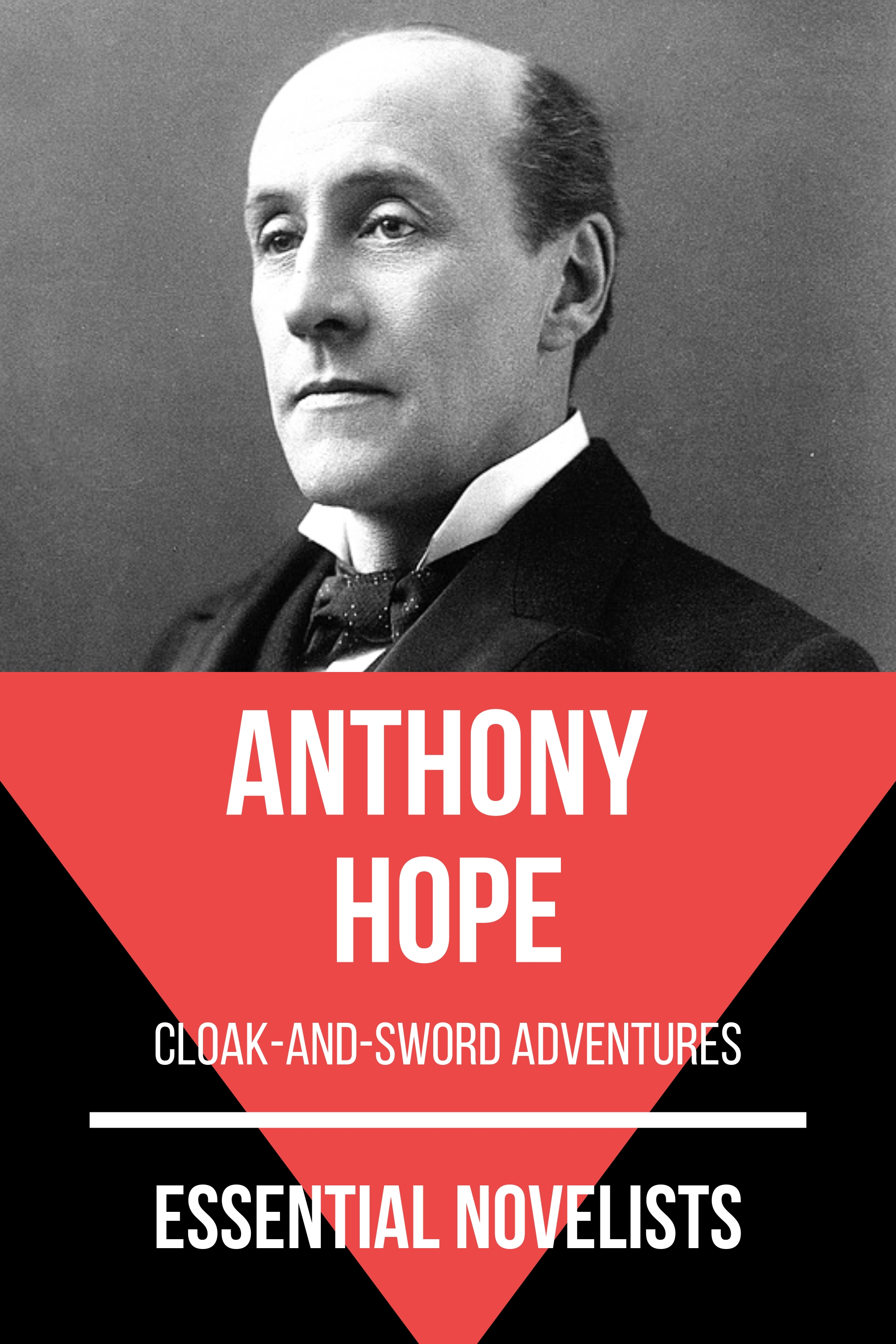







Rupert of Hentzau: From The Memoirs of Fritz Von Tarlenheim
Table of Contents
Introduction
In a kingdom where public duty demands masks while private desire insists on truth, Rupert of Hentzau turns honor into a perilous performance, pitting steadfast loyalty and the burdens of kingship against the glittering allure of unprincipled audacity, as friendships are tested by secrecy, reputations are gambled against survival, and every courteous bow conceals the possibility of treachery, so that love, courage, and the memory of past deceptions must navigate ballroom and borderland alike, confronting a charismatic foe who thrives on risk and spectacle and forcing the faithful to decide how much a conscience may concede to preserve a nation.
Anthony Hope’s Rupert of Hentzau: From The Memoirs of Fritz von Tarlenheim, first published in 1898, belongs to the Ruritanian romance tradition, an adventure subgenre set in a self-contained European kingdom whose etiquette can be as dangerous as its swords. The novel returns to Ruritania, a fictional state whose palaces, forests, and frontier towns stage political pageantry and private intrigue. As a direct sequel to The Prisoner of Zenda, it continues the saga yet remains intelligible on its own. Framed as Fritz von Tarlenheim’s memoir, it offers a cultured observer’s account of perilous events unfolding among a monarch, courtiers, and rivals.
Without disclosing particulars, the novel’s initial crisis arises from a private letter whose contents, if exposed, could unsettle both hearts and the state, obliging the narrator and his allies to undertake a discreet, time-sensitive errand. Their path leads back into Ruritania’s charged atmosphere, where ceremony intersects with espionage and where the titular Rupert—brilliant, daring, and unscrupulous—seeks advantage in every ambiguity. The setup promises duels of wit as well as steel, nocturnal journeys, and fraught audiences before powerful figures. Even in quieter rooms, candor is perilous and silence costly, giving the story its restless momentum without requiring foreknowledge of earlier adventures.
Fritz’s voice shapes the reading experience: gentlemanly, observant, and emotionally restrained, he describes danger with the composure of a courtier and the practicality of a soldier. Hope’s prose is quick without being breathless, favoring lucid description, deft turns of irony, and compact scenes of action. The tone blends romance and realpolitik, so that a bouquet or a passport may matter as much as a sword. Readers encounter banter, coded civility, and sudden violence, but the narrative’s moral center remains reflective rather than sensational, attentive to the costs of decision and to the ways loyalty obliges people to improvise.
Several themes animate the book: the contest between honor and opportunism; the tension between public duty and private love; and the practice of identity as a role performed under scrutiny. Acts of impersonation from the earlier tale cast long shadows here, not as tricks to be repeated but as burdens to be managed, resonating through politics and friendship alike. The charismatic antagonist embodies amoral ambition, while the narrating companions represent fidelity tempered by fallibility. Hope examines how power attracts and corrodes, how secrets shape policy, and how wit can be a weapon, while never abandoning the pleasures of adventure.
As a late-Victorian adventure, the novel remains strikingly current in its concerns: image management, the vulnerability of private correspondence, and the moral strain that public roles impose on intimate loyalties. Readers today will recognize the spectacle of charismatic disruption, the pressure to curate appearances, and the uneasy trade between transparency and prudence. Its swift structure anticipates modern thrillers, yet it insists that choices have consequences beyond the next cliffhanger. By staging courage as a steady habit rather than a pose, the book invites reflection on responsibility, friendship, and integrity in political life, themes as urgent now as then.
Approached on its own terms or as a continuation, Rupert of Hentzau rewards with a taut blend of courtly ceremony, hazardous travel, and the kind of moral calculus that makes action meaningful. The memoir frame steadies the excitement, filtering bravado through remembrance, and leaves room for quiet judgments alongside daring feats. Without revealing outcomes, it is enough to say that loyalty is challenged, wit is tested, and courage must work without guarantees. Readers seeking romance, intrigue, and a sharply drawn adversary will find them here, along with a meditation on how devotion to both crown and conscience is forged.
Synopsis
Rupert of Hentzau: From The Memoirs of Fritz Von Tarlenheim is Anthony Hope’s 1898 sequel to The Prisoner of Zenda, told in Fritz’s sober, retrospective voice. Set again in the small kingdom of Ruritania, it revisits the aftermath of the earlier imposture that saved the crown and bound several lives in secrecy. The court now outwardly stands secure, yet private loyalties and public duty remain precariously balanced. Hope opens with a tone of rueful vigilance: friendships endure but are strained by memory, the monarch is ceremonially intact, and the shadow of a reckless adversary has not entirely lifted from the country’s honor.
The plot quickens around a single, dangerous document: a heartfelt private letter that should never have left a queen’s hand. Its existence, if exposed, would compromise reputations and unsettle the realm’s delicate stability. Into this vulnerability steps Rupert of Hentzau, the brilliant, audacious swordsman whose charm masks predatory calculation. He recognizes in the letter an instrument sharper than any blade. Fritz frames the stakes with careful restraint: the preservation of a woman’s dignity, the safeguarding of a throne, and the testing of bonds forged at Zenda. From the start, the conflict is moral as much as physical, with silence itself a battleground.
Faced with the risk, the old allies quietly assemble. Colonel Sapt’s relentless practicality and Fritz’s loyalty again converge on one indispensable figure: Rudolf Rassendyll, whose likeness to the king once remade the nation’s fate. He returns not as a public hero but as a discreet operative tasked with recovering the incriminating letter before scandal erupts. Plans rely on secrecy, speed, and exact timing, for any misstep could invite a constitutional crisis. The narrative emphasizes precision and patience—hidden routes, unassuming meetings, and careful signals—while also acknowledging that chance and conscience, not merely strategy, will shape what the conspirators can achieve.
Rupert answers prudence with audacity. He deploys charm, intimidation, and deft misdirection, playing on ambition in others and on the very rules of honor his enemies try to preserve. Fritz records a succession of close brushes: hurried interviews in guarded houses, tense encounters in crowded streets, and lonely stretches of road where a rider’s approach changes everything. Messages are intercepted or forged, alibis tested, and alliances probed for weakness. The struggle becomes a game of position and nerve, with each side maneuvering to possess the letter while avoiding any public scene that would force the matter into the unforgiving glare of politics.
Beneath the feints and steel lies a tangle of opposing claims—love versus duty, candor versus obligation, private truth versus public role. Fritz’s memoir weighs admiration for Rassendyll’s gallantry against the painful knowledge that even noble intentions can imperil the innocent. The queen’s predicament is presented with tact, emphasizing both her rectitude and her vulnerability to rumour. Sapt personifies the discipline of service, insisting that personal feeling yield to state necessity. Rupert, by contrast, treats honor as a mask to be donned or discarded, exposing how chivalric ideals can be exploited when reputation matters as much as right.
As pursuit tightens, small decisions carry outsized consequences. A delayed carriage, an unexpected witness, a rumor whispered at the wrong door—each can swing advantage. The conspirators must navigate guards, servants, and watchful courtiers, any of whom might be compromised or simply curious. Temporary triumphs are undercut by reversals: what is recovered may not be secure, and what seems lost may be traced. The letter’s path maps a widening circle of risk, extending from private chambers to public spaces, so that saving a name may require the surrender of comfort, safety, or standing. The tone grows graver, the margins narrower.
The climax resolves the immediate peril while acknowledging irrevocable costs, drawing a line under the Zenda affair and fixing reputations in memory rather than in public record. Fritz’s narrative closes with the air of testimony: sober, restrained, and mindful of what cannot decently be said. Hope’s sequel deepens the romance-adventure with a sterner meditation on consequence, asking what integrity demands when truth itself would destroy what one seeks to protect. In this measured balance of daring and discretion lies the book’s enduring resonance, shaping later tales of intrigue where personal honor and political stability clash in the shadows.
Historical Context
Anthony Hope (Sir Anthony Hope Hawkins, 1863–1933) published Rupert of Hentzau in 1898, as the sequel to The Prisoner of Zenda (1894). Framed as From the Memoirs of Fritz von Tarlenheim, it adopts the idiom of aristocratic reminiscence to recount affairs in Ruritania, a fictional Central European monarchy modeled on contemporary courts. The novel appeared in The Pall Mall Magazine, reaching a broad late-Victorian audience accustomed to serialized adventure. Its setting presupposes familiar institutions—hereditary crown, court camarilla, officer corps, and foreign chancelleries—operating within the diplomatic etiquette of nineteenth‑century Europe, where matters of succession, protocol, and personal honor could carry unmistakably political consequences.
By the 1890s, continental politics were shaped by the German Empire (proclaimed 1871), the Austro‑Hungarian Dual Monarchy (established 1867), and a network of smaller kingdoms and principalities. Courts balanced written constitutions with substantial royal prerogatives, especially in German-speaking lands, while foreign policy operated within an equilibrium shaped by Bismarckian diplomacy. In such an environment, scandals affecting a sovereign’s legitimacy or private conduct could have diplomatic reverberations. Ruritania’s imagined bureaucracy, ceremonial culture, and reliance on loyal aristocratic households mirror these realities, providing a plausible stage on which court intrigue, succession anxieties, and the defense of dynastic dignity unfold within a recognizable Central European framework.
The social climate carried legacies of the 1848 revolutions: governments prized order, and officered aristocracies supplied cohesion to throne and state. Military prestige remained a central metric of legitimacy, reinforced by uniforms, parade, and a pervasive code of personal honor. Although increasingly regulated or illegal, dueling persisted among European elites and officers, and student fencing traditions in German universities endured as markers of status. Hope’s characters operate within this ethic, where affronts are answered individually yet resonate institutionally, and where honor binds private judgment to public service—an ethic intelligible to readers familiar with both the romance of chivalry and the realities of modern bureaucracy.
Late nineteenth‑century communications—dense railway networks, standardized timetables, and telegraph lines—knit European capitals together. International trains such as the Orient Express (inaugurated 1883) made swift cross-border movement feasible, while the postal system conveyed both official dispatches and compromising private correspondence. Passports and frontier controls existed but were comparatively permeable, aiding plausible clandestine journeys for diplomats, couriers, and fortune‑seekers. These infrastructures underpin the novel’s credible geopolitics: news travels quickly, discretion remains precarious, and the logistics of pursuit, surveillance, and rendezvous follow contemporary realities rather than purely medieval fantasy, situating Ruritania within the practical rhythms of fin‑de‑siècle Europe’s mobility and information flow.
Rupert of Hentzau belongs to the Ruritanian romance, a term derived from Hope’s own invention and widely adopted to describe adventure tales of small European monarchies, imposture, and court conspiracy. The mode fused Walter Scott’s historical romance, Dumas’s swashbuckling intrigue, and the Victorian magazine serial’s brisk pacing. First‑person narration lent immediacy and an air of authenticity prized by readers of the 1890s. The success of The Prisoner of Zenda on page and stage prepared audiences for a continuation, while the sequel sustained the genre’s emphasis on gallantry, loyalty, and peril under ceremonial restraint, using a modern setting rather than distant historical epochs.
Hope wrote as an English barrister‑turned‑novelist for a British market at the zenith of imperial confidence. His central figures juxtapose British gentlemanly ideals—self‑control, fair play, and amateur prowess—with Continental institutions marked by protocol and dynastic sensitivity. While the narrator here is a Ruritanian noble, the idiom, irony, and moral emphases reflect late‑Victorian liberal constitutionalism. Readers habituated to a stable parliamentary monarchy could safely contemplate the hazards of more personalized rule abroad. The result is a cosmopolitan fantasy anchored in recognizable European statecraft, allowing British audiences to explore questions of loyalty and legitimacy at arm’s length from domestic political controversy.
The fin‑de‑siècle public sphere grew more transnational and intrusive. Mass‑circulation newspapers, telegraphed correspondents, and expanding literacy heightened the risks of scandal to crowned heads and cabinets. European courts relied on strict etiquette, vetted correspondence, and careful ceremonial to protect reputations that underpinned constitutional settlements and foreign alliances. Within this climate, private sentiment, marital duty, and the image of the sovereign intertwined with state interest. Hope’s sequel draws on these pressures without naming real governments, showing how discretion, surveillance, and the threat of exposure could propel political actors, and how moral restraint functioned not merely as personal virtue but as an instrument of governance.
Composed on the eve of the twentieth century, the novel distills late‑Victorian fascination with monarchy, chivalric honor, and the psychology of duty amid modern institutions. It neither celebrates absolutism nor advocates revolution; instead, it dramatizes the negotiated space between personal conscience and the reason of state. By staging perils of impersonation, intrigue, and reputation in a plausible Central European court, it tests the resilience of constitutional norms and aristocratic ethics under pressure. In doing so, it both exemplifies the escapist romance of its decade and quietly critiques the fragility of legitimacy when symbolism, secrecy, and sentiment must sustain the stability of rule.




