Erhalten Sie Zugang zu diesem und mehr als 300000 Büchern ab EUR 5,99 monatlich.
- Herausgeber: SNR Audio
- Kategorie: Gesellschafts- und Liebesromane
- Sprache: Englisch
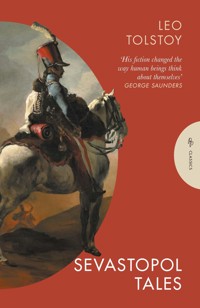
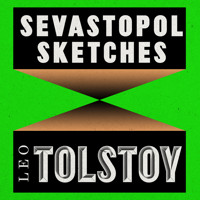
"True courage is not the absence of fear, but the determination to act despite it." In the winter of 1854 Tolstoy, then an officer in the Russian army, arranged to be transferred to the besieged town of Sevastopol in Crimea. The three Sevastopol Sketches draw upon his real life experiences during the siege to create a profound commentary on the realities of war, illustrating both the physical challenges and the emotional struggles faced by those engaged in conflict, soldiers and civilians alike. Through a combination of vivid imagery, personal experiences, and philosophical reflection, Tolstoy challenged his audience to confront the harsh realities of conflict and the moral implications that arise from it. These works played a crucial role in shaping Tolstoy's career, solidifying his reputation as a significant writer and a serious commentator on social issues. Leo Tolstoy (1828–1910) was a Russian novelist, philosopher, and social reformer, widely regarded as one of the greatest writers of all time. He is best known for his epic novels War and Peace and Anna Karenina, both celebrated for their intricate character development and profound exploration of moral dilemmas and human nature. In his later years, Tolstoy experienced a spiritual awakening which led him to reject materialism and embrace a life of simplicity, seeking to align his life with his beliefs about non-violence and compassion. Tolstoy's legacy endures not only through his literary masterpieces but also through his profound impact on literature and philosophy.
Das Hörbuch können Sie hören im Abo „Legimi Premium” in Legimi-Apps auf: