


3,99 €
Mehr erfahren.
- Herausgeber: Publisher s21598
- Kategorie: Ratgeber
- Sprache: Englisch
Every woman undergoes menopause at some point in her life. The average age of menopause is 51 years of age but it can occur as young as 30 or at age 60. If you have menopausal symptoms prior to that, it is known as premature menopause. The exact definition of menopause is the cessation of menstrual periods for a consecutive 12 months. The wide fluctuations in hormones during menopause do not just affect the physical body. They affect the brain and emotions as well. Things like mood swings, depression, and anxiety are common symptoms seen during the menopausal years and it can sometimes reach debilitating proportions. You can have increasing crying spells and irritability that can have an effect on you and those around you. According to the American College of Obstetricians and Gynecologists, the continual alterations in hormone levels during the menopausal years can have a negative impact on emotions so that some women are left feeling depressed, anxious, and irritable. Estrogen and progesterone receptors are located in the brain as well as the body so that it is natural to assume that mental and emotional changes will affect the body during times when the hormones fluctuate. Even though menopause is a natural process that happens to all of us, there’s still a few things that you need to keep an eye on to make sure that everything is happening the way it should Learn about the various menopause symptoms and how they effect your piece of mind and quality of life. Discover multiple effective and all natural remedies for those symptoms. Learn how your emotional health affects severity of symptoms. Discover how stress reduction and cognitive behavioral therapy helps alleviate menopause symptoms. Many women in the perimenopausal and menopausal years feel like nothing in life makes sense. One minute they find themselves crying uncontrollably while the next, they feel extremely angry for no reason. There can be an increase in premenstrual syndrome in the perimenopausal years as the ovaries struggle to make up for their age-related decline. You may feel and act crazy at times but this isn’t permanent and soon you will return to a normal state. In the meantime, there are things you can do to combat these changes. Antidepressants. antidepressants. They are most beneficial for depressive symptoms but they can also help anxiety symptoms and problems with sleep. Anxiolytic therapy. Hormone Replacement Therapy. Meditation. etc Not every woman experiences emotional changes as a result of menopause. If you find yourself with emotional changes in menopause that you can’t tolerate, try some of the tips mentioned in this book, as we elaborate and in depth guide to help everybody to understand Menopause better
Das E-Book können Sie in Legimi-Apps oder einer beliebigen App lesen, die das folgende Format unterstützen:
Veröffentlichungsjahr: 2019
Ähnliche

















Table of Contents
Menopause And Its Symptoms
Using Alternative Medicine For Menopaus
Acupuncture
Hypnosis For Night Sweats And Hot Flashes
Paced Breathing
Phytoestrogens
Herbs For Menopause
Ginseng
Other Herbs
Mindful Breathing
DHEA
Nutrition
Aerobic Exercise
Natural Sleep Remedies For Insomnia
The Importance Of Reducing Stress
Relaxation Therapies
Mind Body Practices
Cognitive Behavioral Therapy
Behavioral Interventions
Maintaining Emotional Wellness
Positive Thinking
Be Kind To Yourself
Precautions
Introduction To Meditation
Meditation To Alleviate Menopause Symptoms
Mindfulness Meditation For Anxiety And Depression
Practicing Mindfulness Meditation
Stress Relief To Improve Menopause Symptoms
Meditation For Menopause-Related Insomnia
Meditation May Cool Hot Flashes
Transcendental Meditation
Kundalini Yoga
Brain Changes During Menopause
Changing Hormones And The Central Nervous System
Increased Cortisol Levels During Menopause
Hormonal Fluctuation During Perimenopause
Perimenopause, Cardiovascular Risk Factors And Dementia
Human Studies On Cognitive Skills And Perimenopause
Studies Supporting Critical Timing Of Estrogen Replacement
The Dreaded Mood Swings
The Role Of Hormones In Mood Swings
Dealing With Mood Swings
Reducing Stress
Taking A Step Back
Sleep Helps
What Is Osteoporosis
Causes of Osteoporosis
How Is Osteoporosis Related To Menopause?
Symptoms Of Osteoporosis
Diagnosis Of Osteoporosis
Prevention Of Osteoporosis
Treatment Options For Osteoporosis
Bisphosphonate Medications
Other Drugs
Hormone Therapy For Osteoporosis
Alternatives To Hormone Therapy
Weight Bearing Exercises For Osteoporosis
Calcium In The Management Of Osteoporosis
Preventing Fractures After Diagnosis
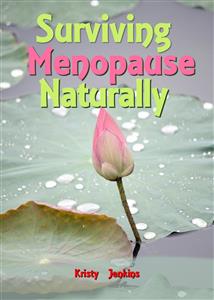
Surviving Menopause Naturally
Disclaimer:
This publication is for informational purposes only and is not intended as medical advice. Medical advice should always be obtained from a qualified medical professional for any health conditions or symptoms associated with them. Every possible effort has been made in preparing and researching this material. We make no warranties with respect to the accuracy, applicability of its contents or any omissions.
Copyright © 2019 KRISTY JENKINS
Menopause And Its Symptoms
Menopause is a time in a woman’s life when she stops having menstrual periods. On average, menopause occurs at 51 years of age, and commonly between the ages of 48 and 55 years. Premature menopause occurs in women as early as in their 30s or early 40s, though the reasons for this phenomenon are largely unknown.
Menopause is a natural process that a woman’s body experiences that ends fertility. Menopause can also be induced if a woman has a hysterectomy. Menopause is caused by a complex series of hormonal changes and can lead to a large variety of symptoms that vary from woman to woman.
Although there are some women who report that they experience little to no menopause symptoms, other women complain that their menopause symptoms are wreaking havoc on their lives.
Often these women are left searching for effective ways to relieve the symptoms of menopause to improve their quality of life.
Some of the most common menopause symptoms are hot flashes, night sweats, sporadic menstrual periods, reduction in libido and vaginal dryness.
Some of the other symptoms a woman may experience include erratic mood swings, fatigue, hair loss, insomnia, difficulty concentrating, memory lapses, and dizziness. Depression, anxiety, and irritability are often caused by the sudden hormonal changes as well as trying to cope with all the other symptoms.
Symptoms such as hot flashes and night sweats can be difficult to cope with as they often lead to anxiety and stress as well as disturbed sleep. This disturbed sleep can lead to difficulty concentrating and memory lapses, which would be frustrating for anyone. Personal relationships can also sometimes suffer when the mood swings and irritability are unleashed on the people closest to the woman experiencing the symptoms.
The Emotional Impact Of Menopause
The wide fluctuations in hormones during menopause do not just affect the physical body. They affect the brain and emotions as well. Things like mood swings, depression, and anxiety are common symptoms seen during the menopausal years and it can sometimes reach debilitating proportions. You can have increasing crying spells and irritability that can have an effect on you and those around you.
According to the American College of Obstetricians and Gynecologists, the continual alterations in hormone levels during the menopausal years can have a negative impact on emotions so that some women are left feeling depressed, anxious, and irritable.
Estrogen and progesterone receptors are located in the brain as well as the body so that it is natural to assume that mental and emotional changes will affect the body during times when the hormones fluctuate.
The Decline in Hormones and Emotions
Several years before the onset of menopause, the ovary begins to lose its ability to make estrogen and progesterone. This doesn’t happen steadily and the hormone levels will fluctuate. Because there are estrogen and progesterone receptors in the brain, things like cognitive functioning and emotions are strongly affected.
What happens in the brain when the hormones decline is a disruption in the biochemical cascades that make up neurotransmitter pathways, such as the serotonin pathway, the norepinephrine pathway, and the GABAergic pathway. These are brain pathways strongly associated with mood and emotions.
The final result of the disruption of these pathways includes depressive symptoms, mood swings, and even tempers tantrums. Even women who are normally mentally stable will experience emotional highs and lows that are unrelated to what is going on around them.
The ovaries sometimes produce too much hormones and, at other times, they produce too little hormones. All of this affects the brain and its neurotransmitters.
Many women in the perimenopausal and menopausal years feel like nothing in life makes sense. One minute they find themselves crying uncontrollably while the next, they feel extremely angry for no reason. There can be an increase in premenstrual syndrome in the perimenopausal years as the ovaries struggle to make up for their age-related decline.
What to do about Menopausal Mood Swings
The first thing you need to do when experiencing perimenopausal emotional changes is to recognize that this is a normal physiological process and that you are not going crazy. You may feel and act crazy at times but this isn’t permanent and soon you will return to a normal state. In the meantime, there are things you can do to combat these changes.
Antidepressants.
You can ask your doctor for a short course of antidepressant medication therapy. This might include taking Celexa, Lexapro, Prozac, Paxil, and other antidepressants. They are most beneficial for depressive symptoms but they can also help anxiety symptoms and problems with sleep.
Anxiolytic therapy.
You can also try a short course of anti-anxiety medications. These include medications like Xanax, Ativan, Valium, and Klonopin. They can help you sleep and can control symptoms of anxiety you may be experiencing.
Hormone Replacement Therapy.
You can replace the missing hormones your ovaries are no longer making adequately, which will have positive effects on the brain. As estrogen replacement therapy can result in heart disease, breast cancer, and endometrial cancer, you need to weight the risks versus the benefits of taking these medications to control your mood swings.
Meditation.
Things like meditation, guided imagery, yoga, tai chi, and qi gong can all reduce stress, which will have a positive effect on your emotions. Meditation especially can reduce your perception of stress and can decrease mood swings associated with menopause. Yoga, tai chi, and qi gong can also be used as a form of exercise, which will help your mood as well as your body.
Exercise.
Regular exercise can reduce stress and can affect your emotions. Choose an exercise you like to do and that you can stick with for thirty minutes at a stretch over most days of the week. Even mild to moderate exercise can improve sleep and can help you stave off mood swings.
Sleeping.
You need at least 7 to 9 hours of restful sleep in order to have a stable mood. This can be accomplished by maintaining a regular sleep schedule and practicing good sleep habits. If you find you really can’t sleep, over the counter medications like diphenhydramine (Benadryl) can help you get the sleep you need.
Not every woman experiences emotional changes as a result of menopause. If you find yourself with emotional changes in menopause that you can’t tolerate, check one of the tips above with elaborate detail in this book which provide guidance for you to resolve with some alternative healing methods but always remember in worsening situation, please make an priority appointment to see your your primary physician or a psychologist to help you cope.
Using Alternative Medicine For Menopause
Hormone replacement therapy (HRT) has been a common way to ease menstrual symptoms in women for many years. Hormone replacement therapy replaces the estrogen that a woman’s ovaries no longer make after menopause.
HRT has been shown to be excellent at preventing hot flashes, and improving sleep. Long-term use of hormone replacement therapy has shown to help prevent the thinning of a woman's bones.
Since a study that was conducted in July of 2002, hormone replacement therapy has no longer been considered to be safe for long-term use in all post-menopausal women. The only exception is in very limited cases where other therapies are proving to be unhelpful and the woman needs relief from her symptoms.
Studies have shown that there are higher risks of breast cancer, stroke, blood clots, and heart disease, which are generally considered to outweigh the benefits of using hormone replacement therapy for a long period of time. HRT is not advised for women age 60 or over.
Traditional medicine typically falls short and since HRT is not for all women, many turn to natural and alternative medicine remedies to deal with symptoms and to improve quality of life.
There are many alternative options available to deal with menopause symptoms that can avoid the use of hormone replacement therapy and have considerably fewer risks involved.
Some alternatives to hormone replacement therapy include acupuncture, hypnosis, paced breathing, mindful breathing, phytoestrogens, and aerobic exercise. Yoga, meditation, massage, and tai chi are also all effective at helping to reduce some of the various symptoms of menopause that a woman may experience.
Take Control Of Your Symptoms And Improve Your Quality Of Life With All Natural Methods
Acupuncture
Acupuncture is part of Traditional Chinese medicine, and is a natural medicine that involves the insertion of special needles into the skin and is more than 2,500 years old. Acupuncture is used to alleviate pain and treat various physical, emotional, and mental conditions.
› Menopause symptoms such as hot flashes, insomnia, and mood swings are thought
to be relieved among women who receive acupuncture on a regular basis.
In a study published in the journal Acupuncture in Medicine, Turkish researchers evaluated 53 menopausal women, of which 27 were given acupuncture treatments two times per week for a total of ten weeks. The needles were placed on acupoints in the body that stimulated the release of endorphins and natural energy. The remaining women were given a placebo treatment with blunted needles.




