


0,49 €
Niedrigster Preis in 30 Tagen: 1,99 €
Niedrigster Preis in 30 Tagen: 1,99 €
Mehr erfahren.
- Herausgeber: Booksell-Verlag
- Kategorie: Lebensstil
- Sprache: Englisch
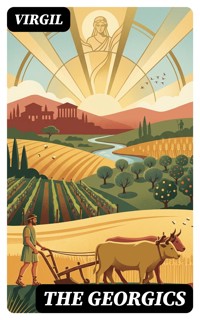
Virgil's "The Georgics" is a masterful poetic exploration of agricultural life, reflecting on the intricate relationship between humanity and nature. Composed in four distinct books, it traverses themes from the cultivation of crops to the management of livestock, all while employing a rich tapestry of vivid imagery and meticulous attention to seasonal cycles. Amidst its didactic aims, the work is infused with a lyrical beauty that positions it within the tradition of pastoral literature, serving both as an agricultural manual and a meditation on rural virtues and human endeavors against the backdrop of an ever-changing natural landscape. Virgil, whose full name is Publius Vergilius Maro, was born in 70 BCE in the region of Mantua. His deep appreciation for the land and its agrarian roots may stem from his own experiences as a farmer's son, as well as the socio-political upheavals of his time. Virgil's mastery of the Latin language and his prior work, "The Eclogues," laid the groundwork for the themes of harmony and strife that permeate "The Georgics," reflecting his desire to convey the value of agrarian life in a transformative era for Rome. As a significant precursor to later pastoral works, "The Georgics" resonates with contemporary readers who seek not only to understand the art of farming but also to reflect on humanity's place within the natural world. I highly recommend this text for anyone interested in classical literature, agricultural practices, or the intersection of human life and the environment. In this enriched edition, we have carefully created added value for your reading experience: - A succinct Introduction situates the work's timeless appeal and themes. - The Synopsis outlines the central plot, highlighting key developments without spoiling critical twists. - A detailed Historical Context immerses you in the era's events and influences that shaped the writing. - An Author Biography reveals milestones in the author's life, illuminating the personal insights behind the text. - A thorough Analysis dissects symbols, motifs, and character arcs to unearth underlying meanings. - Reflection questions prompt you to engage personally with the work's messages, connecting them to modern life. - Hand‐picked Memorable Quotes shine a spotlight on moments of literary brilliance. - Interactive footnotes clarify unusual references, historical allusions, and archaic phrases for an effortless, more informed read.
Das E-Book können Sie in Legimi-Apps oder einer beliebigen App lesen, die das folgende Format unterstützen:
Veröffentlichungsjahr: 2019
Ähnliche






The Georgics
Table of Contents
Introduction
"We must cultivate our land in every way, that nature has lulled us to sleep in her embrace." This quote from Virgil's *Georgics* encapsulates the essence of a work that reflects on the intricate relationship between humanity and the natural world. The poem invites readers into a timeless dialogue about agriculture, labor, and the inherent challenges of living in harmony with nature. Through its pastoral imagery, it not only informs but also inspires a reverence for the earth and its cycles, emphasizing the universality of striving for a fruitful existence amidst adversity.
The *Georgics* stands as one of the cornerstones of Western literature, a work that has transcended its era to influence generations of writers. Its classic status derives from its profound exploration of themes such as agrarian life, the dignity of labor, and the philosophical reflections tied to the natural world. Virgil's intricate verses have inspired poets, philosophers, and thinkers throughout history, underpinning a tradition that values the wisdom drawn from nature and manual work. In modern times, its relevance endures, demonstrating the timeless nature of its insights.
Composed between 37 and 30 BCE, Virgil's *Georgics* embodies a significant moment in Roman literary history. Written during the early days of the Roman Empire, this four-part poem reflects not only the agricultural practices of the time but the socio-political context of Roman life. Virgil, seeking to elevate the art of farming through words, endeavors to provide practical advice while traversing deeper themes of existence, mortality, and the human experience. Each of the four books addresses different aspects of agricultural life, yet they are woven together by a shared reverence for creation.
Virgil, born Publius Vergilius Maro, was a poet whose work would ultimately shape the trajectory of Latin literature. The *Georgics* was written after his monumental epic, the *Aeneid*, showcasing Virgil's profound versatility and deeper engagement with the pastoral soul of his people. This work was arguably influenced by his own experiences and observations of the land, capturing the essence of rural life with a lyrical quality that transcends time. His intention was not solely to instruct; rather, it was to evoke a spirit of unity between humankind and the natural world.
The four books of the *Georgics* each unfold a distinct aspect of agricultural life, ranging from the cultivation of crops to the care of livestock and the intricacies of beekeeping. By intertwining practical instruction with philosophical musings, Virgil elevates the mundane to the majestic, inviting readers to reflect on the deeper significance of farming. The work serves both as a manual for farmers and a broader meditation on the human condition, illustrating how labor not only sustains life but also shapes one's character and destiny.
Virgil's purpose in writing the *Georgics* extends beyond the mere instructional. It serves as a meditation on the harmony achievable between humankind and the natural world, which resonates through its verses. The poem offers soothing imagery that contrasts the chaos of urban life with the serenity of rural existence, prompting a nostalgic yearning for simplicity. This exploration into the relationship between land and labor reveals a philosophical stance where nature is both a nurturing mother and a harsh teacher, fostering a spirit of resilience in the face of life's unpredictability.
Furthermore, the *Georgics* showcases an artistic brilliance through its rich language and vivid imagery. Virgil’s mastery of metaphor and simile not only illustrates the beauty of the countryside but also elevates agricultural life to a sacred calling. His attention to detail and emotional resonance imbue the pastoral landscape with a sense of enchantment, resonating with readers who find solace in the simplicity of rural life. This effective blending of aesthetic appeal and philosophical depth contributes substantially to the poem’s enduring status as a literary classic.
One of the most striking aspects of the *Georgics* is its anthropocentric focus on labor and the ceaseless efforts of humankind. Virgil champions the virtues of hard work, respect for the land, and humility in the face of nature’s power. He addresses the laborer with a tone of reverence, transforming the agricultural figure from the working class into a heroic archetype, a motif that resonates through many subsequent literary works. This celebration of the laborer is a central theme that has echoed through time, influencing how later authors frame their narratives.
In a world that often prioritizes wealth and urban sophistication, the *Georgics* serves as a reminder of the intrinsic value of the land and the labor required to cultivate it. Through detailed depictions of both challenges and rewards inherent in agriculture, Virgil crafts a compelling argument for a life grounded in purpose and connection to nature. This agrarian ethos presents a desirable alternative to the political turbulence and moral decay of city life, inviting readers to reconsider their relationship with their own environments.
Moreover, the themes of the *Georgics* cultivate a sense of community and shared experience among its readers. Virgil emphasizes the unifying potential of agriculture, portraying it as a common thread that binds disparate individuals together. This exploration of collective labor promotes not only cooperation but also a celebration of the human spirit in overcoming adversity. The sense of belonging nurtured through this relationship creates a lasting relevance for contemporary audiences, prompting reflections on the nature of community in today’s complex society.
Virgil’s intricate weaving of mythology and agrarian life also captivates readers, as he often draws upon classical themes and deities to enrich his narrative. By integrating mythological references—invoking gods like Ceres, the goddess of agriculture—Virgil elevates the earthly act of farming to a divine calling. This synergy between the mundane and the sacred invites contemplation about humans’ place within the universe, a theme that remains particularly relevant in contemporary discourse surrounding environmental stewardship and sustainability.
The *Georgics* also confronts the inevitability of change—a significant theme that resonates deeply with modern readers. Virgil acknowledges the fragility of labor through vivid depictions of natural disasters and unpredictability that can affect any farmer’s yield. This portrayal of nature as both bountiful and formidable reflects the duality of human existence, where triumphs can quickly turn to despair. Indeed, this understanding of life’s inherent unpredictability nurtures resilience and adaptability, qualities that are vital in today’s fast-paced world.
Another enduring aspect of the *Georgics* is its lyrical beauty, which continues to resonate with readers. The carefully constructed verses exemplify Virgil's craftsmanship, showcasing a unique blend of form and meaning that captivates audiences. This aesthetic quality invites repeated readings, as each line unfolds new layers of insight and emotion. The poem’s capacity to evoke vivid imagery and heartfelt sentiments allows it to bypass cultural and temporal boundaries, ensuring its relevance across generations and in various contexts.
Virgil's exploration of nature's cycles within the *Georgics* also brings forth themes of renewal and regeneration. The cyclical process of planting and harvesting echoes the perennial rhythm of life—death followed by rebirth. This structure not only serves a pragmatic function but also symbolizes the human journey of growth, loss, and renewal. Contemporary readers find solace in this idea, resonating with their personal experiences and reflecting on how they navigate their own seasons of change and transformation.
In bridging the divide between the idealized pastoral and quotidian reality, Virgil leaves readers with a nuanced view of agriculture. The *Georgics* does not shy away from depicting the trials of toil, instead embracing them as intrinsic to the agricultural experience. This acceptance of hardship as part of the journey resonates with readers today, infusing the work with a sense of authenticity that transcends its historical context. The poem becomes a parallel for life itself—a blend of struggles and triumphs that shape the human spirit.
Ultimately, Virgil's *Georgics* remains a timeless tribute to the enduring relationship between humanity and the land. It shines a light on the virtues of hard work, the beauty of nature, and the spiritual rewards that arise from a life of purpose tied to the earth. This intricate tapestry of themes and insights fosters a profound appreciation for a connection long taken for granted, bridging gaps between ancient and modern perspectives. Contemporary audiences continue to find wisdom in its lines, reaffirming the work's significance across ages.
As readers engage with the *Georgics*, they are invited into an exploration of what it means to cultivate not only the land but one's self in the process. The currents of Virgil's poetry resonate with a call for mindfulness towards nature, personal resilience, and the communal bonds formed through labor. This ongoing dialogue between humanity and the environment remains ever-relevant, cultivating a spirit of stewardship and appreciation that challenges readers to reflect on their own place in the world. Through its celebration of work and nature, the *Georgics* continues to inspire, shaping the understanding of our lives in relation to the earth.
Synopsis
The Georgics, an epic poem by the Roman poet Virgil, is a masterful exploration of agricultural life and rural virtues. Composed in four books, it serves as a guide to farming practices while also extolling the beauty of labor and the relationship between humanity and nature. Written during a time of social and political upheaval, Virgil's work reflects a longing for stability and a pastoral ideal, drawing on Greek tradition while infusing it with Roman values. The poem's didactic tone invites readers to appreciate the joys and challenges of rural existence, elevating agriculture as a noble vocation.
In the first book, Virgil opens with invocations to the muse and discusses the importance of land and farming techniques. He emphasizes the need for knowledge and skill in agricultural practices, outlining how to select the best soil and how to prepare it for planting. The poet stresses the significance of working in harmony with nature, appealing to divine favor for a prosperous harvest. This opening sets the stage for the subsequent sections by placing great weight on the farmer's crucial role in sustaining society.
The second book transitions into the cultivation of various crops, detailing specific techniques for sowing and harvesting grains, vines, and olives. Virgil addresses the challenges posed by pests and unpredictable weather, highlighting the farmer's resilience in facing these adversities. Here, the poem interweaves mythological references, illustrating the interaction between divine forces and human endeavors. This interplay reflects the belief that successful agriculture is a blend of human effort and divine providence, reinforcing the larger theme of cooperation between mankind and nature.
In the third book, the focus shifts to animal husbandry, discussing the care and management of livestock. Virgil provides practical advice on breeding, nutrition, and health care while also incorporating fables that underline the virtues associated with proper stewardship of animals. The poet's depiction of pastoral life celebrates the bond between humans and livestock, portraying it as essential for a flourishing agricultural lifestyle. This book emphasizes the interconnectedness of various elements within farming, showcasing how each aspect supports the other in the pursuit of rural prosperity.
The fourth book takes a broader turn, discussing the role of agriculture in the context of political and social stability. Virgil presents the ideal image of rural life as a counterpoint to the chaos of urban existence, suggesting that a return to agrarian values is essential for the health of the Roman state. The poet introduces broader themes of community and harmony, calling for a collective responsibility toward the land and each other. This narrative shift underscores the moral imperative to nurture the earth as a vital part of sustaining civilization.
Throughout The Georgics, Virgil's poetic language paints vivid images of the agricultural cycle, creating an immersive sensory experience that highlights the beauty of nature. The use of rich descriptions serves to deepen the reader's appreciation for the landscape and labor that constitute rural life. From the blooming of fields to the labor of harvest, the sensory details bring to life the rhythm and cycles inherent in agricultural work. This vivid imagery not only captivates the reader but also reinforces the essential themes of toil and transformation.
Virgil's work also explores philosophical ideas regarding the human condition, emphasizing the connection between labor and fulfillment. He suggests that true happiness lies in diligent work and a respectful relationship with the natural world. The themes of labor, perseverance, and responsibility resonate deeply throughout the poem, positioning agriculture as a metaphor for personal growth and ethical living. This deeper understanding of work serves to elevate the farmer's role, demonstrating how rural life is intertwined with moral and philosophical considerations.
The Georgics closes with a sense of hope, urging a reverence for the land and an appreciation of its gifts. Virgil's concluding thoughts resonate with the reader, leaving behind a powerful reminder of the importance of sustainability and respect for nature. His reflections on the cycles of life, death, and rebirth encapsulate the essence of the agricultural experience. The poem asserts that the connection with the land is vital not only for individual well-being but also for the health of society as a whole, emphasizing the enduring significance of agrarian pursuits.
Overall, The Georgics serves not only as an agricultural manual but also as a profound meditation on the values of hard work, community, and the human-nature relationship. Virgil's intertwining of practical guidance with philosophical reflections presents a timeless appeal for those who seek meaning in their labor. The poem thus conveys a central message: that through understanding and respecting the natural world, individuals can cultivate both their fields and their character, ultimately contributing to a more harmonious society.
Historical Context
The Georgics, written by the Roman poet Virgil, is set in Ancient Rome during the late 1st century BCE. This period was a time of significant transition and transformation for Rome, marked by the aftermath of internal conflicts and the establishment of Augustus' rule. The backdrop for the work is the Italian countryside, an area that had suffered greatly due to the extensive civil wars preceding Augustus' reign. This turbulent time saw the shift from the Roman Republic to the Roman Empire, ushering in new societal and political dynamics. The setting reflects a Rome that is looking to renew itself and stabilize through a return to agricultural prosperity, which Virgil explores through his poetic narrative on farming, nature, and labor.
One of the pivotal events influencing the Georgics is the destruction wrought by the Roman civil wars, specifically the aftermath of the conflict between the forces of Octavian (later Augustus) and Mark Antony. The wars culminated in the Battle of Actium in 31 BCE, a decisive confrontation that led to Octavian's consolidation of power. These conflicts devastated the Italian countryside, leaving farms abandoned and infrastructure in ruin. Virgil's emphasis on agriculture is a direct response to this devastation, highlighting the need for reconstruction and the potential of farming to stabilize and enrich Roman society both economically and morally.
The land distribution practices of the Roman government also play an important role in the context of the Georgics. Following the civil wars, Augustus implemented agrarian reforms to reward his veterans, redistributing land to soldiers and thus altering the agricultural landscape. These reforms were necessary for appeasing the military and promoting agricultural production. Virgil reflects these reforms by underscoring the importance of land cultivation, as well as the challenges and rewards that come with farming. The poet's depiction of tilling the land serves as an allegory for societal renewal and personal diligence.
The transition from the Roman Republic to the Roman Empire under Augustus is another significant element mirrored in the Georgics. Augustus' rule, beginning in 27 BCE, marked the establishment of a new constitutional framework that effectively ended the Republic and initiated an era of imperial governance. This transition is mirrored in Virgil's work through themes of order, control, and growth, paralleling Augustus' efforts to bring stability to Roman society. By focusing on themes related to agriculture and productivity, Virgil aligns with Augustus' vision of a restored, orderly, and prosperous Rome.
During Virgil's lifetime, Roman society was influenced by the philosophy of Stoicism, which emphasized rationality, self-control, and harmony with nature. While not explicitly Stoic, the Georgics reflect some of these themes, particularly through the emphasis on harmonious interaction with nature and the virtues of hard work and moderation. This philosophical underpinning offers a lens through which the text can be seen as promoting societal values aligned with personal virtue and civic responsibility, resonating with the stability and moral reconstruction Augustus sought to foster in Roman culture.




