Erhalten Sie Zugang zu diesem und mehr als 300000 Büchern ab EUR 5,99 monatlich.
- Herausgeber: SNR Audio
- Kategorie: Geisteswissenschaft
- Sprache: Englisch
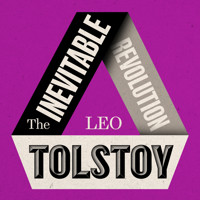
"Men should believe in the law of love in the same way that they now believe in the inevitability of violence." The Inevitable Revolution (1909) is one of Tolstoy's last major works of non-fiction, focusing on themes of civil disobedience, pacifism, and anarchism. The author criticises prisons, parliaments, wars, conscription, capitalism, theft, revolutionary violence, and taxes, while praising the message of love found in Christianity and acknowledging similar teachings in other religions. He believes that adherence to the law of love offers practical solutions to the societal issues he critiques and essentially calls for a moral awakening among individuals to live non-violently and to not condone violence in any form. This essay serves as a profound reflection of Tolstoy's later philosophical views and its discussions on non-violence and ethical living continue to resonate today. Leo Tolstoy (1828–1910) was a Russian novelist, philosopher, and social reformer, widely regarded as one of the greatest writers of all time. He is best known for his epic novels War and Peace and Anna Karenina, both celebrated for their intricate character development and profound exploration of moral dilemmas and human nature. In his later years, Tolstoy experienced a spiritual awakening which led him to reject materialism and embrace a life of simplicity, seeking to align his life with his beliefs about non-violence and compassion. Tolstoy's legacy endures not only through his literary masterpieces but also through his profound impact on literature and philosophy.
Das Hörbuch können Sie hören im Abo „Legimi Premium” in Legimi-Apps auf: