


0,49 €
Niedrigster Preis in 30 Tagen: 1,99 €
Niedrigster Preis in 30 Tagen: 1,99 €
Mehr erfahren.
- Herausgeber: Booksell-Verlag
- Kategorie: Abenteuer, Thriller, Horror
- Sprache: Englisch
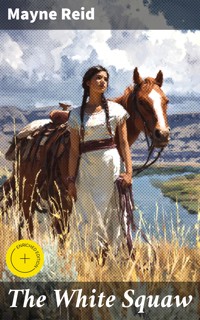
In "The White Squaw," Mayne Reid delivers a gripping narrative set against the backdrop of the American frontier, intricately weaving themes of civilization, nature, and the complexities of cross-cultural interactions. The novel is characterized by Reid's vivid descriptions and extensive use of dramatic tension, embodying the adventure genre that gained popularity during the 19th century. Through the tale of a white woman raised among Native Americans, Reid explores notions of identity and belonging, challenging contemporary racial stereotypes while adhering to the romanticized depiction of the Wild West. Mayne Reid, an Irish-American author, was known for his adventurous spirit and deep engagement with the American landscape, which is evident in his works. His experiences as a frontier explorer and a proponent of the romantic view of Native American culture profoundly influenced his writing. Reid's works often reflect his fascination with nature, exploration, and his commitment to portraying the human condition against the vast and untamed backdrop of America's wilderness. This book is highly recommended for readers interested in historical fiction, adventure, and the examination of cultural encounters. "The White Squaw" not only entertains with its thrilling plot but also invites reflection on themes of identity and transformation, making it a significant contribution to the genre. In this enriched edition, we have carefully created added value for your reading experience: - A succinct Introduction situates the work's timeless appeal and themes. - The Synopsis outlines the central plot, highlighting key developments without spoiling critical twists. - A detailed Historical Context immerses you in the era's events and influences that shaped the writing. - A thorough Analysis dissects symbols, motifs, and character arcs to unearth underlying meanings. - Reflection questions prompt you to engage personally with the work's messages, connecting them to modern life. - Hand‐picked Memorable Quotes shine a spotlight on moments of literary brilliance. - Interactive footnotes clarify unusual references, historical allusions, and archaic phrases for an effortless, more informed read.
Das E-Book können Sie in Legimi-Apps oder einer beliebigen App lesen, die das folgende Format unterstützen:
Veröffentlichungsjahr: 2021
Ähnliche



















The White Squaw
Table of Contents
Introduction
At the jagged meeting point of cultures, The White Squaw explores how identities are forged, tested, and sometimes broken amid the hazards of the borderlands and the moral storms that attend survival, casting love, honor, and kinship as precarious compasses in a landscape where allegiance itself can become a battleground.
A work of nineteenth-century frontier adventure by Mayne Reid, The White Squaw belongs to the popular tradition that helped define early imaginings of the American West for mass audiences. Reid was widely read for tales that combined travel, peril, and romance, and this novel operates within that milieu. Readers encounter an expansive setting of prairies, timber, and river crossings, a geography that functions as both backdrop and antagonist. Circulating alongside other border romances of its day, the book reflects a time when serialized narratives and inexpensive editions brought high-velocity storytelling and moral fable to a broad public hungry for scenes from the edge of settlement.
Without disclosing later turns, the premise is anchored in the volatile space suggested by the title: a frontier community drawn into conflict and pursuit when questions of identity and belonging ignite tensions between neighboring peoples. Reid builds his early chapters around encounters on the trail and at isolated homesteads, where rumor, recognition, and misrecognition drive choices with widening consequences. The result is a story shaped by chases, sudden reversals, and contested claims to protection or vengeance. It offers the experience of a briskly plotted romance of danger, where the stakes are intimate yet inseparable from the harsh, shifting order of the borderlands.
Stylistically, the novel exemplifies Reid’s blend of swift incident, scenic description, and moral urgency. The narrative voice moves between close-up action and panoramic views of country and camp, keeping pressure on the plot while pausing to register weather, terrain, and the feel of the trail. Characters are drawn in clear lines suited to high adventure—resolute, impetuous, or calculating—yet the landscape often steals the scene, with storms, rivers, and open plain shaping every decision. The mood oscillates between suspense and romantic idealism, producing that distinctly nineteenth-century mix of melodrama, hardship, and awe before the scale of the continent.
At its core, The White Squaw engages the perennial frontier themes of identity, justice, and the fragile social bonds that form under threat. It participates in, and interrogates, conventions of the captivity narrative and the border romance, where questions of who belongs with whom—and on what terms—animate both affection and hostility. The book weighs personal loyalty against communal safety, law against retaliation, and aspiration against the exigencies of survival. In doing so, it probes the costs of myth-making, inviting readers to consider how stories about heroism, rescue, and rightful claim are fashioned, defended, and sometimes violently contested.
Modern readers will find in this novel not only momentum and atmosphere but also a historical document of attitudes now debated and reassessed. Its representations of Indigenous peoples and frontier life reflect nineteenth-century perspectives that can be reductive or stereotyped, even as the narrative seeks drama and pathos from cross-cultural contact. Approached critically, the book opens discussions about how popular literature shaped public imagination, how gender and race were coded in adventure fiction, and how the West was mythologized. It rewards a reading that couples empathy for characters with alertness to context, enabling both enjoyment and reflective engagement.
For those drawn to taut pacing, vivid outdoor scenes, and morally charged dilemmas, The White Squaw offers the satisfactions of classic frontier storytelling while raising questions that resonate beyond its time. Expect pursuit and siege, sudden alliances and fractures, and a steady negotiation between personal feeling and communal demand. Read as an artifact of its era as well as an adventure, it invites comparison with other border romances and with historical accounts of the period. The result is an engrossing, unsettling journey across an imagined West that continues to shape conversations about identity, belonging, and the narratives we inherit.
Synopsis
The White Squaw unfolds on the North American frontier, where scattered settlements border vast prairies and river-cut woodlands. The narrative opens with a small party of frontiersmen alerted to rumors of a woman of European descent living among a Plains band. Tensions between settlers, traders, and Indigenous communities are high, and the fragile peace can tip quickly. Guided by practical necessity and a sense of obligation, the party sets out to learn the truth behind the rumor. Along the way, descriptive passages emphasize weather, wildlife, and terrain, situating the reader in a landscape whose beauty is matched by its unforgiving demands.
At the center is a capable hunter who serves as the principal viewpoint, joined by a seasoned guide, an impetuous young companion, and a scout familiar with military protocols. Their initial goal is to verify whether the rumor masks a kidnapping or an adoption. An abandoned trail, a scrap of fabric, and signs of recent movement sharpen their resolve. The stakes are clear: families in the settlements fear raids, bands fear retaliation, and law is a distant promise. The group adopts a cautious approach, balancing vigilance with the hope that diplomacy, rather than force, might reveal the woman’s story.
Following faint spoor and river fords, the party gains its first glimpse of the figure whose presence sparked the search. Their vantage point is distant, and what they see resists simple interpretation. The woman appears protected but watched, and her gestures suggest understanding of both her companions and her surroundings. Attempting an approach risks panic or bloodshed, so the frontiersmen hold back, gathering details and weighing options. The scene marks a pivot from rumor to reality: the mystery is confirmed, yet answers remain beyond reach. The men commit to continued pursuit, intent on discerning the circumstances that brought her there.
Complications multiply with the emergence of a rival interest: an unscrupulous trader who profits from fear and scarcity. Seeking advantage, he plays factions against one another, inflaming suspicion on the frontier. His presence threatens to nullify any patient negotiation the search party might attempt. Meanwhile, reports of theft and reprisals circulate, casting each movement in a dangerous light. The frontiersmen recognize that a misstep could turn a cautious inquiry into open conflict. They form a plan to make contact through intermediaries and established customs, hoping to bypass opportunists and place dialogue before aggression while they still control the pace.
The journey deepens into endurance. Storms bend the prairie grass; a burned swath suggests recent fire; game thins, and waterholes turn to mud. These hardships press the party into hard choices—lighten loads, change routes, risk exposure. During scouting forays, they encounter sign from multiple groups, each with separate motives and grievances. The men debate tactics: a swift raid might free the woman but would ignite war; a formal embassy demands patience few can afford. Near-disasters—a stampede narrowly avoided, a night of drifting embers—test resolve without derailing purpose. Through it all, observation and restraint remain their principal tools.
At last, a parley becomes possible. A meeting with leaders of the band frames the woman’s place in terms of kinship and obligation rather than possession. The searchers listen and speak via interpreters, noting a complex fabric of duty, honor, and memory. The woman’s comportment suggests agency within the band’s protection, complicating assumptions about rescue. She conveys fragments of background that neither fully explain nor deny the party’s concerns. The council ends with provisional understanding: no immediate exchange, no outright refusal. The truce is uneasy, hinging on mutual restraint and the hope that time will yield a clearer path.
The balance fails when outside interests intrude. A betrayal fractures the fragile accord, and a chase unspools across broken country—cottonwood bottoms, chalk bluffs, and narrow coulees. In the confusion, the woman demonstrates presence of mind, guiding movement and signaling choices that safeguard lives. Clues surface regarding her origin—a keepsake, a remembered name—but the pieces do not yet resolve. A confrontation removes one source of danger, yet broader tensions remain. The episode marks a decisive turn: the parties now understand each other’s capacities and limits, and any next step must account for debts incurred, promises made, and risks plainly seen.
After the tumult, camps disperse and rumors outrun the travelers. Authorities and settlers read events through their own fears, and the band recalibrates in light of new threats. The searchers consider obligations to law, to conscience, and to the people they have come to know. Paths diverge: some return to safeguard homesteads; others remain to honor commitments beyond the settlements’ edge. A quiet leave-taking underscores the costs of survival in a contested land. The narrative steers away from spectacle toward consequence, acknowledging wounds and alliances without pronouncing on their permanence. What endures, for now, is a wary, working peace.
Across its course, The White Squaw blends pursuit, council, and wilderness trial to explore identity and belonging under frontier pressures. The book emphasizes practical knowledge—tracking, provisioning, reading weather—while presenting cultural contact as a chain of negotiations rather than a single decisive act. Its central message favors steadiness, courage, and measured empathy over impulse. Major turns hinge on restraint as much as bravery, and outcomes reflect the landscape’s impartial demands. Without settling every question, the story suggests that understanding, once earned, reshapes duty. The result is an adventure that traces the limits and possibilities of justice at the margins of settlement.
Historical Context
Set in the mid-nineteenth-century North American frontier, The White Squaw unfolds across the Great Plains and borderlands where U.S. territorial claims, Mexican jurisdictions, and Indigenous homelands overlapped. Its world is defined by grass seas stretching from the Red and Canadian Rivers through Kansas and the Platte, punctuated by military posts, trading houses, and emigrant trails. The temporal frame aligns with the 1840s–1860s, when wagon caravans, army dragoons, and tribal war parties moved through the same corridors. Seasonal buffalo hunts, prairie fires, and droughts shaped subsistence and conflict. The social landscape mixed Euro-American settlers, Tejanos, free Blacks, and numerous nations—Comanche, Kiowa, Cheyenne, Arapaho, and Dakota—whose sovereignty faced unprecedented pressure.
After the Indian Removal Act of 1830, the United States forced more than 80,000 people from the Southeast—Cherokee, Muscogee (Creek), Choctaw, Chickasaw, and Seminole—west to Indian Territory (present-day Oklahoma) during the 1830s, culminating in the Cherokee “Trail of Tears” of 1838–1839. This influx compressed older Plains and Prairie homelands and intensified competition for grass, water, and trade along the Arkansas and Red Rivers. Treaties signed in the 1830s–1840s often overlapped or were unilaterally revised, destabilizing borders between Comanche-Kiowa ranges and immigrant tribes. The novel’s premise of crossing cultural boundaries and disputed custody over persons mirrors this landscape of forced displacement and fragile jurisdiction, in which captives, adoptees, and refugees regularly moved between communities.
Transcontinental migration reshaped the Plains. The Santa Fe Trail (opened 1821), Oregon and California Trails (popular by the 1840s), and waystations such as Fort Laramie (Wyoming) and Bent’s Fort (Colorado) created congested corridors. The Treaty of Fort Laramie (1851) recognized Lakota, Cheyenne, Arapaho, and other territories while guaranteeing safe passage—promises soon strained by volume and trespass. The Homestead Act (1862) and Pacific Railway Acts (1862, 1864) accelerated settlement and military escort traffic, disrupting bison herds and sacred routes. Scenes of wagon trains, scouts, and contested fords in Reid’s frontier fiction reflect this era’s logistics: road guides, picket guards at night, parley flags by day, and the constant hazard of misrecognition amid multilingual signaling.
The Mexican–American War (1846–1848) reordered the Southwest. Following Texas annexation (1845), U.S. forces fought at Palo Alto and Resaca de la Palma (May 1846), seized Monterrey (September 1846), and, via Winfield Scott’s Veracruz–Mexico City campaign, stormed Chapultepec (13 September 1847). The Treaty of Guadalupe Hidalgo (2 February 1848) ceded vast lands—New Mexico, Alta California, and recognition of the Rio Grande border—transforming frontier garrisons and ranger companies into de facto governors of space. Thomas Mayne Reid served as a U.S. officer and was wounded at Chapultepec, firsthand experience he transmuted into landscapes of picket lines, scouts, and sudden skirmishes. The White Squaw inherits this militarized border sensibility: dragoons, rangers, and irregulars patrol liminal zones where civil law is thin and martial custom dominates.
The Kansas–Nebraska Act (1854) introduced “popular sovereignty,” letting settlers vote slavery up or down, and ignited “Bleeding Kansas” (1854–1861). Armed bands—proslavery “Border Ruffians” from Missouri and free-state militias—clashed in Lawrence (1855, 1856), at Pottawatomie Creek (24–25 May 1856, associated with John Brown), and across the Missouri borderlands. Claim-jumping, fraudulent townsites, and competing territorial legislatures produced chronic lawlessness. Frontier households fortified cabins; vigilante committees dispensed summary justice. Reid’s narrative world, with disputed claims, ambushes on by-roads, and rough-and-ready tribunals, reflects the political vacuum and paramilitary improvisation of the era, when private vengeance and partisan loyalty often eclipsed territorial statutes and distant federal authorities struggled to impose a stable order.
Concentrated settlement and broken promises triggered mid-1860s warfare on the Plains. In Minnesota, delayed annuity payments and starvation sparked the Dakota War of 1862 under Taoyateduta (Little Crow); after military defeat, 303 Dakota men were condemned, with 38 executed at Mankato on 26 December 1862—the largest mass execution in U.S. history. In Colorado Territory, the Sand Creek Massacre (29 November 1864) saw Colonel John M. Chivington’s volunteers attack a Cheyenne–Arapaho village under Black Kettle despite peace signals, killing more than 150, mostly women and children. Subsequent raids and punitive expeditions led to fragile treaties, including Medicine Lodge (1867) and Fort Laramie (1868). The novel’s motifs—dawn raids, retaliatory pursuits, flags of truce misread, and competing narratives of atrocity—echo this cycle, where misunderstanding and bad faith repeatedly escalated localized disputes into regional conflagrations.
Captivity and cross-cultural adoption were persistent frontier realities that seized public attention. Cynthia Ann Parker, taken by Comanches at Parker’s Fort, Texas, in May 1836 and recaptured in December 1860 on the Pease River, lived for decades as a Comanche wife and mother; her son Quanah Parker later led Kwahadi Comanches. Olive Oatman was captured near the Gila River in 1851, traded, and released at Fort Yuma in 1856, her blue chin tattoos becoming iconic. Fanny Kelly’s 1864 captivity during a Lakota raid in present-day Wyoming was widely published in 1871. Reports like these circulated in newspapers and lectures. The White Squaw directly engages this social history, dramatizing the ambiguities of kinship, consent, and identity that such cases exposed to Euro-American audiences.
As a political and social critique, the book exposes the moral hazards of expansion: treaties crafted for convenience, settler impunity under the banner of progress, and policy oscillations that produced insecurity for Indigenous nations and migrants alike. Its portrayal of abduction, exchange, and contested belonging highlights how women’s bodies became proxies for jurisdictional claims and racial anxieties, while its violent frontier justice underscores the insufficiency of distant federal authority. By presenting interethnic encounters colored by fear, rumor, and opportunism, The White Squaw interrogates the myth of inevitable civilization, suggesting that empire-building on the Plains rested on coercion, miscommunication, and calculated neglect as much as on courage, and it thereby invites scrutiny of the era’s self-justifying rhetoric.




