


6,99 €
Mehr erfahren.
- Herausgeber: Siefen Doris
- Kategorie: Ratgeber
- Sprache: Englisch
Integrative therapies are gaining traction in palliative care, offering families a holistic approach to well-being. Family support is paramount in palliative care, and effective advocacy means ensuring that families themselves receive the necessary resources and support. Families learn that while the journey may be fraught with challenges, it also offers opportunities for growth, connection, and love. By drawing inspiration from the experiences of others, they can cultivate a sense of belonging and empowerment that transcends the struggles of illness. Embracing the principles of spiritual care, integrative therapies, and family support, they can create a nurturing environment that honors their loved ones while fostering their own resilience, ultimately transforming the palliative experience into one of hope and profound meaning.
Das E-Book können Sie in Legimi-Apps oder einer beliebigen App lesen, die das folgende Format unterstützen:
Seitenzahl: 52
Veröffentlichungsjahr: 2025
Ähnliche


















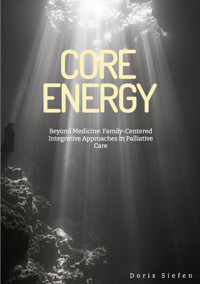
Core Energy
Beyond Medicine: Family-Centered Integrative Approaches in Palliative Care
Doris Siefen
Prologue: A Journey of Love and Loss
On June, 11th 2025, I said goodbye to my beloved grandmother, Therese Bauer, whose warmth, wisdom, and boundless love shaped my life in countless ways. Her passing left a void, yet it ignited a passion to share the lessons of love, resilience, and connection I learned through her final days. Palliative care became our anchor—not just in easing her pain, but in uniting our family to honor her life with dignity and hope.
Core Energy is a tribute to Therese and to every family navigating the tender path of caring for a loved one with a life-limiting illness. Her journey taught me the power of integrative therapies, the comfort of spiritual care, and the strength of family support. This book offers hope and practical tools for others walking this path. As you read, I invite you to reflect on your own connections, finding light in life’s most challenging moments.
Dedication
To my beloved Oma, Therese Bauer, whose love and wisdom lit my path through grief. This book is dedicated to you, with gratitude for the hope you inspire.
Chapter 1: Understanding Palliative Care
What is Palliative Care?
Palliative care is a specialized approach designed to enhance the quality of life for patients with serious, life-limiting illnesses. It focuses on relieving symptoms, pain, and stress, prioritizing comfort and support over curative treatments. Unlike treatments aimed at eliminating disease, palliative care embraces a holistic approach, addressing physical, emotional, and spiritual needs. This ensures patients and families navigate challenging times with dignity and compassion.
At its core, palliative care tailors support to each individual’s unique experience. Care plans go beyond medical needs, honoring personal values and preferences. Families are active partners, engaging in discussions about treatment options and care goals. This involvement fosters empowerment during overwhelming times, creating a supportive environment where everyone feels heard and valued.
Spiritual care is a vital part of palliative settings, addressing the deep questions that arise with serious illness. Families often grapple with concerns about meaning, purpose, and hope. Trained spiritual care professionals offer guidance tailored to individual beliefs, helping families find peace and connection. This support acknowledges the emotional and spiritual dimensions of suffering, fostering healing beyond physical symptoms.
Integrative therapies complement traditional medical care, enhancing comfort and well-being. Options like massage, acupuncture, music therapy, and art therapy can reduce pain and anxiety while promoting relaxation and emotional expression. Families are encouraged to explore these therapies together, discovering what resonates most with their loved one. By blending these approaches with medical treatments, families create a comprehensive care experience. These therapies, much like spiritual care, nurture the whole person, offering solace to both patients and families.
Ultimately, palliative care is about connection—between patients, families, and caregivers. It’s a journey rooted in love, empathy, and understanding during life’s most challenging moments. Families are not just recipients of care; they are essential partners, contributing to their loved one’s well-being. By embracing palliative care, families can honor their loved one’s needs while nurturing their own resilience, creating a legacy of compassion that endures beyond illness.
The Importance of a Family-Centered Approach
In palliative care, a family-centered approach is a cornerstone of effective treatment and emotional support. It recognizes families as integral partners, not just caregivers, in the care process. By involving family members in decision-making and treatment planning, palliative care becomes a shared journey, enhancing the quality of life for both patients and their loved ones. Families bring vital insights into the patient’s values and wishes, ensuring care is tailored to each family’s unique needs.
Spiritual care plays a crucial role in palliative settings, where holistic well-being is paramount. A family-centered approach creates space for open discussions about spiritual needs. Families often wrestle with questions of meaning, purpose, and connection during difficult times. By encouraging these conversations, families find solace together, strengthening their resilience. This shared exploration of beliefs fosters peace and understanding, supporting families through their loved one’s journey.
Integrative therapies, such as art, music, and mindfulness practices, complement spiritual care by enhancing comfort and well-being. These therapies reduce pain and anxiety while promoting emotional expression for both patients and families. When families engage in these activities together, they create a supportive atmosphere, fostering communication and a sense of community. This shared experience transforms caregiving, deepening family bonds in meaningful ways.
A family-centered approach also prioritizes the home as a sanctuary for connection and normalcy. At home, patients can enjoy everyday routines like listening to the radio, watching TV, or reading together with loved ones. Sharing meals at the kitchen table, savoring a glass of wine, or even being “a bit crazy” fosters joy and individuality. These moments allow patients to say goodbye to friends and relatives in a familiar setting, surrounded by love. Families maintain the patient’s routine—sitting together in the evening, assisting with personal care like changing clothes, washing, or bathroom support, and even having a family member sleep in the patient’s room for 24/7 care. These acts strengthen bonds and honor the patient’s dignity.
Family support is essential in palliative care, as families face significant emotional and physical challenges. A family-centered approach provides resources like counseling and support groups to address their needs. By prioritizing family well-being, healthcare providers create a nurturing environment that encourages open dialogue and mutual support. Supported families become stronger advocates for their loved ones, contributing to a compassionate care experience.
In conclusion, a family-centered approach enriches palliative care for everyone involved. It honors the emotional and spiritual roles of family members, fostering communication, integrative therapies, and robust support systems. By creating a home environment filled with shared routines and meaningful farewells, families navigate challenges with confidence and unity, honoring the patient’s dignity while uplifting their loved ones. Together, families create a legacy of love, understanding, and resilience that endures beyond the medical journey.




