



0,49 €
Niedrigster Preis in 30 Tagen: 1,99 €
Niedrigster Preis in 30 Tagen: 1,99 €
Mehr erfahren.
- Herausgeber: Booksell-Verlag
- Kategorie: Krimi
- Sprache: Englisch
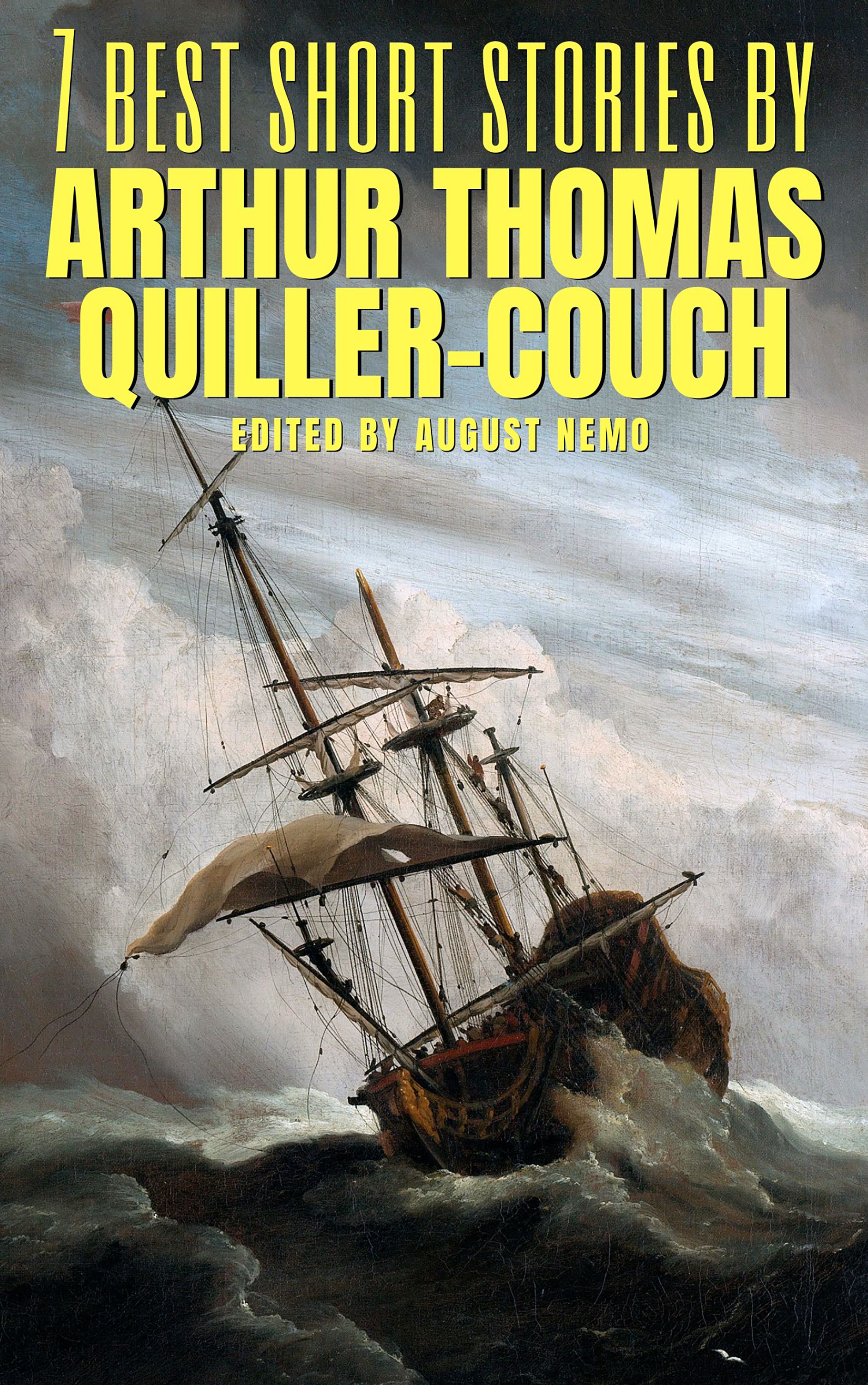
In "Dead Man's Rock," Arthur Quiller-Couch masterfully weaves a tale of intrigue and suspense set against the windswept cliffs of Cornwall. This Gothic novel is steeped in rich descriptions that evoke a sense of place, while Quiller-Couch'Äôs engaging narrative style deftly combines elements of romance, adventure, and the supernatural. The story revolves around the tragic fate of the enigmatic character, Stephen, whose journey is marked by betrayal and self-discovery. The novel reflects the Victorian concern with moral ambiguity, intensifying its exploration of human emotions and ethical dilemmas. Arthur Quiller-Couch, a prominent figure in early 20th-century literature, was heavily influenced by his Cornish roots and the oral storytelling traditions of the region. His extensive academic background and passion for literature led him to craft this compelling narrative that captures both the essence of his homeland and the complexities of the human spirit. Quiller-Couch'Äôs literary contributions, which include essays and poetry, reveal his deep connection to storytelling as an art form. "Dead Man's Rock" is a must-read for enthusiasts of classic literature and those drawn to the atmospheric qualities of Gothic fiction. Quiller-Couch'Äôs eloquent prose and intricate character development invite readers to immerse themselves in a tale that transcends time, making it a timeless addition to the literary canon. In this enriched edition, we have carefully created added value for your reading experience: - A succinct Introduction situates the work's timeless appeal and themes. - The Synopsis outlines the central plot, highlighting key developments without spoiling critical twists. - A detailed Historical Context immerses you in the era's events and influences that shaped the writing. - A thorough Analysis dissects symbols, motifs, and character arcs to unearth underlying meanings. - Reflection questions prompt you to engage personally with the work's messages, connecting them to modern life. - Hand‐picked Memorable Quotes shine a spotlight on moments of literary brilliance. - Interactive footnotes clarify unusual references, historical allusions, and archaic phrases for an effortless, more informed read.
Das E-Book können Sie in Legimi-Apps oder einer beliebigen App lesen, die das folgende Format unterstützen:
Veröffentlichungsjahr: 2019
Ähnliche



















Dead Man's Rock
Table of Contents
Introduction
Some places keep a moral account of what is done near them, and the sea is the strictest ledger of all.
Dead Man’s Rock is a short work of maritime fiction by Arthur Quiller-Couch, a writer closely associated with English coastal life and seafaring tradition. It belongs to the late nineteenth- and early twentieth-century current of British storytelling that blends realistic local detail with a quietly intensified sense of peril and consequence. The setting is a rugged shoreline community where the rhythms of tide, weather, and work shape character as much as plot. Quiller-Couch writes with a measured, observant confidence, drawing drama from ordinary speech, professional knowledge, and the pressure of circumstance.
The story begins in a coastal environment where navigation and survival depend on judgment, courage, and sometimes secrecy. A dangerous rock and the waters around it form the physical focus, but the narrative is driven by human decisions made under stress and the ways a community remembers, explains, or resists them. Readers should expect a compact premise that unfolds with steady momentum rather than melodrama, keeping its most consequential turns anchored in plausibility. The experience is immersive and tense in a restrained way, inviting attention to small actions that carry large ethical weight.
Quiller-Couch’s voice combines clarity with a craftsman’s patience, attentive to how people talk and how labor is done. The prose tends to be plainspoken yet vivid, especially when it turns to seamanship, weather, and the practical dangers of the shore. The tone is serious without being heavy, allowing suspense to accumulate through observation and implication. There is also a strong sense of place, not as scenic ornament but as a force that limits choices and exposes pretense. The result is a reading experience that feels both immediate and historically rooted.
At its heart, the book examines responsibility in situations where the line between accident and choice can blur. It also explores the pressures that a close-knit community exerts on individuals, especially when reputation, livelihood, and loyalty collide. The sea functions as more than backdrop: it becomes a testing ground for integrity, where consequences cannot always be managed or postponed. Questions of silence and disclosure, courage and calculation, and the costs of self-protection versus honesty run beneath the surface. The narrative’s power comes from refusing easy comfort while remaining firmly human in its outlook.
Dead Man’s Rock also belongs to a tradition of British short fiction that treats local life as a lens for larger moral concerns. Quiller-Couch is interested in how communal narratives form, how fear and necessity can shape collective judgment, and how a single event can reverberate across relationships. The drama is not solely external; it is psychological and social, taking place in the space between what characters do and what they can admit to themselves or others. This focus keeps the story taut, because tension arises as much from conscience as from hazard.
For contemporary readers, the book matters because it portrays ethical decision-making under real-world constraints rather than abstract ideals. Its coastal setting and maritime dangers may be specific, but its concerns—accountability, complicity, and the temptation to let expedience substitute for principle—remain familiar. The concise form makes its effects concentrated, suited to modern reading while still offering the depth of a carefully made classic. Without relying on spectacle, it demonstrates how suspense can grow from credible detail and moral pressure, leaving a lingering aftertaste of difficult questions.
Synopsis
Arthur Quiller-Couch’s Dead Man’s Rock is a short, atmospheric work of fiction set on the Cornish coast, where local geography and sea-lore shape the lives and imaginations of coastal communities. The narrative opens by grounding the reader in a place defined by dangerous tides, reefs, and the practical routines of people who make their living at the water’s edge. From the outset, the sea is presented not only as scenery but as a force that tests character, draws out hidden motives, and makes ordinary decisions feel consequential in a landscape where chance and risk are constant companions.
paragraphs
A central feature is the rock of the title, a landmark freighted with memory, warnings, and hearsay. Around it gathers a web of stories that circulate among neighbors and kin, mixing fact with the kind of hard-earned superstition that can grow from repeated encounters with loss. Quiller-Couch follows how a community’s shared talk about peril at sea becomes a kind of informal record, shaping expectations about what may happen and how people should behave when the weather turns or a boat is overdue. The rock’s reputation creates tension between skepticism and belief, and between private judgment and collective experience.
The plot then draws attention to individuals whose livelihoods and relationships are entangled with the coast’s hazards. Personal ambitions, obligations, and resentments are brought into sharper relief by the pressures of maritime life, where a single decision can affect many. Quiller-Couch’s approach keeps the focus on how people interpret signs, rumors, and partial information, and how those interpretations drive actions that may later be reconsidered. The narrative’s forward motion depends less on spectacle than on accumulating unease and the steady tightening of moral and practical dilemmas around the sea’s unpredictable demands.
As the story progresses, the coastline’s dangers become more immediate, and events concentrate around moments of watchfulness, waiting, and sudden alarm. Quiller-Couch traces the way suspense can arise from everyday coastal vigilance: scanning the water, measuring the wind, counting the hours, and reading the behavior of neighbors. The community’s responses reveal competing instincts—helpfulness versus self-protection, courage versus caution, and pity versus suspicion. Without reducing the characters to types, the narrative shows how the boundary between lawful necessity and opportunism can blur when storms, wrecks, and scarce resources shape what people consider acceptable.
The rock’s symbolic weight deepens as it is tied to questions of responsibility and consequence. Practical knowledge of the sea sits alongside moral uncertainty about what is owed to strangers, to family, and to the dead. Quiller-Couch emphasizes how coastal settings can intensify ethical choices: distance from authority, the speed of unfolding events, and the temptation to justify harsh actions as mere realism. The story’s tensions sharpen through encounters and revelations that complicate earlier assumptions, but the narrative remains careful to preserve ambiguity about motives and to keep the reader aware of how limited any single perspective can be in a close-knit place.
Midway to the end, the tale gathers into a more concentrated sequence of decisions and reactions, in which the rock and the sea’s conditions function as catalysts. Characters are pressed to act under uncertainty, and the social fabric of the community—its habits of solidarity and its potential for harsh judgment—is tested. Quiller-Couch’s pacing and restraint prevent the story from becoming a simple moral fable; instead it sustains competing interpretations of what is happening and why. Key developments arise from the collision of natural danger with human calculation, leaving the reader attentive to what remains unsaid as well as what is openly done or spoken aloud by those involved in the crisis.
Historical Context
Arthur Quiller-Couch (1863–1944) wrote Dead Man’s Rock as a tale rooted in the coastal world of Cornwall, the county in southwest Britain where he lived and worked. The story’s landscape and maritime culture reflect a region long shaped by seafaring, fishing, and small ports linked to wider Atlantic trade. In the late Victorian and Edwardian periods, Cornwall’s economy was changing as older industries declined and railways and tourism expanded access to the coast. Quiller-Couch, a prominent man of letters, drew on local speech, custom, and shoreline geography as historically stable features of Cornish life.
paragraphs
During the 18th and early 19th centuries, the Cornish coast was closely associated with smuggling, driven by high customs duties on imports such as spirits, tea, and tobacco. Parliament’s revenue system and the enforcement power of the Customs and Excise service created long-running conflict between coastal communities and the state. Smuggling networks used small coves, caves, and offshore rocks to land contraband, and violent encounters occurred between smugglers and authorities across Britain’s southern and western shores. The Smuggling Act 1736 and later legislation increased penalties, while reforms to customs administration sought more effective deterrence. These realities inform narratives that turn on secrecy, coastal terrain, and contested law.
paragraphs
Britain’s maritime institutions were central to coastal life. The Royal Navy’s presence, especially during the long wars with Revolutionary and Napoleonic France (1793–1815), intensified surveillance of the Channel and approaches to Atlantic ports. Press-gangs, privateers, and the need for sailors affected communities that supplied maritime labor. Alongside naval power, the state relied on local magistrates, revenue officers, and occasionally military force to suppress illicit trade. The story’s sense of authority at the shoreline reflects how law enforcement in remote areas could be intermittent but consequential, with penalties that ranged from seizure of goods to imprisonment and transportation in earlier periods.
paragraphs
Cornwall’s seafaring economy was not limited to smuggling. Fishing, piloting, coastal shipping, and shipbuilding connected villages to regional markets, while hazardous waters produced frequent wrecks. Under English common law, wreck rights and salvage were regulated, and Parliament passed measures such as the Customs Consolidation Act 1876 to standardize customs and wreck-related provisions. Public concern over “wrecking” as a criminal practice circulated widely in 19th-century print, even as historians debate its prevalence. Such debates supplied fiction with moral and legal tensions around storms, wrecks, and the boundary between rescue, salvage, and theft.
paragraphs placeholder 1




