


4,49 €
Mehr erfahren.
- Herausgeber: Robbin Harris
- Kategorie: Lebensstil
- Sprache: Englisch
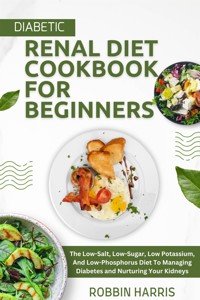
Tired of bland, tasteless food? Struggling to manage your diabetes and kidney disease? This cookbook is your culinary guide to a healthier, happier you. Discover delicious, satisfying recipes packed with flavour and nutrients, all while adhering to the strict guidelines of a diabetic renal diet.
With clear instructions, easy-to-follow recipes, and helpful tips, this cookbook will empower you to take control of your health and enjoy every bite. No more boring meals! Learn how to create mouthwatering dishes that are low in salt, sugar, potassium, and phosphorus, without sacrificing taste.
Here's a sneak peak of what you'll find inside:
- Mastering Food Labels for a Renal-Friendly Pantry
- Kitchen Essentials for a Healthy Kidney Lifestyle: Must-Have Tools
- Principles of a Kidney-Friendly Lifestyle
- Guide to Foods That Heal and Harm
- Delicious Breakfast Recipes to Start Your Day Right
- Breathtaking Fish Recipes for Renal Diet
- Protein-Packed Recipes for a Healthy Kidney Diet
- Veggie Delights: Nutritious and Delicious Recipes for Renal Health
- Meat Recipes for a Balanced Renal Diet
- The Best Fruits for a Healthy Kidney Lifestyle
Das E-Book können Sie in Legimi-Apps oder einer beliebigen App lesen, die das folgende Format unterstützen:
Veröffentlichungsjahr: 2024
Ähnliche

















Copyright
Copyright © 2024 Robbin Harris
All rights reserved. No part of this publication may be reproduced, stored in a retrieval system, or transmitted in any form or by any means, electronic, mechanical, photocopying, recording, or otherwise, without the prior written permission of the author.
Disclaimer:
The information contained in this cookbook is intended for general knowledge and educational purposes only. It is not a substitute for professional medical or dietary advice. Please consult with a qualified healthcare professional before making any changes to your diet or lifestyle.
Trademark Notice:
Certain trademarks and brand names used in this cookbook are the property of their respective owners. Their use does not imply any affiliation, endorsement, or sponsorship by these companies.
Table of Contents
Copyright
Table of Contents
Introduction
American to European Conversion Table
Reading Food Labels and Must-Have Kitchen Essentials
Must-Have Kitchen Essentials
Chapter 1
How Diabetes Affects Kidney Function
How Do the Kidneys Work?
The Diabetes-Kidney Connection
Treating CKD
Dietary Control
Fluid Balance
Medications
Dialysis: When Kidneys Fail
Chapter Two
A Kidney-Friendly Lifestyle
Food as Medicine
Emotional Health: The Invisible Weight
Chapter Three
Cooking Tips for a Diabetic Renal Diet
Chapter Four
Foods to Eat and Foods to Avoid
Foods to Eat
Foods to Avoid
Hidden Ingredients
Chapter Five
Breakfast Recipes
Baked Oatmeal with Apples and Cinnamon
Veggie Egg White Frittata
Blueberry Protein Frittata
Taco with Turkey, Egg, and Cheese
Chile Relleno Egg White Bake
Mediterranean Quinoa Bowl
Western Omelet with Bell Pepper and Onion
Spinach and Feta Frittata
Apple Cinnamon Protein Pancakes
Burrito with Eggs, Beans, and Cheese
Berry Smoothie Bowl
Chapter Six
Fish Recipes
Lemon Garlic Shrimp
Baked Salmon with Dill
Cajun Fish Tacos
Chapter Seven
Egg-Based Recipes
Sheet Pan Egg Sandwiches
Asparagus and Goat Cheese Frittata
Egg White Frittata with Roasted Potatoes and Kale
Broccoli Cheddar Egg Muffins
Chicken Fettuccine Alfredo
Chicken Parmesan
Lemon Garlic Shrimp Pasta
Greek Turkey Meatball Orzo
Veggie Bolognese
Pesto Chicken Pasta Salad
Chapter Eight
Vegetable-Based Recipes
Zest Zucchini Noodles
Roasted Brussels Sprouts with Balsamic Glaze
Stir-Fried Broccoli and Bell Peppers
Eggplant and Tomato Medley
Chapter Nine
Meat Recipes
Chili Lime Pork Tenderloin
Turkey Meatloaf
Pressure Cooker Beef Stew
Apple Cider Pork Chops
Balsamic Chicken with Swiss Chard
Chicken Fajitas
Steak Fajita Salad
Fruits to Eat
Introduction
W
elcome to the Diabetic Renal Diet Cookbook! This cookbook is designed to provide you with delicious and nutritious recipes that are tailored to your specific dietary needs. If you're living with diabetes and kidney disease, you know that managing your diet is crucial for maintaining your overall health and well-being.
This cookbook is more than just a collection of recipes; it's a companion on your journey to better health. We understand that following a restrictive diet can be challenging, but we believe that healthy eating can be enjoyable and satisfying. Our goal is to inspire you to cook delicious and nutritious meals that will not only nourish your body but also delight your taste buds.
Throughout this cookbook, you'll find a variety of recipes that are low in sodium, potassium, and phosphorus, while still being packed with flavor. We've included options for breakfast, lunch, dinner, and snacks, so you can easily incorporate these recipes into your daily routine.
In addition to the recipes, we've also included helpful tips and information about the diabetic renal diet. You'll learn about the importance of portion control, reading food labels, and understanding the nutritional content of different foods. We've also provided guidance on how to make healthy substitutions and adjustments to recipes to suit your individual needs.
This cookbook is here to support you on your journey.
We hope you enjoy these recipes and find them helpful in managing your diabetes and kidney disease. Happy cooking!
American to European Conversion Table
U.S. Measurement
Metric/European Measurement
1 tablespoon (tbsp)
15 milliliters (mL)
1 teaspoon (tsp)
5 milliliters (mL)
1 fluid ounce (fl oz)
30 milliliters (mL)
1 pint
473 milliliters (mL)
1 quart
946 milliliters (mL)
1 gallon
3.785 liters (L)
Reading Food Labels and Must-Have Kitchen Essentials
F
ood labels are like nutrition road maps. Once you learn how to read them, you’ll make better choices, whether you’re aiming for healthier eating, managing dietary restrictions, or simply trying to understand what exactly is in that box of cereal.
1. Serving Size:
Let’s start with the most important—and often overlooked—part of the food label: the serving size. You may glance at a label and see "200 calories" and think, "Great! I can eat this whole bag of chips guilt-free!" But hang on. Look closer. That 200-calorie figure is often for a serving size that’s smaller than you might expect.
For example, if the serving size is listed as 10 chips, and you eat the whole bag (which is more like 30 chips), you’ll need to multiply those 200 calories by three. Yes, that's 600 calories—not quite the guilt-free snack you thought.
Tip: Always start by checking the serving size and think about how much of the food you’ll actually eat.
2. Calories:
Calories are the energy you get from food. While it’s tempting to obsess over this number, it’s important to remember that not all calories are created equal. A 100-calorie apple is going to affect your body differently than a 100-calorie candy bar. So, instead of focusing solely on calorie count, think about the quality of the food.
Look for calories that come from whole, nutritious ingredients—vegetables, lean proteins, whole grains—rather than processed sugars and fats.
3. Nutrients:
This part of the label can either make you feel like a health champion or leave you scratching your head.
Here’s a quick cheat sheet:
Total Fat:
Look for foods that are low in saturated and trans fats. These are the "bad" fats that can raise cholesterol and increase your risk of heart disease. Instead, aim for healthy fats like those found in avocados, nuts, and olive oil.
Cholesterol and Sodium:
These two should be kept in check. High levels of sodium (salt) can lead to high blood pressure, while cholesterol can contribute to heart issues. Opt for low-sodium or no-salt-added options when possible.
Carbohydrates:
This includes sugar, fiber, and starch. Focus on foods high in dietary fiber (aim for 3 grams or more per serving) and low in added sugars. High fiber helps with digestion and keeps you full longer, while too much added sugar can lead to weight gain and other health problems.
Protein:
Protein is essential for muscle repair and growth. Check the label to see if you’re getting a good amount from your food, especially if you’re following a specific diet plan like keto or low-carb.
4. Percent Daily Value (%DV):
You’ll notice a bunch of percentages on the right side of the label. These represent the percent of the recommended daily intake of each nutrient that’s in one serving of the food, based on a 2,000-calorie diet.
Here’s a good rule of thumb:
5% or less of a nutrient per serving is considered low.
20% or more is considered high.
So, if you’re trying to limit your sodium intake, you’ll want foods where the sodium %DV is 5% or less per serving.
5. Ingredients List:
The ingredient list is like the food’s backstage pass. Ingredients are listed in order of quantity, so the first few ingredients make up the majority of the product. If sugar is listed first, you can bet the food is high in sugar.
Be on the lookout for hidden sugars, too. Manufacturers often use different names like high-fructose corn syrup, dextrose, or agave nectar to sneak sugar into foods. And avoid products with a long list of ingredients you can’t pronounce—they’re likely full of artificial preservatives and additives.




