


6,49 €
Mehr erfahren.
- Herausgeber: Robbin Harris
- Kategorie: Ratgeber
- Sprache: Englisch
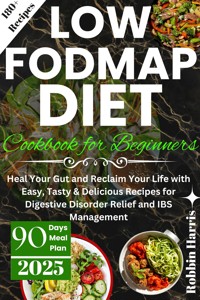
Feeling frustrated by the lack of control over your digestive health?
Struggling with the discomfort of Irritable Bowel Syndrome (IBS) and seeking a proven path to relief?
Look no further. "Low-FODMAP Diet Cookbook for Beginners” is your comprehensive guide to transforming your digestive wellness.
You will learn:
- 180+ Delicious Recipes: Enjoy a variety of meals, including breakfasts, lunches, dinners, snacks & small bites, desserts, recipes before sleep, special occassion meals, fruit based deserts, recipes for kids. All designed to be Low-FODMAP and gut-friendly.
- The Significance of Gut Health: Discover how gut health impacts your overall well-being and how the Low-FODMAP diet can help.
- Understanding FODMAPs: Learn about Fermentable Oligo-, Di-, Mono-saccharides And Polyols and how they affect digestion.
- Step-by-Step Guide: Navigate the elimination and reintroduction phases with ease, identifying your personal triggers.
- Practical Meal Plans: Follow a detailed 90-day meal plan to ensure you stay on track and achieve your health goals.
Buy this book now to stop feeling overwhelmed, reclaim control over your health, and embark on a life-changing journey towards digestive wellness.
Das E-Book können Sie in Legimi-Apps oder einer beliebigen App lesen, die das folgende Format unterstützen:
Veröffentlichungsjahr: 2024
Ähnliche

















Copyright
Copyright © 2024 Robbin Harris
All rights reserved. No part of this publication may be reproduced, stored in a retrieval system, or transmitted in any form or by any means, electronic, mechanical, photocopying, recording, or otherwise, without the prior written permission of the author.
Disclaimer:
The information contained in this cookbook is intended for general knowledge and educational purposes only. It is not a substitute for professional medical or dietary advice. Please consult with a qualified healthcare professional before making any changes to your diet or lifestyle.
Trademark Notice:
Certain trademarks and brand names used in this cookbook are the property of their respective owners. Their use does not imply any affiliation, endorsement, or sponsorship by these companies.
Table of Contents
Copyright
Table of Contents
Introduction to the Low-FODMAP Diet
The Origin of the Low-FODMAP Diet
The Three Phases of the Low-FODMAP Diet
Who Can Benefit from a Low-FODMAP Diet?
The Benefits Beyond Digestion
A Science-Backed Solution
Low-FODMAP Doesn’t Mean Low Flavor
The Low-FODMAP Mindset
Getting Started on Your Low-FODMAP Journey
Start Simple: Don’t Overthink It
The Mindset Shift: You’re in Control
Step One: Master the Elimination Phase
Experiment in the Kitchen
The Art of Meal Prep
Understanding Labels: The Art of Smart Shopping
The Reintroduction Phase: Learning What Works for You
Stay Connected and Seek Support
Essential Nutritional Tips for Low-FODMAP Dieting
Creating a Low-FODMAP Kitchen
Low-FODMAP Shopping Guide
Fruits and Veggies, the Low-FODMAP Way
The Protein Section
Grains and Carbs
Dairy and Dairy Alternatives
Condiments, Oils, and Seasonings
Snacks and Quick Bites
Tips for Reading Ingredients
90-Day Meal Plan
Week 1: Easing Into Low-FODMAP Living
Day 1: A Fresh Start
Day 2: Building Confidence
Day 3: Midweek Motivation
Day 4: Exploring New Flavors
Day 5: Comfort and Simplicity
Day 6: Weekend Indulgence, Low-FODMAP Style
Day 7: Wrapping Up Week 1
Week 2: Building Momentum and Flavor
Day 8: Energizing the Start of Week 2
Day 9: Exploring New Textures
Day 10: Adding a Little Spice
Day 11: Midweek Boost
Day 12: A Taste of the Weekend
Day 13: Light and Refreshing
Day 14: Wrapping Up Week 2 with Comfort
Week 3: Diving Deeper into Flavor and Balance
Day 15: A Fresh Start to Week 3
Day 16: Getting Creative with Meals
Day 17: Midweek Motivation
Day 18: Keeping Things Light and Fresh
Day 19: Feeling Energized
Day 20: Weekend Feels
Day 21: Wrapping Up Week 3
Week 4: Building Momentum and Mastering the Art of Low-FODMAP Cooking
Day 22: Let’s Kick Off Week 4 Right
Day 23: Get Creative with Your Ingredients
Day 24: Filling and Flavorful
Day 25: Comfort Food, Low-FODMAP Style
Day 26: Time to Experiment
Day 27: Fueling Your Day
Day 28: Wrapping Up Week 4
Week 5: Deepening Your Low-FODMAP Practice and Building Consistency
Day 29: Savoring the Process
Day 30: Flavor Meets Function
Day 31: Lean and Clean Meals
Day 32: Filling and Light
Day 33: Comforting Favorites
Day 34: Boosting Your Gut Health
Day 35: Week 5 Wrap-Up
Week 6: Exploring New Flavors and Ingredients
Day 36: Spice Things Up
Day 37: Simple Yet Satisfying
Day 38: Comforting Classics
Day 39: Fresh and Flavorful
Day 40: Comfort and Warmth
Day 41: Energizing and Satisfying
Day 42: Wrapping Up Week 6
Week 7: Sticking to the Routine and Pushing Forward
Day 43: Embracing Simplicity
Day 44: Comfort with a Twist
Day 45: Refined Comfort
Day 46: Fresh and Flavorful
Day 47: Bold and Balanced
Day 48: Simple and Satisfying
Day 49: Wrapping Up Week 7
Week 8: Pushing Boundaries and Exploring More Flavors
Day 50: Rise and Shine with Flavor
Day 51: Embracing Simplicity and Comfort
Day 52: Fresh Ingredients, Fresh Ideas
Day 53: Elevating Simple Dishes
Day 54: Sweet and Savory Combo
Day 55: Bold Flavors and Fresh Ingredients
Day 56: Light and Bright
Day 57: Wrapping Up Week 8
Week 9: Refining Your Routine and Embracing Flexibility
Day 58: A Day of Comfort and Flavor
Day 59: Simple Meals with a Twist
Day 60: Light, Fresh, and Full of Energy
Day 61: Focusing on Freshness
Day 62: Satisfying and Flavorful
Day 63: Nourishing and Easy
Day 64: Exploring New Flavors
Day 65: Refining Your Low-FODMAP Staples
Day 66: Wrapping Up Week 9
Week 10: Optimizing Your Low-FODMAP Lifestyle for Long-Term Success
Day 67: Start Your Week with Energy and Clarity
Day 68: A Day of Flavorful Choices
Day 69: Keep It Simple and Satisfying
Day 70: A Tasty and Energizing Day
Day 71: Perfecting Your Low-FODMAP Meal Prep
Day 72: Light, Fresh, and Filling
Day 73: Exploring New Low-FODMAP Meals
Day 74: A Healthy Day for Healing and Nourishing
Day 75: Wrapping Up Week 10
Week 11: Advanced Meal Prep and Fine-Tuning Your Low-FODMAP Journey
Day 76: Deep Dive into Flavor
Day 77: Simple and Satisfying Meals
Day 78: Comforting, Gut-Friendly Dishes
Day 79: Fresh and Light Meals
Day 80: Elevating Your Meal Prep Game
Day 81: Nutritious and Flavorful
Day 82: Delicious and Easy-to-Make Dishes
Day 83: The Week Wrapping Up with Nourishing Dishes
Week 12: Mastering Low-FODMAP Cooking and Lifestyle
Day 84: The Joy of Simple and Hearty Meals
Day 85: Fuel Your Body with Nutrient-Dense Foods
Day 86: Quick, Simple, and Flavorful
Day 87: Elevate Your Low-FODMAP Cooking
Day 88: The Importance of Gut Health
Day 89: Low-FODMAP Perfection
Day 90: Wrapping Up Your Low-FODMAP Transformation
Breakfast Recipes
1. Scrambled Eggs with Spinach and Feta
2. Low-FODMAP Oatmeal with Strawberries
3. Chia Pudding with Coconut and Blueberries
4. Avocado Toast on Gluten-Free Bread
5. Low-FODMAP Smoothie Bowl
6. Egg Muffins with Bacon and Kale
7. Almond Flour Pancakes
8. Low-FODMAP Yogurt Parfait
9. Coconut Flour Waffles
10. Low-FODMAP Breakfast Burrito
11. Baked Sweet Potato Hash with Eggs
12. Low-FODMAP Pancake Stack with Maple Syrup
13. Cottage Cheese with Berries and Almonds
14. Fried Eggs and Zucchini Noodles
15. Low-FODMAP Banana Bread
16. Scrambled Tofu with Kale and Tomatoes
17. Spinach and Bacon Omelette
18. Low-FODMAP Smoothie with Spinach and Mango
19. Almond Butter and Banana Smoothie
20. Low-FODMAP Overnight Oats with Strawberries
Dinner Recipes for a Low-FODMAP Delight
1. Grilled Chicken with Zucchini and Quinoa
2. Baked Cod with Lemon and Dill
3. Beef and Bell Pepper Stir-Fry
4. Grilled Shrimp with Avocado Salsa
5. Chicken and Roasted Vegetable Salad
6. Salmon with Garlic and Herb Butter
7. Spaghetti Squash with Tomato Basil Sauce
8. Turkey Meatballs with Zucchini Noodles
9. Grilled Chicken Caesar Salad
10. Lamb Chops with Roasted Sweet Potatoes
11. Chicken and Spinach Stuffed Bell Peppers
12. Roast Salmon with Asparagus and Cherry Tomatoes
13. Ground Turkey Lettuce Wraps
14. Shrimp and Vegetable Stir-Fry
15. Roasted Chicken Thighs with Sweet Potato Mash
16. Turkey and Avocado Salad
17. Baked Chicken with Garlic and Rosemary
18. Zucchini Noodles with Pesto and Grilled Chicken
19. Eggplant and Beef Stir-Fry
20. Grilled Pork Chops with Cauliflower Mash
Snacks & Small Bites
1. Crispy Chickpeas
2. Mini Cucumber Sandwiches
3. Sweet Potato Fries
4. Caprese Skewers
5. Baked Kale Chips
6. Avocado Toast (Low-FODMAP)
7. Cheese and Rice Cakes
8. Peanut Butter and Celery Sticks
9. Zucchini Fritters
10. Coconut Macaroons
11. Crispy Rice Paper Rolls
12. Boiled Eggs with Sea Salt
13. Carrot Sticks with Hummus
14. Baked Apples with Cinnamon
15. Spinach and Cheese Bites
16. Stuffed Mini Bell Peppers
17. Almond Butter Energy Balls
18. Cucumber and Hummus Bites
19. Low-FODMAP Greek Yogurt Dip
20. Baked Parmesan Zucchini Chips
Recipes Before Sleep
1. Chamomile Almond Milk Latte
2. Banana and Peanut Butter Slices
3. Baked Cinnamon Apples
4. Low-FODMAP Greek Yogurt with Blueberries
5. Oatmeal with Cinnamon and Walnuts
6. Coconut Chia Pudding
7. Warm Turmeric Milk
8. Avocado Toast with Olive Oil
9. Steamed Spinach with Lemon and Olive Oil
10. Cucumber and Mint Yogurt Dip
Low-FODMAP Recipes for Kids
1. Mini Chicken Meatballs
2. Carrot and Zucchini Fritters
3. Mini Smoothie Popsicles
4. Cheese and Veggie Quesadilla
5. Apple Sandwiches with Almond Butter
6. Low-FODMAP Chicken Nuggets
7. Rice Cake with Cream Cheese and Cucumber
8. Homemade Popsicle Fruit Bar
9. Low-FODMAP Pancakes
10. Sweet Potato Fries
Special Occasion Meals
1. Stuffed Bell Peppers with Quinoa and Feta
2. Salmon with Lemon-Dill Sauce
3. Lobster Bisque
4. Garlic and Herb Roasted Lamb Chops
5. Champagne Sorbet
6. Stuffed Mushrooms with Cream Cheese and Spinach
7. Herbed Potato Gratin
8. Vegetable Tart with Goat Cheese
9. Chicken Marsala
10. Chocolate Lava Cake
Fruit-Based Desserts
1. Low-FODMAP Strawberry Shortcake Cups
2. Low-FODMAP Lemon-Blueberry Sorbet
3. Low-FODMAP Apple Crisp
4. Low-FODMAP Mango Coconut Popsicles
5. Low-FODMAP Peach and Almond Tart
6. Low-FODMAP Cherry Clafoutis
7. Low-FODMAP Pineapple Coconut Cake
8. Low-FODMAP Pear and Almond Galette
9. Low-FODMAP Orange Sorbet
10. Low-FODMAP Kiwi Coconut Panna Cotta
Flavorful Low-FODMAP Sauces
1. Low-FODMAP Tahini Lemon Dressing
2. Low-FODMAP Pesto
3. Low-FODMAP Spicy Sriracha Mayo
4. Low-FODMAP Avocado Lime Sauce
5. Low-FODMAP Balsamic Glaze
6. Low-FODMAP Coconut Yogurt Sauce
7. Low-FODMAP Mustard Herb Dressing
8. Low-FODMAP Tomato Basil Sauce
9. Low-FODMAP Roasted Red Pepper Sauce
10. Low-FODMAP Green Goddess Dressing
Simple Condiments
1. Low-FODMAP Mayonnaise
2. Low-FODMAP Ketchup
3. Low-FODMAP Honey Mustard
4. Low-FODMAP BBQ Sauce
5. Low-FODMAP Sweet Chili Sauce
6. Low-FODMAP Tzatziki Sauce
7. Low-FODMAP Sriracha Mayo
8. Low-FODMAP Ranch Dressing
9. Low-FODMAP Guacamole
10. Low-FODMAP Pesto
Comprehensive List of Low-FODMAP Essentials
Vegetables: Fresh and Flavorful
Fruits: Naturally Sweet and Low-FODMAP
Grains: The Foundation of Your Meals
Dairy Alternatives: For the Dairy-Free Crowd
Proteins: Powerhouses for Energy
Oils and Fats: Essential for Flavor
Spices and Herbs: Flavorful Without the FODMAPs
Weekly Shopping List Templates for Easy Reference
Why Weekly Shopping Lists Matter
How to Build a Weekly Shopping List for the Low-FODMAP Diet
The Essentials: What to Include in Your Weekly Shopping List
Introduction to the Low-FODMAP Diet
Welcome to the Low-FODMAP Diet! Whether you're here because of bloating, gas, cramping, or the frustrating, elusive monster called IBS, you’re in the right place. This diet is for you if you're ready to finally ease that discomfort, calm that belly, and take back your life. The Low-FODMAP diet is a practical, science-backed approach, and it’s helped countless people find relief from digestive issues. Let’s dive into what makes this diet so powerful and how it can help you reclaim control.
So, What Exactly are FODMAPs?
Let’s start with the basics. FODMAPs are not just a weird acronym – they’re actually a group of short-chain carbohydrates. These carbs are tough for some people to digest. When they don’t digest properly, they end up in the large intestine, where they ferment. Yes, ferment – just like food left in a jar for too long. This fermentation produces gas, which can cause that familiar bloated feeling, abdominal pain, and sometimes even diarrhea or constipation. For people with sensitive guts, FODMAPs are the silent culprits behind digestive distress.
FODMAP stands for Fermentable Oligosaccharides, Disaccharides, Monosaccharides, and Polyols. Quite a mouthful, isn’t it? That’s why we call them FODMAPs. These sneaky carbs are found in some of the foods we eat every day. Things like garlic, onions, wheat, milk, certain fruits, and even some sweeteners are all high in FODMAPs. Many people with IBS or other digestive disorders find that cutting these foods out of their diet – even temporarily – can be life-changing.
The Origin of the Low-FODMAP Diet
Now, let’s get into where this diet came from. The Low-FODMAP diet was developed by researchers at Monash University in Australia. They were on a mission to understand why so many people with IBS had a terrible time with certain foods. Through trials, testing, and a lot of digging, they figured out that these specific types of carbs were major triggers for IBS symptoms. So they designed the Low-FODMAP diet as a structured approach to help people avoid their triggers, and it’s been a huge success.
The Three Phases of the Low-FODMAP Diet
Here’s how it works: the Low-FODMAP diet is divided into three main phases. This isn’t a forever diet where you just avoid foods for the rest of your life. Instead, think of it as a journey of discovery about how your body reacts to specific foods.
Elimination Phase:
This is where you cut out all high-FODMAP foods. It’s strict, but it’s temporary. The goal here is to let your gut calm down and heal. You’ll remove common triggers like garlic, onions, certain fruits, dairy, and wheat. The idea is to go back to a clean slate, so to speak.
Reintroduction Phase
: After a few weeks, once your symptoms have subsided, you start bringing back foods one at a time. This is where things get interesting. You’ll be testing each food to see if it causes symptoms. This phase helps you pinpoint which foods are personal troublemakers.
Personalization Phase
: This is where you create a long-term, balanced diet tailored to your specific triggers. By the end of the process, you’ll know which FODMAPs you can tolerate and which ones you need to avoid.
Who Can Benefit from a Low-FODMAP Diet?
The Low-FODMAP diet was originally developed for people with Irritable Bowel Syndrome (IBS), but it’s helpful for a range of digestive disorders. If you struggle with symptoms like bloating, gas, cramping, constipation, or diarrhea, this diet could be beneficial. Even if you don’t have a diagnosis, a Low-FODMAP approach might provide relief.
This diet isn’t necessarily about weight loss. It’s not about calorie-counting or restriction, either. It’s purely about comfort and relief. It’s about being able to eat a meal without worrying that you’ll be in pain an hour later. It’s about feeling lighter, freer, and more in tune with your body.
The Benefits Beyond Digestion
Yes, a happy gut is the main goal here. But what most people don’t realize is that gut health is linked to so much more. A calmer digestive system often leads to a calmer mind. Many people report feeling less anxious and more focused after going Low-FODMAP. Some experience improved skin, better sleep, and even more energy. When you’re not battling discomfort every day, life just feels easier.
And for many people, the Low-FODMAP diet brings something even more valuable: clarity. Clarity about how their body reacts to certain foods. Clarity about what they can tolerate. It’s a relief to finally understand what works and what doesn’t. There’s real empowerment in that knowledge.
A Science-Backed Solution
The reason the Low-FODMAP diet is so effective is because it’s backed by science. This isn’t just a trendy diet. Monash University has tested foods rigorously to determine their FODMAP content. They’ve created a diet that’s based on actual evidence, not just guesswork. This precision is why it works so well for so many people.
In fact, studies show that around 75% of people with IBS who follow a Low-FODMAP diet experience a significant reduction in symptoms. This isn’t a “maybe it will help” approach – it’s one of the best dietary interventions for digestive issues.
Low-FODMAP Doesn’t Mean Low Flavor
One of the biggest myths about the Low-FODMAP diet is that it’s bland or restrictive. Yes, you’ll be avoiding certain foods, but that doesn’t mean you can’t eat delicious meals. There are plenty of ways to add flavor without high-FODMAP ingredients. Think fresh herbs, spices, and infused oils. You’ll discover new ingredients, learn new cooking techniques, and might even surprise yourself with how creative you get.
And here’s the good news: this cookbook is packed with recipes that prove you can eat Low-FODMAP without feeling deprived. From hearty breakfasts to savory dinners and even satisfying snacks, you’ll have a world of delicious options.
The Low-FODMAP Mindset
One of the keys to succeeding with the Low-FODMAP diet is having the right mindset. Remember, this isn’t a quick fix. It’s a journey of discovery. There will be trial and error, and that’s okay. Approach this diet with patience. Be curious about what you learn along the way. And above all, be kind to yourself. This diet is a tool to help you feel better, not a punishment. Give yourself grace, especially during the elimination phase.
This journey will teach you more than just which foods to avoid. It’ll help you connect with your body in a new way. You’ll start to recognize how different foods make you feel, and you’ll develop an intuition about what works for you. That’s powerful knowledge.
Ready to Begin?
Now that you know what the Low-FODMAP diet is and how it works, it’s time to take that first step. Remember: this is about you, your health, and your comfort. Embrace it with an open mind, a bit of patience, and a spirit of discovery. You’re on the path to feeling better, and every meal you prepare will bring you closer to a healthier, happier you.
Let’s get started.
Getting Started on Your Low-FODMAP Journey
So, you’ve decided to go Low-FODMAP. Great choice! It’s a journey that takes a bit of courage, a lot of patience, and, yes, some good cooking skills. But here’s the truth: this journey can be one of the most empowering things you do for yourself. You’re taking control of your health. You’re reclaiming your comfort, your energy, and your happiness. No more gut pain, no more unpredictable discomfort. Now, let’s talk about how to get started.
Start Simple: Don’t Overthink It
The Low-FODMAP diet can feel like a maze at first. You might feel like every food is off-limits. But don’t overthink it. Start with the basics. Focus on foods you know are safe. There’s a whole list of Low-FODMAP ingredients that’ll surprise you: strawberries, bananas, potatoes, rice, chicken, fish, carrots, bell peppers, and more. These are foods you can lean on, foods that will become your staples as you start this journey.
You don’t need to reinvent the wheel or make things complicated. For now, keep it simple. Think of your diet as a blank canvas where you’ll slowly, over time, add new colors, textures, and flavors.
The Mindset Shift: You’re in Control
This isn’t just a diet. It’s a shift in how you think about food, how you approach your health, and how you treat your body. It’s about reconnecting with yourself. It’s about learning that food is not your enemy. It’s a tool. It’s a source of comfort and energy – when you choose the right foods.
On this diet, you’re not just following rules. You’re the one calling the shots. You’re choosing what to eat and when, based on what works for you. Embrace that control. It’s a power that’s going to guide you, comfort you, and make every step of this journey worth it.
Step One: Master the Elimination Phase
The elimination phase can feel strict, but it’s the foundation of the Low-FODMAP diet. Think of this phase as a detox for your gut. It’s a reset button, allowing your digestive system to take a break from the foods that cause it grief. In this phase, you’ll avoid all high-FODMAP foods. Yes, it can feel restrictive, but it’s temporary. And the reward? A calm, peaceful belly and a newfound sense of freedom.
How to tackle the elimination phase:
Pick a Start Date
: Choose a time to start when life’s a little less hectic. You’ll need focus, and you’ll want time to meal prep and settle into this new routine.
Stock Up on Low-FODMAP Foods
: Go shopping with a Low-FODMAP list in hand. Buy plenty of veggies like carrots, cucumbers, zucchini, and spinach. Grab proteins like chicken, fish, eggs, and tofu. Don’t forget the fruits you can enjoy, like strawberries, blueberries, and oranges.
Create a Meal Plan
: A simple plan can go a long way. Start with breakfasts you know you’ll enjoy, like oatmeal made with almond milk or scrambled eggs with spinach. Make a list of easy lunches, like salads with grilled chicken, rice bowls, or simple veggie and quinoa dishes.
Remember, the elimination phase is about keeping things as bland and calm as possible. You’re trying to give your gut a break – think of this as a spa retreat for your digestive system.
Experiment in the Kitchen
Here’s a common myth: Low-FODMAP food is boring food. Let me tell you, that’s just not true. Sure, you’re avoiding certain ingredients, but that doesn’t mean you can’t create meals that are full of flavor. The key is in your seasonings. Use fresh herbs like basil, parsley, rosemary, and cilantro. Invest in infused oils – garlic-infused oil is a lifesaver because it gives you the taste without the FODMAPs.
And don’t forget about spices! Turmeric, paprika, cumin, ginger – they’re all Low-FODMAP, and they add layers of flavor to your meals. Get comfortable experimenting. Try new combinations, and don’t be afraid to adjust recipes. This isn’t a time to stick to a script – it’s a time to explore new flavors, textures, and ways of cooking that might just surprise you.
The Art of Meal Prep
Meal prep is going to be your best friend. When you’re on a Low-FODMAP diet, having meals ready to go is a huge stress reliever. You won’t have to wonder what’s for lunch or scramble to throw together a Low-FODMAP dinner after a long day. A few hours of prep each week can save you time, stress, and money.
Here’s a simple game plan:
Choose Three Go-To Recipes
: Find three Low-FODMAP recipes you love. It could be a comforting chicken and rice dish, a veggie stir-fry, or a simple pasta with a Low-FODMAP marinara sauce. Make these meals in bulk.
Use Containers and Freeze
: Portion out your meals into containers. Freeze some if you want them to last longer. Now, you’ll have a fridge and freezer stocked with Low-FODMAP meals.
Snack Prep
: Keep some Low-FODMAP snacks ready, too. Things like hard-boiled eggs, rice cakes with peanut butter, and sliced carrots with a bit of lactose-free cheese make great snacks.
The idea is to simplify. Make it easy to reach for something Low-FODMAP when hunger strikes.
Understanding Labels: The Art of Smart Shopping
This part might take some time, but it’s worth it. When you’re following a Low-FODMAP diet, reading food labels becomes essential. Processed foods often hide FODMAPs in the ingredients list. Here’s what to watch out for:
High-FODMAP Sweeteners:
Honey, high-fructose corn syrup, and agave syrup are all high in FODMAPs. Avoid these.
Wheat and Rye
: Gluten-free products aren’t always Low-FODMAP, but they’re often a safer bet. Wheat and rye can be hidden in things like bread, pasta, and even some sauces.
Lactose
: Look for lactose-free dairy products. Lactose is a FODMAP that often causes digestive distress.
A good rule of thumb: if the ingredient list is long and full of things you don’t recognize, it’s probably best to skip it. Go for whole foods whenever you can. This doesn’t mean you’ll be cooking from scratch 24/7, but it does mean making choices that keep your gut calm and happy.
The Reintroduction Phase: Learning What Works for You
Once you’ve completed the elimination phase and your symptoms have eased, it’s time to start the reintroduction phase. This is where you start testing high-FODMAP foods to see which ones you can tolerate. Think of it as a science experiment, with you as the subject.
Here’s how:
Choose a FODMAP Group
: Start with one group, like fructose, and pick a food high in fructose, like honey. Eat a small amount and wait. Note any symptoms that arise over the next few hours or days.
Track Your Reactions:
Keep a journal. Write down what you ate, how much, and how you felt. This will help you identify patterns.
Take Your Time
: Don’t rush through this phase. Give your body time to adjust to each food before trying another. The slower you go, the more accurate your results will be.
Some foods will be fine; others won’t. That’s okay. The goal is to discover your unique tolerances so you can enjoy a balanced diet that works for your body.
Stay Connected and Seek Support
It’s normal to feel a bit isolated on this journey, especially if you’re the only one in your family or friend group following a Low-FODMAP diet. But you’re not alone. There are Low-FODMAP communities online, from Facebook groups to forums, where people share recipes, tips, and support. If you’re struggling, reach out. Hearing other people’s experiences can be reassuring and help you stay motivated.
Above all, remember to have fun. Cooking can be creative, and trying new recipes can be exciting. Don’t get bogged down by the restrictions. Instead, think of each meal as a step toward a healthier, happier you. Savor the process of learning about yourself, and enjoy the taste of the meals that bring you comfort and joy.
So, let’s get started. This isn’t just a diet – it’s a path to freedom.
Essential Nutritional Tips for Low-FODMAP Dieting
Welcome to the nitty-gritty of eating Low-FODMAP! The Low-FODMAP diet isn’t just a list of do’s and don’ts. It’s about building a new relationship with food, and, more importantly, with your gut. Following the Low-FODMAP plan takes some time, a bit of creativity, and a lot of patience. And don’t worry—you don’t have to lose out on nutrition while managing your gut health. Let’s break down some essential nutritional tips that’ll make the Low-FODMAP life not just manageable, but satisfying and nourishing.
1. Prioritize Protein Powerhouses
Protein isn’t just for bodybuilders; it’s crucial for everyone, especially when you’re avoiding high-FODMAP foods. Protein helps build and repair tissues, keeps energy levels steady, and promotes satiety. Luckily, there’s a world of Low-FODMAP protein options out there. Stick with lean meats like chicken, turkey, and fish. These are nutrient-dense, easy to cook, and kind to your gut. Eggs are a superstar protein, too, packed with essential amino acids and great versatility.
Don’t skip plant-based proteins either! Firm tofu and tempeh are Low-FODMAP and perfect for vegans or anyone looking to add variety. If you’re missing legumes, you can still enjoy a small amount of canned chickpeas or lentils (yes, canned!) in limited quantities. Canning reduces the FODMAP content, making these beans easier on the gut.
2. Embrace Nutrient-Dense Carbs, but Choose Wisely
Carbs can be tricky on Low-FODMAP. Many common sources—like wheat, rye, and certain fruits—are high in FODMAPs. But your body still needs carbs for energy and brain function. Stick with safe options: oats, rice, quinoa, and potatoes are your friends. These are starchy carbs that will give you energy and are naturally Low-FODMAP.
Sweet potatoes in small portions are also an option. They’re rich in fiber, vitamins, and antioxidants, making them a powerful choice. Keep portions moderate to avoid any discomfort. Quinoa is another Low-FODMAP favorite—it’s a complete protein with all nine essential amino acids and is rich in fiber, magnesium, and manganese.
3. Fiber Matters: But Be Smart About It
Fiber is crucial for digestion, but on a Low-FODMAP diet, you need to be mindful of your sources. Many high-fiber foods like beans, lentils, and certain vegetables contain FODMAPs that can be tough on sensitive digestive systems. But fiber doesn’t have to fall by the wayside.
Opt for Low-FODMAP, high-fiber choices like carrots, cucumbers, and zucchini. These veggies are easy to incorporate into meals and can add bulk and satisfaction to your dishes. Kiwi and strawberries are Low-FODMAP fruits that offer fiber without the risk of bloating or gas. Also, chia seeds and ground flaxseeds are excellent fiber boosters. Just use them in small quantities, and you’re good to go.
4. Don’t Forget Healthy Fats
Fats often get overlooked on Low-FODMAP diets, but they’re a powerful ally for gut health. Fats help absorb vitamins, regulate hormones, and keep you feeling full. Go for healthy fats from olive oil, avocado oil, and coconut oil. These are great for cooking and add flavor without the FODMAPs.
Avocados can be enjoyed in small amounts (about one-eighth of an avocado per serving). They provide a creamy texture and loads of monounsaturated fats. Nuts and seeds, like pumpkin seeds, walnuts, and almonds (in limited quantities), are also nutrient-dense fat sources. These options provide crunch, flavor, and essential fatty acids.
5. Hydration: A Non-Negotiable
This tip might seem simple, but it’s essential. Hydration keeps your body running smoothly, from digestion to nutrient transport to waste removal. When you’re managing digestive issues, drinking water is your best friend. Aim for at least eight glasses a day, and more if you’re active. Herbal teas like peppermint, ginger, and chamomile are also Low-FODMAP and soothing for the gut.
And if you’re a coffee or tea lover, remember that small amounts of coffee or black tea are generally okay on a Low-FODMAP diet. Just be cautious with portion sizes and avoid adding high-FODMAP creamers or sweeteners.
6. Spices and Herbs: Flavor without the FODMAPs
When certain foods are off-limits, flavor can sometimes feel limited too. But Low-FODMAP doesn’t mean flavorless! Use fresh herbs like basil, parsley, cilantro, and chives generously. These herbs add flavor without adding FODMAPs. Spices like turmeric, ginger, and paprika can elevate your dishes and offer anti-inflammatory benefits too.
Another pro tip:
garlic-infused and onion-infused oils are lifesavers. Garlic and onions are high in FODMAPs, but the FODMAPs don’t leach into oil, so you can use these infused oils without triggering symptoms. A little drizzle adds a depth of flavor that brings any dish to life.
7. Go Low and Slow with Dairy
Dairy can be a tricky area for those on a Low-FODMAP diet, as lactose is a FODMAP. But the good news? There are still options. Lactose-free dairy products are widely available and can give you the calcium and vitamin D you need. Look for lactose-free milk, yogurt, and cheese.
Hard cheeses like cheddar, Swiss, and Parmesan are naturally low in lactose, making them easier to tolerate. Goat cheese, in small amounts, is also Low-FODMAP-friendly and offers a creamy texture to dishes. Remember, you don’t need to completely cut out dairy; you just need to choose carefully.
8. Pay Attention to Portions
Portion sizes are a key part of Low-FODMAP eating. Many foods are Low-FODMAP in small amounts but become high-FODMAP when portions increase. For instance, a small serving of broccoli or sweet potato is generally okay, but eating a large portion could cause discomfort.
It’s also smart to space out your meals. Instead of eating large meals, aim for smaller, more frequent meals to ease digestion and avoid overwhelming your system. This helps prevent bloating and keeps your energy levels steady.
9. Keep a Food Journal
Keeping track of what you eat and how you feel is one of the best ways to succeed on a Low-FODMAP diet. A food journal doesn’t just help you spot patterns; it helps you tune in to your body. Write down each meal and snack, along with any symptoms you experience afterward. Over time, you’ll start to see what works for you and what doesn’t.
A journal can also help with reintroduction. Once you’ve gone through the elimination phase, you’ll be ready to slowly bring back foods one at a time. With a journal, you can track how each reintroduced food affects you and build a personalized diet that fits your unique needs.
10. Supplements: Boosting Nutrition Where Needed
It’s possible to get all the nutrients you need from a Low-FODMAP diet, but supplements can be helpful in some cases. Fiber supplements, for instance, can be useful if you’re struggling to get enough fiber from food alone. Opt for Low-FODMAP options like psyllium husk, which is well-tolerated by most.
If dairy isn’t part of your diet, consider a calcium supplement. Vitamin D is another nutrient to watch, especially if you live in a less sunny climate. A good multivitamin can fill any small gaps in your diet, but always check with a healthcare provider to make sure any supplement is right for you.
11. Embrace Variety and Experimentation
One of the biggest mistakes on a Low-FODMAP diet is falling into a food rut. Eating the same few foods every day isn’t just boring; it limits your nutrient intake. Try new Low-FODMAP veggies like bok choy or radicchio, explore different grains, and experiment with herbs and spices. The more varied your diet, the more nutrients you’ll get. Plus, variety keeps things interesting and makes meal planning less of a chore.
12. Look for Reliable Low-FODMAP Resources
The Low-FODMAP diet can be complex. Luckily, there are plenty of resources to help guide you. Apps, books, and websites from credible sources can provide reliable information and support. Look for resources created by dietitians or those based on Monash University’s research. A good Low-FODMAP app can also be a lifesaver when you’re grocery shopping or dining out.
13. Stay Kind and Patient with Yourself
Finally, remember that this journey is about progress, not perfection. There will be times when you accidentally eat a high-FODMAP food or experience unexpected symptoms. That’s okay. This diet is a learning curve. Stay patient with yourself, celebrate your wins, and don’t beat yourself up over small slip-ups.
Building a Low-FODMAP lifestyle that nourishes and supports you takes time, but with the right nutritional tips and mindset, it can become second nature. Each small step you take brings you closer to a gut-friendly, fulfilling way of eating. And remember, this isn’t just about managing symptoms—it’s about empowering yourself, living without digestive discomfort, and enjoying every bite along the way.
Creating a Low-FODMAP Kitchen
So, you’re ready to transform your kitchen into a Low-FODMAP haven. This is where the magic happens. The Low-FODMAP kitchen isn’t just about the foods you cook. It’s about making sure that every drawer, every shelf, and every ingredient supports your journey to digestive health. Your kitchen should feel like a safe zone—a place where you know that every ingredient will be gentle on your gut and give you the flavors and variety you crave. Let’s dive into how you can get your kitchen Low-FODMAP-ready, stocked, organized, and loaded with possibilities.
1. Start with a Clean Slate: Clear Out the High-FODMAP Foods
First things first, you need a blank canvas. Take some time to go through your pantry, refrigerator, and freezer. You’re on the lookout for anything high-FODMAP that could cause trouble. Now, don’t worry—this isn’t about tossing out everything you love. It’s about making space for ingredients that will nourish you, fuel you, and keep your gut happy.
Look for those sneaky FODMAP offenders: onions, garlic, high-fructose corn syrup, honey, wheat-based products, and certain legumes. If they’re staples in your cooking, don’t panic. We’ll talk about Low-FODMAP substitutes that’ll keep your meals just as delicious. But for now, it’s all about clarity and simplicity. Clearing out the high-FODMAP foods helps you focus, declutter, and make way for new, gut-friendly ingredients.
2. Stock Up on Low-FODMAP Staples
The Low-FODMAP kitchen has its own essentials. You’ll want to fill your shelves with ingredients that bring versatility, nutrition, and flavor without the digestive stress. Here’s a shopping list to get you started with the basics:
Proteins
: Chicken, turkey, fish, eggs, firm tofu, and lactose-free yogurt.
Carbohydrates
: White rice, quinoa, oats, potatoes, and gluten-free pasta.
Low-FODMAP Veggies
: Carrots, cucumbers, bell peppers, zucchini, spinach, and green beans.
Fruits (in moderation):
Strawberries, blueberries, kiwi, oranges, and unripe bananas.
Healthy Fats:
Olive oil, coconut oil, small amounts of avocado oil, and nuts like walnuts and macadamias.
Herbs & Spices
: Fresh basil, cilantro, ginger, turmeric, and rosemary (anything that’s flavor-packed but gentle on the gut).
Having these staples on hand means you can whip up something tasty and nourishing even on the busiest of days. These are the building blocks of Low-FODMAP meals, foods you can count on to be easy on your digestion.
3. The Power of Low-FODMAP Substitutes
One of the biggest challenges when switching to Low-FODMAP is realizing that some of your favorite flavors come from ingredients like garlic and onions. But don’t worry—you’re not stuck with bland meals. In fact, you have plenty of options that bring the same flavor profile, minus the FODMAPs.
Garlic-Infused Oil
: Since FODMAPs are water-soluble and don’t transfer to oil, you can still enjoy garlic’s depth of flavor. Drizzle garlic-infused oil over salads, veggies, and meats. It’s like adding a secret weapon to your meals.
Onion-Infused Oil
: Same trick here. You get that savory, rich taste without the risk of symptoms. Use it for stir-fries, soups, and roasted vegetables.
Herbs and Spices
: Basil, chives, and parsley are excellent fresh herbs that don’t mess with your gut. Spice blends like smoked paprika, turmeric, and ginger can give your dishes a boost without compromising your Low-FODMAP needs.
Replacing high-FODMAP ingredients with these alternatives lets you enjoy all the taste with none of the trouble.
4. Create Zones for Easy Cooking
Organization is everything in a Low-FODMAP kitchen. When you’re managing food sensitivities, you want cooking to feel easy and intuitive. One of the best ways to do this is to create zones in your kitchen. Group similar items together so you always know where to find what you need.




