



8,00 €
Mehr erfahren.
- Herausgeber: Sachin Naha
- Kategorie: Fachliteratur
- Sprache: Englisch
How to Start a Profitable Salon Business is a complete step-by-step guide for anyone looking to start, manage, or grow a successful salon business in today’s competitive beauty industry. This book covers everything aspiring salon owners search for, including salon startup planning, salon business ideas, branding, market research, location selection, budgeting, interior design, equipment sourcing, staff hiring, salon management systems, pricing strategies, marketing, client retention, and profit management. With practical guidance on financial planning, Profit First systems, digital marketing, SEO, social media, automation tools, hygiene standards, and legal compliance, it helps readers build a profitable, scalable, and sustainable salon from scratch or improve an existing one. Written in simple, actionable language, this global salon business guide is ideal for hairstylists, beauty entrepreneurs, and first-time business owners who want to increase salon profits, attract loyal clients, and create a long-term, high-performing salon brand.
Das E-Book können Sie in Legimi-Apps oder einer beliebigen App lesen, die das folgende Format unterstützen:
Veröffentlichungsjahr: 2026
Ähnliche






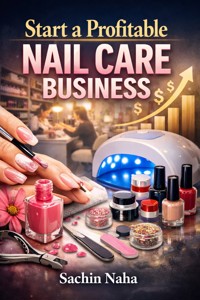













Table of Contents
Chapter 1: Understanding the Modern Salon Industry
Chapter 2: Crafting Your Vision, Mission, and Brand Identity
Chapter 3: Market Research and Competitor Analysis
Chapter 4: Building a Strategic Business Plan
Chapter 5: Choosing the Right Location and Legal Setup
Chapter 6: Budgeting and Startup Financial Planning
Chapter 7: Designing a Functional and Attractive Salon Space
Chapter 8: Sourcing Quality Equipment and Products
Chapter 9: Building a High-Performance Team
Chapter 10: Training, Leadership and Team Culture
Chapter 11: Service Design and Standardization
Chapter 12: Salon Operations and Client Experience Management
Chapter 13: Hygiene, Safety and Legal Compliance
Chapter 14: Technology and Automation in Salons
Chapter 15: Marketing and Branding Strategy
Chapter 16: Client Relationship Management and Retention
Chapter 17: Financial Management and Profit First System
Chapter 18: Pricing for Profit and Value
Chapter 19: Growth, Expansion, and Scaling Your Salon
Chapter 20: Sustainability, Innovation and Long-Term Success
How to Start a Profitable Salon Business
About the book
"How to Start a Profitable Salon Business" is a global guide designed for aspiring salon owners and hairstyling entrepreneurs who aim to build a successful, profitable, and sustainable salon venture. This comprehensive, step-by-step book covers everything from understanding the modern salon industry and defining your brand identity to writing a business plan, choosing the right location, budgeting, and designing a functional salon space. Readers will also learn how to build and train a high-performance team, manage operations efficiently, and deliver outstanding client experiences.
With practical insights on marketing, pricing, financial planning, and technology, this guide equips you with the tools to attract clients, increase profits, and scale your salon with confidence. Whether you're starting from scratch or upgrading an existing salon, this easy-to-follow global guide helps you turn your passion into a profitable and long-lasting hairstyling business.
Author
Chapter 1: Understanding the Modern Salon Industry
When Ana opened her first salon in a small, vibrant neighborhood in Lisbon, she wasn’t just offering haircuts and blowouts—she was tapping into a culture shift. The beauty industry was evolving, and salons were no longer just places to refresh your look; they were becoming personal sanctuaries for self-care, well-being, and digital connectivity. Ana's vision was simple: offer more than just hair services. She wanted to create an experience that celebrated both outer beauty and inner wellness. What she didn’t know at the time was how critical this shift would become in the modern salon industry.
The salon business is no longer a straightforward venture of scissors, hair dyes, and blow dryers. In today’s world, the landscape is shaped by diverse influences like digital transformation, wellness trends, sustainability movements, and changing client expectations. Whether you're considering starting your own salon or looking to level up an existing one, understanding these emerging trends is key to ensuring long-term success.
The New Age of Salon Client Behavior
Client expectations have drastically shifted. The modern customer is no longer solely focused on aesthetics; they're just as invested in how a salon makes them feel. Take Lara, a frequent client at Ana’s salon, for example. She's not just booking an appointment for a haircut, but because the salon offers a holistic, soothing experience that helps her unwind from a busy week. Her visit includes not just a trim, but also a deep conditioning treatment with natural oils, a scalp massage, and calming music in the background.
This shift in client behavior is not just a trend—it's a permanent evolution. Consumers today are becoming more health-conscious, with a growing focus on overall well-being. They seek salons that provide not just a service, but an experience that caters to both their beauty and mental health. Clients expect personalized attention, high-quality products, and an environment that promotes relaxation and rejuvenation. With this growing focus on wellness, the beauty industry has seen the rise of services that go beyond traditional cuts and colors, including scalp therapy, hair treatments using clean beauty products, and holistic wellness options such as aromatherapy and stress-relieving massages.
This means that for a salon to thrive, offering a simple haircut isn’t enough anymore. In fact, salons that position themselves as wellness hubs—offering services that go beyond the conventional—are seeing much higher customer loyalty and retention.
Digital Transformation in the Salon Industry
If Ana had opened her salon just a few years ago, she would’ve focused on word-of-mouth and local advertising to attract customers. Today, however, digital transformation is the cornerstone of a successful salon business. The digital landscape offers unprecedented opportunities for salon owners to attract and retain clients.
Think about how Lara now books her appointments. Instead of calling in, she uses Ana’s salon app. She can choose the stylist, the service, and even the time slot that works best for her. The convenience of online booking platforms, coupled with easy payment options and digital loyalty programs, is what clients expect in today’s fast-paced world. In fact, according to a recent survey, 63% of salon clients prefer online booking over calling for appointments. It’s not just about convenience either; digital platforms provide a way to keep clients engaged and excited about their next visit. From exclusive offers and personalized reminders to after-care tips delivered directly to a client’s phone, digital tools have revolutionized how salons operate and connect with clients.
Additionally, the power of social media cannot be overstated. Platforms like Instagram, TikTok, and Pinterest are where salon brands thrive. Take, for example, the rise of "hair influencers" or clients who post before-and-after photos showcasing their transformations. This serves as a form of live marketing and social proof, leading to organic brand growth. For new salon owners, having a social media strategy is not just an option—it’s essential.
Emerging Opportunities in a Competitive Market
The global beauty market has exploded, and salons worldwide are now competing not only with their local counterparts but with international brands as well. In this highly competitive environment, it’s crucial for salon owners to differentiate themselves. But how do you stand out?
For Ana, the answer came from tapping into the growing demand for sustainable, eco-friendly beauty products. With an increasing awareness of environmental issues and a shift towards clean beauty, salons that embrace sustainability are gaining loyal followings. By offering organic hair care products, minimizing waste, and promoting a green, eco-conscious space, Ana’s salon was able to carve out a niche in the market that attracted environmentally-conscious clients.
Another emerging opportunity is tapping into specialized services. Clients are looking for expertise that goes beyond generic offerings. Whether it’s curly hair specialists, luxury hair treatments, or unique beauty rituals inspired by global wellness trends, niche services can elevate your salon brand.
Moreover, the trend of "gender-neutral" beauty services is growing. As society moves towards greater inclusivity, salons that embrace all genders and focus on individual beauty—rather than stereotypes—will likely find success in catering to a broader audience. Diversity and inclusivity are becoming not just trends, but the new standard for businesses across all industries, including beauty.
The Importance of Technological Integration
Beyond booking and social media, technology plays an increasingly vital role in the operational side of running a salon. Salon management software is transforming the way salons handle appointments, payroll, inventory, and client data. Not only does this save time, but it also ensures a seamless experience for both the salon staff and clients.
For example, with the help of AI-driven analytics, Ana can track client preferences, purchase history, and even recommend new services or products based on past interactions. This level of personalization helps build stronger client relationships and increases revenue opportunities. It’s also worth noting that virtual consultations have gained popularity post-pandemic, allowing salon owners to extend their reach to clients who might not be able to visit in person. Whether it's a virtual hair consultation or providing personalized advice on at-home treatments, embracing these innovations can set your salon apart from the competition.
Conclusion: Thriving in a Rapidly Evolving Industry
The salon industry is undergoing a seismic transformation. In this new era, offering great services is no longer enough. The modern salon must embrace a broader vision that incorporates wellness, technology, and sustainability into its core offerings. Clients are seeking not just a haircut, but a sanctuary—a place where they can unwind, rejuvenate, and feel understood. By tapping into these emerging trends, understanding client behavior, and leveraging digital tools, Ana was able to create a salon that isn’t just a business, but a thriving community.
The key takeaway is that the future of the salon industry lies in embracing change and adapting to the evolving needs of clients. Whether it’s by offering a personalized, wellness-driven experience or staying ahead of the digital curve, success in today’s competitive salon landscape requires innovation, authenticity, and a deep understanding of the modern beauty market. And for entrepreneurs like Ana, the rewards of this forward-thinking approach are more than just financial—they are the satisfaction of truly making a difference in people’s lives.
Chapter 2: Crafting Your Vision, Mission, and Brand Identity
Imagine you’re walking into a salon—more than just a place for a quick haircut or a manicure. It’s an experience. The scent of essential oils fills the air, the sound of soft music calms your mind, and the friendly faces of the stylists make you feel like you’ve come home. You’ve stepped into a brand, and it's not just any brand—it's one that speaks directly to you. You’re not only looking for a great haircut, but you're also looking for a space that aligns with your values, enhances your well-being, and makes you feel confident.
This is the essence of a salon with a strong, well-defined brand. A brand that doesn’t just sell services, but creates lasting connections with clients. This chapter is all about crafting that kind of brand—one that not only stands out in the competitive salon industry but resonates emotionally with clients and reflects your vision. Whether you’re a first-time salon owner or looking to rebrand an established business, understanding your vision, mission, and brand identity is the foundation for building a profitable, sustainable salon.
Let’s dive into the steps that will help you define and communicate your salon’s unique purpose in a way that speaks to the heart of your customers.
Step 1: Defining Your Brand Purpose – What’s Your Why?
Every successful business starts with a clear sense of purpose. Think about some of the most well-known global brands—whether it's Apple, Tesla, or Airbnb. They all have a clear “why” behind their business that transcends selling a product or service. They’re driven by a mission that connects with people on a deeper level.
When it comes to your salon, the question to ask yourself is: Why do you do what you do?
Are you passionate about making people feel beautiful and confident? Do you want to create a sanctuary for your clients, a space where they can escape their hectic lives and simply relax? Your purpose could also be driven by a mission to use sustainable, cruelty-free products, or to give back to the community by offering discounted services to underprivileged groups.
The more specific you can get with your “why,” the better. For example, “My salon exists to empower individuals by helping them express their true beauty in a space that prioritizes self-care and sustainability.”
Your brand purpose is the backbone of your business. It will guide your decisions, your marketing, and the kind of relationships you build with clients. This purpose should inform every part of your salon experience, from your website’s "About Us" page to the services you offer and even the way your staff interacts with customers.
Step 2: Crafting a Compelling Mission Statement – Your Guiding Light
Now that you’ve identified your “why,” it’s time to distill that purpose into a clear, concise mission statement. This statement will serve as the guiding light for your business, ensuring that everything you do is aligned with your brand’s core values and goals.
Think of your mission statement as the elevator pitch for your brand. It should clearly communicate who you are, what you do, and why it matters. A strong mission statement isn’t just a buzzword; it’s a commitment to your customers, your team, and your community.
For example, “At [Salon Name], we believe that beauty is for everyone. Our mission is to provide personalized, top-quality hair and beauty services that enhance confidence and promote well-being in a relaxing, inclusive environment.”
This mission statement is effective because it communicates:
The core service (hair and beauty)
The focus on personalization and quality
The intention to make customers feel confident and well
The emphasis on inclusivity, which resonates with modern clients seeking authenticity and diversity
A mission statement like this isn’t just a nice-to-have; it’s the foundation of every customer interaction, marketing campaign, and business decision you make.
Step 3: Building Your Brand Identity – Make a Lasting Impression
Your brand identity is the visual, emotional, and experiential package that customers associate with your salon. It’s what sets you apart from your competition and makes your salon memorable. But creating a strong brand identity requires more than just a catchy name and logo. It’s about establishing a personality and an atmosphere that clients can feel, touch, and experience.
Start by deciding on the tone of your salon’s communication. Are you going for a luxury, high-end feel, or are you creating a relaxed, welcoming atmosphere? Perhaps you want to strike a balance between professional and playful—whatever it is, make sure it’s consistent across all touchpoints, from the way your staff greets clients to your social media voice.




