


8,49 €
Mehr erfahren.
- Herausgeber: DYM Worldwide Publishers
- Kategorie: Lebensstil
- Sprache: Englisch
"Irish Wolfhounds are a majestic breed and the author has captured the mystique to a new level. The majesty of the Irish Wolfhound comes through in every page, thank you!” Donna Shackleton, Cork, Ireland.
"Irish Wolfhounds have been my life for years and this is the most Irish Wolfhound breed-specific guide I’ve found.” Rod Davies, Dallas, TX.
“I learn something new about Irish Wolfhounds every time I pick this Irish Wolfhound guide up, such a well-done guide.” Sheree McAllen, Portland, OR.
“The best Irish Wolfhound guide on the market – a very welcome resource.” David Rushington, Durham, NC.
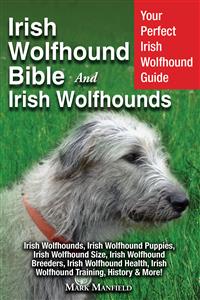
IRISH WOLFHOUND BIBLE and IRISH WOLFHOUNDS is Your Complete Irish Wolfhound Guide! Everything is covered: from Irish Wolfhound History, Irish Wolfhounds as Pets, Irish Wolfhound Puppies, Irish Wolfhound Buying, Irish Wolfhound Raising and Irish Wolfhound Adults, Irish Wolfhound Breeders, Irish Wolfhound Grooming, Irish Wolfhound Size, Irish Wolfhound Weight, Irish Wolfhound Personality, Irish Wolfhound Health & Irish Wolfhound Longevity.
Irish Wolfhound Grooming & Supplies – What Do You Need? Grooming can be easier than you think if you follow the easy tips laid out by the author. You will learn all the proven INSIDER IRISH WOLFHOUND SECRETS you’ll need to have the very best experience with your Irish Wolfhound.
The Irish Wolfhound breed which is also quite unique- as you will learn within. Everything is covered from Irish Wolfhound breed history, finding the best Irish Wolfhound for your particular household, Irish Wolfhound Puppies and how to pick the best- and avoid the worst!
Irish Wolfhound Prices what can you expect to pay? Irish Wolfhound care and keeping your Irish Wolfhound healthy, as well as ensuring great Irish Wolfhound behavior, is all covered.
Importantly, Irish Wolfhound life stages are covered from Irish Wolfhound Puppies, to Adolescence, Irish Wolfhound Training, through to Adulthood and how to maximize each stage along the way. How to care for your Irish Wolfhound in old age, and even how to slow down the process!
Whether you are considering an Irish Wolfhound for the first time, or a seasoned Irish Wolfhound owner and lover, the tricks and tips within this guide will prove invaluable. This book is the must-have guide for anybody passionate about the Irish Wolfhound! The book is written in an easy to read and understandable style. In a straight forward, no-nonsense fashion, Mark Manfield illustrates vividly all aspects of your Irish Wolfhound life journey you're about to take together!
"Irish Wolfhounds are a majestic breed and the author has captured the mystique to a new level. The majesty of the Irish Wolfhound comes through in every page, thank you!” Donna Shackleton, Cork, Ireland.
"Irish Wolfhounds have been my life for years and this is the most Irish Wolfhound breed-specific guide I’ve found.” Rod Davies, Dallas, TX.
“I learn something new about Irish Wolfhounds every time I pick this Irish Wolfhound guide up, such a well-done guide.” Sheree McAllen, Portland, OR.
“The best Irish Wolfhound guide on the market – a very welcome resource.” David Rushington, Durham, NC.
Das E-Book können Sie in Legimi-Apps oder einer beliebigen App lesen, die das folgende Format unterstützen:
Veröffentlichungsjahr: 2019
Ähnliche














Published by DYM Worldwide Publishers 2019.
ISBN: 978-1-913154-04-2
Copyright © DYM Worldwide Publishers, 2019
2 Lansdowne Row, Number 240 London W1J 6HL
ALL RIGHTS RESERVED. This book contains material protected under International & Federal Copyright Laws & Treaties. Any unauthorized reprint or use of this material is strictly prohibited. No part of this book may be reproduced or transmitted in any form or by any means, electronic, mechanical, or otherwise, including photocopying or recording, or by any information storage or retrieval system without express written permission from the author.
Copyright and Trademarks. This publication is Copyright 2019 by DYM Worldwide Publishers. All products, publications, software, and services mentioned and recommended in this publication are protected by trademarks. In such instance, all trademarks & copyright belonging to the respective owners.
All rights reserved. No part of this book may be reproduced or transferred in any form or by any means, graphic, electronic, or mechanical, including but not limited to photocopying, recording, taping, scanning, or by any information storage retrieval system, without the written permission of the author. Pictures used in this book are royalty free pictures purchased from stock photo websites with full rights for use within this work.
Disclaimer and Legal Notice. This product is not legal or medical advice and should not be interpreted in that manner. You need to do your own due diligence to determine if the content of this product is right for you. The author, publisher, distributors, and or/affiliates of this product are not liable for any damages or losses associated with the content in this product. While every attempt has been made to verify the information shared in this publication, neither the author, publisher, distributors, and/or affiliates assume any responsibility for errors, omissions, or contrary interpretation of the subject matter herein. Any perceived slights to any specific person(s) or organization(s) are purely unintentional. We have no control over the nature, content, and availability of the websites listed in this book.
The inclusion of any website links does not necessarily imply a recommendation or endorse the views expressed within them. DYM Worldwide Publishers takes no responsibility for, and will not be liable for, the websites being temporarily or being removed from the Internet. The accuracy and completeness of the information provided herein, and opinions stated herein are not guaranteed or warranted to produce any particular results, and the advice or strategies, contained herein may not be suitable for every individual. The author, publisher, distributors, and/or affiliates shall not be liable for any loss incurred as a consequence of the use and application, directly or indirectly of any information presented in this work. This publication is designed to provide information regarding the subject matter covered. The information included in this book has been compiled to give an overview of the topics covered. The information contained in this book has been compiled to provide an overview of the subject. It is not intended as medical advice and should not be construed as such. For a firm diagnosis of any medical conditions, you should consult a doctor or veterinarian (as related to animal health). The writer, publisher, distributors, and/or affiliates of this work are not responsible for any damages or negative consequences following any of the treatments or methods highlighted in this book.
Website links are for informational purposes only and should not be seen as a personal endorsement; the same applies to any products or services mentioned in this work. The reader should also be aware that although the web links included were correct at the time of writing they may become out of date in the future. Any pricing or currency exchange rate information was accurate at the time of writing but may become out of date in the future. The Author, Publisher, distributors, and/or affiliates assume no responsibility for pricing and currency exchange rates mentioned within this work.
Table of Contents
Introduction
Chapter 1 – Irish Wolfhound History – Where Did This Giant Breed Come From?
What were Irish Wolfhounds bred for in the past?
Why did the Wolfhound nearly go extinct?
The Wolfhound in the modern era
Chapter 2 – Irish Wolfhound Dogs: What Do You Need to Know About the Breed?
Physical characteristics of the Wolfhound
What are Irish Wolfhounds bred for today?
Comparing the Irish Wolfhound to other Wolfhound breeds
Chapter 3 – Do Irish Wolfhounds Make Good Pets?
Is the Wolfhound temperament right for your lifestyle?
Pros and cons of owning an Irish Wolfhound
How are Irish Wolfhounds with kids?
How much does it cost to own an Irish Wolfhound?
What is the ideal environment for an Irish Wolfhound?
Popular Irish Wolfhound names
Chapter 4 – Irish Wolfhound Breeders: How to Find Irish Wolfhound Puppies for Sale
Finding and choosing a breeder: Where can I get an Irish Wolfhound?
How much does an Irish Wolfhound puppy cost from a breeder?
The importance of Wolfhound pedigree and parentage
Chapter 5 – Irish Wolfhound Rescue and Adoption
The pros and cons of rescuing a Wolfhound
Wolfhound adoption: How much does it cost?
How do you find a Wolfhound rescue?
Chapter 6 – Choosing your Pet: How Do You Pick the Right Wolfhound Puppy?
How to spot a sick puppy
Should you buy a puppy or an adult Wolfhound?
Male vs. female Irish Wolfhound
What should you look for in a working or show dog?
Chapter 7 – Irish Wolfhound Accessories: What Supplies Will You Need?
What is the best Irish Wolfhound dog food?
Food and water dishes
Irish Wolfhound bed and crate sizes
Collar vs. harness: which is better for a Wolfhound?
Irish Wolfhound toys and treats: which ones are the safest?
What other supplies might you need?
Chapter 8 – Preparing for an Irish Wolfhound Puppy
What environment is right for a full-grown Wolfhound dog?
Puppy-proofing
Walking routes and running spots
The big day: How can you ease your puppy’s transition to its new home?
Chapter 9 – Wolfhound Puppies: How Should You Raise a Baby Irish Wolfhound?
How should you feed an Irish Wolfhound puppy?
Playtime and exercise
Early training tips
Chapter 10 – Irish Wolfhound Training Guide
When should you start Irish Wolfhound training?
How do sighthounds learn?
Basic Wolfhound training tips
Housebreaking an Irish Wolfhound puppy
Chapter 11 – Caring for an Adult Irish Wolfhound
A day in the life of a full grown Irish Wolfhound
Irish Wolfhound recommended diet
Irish Wolfhound exercise: How much does he need?
Traveling with a Wolfhound
Chapter 12 – Wolfhound Grooming: Is the Irish Wolfhound Coat Difficult to Maintain?
How much do Wolfhounds shed?
Professional vs. home grooming
Bathing the giant Irish Wolfhound
What other maintenance does a Wolfhound need?
Chapter 13 – Irish Wolfhound Health: Potential Problems and How to Avoid Them
Choosing a vet
How often should an Irish Wolfhound go to the Vet?
What is gastric torsion and how can you avoid it?
How can you tell if your Wolfhound is sick?
Effective pest control
Injuries and accidents
What are common Irish Wolfhound allergies?
Chapter 14 – Shows and Competitions – Do Irish Wolfhounds Enjoy the Spotlight?
What should you do to get started?
Conformation: What is the Irish Wolfhound standard?
What other events are great for Irish Wolfhounds?
Chapter 15 – Breeding the Irish Wolfhound
Is it a good idea to breed your Wolfhound?
What should you do before you start?
Choosing the perfect pairing
How should you care for a pregnant Wolfhound?
Chapter 16 – Irish Wolfhound Cross Breeds: What Dogs Mix Well with this Gentle Giant?
Miniature Irish Wolfhound – What breeds are involved?
What is a Great Wolfhound?
Irish Wolfhound Poodle mix
Retriever and Wolfhound cross breeds
What other Wolfhound mix puppies might you find?
Chapter 17 – An Irish Wolfhound’s Golden Years – How Should You Care for an Aging Dog?
How will your Wolfhound’s diet and activity change as he ages?
Health concerns: what signs of trouble should you look out for?
BONUS CHAPTER Your Trusted Irish Wolfhound Resource List
Introduction
Most modern-day dog breeds look very different from their ancient wolf ancestors. When you look at an Irish Wolfhound, however, you can definitely see the family resemblance. The Irish Wolfhound dog breed is the largest of the galloping hounds, with powerful jaws and the strength to take down large game.
For a long time, they were bred to bring out these traits. Its history dates back to antiquity when it was bred as a hunting dog and used by Irish Chieftains on the battlefield. This popularity as a working dog was one of the reasons they weren’t viewed as purebred show dogs until the 19th century.
Once you learn about the Irish Wolfhound, you realize these dogs are exceptional family pets.
Looking at Irish Wolfhound pictures, you might be intimidated—especially once you learn their history as hunters. The truth is, though, these giant dogs make fantastic family pets. They are some of the sweetest and most loyal dogs in the world. They’re also very intelligent and highly trainable, which combined with their impressive stature, makes them popular dogs in the show ring.
Having said that, an Irish Wolfhound does retain a lot of its instincts as a hunter. This includes a strong impulse to chase—and they can’t always differentiate between acceptable prey and a family cat. Proper training and socialization are key to keeping all the local animals safe.
Interested in adding one of these impressive dogs to your family? You’ve come to the right place! This Irish Wolfhound book has all the info you need, with tips on how to train and care for this giant breed, along with information on finding breeders and preparing for your new animal. Along the way, you’ll see some great Irish Wolfhound images that show you the breed in action.
While their size is what draws many people to them, it can also make them more challenging to feed and house. Wolfhounds can be rather pricey, both in terms of Irish Wolfhound puppies for sale price and the long-term expense of their care. You’ll want to think about both these factors before deciding to buy or adopt one.
Like all purebred dogs, there are some health concerns to look out for with the Wolfhound. As a giant breed, they are also susceptible to joint issues and the condition known as gastric torsion or bloat. You can avoid a lot of these problems with the right care and feeding practices. Being knowledgeable about the breed is your best way to safeguard your pet’s health.
Ready to learn more about the fascinating Irish Wolfhound? Read on to learn the full history of the breed and what you should know as a modern owner of this gentle giant.
CHAPTER 1
Irish Wolfhound History – Where Did This Giant Breed Come From?
Based on their name, you probably assumed the Irish Wolfhound origin is from Ireland. This is true, but it’s not the entire story. The purebred Irish Wolfhound actually has a rich and complicated history that dates back all the way to the ancient Roman Empire. There are records of Wolfhounds as far back as the 4th century BC in Ireland, and by the first few centuries AD, they had spread to locations as disparate as Scandinavia and the Middle East.
The Irish Wolfhound is a far more ancient breed than you might think.
There are a few different names you might see for the Irish Wolfhound, including Irish Greyhounds, Celtic Greyhounds, Irish Hounds, or simply Cu, which is the Celtic word for “hound.” Even modern-day groups will sometimes hold “gatherings of the Cu” when they get together with their dogs.
What were Irish Wolfhounds bred for in the past?
Hunting dogs of similar stature to the Irish Wolfhound are believed to have existed as far back as 1000BC. The very first example of the animal identifiable as an Irish Wolfhound is believed to have been written by the Gaelic poet Oisin. He was a kennel master as well as a poet and immortalized some 300 different breeds in his verses.
The earliest examples of the breed were known as Wolfdogs. This wasn’t just because of their wolf-like appearance, but because they were first bred to hunt wolves. Wolves were quite prevalent in Ireland for the first millennia AD, but they were virtually unknown by the 17th century, thanks in large part to the Wolfhound. Their large stature was also helpful in bringing down big game like elk and moose.
The Irish Wolfhound hunting prowess was so well-known that they became desirable gifts for nobles and aristocrats throughout the Roman Empire. Along with chasing game, they were used as fighting dogs in the arenas and kept as pets by the aristocracy. They became known in Scandinavia in the 9th century AD when the Danes invaded Ireland. At this point, they began to show up more in art and writing from across Europe.
Dogs of war
The same strong jaws and courageous disposition that made the giant Wolfhound so adept at killing wolves also made it an appealing companion on the battlefield. They were tall enough they could pull a man straight off his horse, or out of a chariot. They gained a reputation as ferocious warriors among the chieftains of Ireland. Eventually, they were even incorporated into Irish royal coat of arms, and were the inspiration for the motto “gentle when stroked, fierce when provoked.”




