


2,99 €
2,99 €
-100%
Sammeln Sie Punkte in unserem Gutscheinprogramm und kaufen Sie E-Books und Hörbücher mit bis zu 100% Rabatt.
Mehr erfahren.
Mehr erfahren.
- Herausgeber: Books on Demand
- Kategorie: Religion und Spiritualität
- Sprache: Englisch
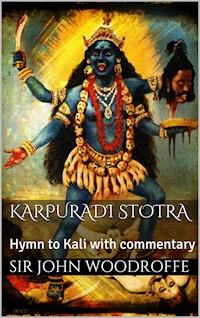
THIS celebrated Kaula Stotra, which is now translated from the Sanskrit for the first time, is attributed to Mahakala Himself. One of the chief features of this Stotra is that it gives the mantroddhara of the Dakshina-Kalika. It not only gives us the Dhyana, Yantra, Sadhana and Svarupa-varnana of the Mahadevi, but it also contains the chief Mantras of Daksinakalika. The adjective "Tava manu-samuddharanajanu" qualifying "idam stotram" in sloka 21 expressly states this fact.
Das E-Book können Sie in Legimi-Apps oder einer beliebigen App lesen, die das folgende Format unterstützen:
Seitenzahl: 115
Veröffentlichungsjahr: 2018
0,0
Bewertungen werden von Nutzern von Legimi sowie anderen Partner-Webseiten vergeben.
Legimi prüft nicht, ob Rezensionen von Nutzern stammen, die den betreffenden Titel tatsächlich gekauft oder gelesen/gehört haben. Wir entfernen aber gefälschte Rezensionen.
Ähnliche

















KARPURADI STOTRA
KARPŪRĀDI-STOTRAPREFACEIntroductionVERSE 1VERSE 2VERSE 3VERSE 4VERSE 5VERSE 6VERSE 7VERSE 8VERSE 9VERSE 10VERSE 11VERSE 12VERSE 13VERSE 14VERSE 15VERSE 16VERSE 17VERSE 18VERSE 19VERSE 20VERSE 21VERSE 22CopyrightKARPŪRĀDI-STOTRA
Sir John Woodroffe
PREFACE
THIS celebrated Kaula Stotra, which is now translated from the
Sanskrit for the first time, is attributed to Mahākāla Himself. The
Text used is that of the edition published at Calcutta in 1899 by
the Sanskrit Press Depository, with a commentary in Sanskrit by the
late Mahāmahopādhyāya Kṛṣhṇanātha Nyāya-pañcānana, who was both
very learned in Tantra-Śāstra and faithful to his Dharma. He thus
refused the offer of a good Government Post made to him personally
by a former Lieutenant-Governor on the ground that he would not
accept money for imparting knowledge.
Some variants in reading are supplied by this commentator. I am
indebted to him for the Notes, or substance of the notes, marked K.
B. To these I have added others, both in English and Sanskrit
explaining matters and allusions familiar doubtless to those for
whom the original was designed, but not so to the English or even
ordinary Indian reader. I have also referred to the edition of the
Stotra published by Gaṇeśa-Candra-Ghoṣa at Calcutta in 1891, with a
translation in Bengali by Gurunātha Vidyānidhi, and commentary by
Durgārāma-Siddhāntavāgīśa Bhattācārya. I publish for the first time
Vimalānanda-Svāmī's Commentary to which I again refer later. When
in this Introduction or in the Commentary I have not mentioned
these two works my authorities are the Tantras or Tāntrik works
which I cite, or. the information I have gathered from those whom I
have consulted.
One of the chief features of this Stotra is that it gives the
mantroddhāra of the Dakshina-Kālikā. It not only gives us the
Dhyāna, Yantra, Sādhana and Svarūpa-varnanā of the Mahādevī, but it
also contains the chief Mantras of Dakṣiṇakālikā. The adjective
"Tava manu-samuddharaṇajanu" qualifying "idam stotram" in Śloka 21
expressly states this fact.
Among the various Mantras of Dakṣiṇā Kālikā the greatest is the
"Vidyā-rājñī" consisting of 22 syllables (Dvāviṁsākṣarī). This
mantra gives the fullest and the truest symbol of the Svarūpa of
Her. This mantra is contained in the first five Ślokas.
The
first
Śloka
containsKrīṁ, Krīṁ, Krīṁ
(3 akṣaras)
2nd
„
„Hūṁ, Hūṁ
(2 „ )
3rd
„
„Hrīṁ, Hrīṁ
(2 „ )
4th
„
„Dakṣine Kālike
(6 „ )
5th
„
„Krīṁ, Krīṁ, Krīṁ, Hūṁ, Hūṁ, Hrīṁ, Krīṁ, Svāhā
(9 akṣaras)
So the first five Ślokas give us altogether 22 akṣaras i.e. the
full Vidyārājñī.
In Vimalānanda-Svāmī's Tīkā of the 5th Śloka in the revised
Sanskrit text he has proved by quotations from the 9th patala of
Śāktānanda-tarangiṇī that this 22-syllabled mantra is the full and
true representation of the Svarūpa of the Mahādevī.
See the quotation which begins with
"Krīm-kāro mastakaṃ devi Krīm-kāraśca lalātakaṁ"
and ends with
"Svā-śabdena pada-dvandvam hā-kāreṇa nakhaṁ tathā"
The words "Svarūpaṁ" (5th sl.) and "Sakalaṁ" (6th sl.) point to
this Vidyārājñī. After the full Vidyā-rājñī hasbeen given in the
first five Ślokas, the 6th Śloka gives the various other Mantras of
less importance and significance—ranging from one syllabled to
nine-syllabled, 15-syllabled, 21-syllabled and so forth.
This Mantroddhāra has been made following the authority of
Kālikā-śruti, Niruttara-Tantra and other Tantras. Many
commentators, however, have apparently in the view of Vimalānanda
failed to consult the above authorities, and have thus fallen into
errors and have given a different Mantroddhāra. Some take the 1st
Śloka to give a one-syllabled mantra, the 2nd sloka as also the
3rd, two two-syllabled mantras, the 5th a nine-syllabled one and so
on: a view which it is contended is opposite to such passages as
"atha hainaṁ brahmarandhre brahma-svarūpinīm āpnoti . . . . . . . .
. . bṛhad-bhānu-jāyāṁ uccaret" in the 1st Sūkta of Kālikopaniṣad;
or passages in Niruttara-Tantra (Ch. II) beginning with "Atha
vaksye Kuleśāni Dakṣinā-kalikā-manuṁ" and ending with
"Sarva-mantra-mayī vidyā sṛṣti-sthityanta-kāriṇī." The Svāmī
further refers me to the end of the Kālikopaniṣad where dealing
with the various Mantras of the Dakṣiṇa-Kālikā it is said "Atha
sarvām vidyām prathamaṁ ekaṁ dvayaṁ vā trayaṁ vā nāmatrayaputitaṁ
vā kṛtvā japet." The great Tāntrik Pūrṇānanda Giri explaining the
passage says "Sarvām vidyām-iti pūrvoktadvāvimśatyakṣaryāh prathama
bījaṁ vā bīja-dvayaṁ vā etc. (vide Śyāmā-rahasyaṁ, Rasikamohan's
edition, p. 36.)
From the above consideration, it is clear that at the very
beginning in the first 5 Ślokas the 22-syllabled Mantra is given
and then the others. It may be added here that the fact of
Mahākāla's composing the Hymn in 22 Ślokas not more nor less—is
also an indication of the correctness of the Svāmī's view, who, in
further support of it cites 5 Ślokas dealing with the Mantroddhāra
from the Krama-stava of the Dakṣiṇa-Kālikā under the first 5 Ślokas
of the Karpūrādi, which will be found in the printed text.
In course of revising his Vyākhyā Vimalānanda-Svāmī has in the
first six Ślokas given good grounds to prove that the Stotra not
only contains the Mantroddhāra and the Sādhana of
Śrī-Śrī-Dakṣina-Kālikā but also in it are given the Mantras and
Rahasyapūjā of Śri-Śri-Tārā and Śrī-Śrī-Tripura-sundarī.
In addition to the Mantroddhāra the following matters are contained
in the Stotra.
No. of Slokas:
Dhyāna
1, 2, 3, 4, 5, 6, 7, 8, 11
Yantra
18
Sādhana
10, 11, 15, 16, 17, 18, 19, 20
Madya
13
Māṁsa
19
Maithuna
10
Phala-Śruti
21, 22
The Ślokas 9, 12, 14 contain stuti only.
Ślokas 10, 15-18, 20 refer to the Tāntrik vīrācārasādhana. Vīrācāra
is for the class of sādhaka who are vīrabhāva and abhiṣikta. To
those who follow paśvācāra this ritual is strictly forbidden. The
nature of the rahasyapūjā is indicated in the text, to which I have
added an explanatory commentary in English and Sanskrit.
To the Paśu, sādhana by night is prohibited, for it connotes in
Śākta-sādhana, worship with the Pañcatattva. The Paśu is still
bound by the pāśa (bonds) of desire, etc., and he is, therefore,
not adhikārī, for that which, if undertaken by the unfit, will only
make these bonds stronger. For him, on the contrary, there are
severe restrictions in this matter, for, as the Śāktakrama cited by
the commentator says, "Maithunaṁ tatkathālāpaṁ tadgoṣṭhīṁ
parivarjayet."
(The Paśu should avoid maithuna, conversation on the subject, and
the like.) The Paśu should avoid the eight forms of maithuna known
as aṣtāṅga maithuna—viz., smaraṇaṁ (thinking upon it), kīrtanam
(talking of it), kelih (play with women), prekṣaṇam (looking upon
women), guhyabhāṣaṇaṁ (talk in private with women), saṁkalpah (wish
or resolve for maithuna), adhyavasāyah (determination towards it),
as well as kriyāniṣpattih (actual accomplishment). The Nityā
Tantra, which the commentator cites, says: "Rātrau naiva yajed
deviṁ sandhyāyāṁ vā’parāhnake"—"He (the Paśu should never worship
the Devī during the latter part of the day or in the evening or at
night." To this, from amongst many other authorities, I may add the
Svatantra, which says that the Paśubhāva Sādhaka should do one lakh
of japa in day time and that a Vīra devoted to his own Ācāra should
do one lakh of japa at night;
Paśubhāvarato mantrī divā lakṣa japaṁ caret.
Svācāranirato viro rātrau lakṣa japaṁ caret.
In connection with this verse I must observe that in the notes to
verse 20 it is said that the first half of the 20th Śloka is meant
for "Paśusādhakas" and that the 2nd half refers to the
"pūrṇābhiṣiktavīrasādhaka," as also that the word "paraṁ"
(afterwards) means and refers to the time when the ‘Paśu’ having
received abhiṣeka enters vīrācāra and is adhikārī for the midnight
puraścaraṇa. Vimalānanda tells me that this is wrong and that the
whole Śloka has reference to the vīra or divya-sādhaka and that no
portion of it refers to the Paśu-sādhaka.
The quotation just made from the Svatantra-Tantra no doubt seems to
lend support to the view that the first part of the Śloka refers to
the Paśu, but he informs me and I fully accept the correction that
he and other followers of the Śāstra knew the passage to bear a
meaning which is consonant with his view, that is, it means
this:—Mantrī means the vīrasādhaka; the mantrī should perform
lakṣa-japa in the day time following the ācāra of the paśu
(paśu-bhāvaratah). The vīra-sādhaka should perform lakṣa-japa in
the night following his own ācāra (svācāra-niratah). The word
"svācāra" (own ācāra) points to his interpretation being
correct.
In support of his view the Svāmī cites the following Verses which
all say the same thing namely that the initiate should be
Brahmacārī during day and at night worship according to Kulācāra.
Kaulāvalī says:
Naktaṁ-bhojī haviṣyānnaṁ japed vidyām divā śucih.
Dvivāsāh sarvathā vīro brahmacārī bhavet sadā.
Rātrau saṁpūjayed devīṁ kulācāra-krameṇa tu
Dvijanmanāṁ tu sarveṣam dvidhā vidhi-rihocyate.
Again, Kālikopaniṣad says:
Sāṁbhava-dīkṣāsu ratah śākteṣu vā divā brahmacārī rātrau nagnah
sadā maithunāsaktamānasah Japa-pūjādi-niyamaṃ kuryād iti.
Kaulāvalī again says:
Unmukhyāh Kālikāyāśca viśeṣah kathyate ’dhunā.
Divase brahmacaryeṇa sviyasaṁkhyājapaṁ caret.
Rātrau māṁsāsavairmatsyairmudrābhir maithunod-bhavaih.
The reason of the vīrasādhaka being instructed to adopt the ācāra
of brahmacārī in the day-time is the necessity for the concealment
of the vīrācāra from the public which Tantra so often insists upon.
Śiva says that vīrācāra cannot be understood aright by the common
people and therefore must be concealed, as closely as a man should
conceal his own mother's sin "gopayet mātṛ-jāra-vat."
Moreover, the worship of Kālī in "paśvācāra" is totally forbidden
by Śiva. The Paśu is precluded by Tantra from the worship of Kālī.
For example the Niruttara-Tantra says:
Divya-bhavaṁ vīra-bhāvaṁ vinā Kālīṁ prapūjayet.
Pūjane narakaṁ yāti tasya duhkhaṁ pade pade.
Paśubhāva-rato devi yadi Kālīṁ prapūjayet.
Rauravaṁ narakaṁ yāti yāvad ābhūta-samplavaṁ.
(By the worship of Kālī without Divyabhāva and Vīrabhāva the
worshipper suffers pain at every step and goes to hell. If a man
who is of the Paśubhāva worships Kālī then he goes to the Raurava
Hell until the time of final dissolution).
Vimalānanda-Śvāmi says: The worship of Kālī without the use of
wine, though seen in many places, is Paurāṇik and not Tāntrik (i.e.
sanctioned by the Tantra.)
Verses 1-8, 11, the first part of verse 20, and 21 (except at
midnight) deal with japa of the mantra of, and dhyāna upon, the
Devī, which, of course, may be done by the Paśu. Verses 9, 12, 13,
and 14 are stuti, and 22 is the usual phala-śloka, which states the
reward to be gained by the reading of the Stotra.
Verses 10, 15-18, and the second portion of verse 20 deal with
Latāsādhana. The śakti of this sādhana is ordinarily the own wife
of the sādhaka, married according to the Vaidik injunctions; the
svaśakti or ādyāśaktī, as she is technically called in Tantra.
One's own wife is Ādyā-Śaktī and Sādhana should be done with her
aid (Ādyā-śaktīh svadārāh syāt tāmevaśṛtya sādhayet). With her is
practised that śaktīsādhana, the aim of which is the acquirement of
self-control, which, checking the outward-going current, places the
sādhaka upon the path of nivṛtti. Indeed, the Kaulikārcanadīpikā
says, "Without ādyā śakti worship is but evil magic". (Ādyāśaktiṁ
vinā pūjā abhicārāya kalpate). It is only the siddha, which term is
here used in the special sense of one who has obtained complete
control over his passions, to whom is permitted another śakti
(paraśakti). So the Prāṇatoṣinī quotes, "a man shall obtain siddhi
with his own śakti, and afterwards (that is, when he is siddha) he
should make japa with paraśakti" (Svaśaktau siddhim āpnuyāt
paraśaktau tadā japet). And similarly Niruttara Tantra says, that
the sādhaka who is siddha in Kulācāra may worship "another" woman.
(Siddhamantrī kulācāre parayoṣām prapūjayet). In both these cases
paraśakti has a double meaning viz., "another" woman that is
corporeal woman, or "Supreme" that is the Supreme Woman who in the
body is Kuṇdalinī-Śakti. This latter appears to be sense in the
quotation which speaks of the siddhamantrī. It has been said also,
as in the Mahānirvāṇa Tantra, that paraśakti must (if unmarried) be
married either by Vaidika or Śaiva rites, or (if married and the
husband is dead) according to the latter rite. Further, that which
determines the moral character of an act is the intention with
which it is done. As the Kaulāvalīya says, when a man's intention
is bad then his act is so, otherwise there is no fault:
Ata eva yadā yasya vāsanā kutsitā bhavet.
Tadā doṣāya bhavati nānyathā dūṣaṇaṁ kvacit.
As an example of the same act and varying intention, it is aptly
said: "A wife is kissed with one feeling and a daughter's face with
another". (Bhāvena cumbitā kāntā bhāvena duhitrānanam). A Mantrin
who is given over to lust, for the subjugation of which the sādhana
is prescribed, goes, as is said in the Tantrasāra, to the Hell
called Raurava. (Lingayonirato mantrī raurakang narakang brajet).
In the words of the Āhārabheda-Tantra—Vāmācāro bhavet tatra vāmā
bhūtvā yajet parām. "One may be a Vāmācārī if one can worship Vāmā
being oneself a woman." This is on the principle that a worshipper
should always be like the object of his worship. Woman is Devatā,
and the embodiment of the Supreme Śakti, and is as such honoured
and worshipped, and is, when pūjyā śakti, never the subject of
enjoyment.
Verses 15 and 16, as sufficiently appears from their context, refer
to the sādhana of those who are not siddha.
Verses 10, 17, and 18 apply to both sādhaka and siddha, as to verse
20, see pp. 4, 5 ante.
By such sādhana the last vestiges of the most powerful of such
bonds is sought to be destroyed, and with such destruction the seed
of karma and rebirth. He, like Śiva, becomes destroyer of Smara,
and Śiva Himself. Verses 4, 18, and 20 refer directly to this fruit
of sādhana. Others indicate the material and intellectual greatness
on earth of the sādhaka, who devoutly worships the Devī. To him is
given mastery over all persons and things of the world, which on
death, if siddha, he leaves for the dwelling by the Supreme Feet
(verse 17), or Nirvāṇa. As Śiva says in the Kālīvilāsa-Tantra "I
have told you, my beloved, all about the five Tattvas, Sādhana in
the cremation ground and with the funeral pyre now listen to the
doctrine of the Siddha-vīra."
Madyaṁ matsyaṁ tathā māṁsaṁ mudrāṁ maithunam-eva ca.
Śmaśānasādhanaṁ bhadre citāsādhanam eva ca.
Etat to kathitaṁ sarvaṁ siddhaviramataṁ śṛiṇu.
It is the sādhana of the cremation-ground on which all passion is
burnt away. There are two kinds of cremation-ground, of which the
one is the funeral pyre (citā), and the other yonirūpā mahākālī. As
the first Chapter of the Niruttara-Tantra says there are two
cremation grounds namely that which is the funeral pyre and the
yoni which, in its sūkṣma sense, is the Devī, the śmasāna being in
the same sense dissolution or pralaya. (Śmaśānam dvividhaṁ devi
chitā yoni prakīrtitā). In even the sthūla sense the sādhaka must
be susādhaka, for union without right disposition—japa, dhyāna
etc.—is the animal maithuna of a paśu.




