


5,49 €
Mehr erfahren.
- Herausgeber: Shuttle Systems Ltd
- Kategorie: Ratgeber
- Sprache: Englisch
"Let your menopause journey be a time of self-discovery."
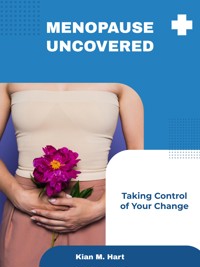
Are you ready to take control of your menopause experience? Look no further than Menopause Uncovered - Taking Control of Your Change. This comprehensive guide is the ultimate resource for women who want to understand and navigate this important transition with confidence.
From the basics of what menopause is and the stages you can expect to go through, to the nitty-gritty details of hormonal changes and physical symptoms, we cover all the bases. You'll learn about the emotional and mental health challenges that can come with menopause, like mood swings, anxiety, and cognitive changes, as well as the impact on sleep, weight, and overall health.
But it's not all about the physical changes - we also cover the social and work-life balance aspects of menopause, like navigating friendships and relationships, building a support network, and seeking accommodations at work. Plus, we'll explore the various treatment options available, from hormone replacement therapy to natural remedies like acupuncture and herbal supplements.
And if you're not going through menopause yourself but want to support a loved one who is, we've got you covered there too. We'll provide tips on how to communicate effectively, offer support and encouragement, and understand the menopause experience from their perspective.
But what really sets Menopause Uncovered apart is its focus on taking control of your change. You'll learn how to prepare for menopause, from maintaining overall wellness to seeking preventive healthcare, and how to cope with the emotional impact of this transition. Plus, we'll providepractical tips for managing symptoms like hot flashes, night sweats, and vaginal dryness, as well as strategies for weight management, exercise, and nutrition.
And it's not just about managing symptoms - Menopause Uncovered also covers important topics like menopause and heart health, breast health, and even oral and eye health. You'll learn about the impact of menopause on these areas and what you can do to maintain your overall health and well-being.
But don't worry, we won't leave out the fun stuff, like managing hot flashes, sexuality changes, and even hair loss. And with chapters on complementary and alternative therapies, preparing for doctor visits, and building resilience and self-compassion, Menopause Uncovered truly covers all the bases.
So whether you're just starting to experience perimenopause, in the throes of full-on menopause, or beyond, Menopause Uncovered has everything you need to take control of your change and navigate this transition with grace and confidence. So grab a copy today and join the millions of women who are ready to take control of their menopause experience!
Das E-Book können Sie in Legimi-Apps oder einer beliebigen App lesen, die das folgende Format unterstützen:
Veröffentlichungsjahr: 2023
Ähnliche












Created by Xspurts.com
All rights reserved.
Copyright © 2005 onwards .
By reading this book, you agree to the below Terms and Conditions.
Xspurts.com retains all rights to these products.
No part of this book may be reproduced in any form, by photostat, microfilm, xerography, or any other means, or incorporated into any information retrieval system, electronic or mechanical, without the written permission of Xspurts.com; exceptions are made for brief excerpts used in published reviews.
This publication is designed to provide accurate and authoritative information with regard to the subject matter covered, however is for entertainment purposes only. It is sold with the understanding that the publisher is not engaged in rendering legal, accounting, health, relationship or other professional / personal advice. If legal advice or other expert assistance is required, the services of a competent professional should be sought.
First Printed 2023.
ISBN:
DIGITAL VERSION: 978-1-77684-795-2
PHYSICAL VERSION: 978-1-77684-686-3
A New Zealand Designed Product
Get A Free Book At: go.xspurts.com/free-book-offer
Table of Contents
Introduction
Understanding Menopause
What is menopause?
The stages of menopause
Signs and symptoms
Hormonal Changes During Menopause
Estrogen and progesterone fluctuations
The role of hormones in menopause symptoms
The endocrine system and menopause
Physical Symptoms of Menopause
Hot flashes
Night sweats
Vaginal dryness
Emotional and Mental Health During Menopause
Mood swings
Anxiety and depression
Cognitive changes
Sleep Disturbances and Menopause
Insomnia
Restless leg syndrome
Tips for better sleep
Menopause and Weight Gain
Hormones and metabolism
Healthy weight management strategies
Exercise for menopause
Nutrition for Menopause
Essential nutrients for menopausal women
Foods to avoid during menopause
Dietary supplements
Managing Hot Flashes and Night Sweats
Triggers and prevention
Cooling techniques
Lifestyle changes
Menopause and Sexuality
Libido changes
Painful intercourse
Intimacy and relationship challenges
Hormone Replacement Therapy (HRT)
Benefits and risks
Types of HRT
Alternatives to HRT
Natural Remedies for Menopause
Herbal supplements
Acupuncture
Yoga and meditation
Menopause and Osteoporosis
Bone health during menopause
Risk factors and prevention
Osteoporosis treatment options
Menopause and Heart Health
Cardiovascular risk factors
Prevention strategies
Heart-healthy lifestyle choices
Menopause and Mental Health
Coping with mood swings
Managing stress
Mindfulness and meditation techniques
Menopause and Hair Loss
Hormones and hair growth
Treatment options
Hair care tips
Menopause and Skin Changes
Hormonal effects on skin
Skin care during menopause
Anti-aging strategies
Menopause and Urinary Health
Incontinence
Urinary tract infections
Pelvic floor exercises
Menopause and Breast Health
Breast changes during menopause
Mammogram guidelines
Breast cancer prevention
Coping with Early Menopause
Causes of premature menopause
Emotional impact
Postmenopausal Health
Maintaining overall wellness
Preventive healthcare
Life after menopause
Supporting a Loved One Through Menopause
Understanding the menopause experience
Communication tips
How to offer support and encouragement
Menopause and Exercise
The importance of physical activity
Best exercises for menopause
Staying motivated
Menopause and Your Social Life
Navigating friendships and relationships
Building a support network
Managing social situations
Work-Life Balance During Menopause
Managing stress at work
Seeking accommodations
Balancing career and self-care
Complementary and Alternative Therapies
Aromatherapy
Massage therapy
Homeopathy
Preparing for Doctor Visits
Choosing a healthcare provider
What to expect during appointments
Questions to ask your doctor
Menopause and Your Emotional Well-Being
Accepting and embracing change
Building resilience
Practicing self-compassion
Perimenopause: The Transition to Menopause
Understanding perimenopause
Symptoms and management
Preparing for menopause
Menopause and Oral Health
Gum disease and menopause
Dental care during menopause
Preventing oral health problems
Menopause and Eye Health
Hormones and vision changes
Common eye conditions
Tips for maintaining eye health
Menopause and Digestive Health
Hormonal effects on digestion
Managing gastrointestinal symptoms
Diet and lifestyle tips
Have Questions / Comments?
Get Another Book Free
Introduction
If you're a woman going through menopause, you're not alone. In fact, over 20 million women in the United States are currently experiencing menopause. And while it's a completely natural part of life, that doesn't mean it's easy. Menopause can bring about a whole host of physical and emotional changes that can be difficult to navigate.
But fear not! Our comprehensive guide to menopause is here to help you understand this transition and navigate it with grace (and maybe a little bit of humor). From the basics of what menopause is and the stages you can expect to go through, to the nitty-gritty details of hormonal changes and physical symptoms, we cover all the bases.
We'll dive into the emotional and mental health challenges that can come with menopause, like mood swings, anxiety, and cognitive changes, as well as the impact on sleep, weight, and overall health. And don't worry, we won't leave out the fun stuff, like managing hot flashes, sexuality changes, and even hair loss.
But it's not all about the physical changes - we also cover the social and work-life balance aspects of menopause, like navigating friendships and relationships, building a support network, and seeking accommodations at work. Plus, we'll explore the various treatment options available, from hormone replacement therapy to natural remedies like acupuncture and herbal supplements.
And if you're not going through menopause yourself but want to support a loved one who is, we've got you coveredthere too. We'll provide tips on how to communicate effectively, offer support and encouragement, and understand the menopause experience from their perspective.
So whether you're just starting to experience perimenopause, in the throes of full-on menopause, or beyond, our guide has everything you need to know to navigate this transition with confidence and ease. From managing symptoms to maintaining overall wellness, we'll be with you every step of the way. So grab a copy of our guide and let's tackle menopause together!
Understanding Menopause
Menopause is a natural biological process that marks the end of a woman's reproductive years. It is diagnosed after a woman has gone 12 consecutive months without a menstrual period. The average age for menopause in the United States is 51 years old, although it can occur anywhere between the ages of 40 and 6 Understanding the changes that occur during menopause and how to manage symptoms is important for women to maintain their overall health and well-being.
One of the primary changes that occur during menopause is a decrease in the production of the hormones estrogen and progesterone. These hormones play a key role in regulating the menstrual cycle and maintaining reproductive health. As estrogen levels decrease, women may experience a range of physical and emotional symptoms.
Physical symptoms of menopause may include hot flashes, night sweats, vaginal dryness, and a decrease in bone density. Hot flashes are one of the most common symptoms of menopause, affecting up to 75% of women. They are characterized by a sudden feeling of heat that may cause flushing of the face, neck, and chest, and can last from a few seconds to several minutes. Night sweats are similar to hot flashes, but they occur during sleep and may cause excessive sweating and disrupted sleep.
Vaginal dryness is another common symptom of menopause, occurring in up to half of all women. This can cause discomfort during sexual activity, as well as an increased risk of urinary tract infections. Decreased bone density is another common symptom of menopause, which can lead to an increased risk of fractures and osteoporosis.
In addition to physical symptoms, menopause can also cause emotional symptoms such as mood swings, anxiety, and depression. These symptoms may be due to the hormonal changes that occur during menopause, as well as other factors such as stress and changes in social roles and relationships.
There are several strategies that women can use to manage symptoms of menopause and maintain their overall health and well-being. One of the most effective strategies is to maintain a healthy lifestyle, including regular exercise and a balanced diet. Exercise has been shown to reduce the severity of hot flashes and improve bone density, as well as provide other physical and emotional benefits. A balanced diet that includes plenty of fruits and vegetables, whole grains, and lean protein can help maintain bone density and reduce the risk of chronic diseases such as heart disease and diabetes.
In addition to lifestyle changes, there are also medical treatments that can help manage symptoms of menopause. Hormone therapy, which involves taking estrogen or a combination of estrogen and progesterone, is one option. However, hormone therapy may increase the risk of certain health problems such as breast cancer, so it should be used with caution and only under the guidance of a healthcare provider.
Other medical treatments for menopause include non-hormonal medications such as selective serotonin reuptake inhibitors (SSRIs), which are commonly used to treat depression and anxiety but have also been shown to reduce the severity of hot flashes. Vaginal estrogen therapy can also be used to treat vaginal dryness and discomfort during sexual activity.
It is important for women to discuss their symptoms and treatment options with a healthcare provider who can provide personalized recommendations based on their individual health history and preferences. Regular check-ups and screenings are also important to maintain overall health and detect any potential health problems early on.
What is menopause?
Menopause is a natural biological process that marks the end of a woman's reproductive years. It is defined as the point in time when a woman has not had a menstrual period for 12 consecutive months. Menopause can occur between the ages of 45 and 55, with the average age of onset being 5 However, some women may experience menopause earlier or later than this range.
During menopause, a woman's body undergoes significant hormonal changes. The production of estrogen and progesterone, two hormones that regulate a woman's menstrual cycle, decreases. These changes can cause a wide range of physical and emotional symptoms.
Common physical symptoms of menopause include hot flashes, night sweats, vaginal dryness, and sleep disturbances. These symptoms can have a significant impact on a woman's quality of life and daily activities. Emotional symptoms of menopause may include mood swings, irritability, anxiety, and depression.
It is important to note that menopause is not a disease or a medical condition that needs to be cured. Rather, it is a natural transition that every woman will experience at some point in her life. However, some women may need medical treatment to manage the symptoms of menopause.
There are three stages of menopause: perimenopause, menopause, and postmenopause. Perimenopause is the period of time leading up to menopause when a woman's hormone levels begin to fluctuate. This can cause irregular periods, hot flashes, and other symptoms. Menopause marks the end of a woman's menstrual periods and is diagnosed when a woman has not had a period for 12 consecutive months. Postmenopause refers to the years after menopause when a woman's hormone levels have stabilized.
It is important for women to understand the different stages of menopause and the associated symptoms so that they can be prepared and seek appropriate medical care if necessary. Women should also be aware of the potential long-term health risks associated with menopause, including osteoporosis, heart disease, and stroke.
There are a variety of treatments available to manage the symptoms of menopause. Hormone replacement therapy (HRT) is one option that can help relieve hot flashes, vaginal dryness, and other physical symptoms. However, HRT is not appropriate for all women and may increase the risk of certain health conditions. Other treatments for menopause symptoms may include lifestyle changes, such as regular exercise, healthy eating, and stress management techniques.
It is also important for women to maintain regular visits with their healthcare provider during and after menopause. Regular check-ups can help identify potential health issues early on and allow for appropriate treatment. Women should discuss any concerns or symptoms they may be experiencing with their healthcare provider to ensure they are receiving the best possible care.
The stages of menopause
Menopause is a natural biological process that occurs in women as they age. It is marked by the cessation of menstrual periods and a decline in hormone production by the ovaries. Menopause typically occurs between the ages of 45 and 55, with the average age being 5 However, the stages of menopause can vary widely from woman to woman.
The first stage of menopause is known as perimenopause. This stage can last for several years before menopause is actually reached. During perimenopause, a woman's hormone levels begin to fluctuate, leading to irregular menstrual periods. This can be accompanied by symptoms such as hot flashes, night sweats, and mood changes. Some women may also experience vaginal dryness, decreased sex drive, and trouble sleeping.
The next stage of menopause is menopause itself, which is defined as the point at which a woman has gone 12 months without a menstrual period. At this stage, hormone levels have declined significantly, leading to more severe symptoms such as hot flashes, night sweats, mood changes, and vaginal dryness. Women may also experience other symptoms such as joint pain, headaches, and fatigue.
The final stage of menopause is postmenopause, which is the period of time after menopause has occurred. During this stage, symptoms may begin to ease, but some women may continue to experience hot flashes, vaginal dryness, and other symptoms. Postmenopausal women are also at increased risk for certain health conditions, such as osteoporosis and heart disease.
Understanding the stages of menopause is important for women, as it can help them prepare for the changes that will occur in their bodies. Women who are approaching menopause can talk to their healthcare provider about their symptoms and develop a plan to manage them. This may include lifestyle changes such as eating a healthy diet and exercising regularly, as well as hormone replacement therapy or other treatments to manage symptoms.
It is also important for women to understand that menopause is a normal part of the aging process and that they are not alone in their experience. Many women find it helpful to join support groups or talk to friends and family members about their experiences with menopause. Additionally, healthcare providers can provide resources and information about menopause and its effects on the body.
Signs and symptoms
Menopause is a natural biological process that marks the end of a woman's reproductive years. It typically occurs between the ages of 45 and 55, but can happen earlier or later. Menopause is characterized by the cessation of menstrual periods and the accompanying hormonal changes that come with it. While menopause is a natural process, it can cause a range of physical and emotional symptoms, some of which may require medical attention. Below we will discuss the signs and symptoms of menopause.
The most common symptom of menopause is hot flashes, which affect up to 80% of women. Hot flashes are a sudden feeling of warmth that spreads over the body, often accompanied by sweating and a rapid heartbeat. They can last anywhere from a few seconds to several minutes and can occur multiple times throughout the day and night. Other common symptoms include vaginal dryness, difficulty sleeping, mood changes, and decreased sex drive.
Vaginal dryness is caused by a drop in estrogen levels, which can lead to thinning and drying of the vaginal walls. This can cause discomfort during sexual intercourse and increase the risk of urinary tract infections. Difficulty sleeping is often caused by night sweats, which are hot flashes that occur during sleep. This can lead to fatigue and irritability during the day. Mood changes, including irritability, depression, and anxiety, are also common during menopause. Decreased sex drive can be caused by hormonal changes, physical discomfort, or emotional factors.
In addition to these common symptoms, menopause can also increase the risk of certain health conditions. For example, the drop in estrogen levels can increase the risk of osteoporosis, a condition in which bones become weak and brittle. Menopause can also increase the risk of heart disease, as estrogen helps protect against heart disease. Other health conditions that may be associated with menopause include urinary incontinence, weight gain, and memory problems.
If you are experiencing symptoms of menopause, it is important to speak with your healthcare provider. Your provider can help you manage your symptoms and may recommend hormone therapy or other treatments. Hormone therapy involves taking estrogen and/or progesterone to replace the hormones that are no longer being produced by the body. This can help relieve symptoms such as hot flashes, vaginal dryness, and mood changes. However, hormone therapy may increase the risk of certain health conditions, so it is important to discuss the risks and benefits with your healthcare provider.
In addition to hormone therapy, there are other treatments that may help manage menopausal symptoms. These include lifestyle changes such as exercising regularly, eating a healthy diet, and avoiding triggers such as caffeine and alcohol. Relaxation techniques such as yoga and meditation may also help reduce symptoms. Over-the-counter remedies such as herbal supplements and vitamin supplements may also be helpful, but it is important to speak with your healthcare provider before taking any new supplements.
Hormonal Changes During Menopause
Menopause is a natural biological process that marks the end of a woman's reproductive years. It is defined as the time when a woman has not had a menstrual period for 12 consecutive months. Menopause usually occurs between the ages of 45 and 55, with the average age being around 5 The hormonal changes that occur during menopause can have a significant impact on a woman's health, both physically and emotionally. Below we will explore the hormonal changes that occur during menopause and their effects on a woman's body.
The primary hormone affected during menopause is estrogen, which is produced by the ovaries. As a woman approaches menopause, the production of estrogen begins to decline, leading to a variety of physical and emotional symptoms. Estrogen is responsible for many of the changes that occur during puberty, such as breast development, and it also plays a role in regulating the menstrual cycle. As estrogen levels decline during menopause, a woman's menstrual periods become irregular, and eventually stop altogether.
The decline in estrogen levels during menopause can cause a variety of physical symptoms. The most common symptoms include hot flashes, night sweats, vaginal dryness, and difficulty sleeping. Hot flashes are sudden sensations of heat that can cause flushing and sweating, and can last anywhere from a few seconds to several minutes. Night sweats are similar to hot flashes, but occur during sleep, and can cause a woman to wake up feeling hot and sweaty. Vaginal dryness can cause discomfort or pain during intercourse, and can also lead to urinary tract infections. Difficulty sleeping is also a common symptom, and can be caused by hot flashes or other physical discomfort.
In addition to these physical symptoms, menopause can also have a significant impact on a woman's emotional health. The decline in estrogen levels can cause mood swings, irritability, and anxiety. Many women also experience a decrease in sex drive during menopause, which can have a negative impact on their relationship with their partner. Depression is also common during this time, and may be related to the hormonal changes that occur during menopause.
Fortunately, there are several treatments available to help alleviate the symptoms of menopause. Hormone replacement therapy (HRT) is a common treatment that involves replacing the hormones that are no longer being produced by the ovaries. This can help to alleviate many of the physical symptoms of menopause, such as hot flashes and vaginal dryness. However, there are some risks associated with HRT, such as an increased risk of breast cancer, and women should discuss these risks with their doctor before starting HRT.
There are also several non-hormonal treatments available to help alleviate the symptoms of menopause. For example, some women find relief from hot flashes by taking certain antidepressant medications or by using a prescription medication called gabapentin. Vaginal moisturizers and lubricants can also help to alleviate vaginal dryness. Lifestyle changes, such as regular exercise, a healthy diet, and stress management techniques, can also be effective in reducing the symptoms of menopause.
Estrogen and progesterone fluctuations
Menopause is a natural process that marks the end of a woman's reproductive years. It is a transition phase that leads to the cessation of menstruation and the end of the ability to conceive. Hormonal changes are at the heart of menopause, and the most significant of these changes are the fluctuations in estrogen and progesterone levels. These hormones are produced by the ovaries and play a vital role in regulating the menstrual cycle, among other things.
During the reproductive years, estrogen levels fluctuate throughout the menstrual cycle, peaking at ovulation and then declining. Progesterone levels also fluctuate but increase after ovulation, preparing the uterus for a potential pregnancy. During menopause, the ovaries stop producing estrogen and progesterone, leading to a significant decline in these hormones' levels. This hormonal shift can cause various symptoms, which can vary in severity and duration from woman to woman.
Hot flashes are one of the most common symptoms of menopause, affecting up to 75% of women. Hot flashes are a sudden feeling of warmth or heat that spreads throughout the body, often accompanied by sweating and flushing of the skin. The exact cause of hot flashes is unknown, but they are believed to be related to changes in the hypothalamus, the part of the brain that regulates body temperature. The decline in estrogen levels during menopause is thought to trigger the hypothalamus to increase the body's temperature, leading to hot flashes.
Another common symptom of menopause is vaginal dryness, which occurs when the vagina's tissues lose elasticity and moisture. This can cause discomfort and pain during sex and increase the risk of urinary tract infections. Estrogen helps to maintain the vaginal tissues' health by promoting blood flow and maintaining the pH balance. The decline in estrogen levels during menopause can lead to vaginal dryness and other vaginal changes.
Mood changes are also common during menopause, with many women reporting increased anxiety, irritability, and depression. These mood changes may be related to hormonal fluctuations or other factors, such as stress, life changes, or sleep disturbances. Hormonal changes can also affect sleep patterns, leading to insomnia and other sleep disorders. The lack of sleep can further exacerbate mood changes, creating a vicious cycle.
The hormonal changes during menopause can also have an impact on bone health. Estrogen helps to maintain bone density by promoting the absorption of calcium and other minerals. The decline in estrogen levels during menopause can lead to bone loss, increasing the risk of osteoporosis and fractures.
While these hormonal changes during menopause can cause various symptoms and health issues, there are several ways to manage them. Hormone replacement therapy (HRT) is a common treatment option for women experiencing severe symptoms, such as hot flashes and vaginal dryness. HRT involves taking estrogen and progesterone supplements to replace the hormones that the ovaries are no longer producing. However, HRT is not suitable for all women, and the decision to use it should be made after discussing the benefits and risks with a healthcare provider.
Lifestyle changes can also help manage the symptoms of menopause. Regular exercise, a healthy diet, and stress reduction techniques, such as meditation or yoga, can help alleviate mood changes, hot flashes, and other symptoms. Avoiding triggers, such as caffeine and spicy foods, can also help reduce the severity and frequency of hot flashes.
Finally, staying informed and seeking support can help women navigate the changes that come with menopause. Learning about menopause and its effects can help women prepare and understand what to expect. Seeking support from friends, family, or a healthcare provider can provide emotional support and guidance on managing symptoms.
The role of hormones in menopause symptoms
Menopause is a natural biological process that occurs in women as they age. It is marked by a decrease in the production of the hormones estrogen and progesterone, which are responsible for regulating the menstrual cycle. As a result of these hormonal changes, women may experience a variety of symptoms, including hot flashes, night sweats, vaginal dryness, and mood changes.
Estrogen and progesterone play a critical role in the functioning of the female reproductive system. Estrogen, in particular, is responsible for regulating the menstrual cycle and preparing the body for pregnancy. It also helps to maintain the health of the vagina and the urinary tract. Progesterone, on the other hand, helps to prepare the uterus for pregnancy and plays a role in regulating the menstrual cycle.
During menopause, the production of these hormones decreases, leading to a range of symptoms. Hot flashes are one of the most common symptoms of menopause and are characterized by sudden feelings of heat that can cause sweating and flushing. Night sweats, which are similar to hot flashes but occur during sleep, are also common.
Vaginal dryness is another symptom of menopause and can cause discomfort during sex. This is because estrogen helps to keep the vaginal lining moist and healthy. As estrogen levels decrease, the vaginal lining becomes thinner and drier, which can lead to itching, burning, and pain.
Mood changes are also common during menopause and can include feelings of sadness, irritability, and anxiety. This is because estrogen plays a role in regulating the levels of neurotransmitters in the brain, which affect mood.
In addition to these symptoms, menopause can also increase the risk of certain health conditions, including osteoporosis, heart disease, and urinary incontinence. This is because estrogen plays a role in maintaining bone density, protecting the heart and blood vessels, and regulating the urinary tract.
While menopause is a natural part of the aging process, there are several treatments available to manage symptoms and reduce the risk of related health conditions. Hormone replacement therapy (HRT) is one of the most common treatments for menopause and involves taking estrogen and/or progesterone to replace the hormones that the body is no longer producing. HRT has been shown to be effective in reducing hot flashes, vaginal dryness, and other symptoms of menopause.
However, HRT is not suitable for everyone and can increase the risk of certain health conditions, including breast cancer, stroke, and blood clots. As a result, it is important for women to discuss the potential risks and benefits of HRT with their healthcare provider before starting treatment.
Other treatments for menopause include non-hormonal medications, such as antidepressants, which can help to reduce hot flashes and improve mood. Lifestyle changes, such as regular exercise, a healthy diet, and stress management techniques, can also be effective in managing symptoms of menopause.
The endocrine system and menopause
Menopause is a natural biological process in a woman's life that marks the end of reproductive function. The transition to menopause is characterized by changes in hormone levels that can impact various systems in the body, including the endocrine system. The endocrine system is responsible for producing and regulating hormones, and plays a critical role in the menstrual cycle and overall reproductive health.
As women age and approach menopause, there are significant changes that occur within the endocrine system. The primary hormones involved in the menopausal transition are estrogen, progesterone, follicle-stimulating hormone (FSH), and luteinizing hormone (LH). These hormones are produced by the ovaries and regulate the menstrual cycle. During perimenopause, the ovaries produce less estrogen and progesterone, and the levels of FSH and LH rise in response to the decline in estrogen production. These hormonal changes can lead to a range of symptoms that affect a woman's physical and emotional well-being.
One of the most common endocrine-related symptoms of menopause is hot flashes. Hot flashes are sudden feelings of heat that can cause sweating, flushing, and palpitations. The exact cause of hot flashes is not fully understood, but it is believed to be related to changes in estrogen levels, which can impact the function of the hypothalamus, the part of the brain responsible for regulating body temperature. Other endocrine-related symptoms of menopause include sleep disturbances, fatigue, mood changes, and changes in sexual function.
In addition to these symptoms, menopause can also impact the endocrine system in other ways. For example, women may experience a decrease in bone density as a result of declining estrogen levels. Estrogen is important for maintaining bone health and can help prevent osteoporosis. As estrogen levels decrease, women are at a higher risk of developing osteoporosis and bone fractures.
The endocrine system can also play a role in weight gain and changes in body composition that are commonly associated with menopause. As estrogen levels decline, women may experience an increase in abdominal fat, which can increase the risk of metabolic disorders such as type 2 diabetes and cardiovascular disease. Hormonal changes can also impact insulin sensitivity, which can further contribute to these health risks.
Managing endocrine-related symptoms of menopause can be challenging, but there are several treatment options available. Hormone replacement therapy (HRT) is a common treatment for menopause that involves taking estrogen and/or progesterone to replace the hormones that the ovaries are no longer producing. HRT can help relieve symptoms such as hot flashes, vaginal dryness, and sleep disturbances, and can also help prevent osteoporosis. However, HRT is not suitable for all women, and it is important to discuss the risks and benefits with a healthcare provider before starting this treatment.
In addition to HRT, lifestyle changes such as regular exercise and a healthy diet can also help manage endocrine-related symptoms of menopause. Exercise can help regulate hormone levels, improve bone density, and promote overall physical and emotional well-being. A healthy diet that is rich in fruits, vegetables, and whole grains can help manage weight and reduce the risk of metabolic disorders. Women can also benefit from stress-reducing activities such as yoga and meditation, which can help manage mood changes and promote relaxation.
Physical Symptoms of Menopause
Menopause is a natural and inevitable part of the aging process for women. It typically occurs between the ages of 45 and 55, although it can happen earlier or later. During this time, the ovaries stop producing eggs and the body goes through a series of hormonal changes that can result in a range of physical and emotional symptoms. Below we will focus on the physical symptoms of menopause.
One of the most common physical symptoms of menopause is hot flashes. Hot flashes are characterized by a sudden feeling of warmth, often accompanied by sweating and a rapid heartbeat. They can be triggered by various factors, such as stress, alcohol, caffeine, and spicy foods. Hot flashes can last anywhere from a few seconds to several minutes and can occur several times a day. While some women experience mild hot flashes, others may have severe and frequent episodes that interfere with their daily lives.
Another common physical symptom of menopause is vaginal dryness. This occurs when the vaginal tissues become thinner, drier, and less elastic due to decreased estrogen levels. Vaginal dryness can cause discomfort, itching, and pain during sexual intercourse. It can also increase the risk of vaginal infections and urinary tract infections.
Sleep disturbances are also a common physical symptom of menopause. Hormonal fluctuations can disrupt the sleep cycle and lead to insomnia, night sweats, and daytime fatigue. Lack of sleep can affect overall health and well-being, leading to mood swings, irritability, and difficulty concentrating.
Menopause can also lead to changes in the skin, such as dryness, thinning, and increased wrinkles. This is due to the decrease in estrogen levels, which can affect collagen production and skin elasticity. These changes can make the skin more susceptible to damage from the sun and other environmental factors.
Muscle and joint pain are also common physical symptoms of menopause. These symptoms can be caused by a decrease in estrogen levels, which can lead to a loss of bone density and an increased risk of osteoporosis. Joint pain can also be caused by the inflammation of the joints, a condition known as arthritis.
In addition to the physical symptoms mentioned above, menopause can also increase the risk of certain health conditions. For example, women post-menopause are at a higher risk of developing heart disease, osteoporosis, and certain types of cancer, such as breast and ovarian cancer. Therefore, it is important for women to maintain a healthy lifestyle, including regular exercise and a balanced diet, to reduce their risk of these conditions.




