


5,99 €
Mehr erfahren.
- Herausgeber: Shuttle Systems Ltd
- Kategorie: Ratgeber
- Sprache: Englisch
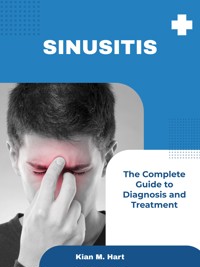
"Victory over sinusitis begins with understanding."
Breathe easy and reclaim your health with "Sinusitis: The Complete Guide to Diagnosis and Treatment." This comprehensive guide is designed to empower you with knowledge and practical strategies to manage and overcome sinusitis.
The book begins with a thorough understanding of the "Anatomy of Sinuses," followed by an in-depth discussion on "Understanding Sinusitis." Get to know the "Common Causes of Sinusitis" and familiarize yourself with the "Different Types of Sinusitis," to fully comprehend the complexity of this condition.
The journey continues as we guide you through the "Symptoms and Diagnosis of Sinusitis," giving you the tools to identify the early signs and the knowledge to understand the diagnostic processes.
As we move into the core of the book, we delve into a variety of treatment options and lifestyle changes that can help manage and alleviate sinusitis. Learn about the vital role of "Humidity and Hydration in Sinus Health," and uncover practical "Lifestyle Changes for Sinusitis Management." Equip yourself with knowledge about "Over-the-Counter Solutions" and dive into the world of "Medical Treatments for Sinusitis," where you'll learn everything from medications to surgical options.
But the journey doesn't stop at conventional treatments. We also explore "Natural Remedies for Sinusitis" and "Holistic Approaches to Sinus Health," providing you with a broad spectrum of potential solutions to find what works best for you.
Lastly, living with chronic sinusitis can be challenging, which is why we've dedicated chapters to "Living with Chronic Sinusitis" and "Finding Support and Resources." Here you'll find tips for long-term management and ways to connect with others who understand your experience.
"Sinusitis: The Complete Guide to Diagnosis and Treatment" is your comprehensive resource for navigating sinusitis, giving you the tools you need to breathe freely and live fully.
Das E-Book können Sie in Legimi-Apps oder einer beliebigen App lesen, die das folgende Format unterstützen:
Veröffentlichungsjahr: 2023
Ähnliche


















Created by Xspurts.com
All rights reserved.
Copyright © 2005 onwards .
By reading this book, you agree to the below Terms and Conditions.
Xspurts.com retains all rights to these products.
No part of this book may be reproduced in any form, by photostat, microfilm, xerography, or any other means, or incorporated into any information retrieval system, electronic or mechanical, without the written permission of Xspurts.com; exceptions are made for brief excerpts used in published reviews.
This publication is designed to provide accurate and authoritative information with regard to the subject matter covered, however is for entertainment purposes only. It is sold with the understanding that the publisher is not engaged in rendering legal, accounting, health, relationship or other professional / personal advice. If legal advice or other expert assistance is required, the services of a competent professional should be sought.
First Printed 2023.
ISBN:
DIGITAL VERSION: 978-1-77684-801-0
PHYSICAL VERSION: 978-1-77684-692-4
A New Zealand Designed Product
Get A Free Book At: go.xspurts.com/free-book-offer
Table of Contents
Introduction
Understanding Sinusitis
Anatomy of the Sinuses
Function of the Sinuses
What is Sinusitis?
Types of Sinusitis
Acute Sinusitis
Subacute Sinusitis
Chronic Sinusitis
Recurrent Sinusitis
Causes and Risk Factors
Common Cold
Allergic Rhinitis
Nasal Polyps
Deviated Septum
Symptoms and Diagnosis
Common Symptoms
Complications
Diagnostic Tests
Over-the-Counter Treatments
Nasal Sprays
Decongestants
Pain Relievers
Prescription Treatments
Antibiotics
Steroid Nasal Sprays
Immunotherapy
Home Remedies and Lifestyle Changes
Hydration
Warm Compresses
Steam Inhalation
Avoiding Irritants
Surgical Options
Functional Endoscopic Sinus Surgery (FESS)
Balloon Sinuplasty
Image-Guided Surgery
Post-Surgery Care and Recovery
Expectations and Recovery Time
Post-Surgery Care
Risks and Complications
Prevention Strategies
Regular Hygiene
Humidifiers
Avoiding Allergens
Sinusitis in Children
Causes and Symptoms
Treatment and Prevention
When to See a Doctor
Sinusitis and Other Health Conditions
Asthma and Sinusitis
Sinusitis and Sleep Apnea
Sinusitis and Migraines
Mental Health and Sinusitis
Impact on Quality of Life
Coping with Chronic Sinusitis
Seeking Support
The Role of Diet and Nutrition
Foods that May Help
Foods to Avoid
Hydration and Sinus Health
Understanding Allergies and Sinusitis
Common Allergens
Allergy Testing
Allergy Treatments
The Future of Sinusitis Treatment
Advances in Sinus Surgery
New Medications
Emerging Therapies
Living with Sinusitis
Managing Symptoms
Staying Active
Mental Health Considerations
Resources and Support
Finding a Healthcare Provider
Support Groups
Online Resources
Sinusitis and the Immune System
Role of the Immune System in Sinusitis
Strengthening the Immune System
Autoimmunity and Sinusitis
The Role of Exercise in Sinus Health
Benefits of Exercise for Sinus Health
Best Exercises for Sinusitis
Precautions While Exercising
Complementary and Alternative Treatments
Acupuncture and Sinusitis
Herbal Remedies
Aromatherapy
Sinusitis and the Weather
Weather Changes and Sinus Pressure
Coping with Seasonal Sinusitis
Sinusitis in Extreme Climates
Sinusitis and Travel
Managing Sinusitis While Traveling
Travel Tips for Sinusitis Sufferers
Coping with Altitude Changes
Pregnancy and Sinusitis
Sinusitis During Pregnancy
Safe Treatments for Pregnant Women
Prevention Tips for Expecting Mothers
The Impact of Pollution on Sinusitis
Air Pollution and Sinusitis
Indoor Air Quality and Sinus Health
Steps to Reduce Exposure
Understanding Your Sinusitis Triggers
Identifying Triggers
Managing Trigger Exposure
Personalized Sinusitis Management
Sinusitis Myths and Misconceptions
Common Sinusitis Myths
The Truth About Sinusitis
Dispelling Fear and Misinformation
Your Sinusitis Action Plan
Developing a Management Plan
When to Seek Medical Help
Staying Proactive in Your Sinus Health
Have Questions / Comments?
Get Another Book Free
Introduction
Ah, sinusitis. The condition that turns even the most stoic among us into a sniffling, sneezing, congested mess. It's the ultimate party pooper, the unwelcome guest that never seems to leave. But fear not, my friend, because this book is here to help you understand sinusitis with empathy and a healthy dose of humor.
Understanding Sinusitis
Before we can tackle sinusitis, we need to understand what it is and how it affects our bodies. This chapter will explore the anatomy and function of the sinuses, as well asthe types of sinusitis - from acute to chronic, and the common causes and risk factors that can trigger it.
Symptoms and Diagnosis
Ah, the joys of sinusitis symptoms. From headaches to facial pain to that never-ending congestion, we've all been there. This chapter will delve into the most common symptoms, complications, and diagnostic tests that doctors use to diagnose sinusitis.
Treatment Options
When it comes to sinusitis, there are a variety of treatment options, from over-the-counter remedies to prescription medications and even surgical options. This chapter will explore the different treatments available, including home remedies and lifestyle changes, as well as the latest advances in sinus surgery.
Prevention and Management
Prevention is always better than cure, and in this chapter, we'll discuss the best strategies for preventing sinusitis before it even starts. We'll explore the role of diet and nutrition, exercise, and the immune system in sinus health, as well as the importance of good hygiene and avoiding allergens and irritants.
Living with Sinusitis
Sinusitis can be a chronic condition, and managing its symptoms can be a challenge. This chapter will explore the best practices for managing symptoms and staying active while living with sinusitis. We'll also discuss the impact of sinusitis on mental health and the resources and support available for those who need it.
Myths and Misconceptions
From the idea that sinusitis is just a fancy name for a cold to the belief that antibiotics are a cure-all, there are plenty of myths and misconceptions surrounding sinusitis. In this chapter, we'll dispel common myths and provide the truth about sinusitis to help you better manage your condition.
Your Sinusitis Action Plan
In this final chapter, we'll help you develop a personalized management plan for your sinusitis. We'll discuss when to seek medical help, how to identify your triggers, and the best strategies for staying proactive in your sinus health. With the right action plan, you can take control of your sinusitis and get back to feeling like yourself again.
Whether you're a sinusitis veteran or a newcomer to the world of sinus problems, this book is here to provide you with the information, empathy, and humor you need to navigate the challenges of living with sinusitis. So grab a box of tissues and let's dive in!
Understanding Sinusitis
Sinusitis is a common condition that affects millions of people worldwide. It is characterized by inflammation and swelling of the sinus passages, which can cause a range of symptoms and discomfort. Below we will explore the various aspects of sinusitis, including its causes, symptoms, diagnosis, and treatment options.
The sinuses are hollow cavities located in the facial bones surrounding the nasal area. They are lined with mucous membranes that produce mucus to help moisten and clean the air we breathe. However, when these sinuses become inflamed or infected, it can lead to sinusitis.
There are several factors that can contribute to the development of sinusitis. One of the most common causes is a viral infection, such as the common cold or the flu. Bacterial infections can also cause sinusitis, particularly when they follow a viral infection. Other factors that can increase the risk of sinusitis include allergies, nasal polyps, a deviated septum, and structural abnormalities in the sinuses.
The symptoms of sinusitis can vary from person to person and may include nasal congestion, facial pain or pressure, headache, cough, postnasal drip, and reduced sense of smell. These symptoms can be bothersome and affect a person's quality of life. In some cases, sinusitis can also lead to complications such as chronic sinusitis, sinus infections, and the spread of infection to other parts of the body.
Diagnosing sinusitis typically involves a thorough evaluation of a person's symptoms, medical history, and a physical examination. In some cases, additional tests such as nasal endoscopy, imaging studies (such as CT scans), or allergy tests may be recommended to determine the underlying cause of sinusitis.
Treatment options for sinusitis depend on the underlying cause and severity of the condition. For mild cases, self-care measures such as rest, hydration, saline nasal rinses, and over-the-counter pain relievers can help alleviate symptoms and promote healing. In cases where bacterial infection is suspected, antibiotics may be prescribed. For chronic or recurrent sinusitis, other treatment options such as nasal corticosteroids, antihistamines, and immunotherapy may be recommended. In severe cases or when complications arise, surgery may be necessary to remove obstructions or correct structural abnormalities in the sinuses.
Preventing sinusitis is possible by taking certain precautions. Maintaining good nasal hygiene, such as rinsing the nasal passages with saline solution, can help flush out irritants and promote sinus health. Avoiding known allergens, such as dust mites, pollen, or pet dander, can also reduce the risk of sinusitis in individuals with allergies. Quitting smoking and reducing exposure to environmental irritants can further decrease the likelihood of developing sinusitis.
It's important to note that sinusitis can be a recurring condition for some individuals, requiring ongoing management and prevention strategies. This may include regular follow-up with a healthcare provider, adherence to prescribed medications, and lifestyle modifications to minimize triggers and maintain sinus health.
Anatomy of the Sinuses
The sinuses are fascinating structures within our skull that play a vital role in our overall health. They are a system of interconnected hollow spaces lined with mucous membranes, located in the facial bones surrounding the nasal area. Below we will explore the anatomy of the sinuses and how their structure relates to the development of sinusitis.
There are four pairs of sinuses in the human skull: the frontal sinuses, ethmoid sinuses, sphenoid sinuses, and maxillary sinuses. Each pair of sinuses has its own unique shape, size, and location, but they all serve important functions.
Let's start with the frontal sinuses, which are located in the forehead area, just above the eyes. These sinuses are relatively small and can vary in size among individuals. They are connected to the nasal cavity through small openings called ostia. The frontal sinuses help to lighten the weight of the skull and provide protection to the brain.
Moving to the ethmoid sinuses, they are situated between the eyes and behind the bridge of the nose. The ethmoid sinuses consist of a series of small air cells that are separated by thin bony walls. These sinuses are essential for the production and secretion of mucus, which helps to moisturize the nasal passages and trap dust particles and allergens.
The sphenoid sinuses, as the name suggests, are located within the sphenoid bone at the base of the skull. They are situated behind the ethmoid sinuses and in close proximity to the pituitary gland, a vital endocrine gland. The sphenoid sinuses help to regulate the pressure in the skull and provide resonance to the voice.
Finally, we have the maxillary sinuses, which are the largest of the sinus cavities. They are located in the cheekbones, on either side of the nose. The maxillary sinuses have a pyramidal shape and are responsible for draining mucus into the nasal cavity. They also help to warm and humidify the air we breathe.
The structure of the sinuses is intricately connected to the development of sinusitis. Sinusitis occurs when the sinuses become inflamed and infected, leading to symptoms such as nasal congestion, facial pain, headache, and postnasal drip. Several factors can contribute to the development of sinusitis, including viral or bacterial infections, allergies, structural abnormalities, and environmental irritants.
The interconnectedness of the sinuses is both a blessing and a challenge when it comes to sinusitis. On one hand, the narrow openings that connect the sinuses to the nasal cavity can easily become blocked, preventing proper drainage and leading to the accumulation of mucus and bacteria. This can result in the development of sinus infections. On the other hand, the interconnected nature of the sinuses allows for the spread of infection from one sinus to another.
Understanding the anatomy of the sinuses is crucial in diagnosing and treating sinusitis. Healthcare providers may use imaging techniques such as CT scans to visualize the sinuses and assess their condition. By identifying any structural abnormalities or blockages, they can develop a targeted treatment plan to alleviate symptoms and promote healing.
Function of the Sinuses
The sinuses, those air-filled cavities within our skull, serve various important functions in our bodies. While many people associate the sinuses solely with sinusitis and the discomfort it brings, it's crucial to recognize their broader purpose. Below we will explore the functions of the sinuses and their relation to sinusitis, shedding light on these often-underestimated structures.
The primary function of the sinuses is to produce mucus, a slimy substance that moisturizes and protects the nasal passages. The mucous membranes that line the sinuses secrete mucus to help keep the nasal passages moist, preventing dryness and irritation. This moist environment is essential for maintaining healthy nasal tissues and preventing infections.
Mucus also acts as a filter, trapping dust particles, allergens, and other pollutants present in the air we breathe. By capturing these particles, mucus prevents them from reaching deeper into the respiratory system, thus reducing the risk of respiratory issues and allergic reactions.
Another vital function of the sinuses is to lighten the weight of the skull. The hollow spaces of the sinuses help to reduce the overall weight of the skull while maintaining its structural integrity. This lightening effect contributes to easier head movements and prevents unnecessary strain on the neck and facial muscles.
Furthermore, the sinuses play a role in producing resonance in our voices. As air passes through the sinuses, it resonates and modifies the sound produced by the vocal cords. This adds richness and depth to our voice, influencing our speech patterns and vocal quality.
However, the same characteristics that make the sinuses beneficial can also contribute to the development of sinusitis. Sinusitis occurs when the sinuses become inflamed and infected, leading to symptoms such as nasal congestion, facial pain, pressure, and headaches. Factors such as infections, allergies, anatomical abnormalities, and environmental irritants can disrupt the normal functioning of the sinuses, causing inflammation and a blockage of the sinus openings.
When the sinus openings are blocked, mucus cannot drain properly, leading to its accumulation within the sinuses. This stagnant mucus provides a breeding ground for bacteria, leading to infection and the characteristic symptoms of sinusitis. The inflammation in the sinuses can also cause swelling and increased mucus production, exacerbating the symptoms and further hindering proper sinus drainage.
Understanding the functions of the sinuses is crucial in managing and preventing sinusitis. Maintaining the health of the sinuses involves several key strategies. First, ensuring adequate hydration helps to keep the mucus thin and promotes proper drainage. Drinking plenty of fluids throughout the day can help prevent mucus from becoming thick and sticky, reducing the risk of sinus blockages.
Secondly, managing allergies effectively is essential. Allergies can trigger inflammation in the sinuses and worsen symptoms of sinusitis. Identifying and avoiding allergens, using medications as prescribed by a healthcare provider, and practicing good allergy management techniques can help minimize sinusitis flare-ups.
Additionally, maintaining good nasal hygiene is crucial for sinus health. This includes regularly washing the nasal passages with saline solutions or using a nasal rinse device to flush out irritants, allergens, and excess mucus. These practices help to keep the sinuses clean and reduce the risk of inflammation and infection.
What is Sinusitis?
Sinusitis is a common condition that affects millions of people worldwide. It refers to the inflammation or swelling of the sinuses, which are the air-filled cavities in the skull connected to the nasal passages. This condition can cause a range of symptoms and discomfort, impacting daily life and overall well-being. Below we will explore the definition, causes, symptoms, and treatment options for sinusitis, shedding light on this prevalent condition.
Sinusitis occurs when the sinuses become inflamed or infected, leading to a blockage of the sinus passages. This blockage prevents proper drainage of mucus, causing it to accumulate within the sinuses. The trapped mucus creates a favorable environment for bacteria, viruses, or fungi to grow, leading to an infection. The condition can be acute, lasting for a short period, or chronic, persisting for several weeks or even months.
There are several factors that can contribute to the development of sinusitis. Common causes include:
Viral or bacterial infections: Sinusitis can be a complication of common colds, flu, or other respiratory infections. The viruses or bacteria can cause inflammation and lead to sinus blockage and infection.
Allergies: Individuals with allergic rhinitis or other allergies are more prone to developing sinusitis. Allergens such as pollen, dust mites, or pet dander can trigger an allergic reaction, leading to sinus inflammation.
Structural abnormalities: Certain structural issues in the nasal passages or sinuses can obstruct proper drainage and increase the risk of sinusitis. Examples include deviated septum, nasal polyps, or narrow sinus openings.
Environmental factors: Exposure to irritants such as pollutants, cigarette smoke, or chemical fumes can irritate the nasal passages and sinuses, leading to inflammation.
The symptoms of sinusitis can vary depending on the duration and severity of the condition. Common symptoms include:
Nasal congestion and stuffiness: The blockage of the sinus passages can cause difficulty in breathing through the nose, leading to a feeling of congestion and stuffiness.
Facial pain or pressure: Sinusitis can cause discomfort or pressure in the face, particularly around the eyes, cheeks, and forehead. This pain may worsen with certain movements or changes in position.
Headache: Many individuals with sinusitis experience headaches, which can range from mild to severe. The pain is often localized around the affected sinuses.
Thick nasal discharge: Sinusitis can cause a thick, discolored nasal discharge that may drain down the throat or cause a post-nasal drip. This discharge may be accompanied by a reduced sense of smell or taste.
Cough: Sinusitis can trigger a persistent cough, particularly at night, as the accumulated mucus irritates the throat.
Fatigue and malaise: The constant discomfort and disrupted sleep due to sinusitis can lead to feelings of fatigue and general malaise.
When it comes to treating sinusitis, the approach depends on the underlying cause and the severity of the symptoms. Mild cases of acute sinusitis often resolve on their own with rest, hydration, and over-the-counter pain relievers. However, if the symptoms persist or worsen, medical intervention may be necessary.
Treatment options for sinusitis include:
Nasal irrigation: Saline nasal irrigation using a neti pot or nasal spray can help flush out mucus and relieve congestion.
Decongestants: Over-the-counter decongestant medications can provide temporary relief by reducing nasal congestion.
Pain relievers: Nonsteroidal anti-inflammatory drugs (NSAIDs) or acetaminophen can help alleviate pain and reduce inflammation.
Types of Sinusitis
Sinusitis is a common condition characterized by inflammation or infection of the sinuses. While most people are familiar with the term "sinusitis," it is important to note that there are different types of sinusitis, each with its own characteristics and treatment approaches. Below we will explore the various types of sinusitis, shedding light on their unique features and considerations.
Acute Sinusitis: This is the most common type of sinusitis and typically lasts for a short duration, usually less than four weeks. It is often caused by a viral infection, such as the common cold or flu. Acute sinusitis can also occur as a result of a bacterial infection. Symptoms include facial pain or pressure, nasal congestion, thick nasal discharge, and a reduced sense of smell. Treatment for acute sinusitis may involve rest, hydration, over-the-counter pain relievers, and nasal irrigation. In some cases, antibiotics may be prescribed if a bacterial infection is present.
Chronic Sinusitis: Chronic sinusitis is diagnosed when the symptoms persist for more than 12 weeks, despite medical treatment. It is often associated with underlying conditions such as allergies, nasal polyps, or structural abnormalities in the nasal passages. The symptoms of chronic sinusitis are similar to acute sinusitis but may be less severe. They include nasal congestion, post-nasal drip, facial pain, and fatigue. Treatment for chronic sinusitis may involve a combination of medications, nasal sprays, saline irrigation, and in some cases, surgery to correct any structural issues.
Subacute Sinusitis: Subacute sinusitis is a condition that falls between acute and chronic sinusitis. It typically lasts for more than four weeks but less than 12 weeks. The symptoms are similar to those of acute sinusitis but may be slightly milder or linger for a longer period. The treatment for subacute sinusitis is similar to that of acute sinusitis and may involve nasal irrigation, decongestants, and pain relievers.
Recurrent Sinusitis: Recurrent sinusitis refers to multiple episodes of acute sinusitis within a year. It is characterized by repeated episodes of sinus inflammation and infection, with periods of symptom-free intervals in between. The underlying causes of recurrent sinusitis may include allergies, anatomical abnormalities, or immune system disorders. Managing recurrent sinusitis involves identifying and addressing the underlying causes, such as allergy management, nasal sprays, and potential surgical interventions.
Fungal Sinusitis: Fungal sinusitis is a less common type of sinusitis caused by a fungal infection. It can occur in individuals with compromised immune systems, such as those with uncontrolled diabetes or HIV/AIDS. Fungal sinusitis may present with chronic symptoms, such as nasal congestion, facial pain, and thick nasal discharge. Treatment often involves antifungal medications and addressing any underlying immune system issues.
Allergic Fungal Sinusitis: Allergic fungal sinusitis is a specific type of fungal sinusitis that occurs in individuals with allergies. It is characterized by a hypersensitivity reaction to fungal spores in the sinuses, leading to chronic inflammation and nasal polyps. Symptoms may include nasal congestion, nasal polyps, reduced sense of smell, and facial pain. Treatment may involve a combination of antifungal medications, allergy management, and possibly surgery to remove nasal polyps.
It is important to note that self-diagnosis of sinusitis is not recommended. If you suspect you have sinusitis or if your symptoms persist or worsen, it is advisable to seek medical attention. A healthcare provider can accurately diagnose the type of sinusitis and recommend appropriate treatment options based on your specific condition.
Acute Sinusitis
Acute Sinusitis: Unmasking the Discomfort
Sinusitis is a prevalent condition that affects millions of individuals worldwide. Among the various types of sinusitis, acute sinusitis stands out as a commonly encountered and disruptive form. Below we will delve into the depths of acute sinusitis, shedding light on its definition, causes, symptoms, and treatment options, as well as its impact on daily life.
Acute sinusitis, also known as acute rhinosinusitis, refers to the sudden onset of inflammation or infection of the sinuses. The sinuses are hollow cavities located in the bones around the nose and eyes. They are lined with mucous membranes that produce mucus to moisten and protect the nasal passages. However, when these sinuses become inflamed or infected, the normal flow of mucus is obstructed, leading to a buildup of mucus and subsequent symptoms.
The most common cause of acute sinusitis is a viral infection, often triggered by the same viruses responsible for the common cold or influenza. These viral infections can cause the nasal passages and sinuses to become swollen and blocked, hindering the proper drainage of mucus. This blockage creates an ideal environment for bacteria to multiply, leading to a secondary bacterial infection in some cases. Less commonly, acute sinusitis can also be caused directly by bacteria or fungal organisms.
The symptoms of acute sinusitis can vary in severity and duration, but typically last for less than four weeks. They may include:
Nasal congestion: A feeling of stuffiness or blockage in the nose, making it difficult to breathe through the nostrils.
Thick nasal discharge: Mucus production increases in response to the infection, resulting in a thick, yellow or greenish discharge from the nose.
Facial pain or pressure: The inflamed sinuses can cause discomfort or pressure in the face, particularly around the eyes, cheeks, and forehead. This pain may worsen with bending forward or lying down.
Loss of smell: The inflammation and congestion can lead to a reduced sense of smell, affecting one's ability to fully appreciate aromas.
Headache: The pressure and inflammation in the sinuses can cause headaches, which may be localized in the forehead, temples, or behind the eyes.
Fatigue: The body's immune response to the infection can lead to a feeling of tiredness or general malaise.
While acute sinusitis can be uncomfortable and disruptive, it is typically a self-limiting condition that resolves on its own without medical intervention. However, there are steps one can take to manage the symptoms and speed up recovery:
Rest: Getting adequate rest allows the body to focus its energy on fighting the infection and healing.
Hydration: Drinking plenty of fluids, such as water or warm herbal teas, helps to thin mucus and promote proper drainage.
Nasal irrigation: Using saline nasal sprays or performing nasal rinses with a neti pot can help flush out mucus and relieve congestion.
Warm compresses: Applying warm compresses to the face can help alleviate facial pain or pressure and promote sinus drainage.
Over-the-counter medications: Nonsteroidal anti-inflammatory drugs (NSAIDs) can help alleviate pain and reduce inflammation. Decongestant nasal sprays or oral decongestants may provide temporary relief from nasal congestion, but should be used sparingly and for short periods to avoid rebound congestion.
In some cases, when symptoms are severe or persistent, medical intervention may be necessary. A healthcare professional may prescribe antibiotics if a bacterial infection is suspected or if symptoms worsen after an initial viral infection. However, it is important to note that antibiotics are not routinely prescribed for uncomplicated acute sinusitis, as the condition is mostly viral.
Subacute Sinusitis
Subacute Sinusitis: Navigating the Middle Ground
When it comes to sinusitis, most people are familiar with acute and chronic forms of the condition. However, there is another category that falls in between: subacute sinusitis. Below we will explore the unique features of subacute sinusitis, including its definition, causes, symptoms, and treatment options.
Subacute sinusitis is characterized by inflammation or infection of the sinuses that persists for more than four weeks but less than 12 weeks. It falls between the relatively short duration of acute sinusitis and the prolonged nature of chronic sinusitis. While the exact cause of subacute sinusitis may vary, it often stems from similar factors as acute sinusitis.
One common cause of subacute sinusitis is a lingering viral infection that does not fully resolve after the acute phase. Viruses such as those responsible for the common cold or influenza can trigger initial sinus inflammation, but the symptoms may persist beyond the typical acute duration. Additionally, subacute sinusitis can occur as a result of bacterial infection or be associated with allergies, nasal polyps, or structural abnormalities in the nasal passages.
The symptoms of subacute sinusitis resemble those of acute sinusitis, but they may be slightly milder or persist for a more extended period. Common symptoms include:
Nasal congestion: A feeling of blockage or stuffiness in the nose, making it difficult to breathe freely.
Thick nasal discharge: Mucus production increases, resulting in a thicker, yellow or greenish discharge from the nose.
Facial pain or pressure: Discomfort or pressure is experienced in the face, often around the cheeks, eyes, and forehead. The pain may worsen with certain movements or changes in position.
Reduced sense of smell: The inflammation and congestion can lead to a diminished sense of smell, affecting the ability to detect odors properly.
Headache: Sinus pressure and inflammation can cause headaches, which may be localized in the forehead or around the eyes.
Fatigue: The body's immune response to the infection and the persistent discomfort can lead to feelings of tiredness or general malaise.
The treatment of subacute sinusitis focuses on alleviating symptoms and addressing any underlying causes. It often involves a combination of self-care measures and medical intervention, depending on the severity and persistence of symptoms. Here are some treatment options that may be recommended:
Nasal irrigation: Regular nasal rinsing with saline solutions or using a neti pot can help flush out mucus and relieve congestion. This practice helps maintain proper sinus drainage and reduce inflammation.
Nasal corticosteroid sprays: Prescription or over-the-counter nasal sprays containing corticosteroids may be recommended to reduce inflammation in the nasal passages and sinuses. These sprays help relieve congestion and improve symptoms.
Decongestants: Short-term use of decongestant nasal sprays or oral decongestants can provide temporary relief by shrinking swollen nasal tissues and reducing congestion. However, they should be used sparingly and for short periods to avoid rebound congestion.
Pain relievers: Nonsteroidal anti-inflammatory drugs (NSAIDs) such as ibuprofen or acetaminophen can help alleviate pain, reduce inflammation, and relieve headaches associated with subacute sinusitis.
Antibiotics: If a bacterial infection is suspected or confirmed, antibiotics may be prescribed. However, they are not routinely prescribed for uncomplicated subacute sinusitis, as most cases are viral in nature.
Allergy management: If allergies are identified as a contributing factor to subacute sinusitis, allergy management techniques such as avoiding triggers, using allergy medications, or undergoing allergen immunotherapy may be recommended.
Chronic Sinusitis
Chronic Sinusitis: A Prolonged Battle with Discomfort
When sinusitis becomes an ongoing struggle, it transitions into a more persistent and challenging form known as chronic sinusitis. Unlike acute sinusitis, which typically lasts for a short period, chronic sinusitis persists for more than 12 weeks, causing significant discomfort and impacting daily life. Below we will explore the intricacies of chronic sinusitis, including its definition, causes, symptoms, and treatment options.
Chronic sinusitis is characterized by inflammation or infection of the sinuses that lasts for an extended period. It is typically caused by underlying factors that hinder the proper functioning of the sinuses, leading to persistent symptoms. These factors may include:
Allergies: Allergic rhinitis or other allergic conditions can trigger chronic inflammation in the nasal passages and sinuses, leading to chronic sinusitis. Allergens such as pollen, dust mites, or pet dander can provoke an immune response and cause ongoing sinus inflammation.
Nasal Polyps: Nasal polyps are small, noncancerous growths that can develop in the lining of the nasal passages and sinuses. They can obstruct the sinus openings, leading to persistent inflammation and impaired sinus drainage.
Structural Abnormalities: Structural issues within the nasal passages or sinuses, such as a deviated septum or narrow sinus openings, can impede proper sinus drainage and contribute to chronic sinusitis.
Respiratory Tract Infections: Recurrent or persistent respiratory tract infections, such as bacterial or fungal infections, can lead to chronic inflammation and sinusitis. These infections may require specific treatments to address the underlying infection.
The symptoms of chronic sinusitis are similar to those of acute sinusitis, but they are often less severe and more persistent. Common symptoms include:
Nasal congestion: A feeling of blockage or stuffiness in the nose that persists for an extended period. This congestion can affect the ability to breathe freely through the nose.
Thick nasal discharge: Persistent production of thick, discolored mucus that drains down the back of the throat or leads to a post-nasal drip.
Facial pain or pressure: Ongoing discomfort or pressure in the face, particularly around the cheeks, eyes, and forehead. This pain may vary in intensity and may be more pronounced in certain positions or during specific activities.
Reduced sense of smell: Chronic inflammation and congestion can result in a diminished sense of smell, affecting the ability to detect odors properly.
Headache: Recurrent headaches, often localized in the forehead or around the eyes, can be a persistent symptom of chronic sinusitis.
Fatigue: The constant inflammation and ongoing symptoms of chronic sinusitis can lead to feelings of tiredness, exhaustion, or general malaise.
The treatment of chronic sinusitis aims to reduce inflammation, promote sinus drainage, and alleviate symptoms. Treatment options may include:
Nasal Corticosteroids: Prescription or over-the-counter nasal sprays containing corticosteroids can help reduce inflammation in the nasal passages and sinuses. These sprays are often used long-term to manage chronic sinusitis and improve symptoms.
Saline Nasal Irrigation: Regular use of saline nasal rinses or nasal irrigation systems helps flush out mucus, reduce inflammation, and promote sinus drainage. This practice can be performed at home and is a vital component of managing chronic sinusitis.
Antibiotics: In cases where a bacterial infection is suspected or confirmed, antibiotics may be prescribed. However, they are not routinely prescribed for uncomplicated chronic sinusitis, as the condition is primarily driven by inflammation rather than infection.
Recurrent Sinusitis
Recurrent Sinusitis: Navigating the Cycle
Sinusitis is a condition that can disrupt daily life and cause discomfort. While acute and chronic sinusitis are well-known forms of the condition, there is another category that affects individuals who experience repeated episodes of sinusitis within a year: recurrent sinusitis. Below we will explore the distinct characteristics of recurrent sinusitis, including its definition, causes, symptoms, and treatment options.
Recurrent sinusitis refers to multiple episodes of acute sinusitis that occur within a 12-month period. It is characterized by recurrent inflammation or infection of the sinuses, leading to the reappearance of symptoms. Individuals with recurrent sinusitis experience periods of symptom-free intervals followed by recurrent flare-ups, causing significant disruptions in their daily lives.
Several factors contribute to the development of recurrent sinusitis:
Allergies: Allergic rhinitis, commonly known as hay fever, is a common trigger for recurrent sinusitis. Exposure to allergens such as pollen, dust mites, or pet dander can cause inflammation in the nasal passages and sinuses, leading to repeated episodes of sinusitis.
Anatomical Abnormalities: Structural abnormalities in the nasal passages or sinuses can obstruct proper sinus drainage and contribute to recurrent sinusitis. Deviated septum, nasal polyps, or narrow sinus openings are examples of such abnormalities that can increase the risk of recurrent episodes.
Nasal Infections: Recurrent viral or bacterial respiratory infections, such as the common cold or flu, can lead to recurrent sinusitis. These infections can trigger inflammation in the sinuses and contribute to repeated episodes.
Environmental Factors: Exposure to environmental irritants such as pollutants, cigarette smoke, or chemical fumes can irritate the nasal passages and sinuses, increasing the likelihood of recurrent sinusitis.
The symptoms of recurrent sinusitis are similar to those of acute sinusitis, but they occur repeatedly over time. Common symptoms include:
Nasal congestion: Persistent or intermittent nasal congestion, making it difficult to breathe through the nose.
Thick nasal discharge: Recurrent production of thick, discolored mucus that may drain down the back of the throat or cause a post-nasal drip.
Facial pain or pressure: Repeated episodes of facial pain or pressure, often centered around the cheeks, eyes, and forehead.
Reduced sense of smell: A diminished sense of smell that recurs with each episode of sinusitis.
Headache: Recurrent headaches, typically localized in the forehead or around the eyes.
Fatigue: Ongoing fatigue and tiredness due to the persistent inflammation and recurrent symptoms.
Managing recurrent sinusitis involves a multifaceted approach tailored to the individual's specific triggers and underlying causes. Treatment options may include:
Allergy Management: If allergies contribute to recurrent sinusitis, identifying and avoiding allergens can help minimize episodes. Allergy medications, such as antihistamines or nasal corticosteroids, may be prescribed to manage allergic symptoms effectively.
Nasal Irrigation: Regular use of saline nasal rinses or nasal irrigation devices helps flush out mucus, reduce inflammation, and promote sinus drainage. This practice can be performed at home and aids in preventing recurrent episodes.
Nasal Corticosteroids: Prescription nasal sprays containing corticosteroids can help reduce inflammation in the nasal passages and sinuses. These sprays are often used long-term to manage chronic inflammation and minimize the frequency of recurrent sinusitis.
Antibiotics: In cases where a bacterial infection is suspected or confirmed, antibiotics may be prescribed to treat the underlying infection. However, antibiotics are not routinely prescribed for uncomplicated recurrent sinusitis.
Causes and Risk Factors
Causes and Risk Factors: Unmasking the Culprits Behind Sinusitis
Sinusitis is a common condition that affects millions of individuals worldwide. It occurs when the sinuses, the air-filled cavities in the skull, become inflamed or infected. While sinusitis can result from various factors, it is essential to understand the causes and risk factors associated with this condition. Below we will delve into the diverse causes and risk factors of sinusitis, shedding light on the culprits that contribute to its development.
Infections: Infections, particularly viral and bacterial, are among the primary causes of sinusitis. The most common viral infections associated with sinusitis include the common cold and influenza. These infections can lead to inflammation and swelling of the sinuses, hindering proper drainage and creating an ideal environment for bacterial growth. Bacterial sinusitis often occurs as a secondary infection following a viral upper respiratory infection, when the sinuses become vulnerable to bacterial invasion.
Allergies: Allergic rhinitis, commonly known as hay fever, is a significant risk factor for sinusitis. Allergies trigger an immune response in the nasal passages, leading to inflammation and swelling. This inflammation can obstruct the sinus openings, impeding proper drainage and increasing the likelihood of sinusitis. Common allergens include pollen, dust mites, pet dander, and certain foods.
Nasal Abnormalities: Structural abnormalities within the nasal passages and sinuses can contribute to sinusitis. Deviated septum, a condition in which the nasal septum is crooked or off-center, can obstruct sinus drainage and increase the risk of sinusitis. Other anatomical irregularities, such as nasal polyps, tumors, or narrow sinus openings, can also impede proper sinus drainage and airflow, creating an environment conducive to sinusitis.
Respiratory Conditions: Chronic respiratory conditions, such as asthma or chronic obstructive pulmonary disease (COPD), can increase the likelihood of developing sinusitis. These conditions often involve persistent inflammation in the airways, which can extend to the sinuses and lead to chronic sinusitis.
Weakened Immune System: A compromised immune system makes individuals more susceptible to infections, including sinusitis. Conditions that weaken the immune system, such as HIV/AIDS, autoimmune diseases, or immunodeficiency disorders, increase the risk of developing recurrent or chronic sinusitis.
Environmental Irritants: Exposure to environmental irritants can irritate the nasal passages and sinuses, leading to inflammation and increased susceptibility to sinusitis. Irritants include air pollution, cigarette smoke, chemical fumes, and other airborne irritants. Occupational exposure to certain substances, such as wood dust or industrial pollutants, can also contribute to sinusitis.
Dental Infections: Infections in the teeth, particularly in the upper molars, can spread to the adjacent sinuses, leading to sinusitis. These infections can occur as a result of tooth decay, dental abscesses, or gum disease. Proper dental hygiene and prompt treatment of dental infections are essential to prevent sinusitis.
Swimming and Diving: Engaging in activities that involve frequent immersion in water, such as swimming or diving, can increase the risk of sinusitis. Prolonged exposure to water can disrupt the delicate balance of mucus in the sinuses and promote bacterial growth. This is commonly referred to as "swimmer's sinusitis."
It is important to note that while these factors increase the risk of developing sinusitis, they do not guarantee its occurrence. Additionally, the severity and frequency of sinusitis can vary among individuals depending on their susceptibility and exposure to these risk factors.
Understanding the causes and risk factors of sinusitis is crucial in managing and preventing the condition.
Common Cold
The Common Cold: Unveiling the Sneaky Invader
The common cold, often regarded as a minor nuisance, is a prevalent viral infection that affects millions of individuals worldwide. While it is typically seen as a temporary inconvenience, it can sometimes lead to complications such as sinusitis. Below we will explore the common cold in all its sneaky glory, including its definition, causes, symptoms, and its potential connection to sinusitis.
The common cold is an upper respiratory tract infection caused by different strains of viruses, primarily rhinoviruses. These viruses are highly contagious and can be transmitted through respiratory droplets from an infected person, direct contact with contaminated surfaces, or by inhaling airborne particles. The virus enters the body through the nose, mouth, or eyes, where it attaches to the mucous membranes and begins to multiply.
The symptoms of the common cold typically manifest within one to three days after exposure to the virus. They vary from person to person but generally include:
Nasal congestion: The common cold often causes nasal congestion, making it difficult to breathe freely through the nose. This occurs as a result of the inflammation and swelling of the nasal passages.




