


0,49 €
Niedrigster Preis in 30 Tagen: 1,99 €
Niedrigster Preis in 30 Tagen: 1,99 €
Mehr erfahren.
- Herausgeber: Booksell-Verlag
- Kategorie: Fachliteratur
- Sprache: Englisch
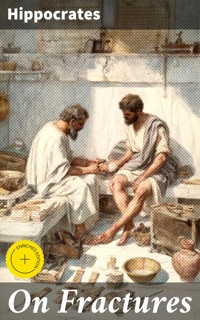
In "On Fractures," Hippocrates presents a foundational text in the field of orthopedic medicine, exploring various types of fractures, their treatment, and the healing process. With a blend of observational rigor and empirical analysis, Hippocrates employs a straightforward prose style that reflects the scientific inquiry of ancient Greece. The text not only categorizes fractures based on their complexity but also provides insightful commentary on the necessity of appropriate care and the intricacies of healing. This work is situated within a broader context of Hippocratic medicine, emphasizing a rational approach to health and disease that laid the groundwork for future medical texts. Hippocrates, often referred to as the 'Father of Medicine,' lived during the 5th century BCE and his contributions significantly shaped the practice and philosophy of medicine as we know it today. His observations and teachings drew from a wealth of clinical experience and the philosophies of his time, which may have motivated him to document comprehensive treatments for fractures'—a common ailment in the ancient world. His commitment to observation and rationality distinguishes his work from the mythological explanations prevalent in his era, emphasizing a more scientific understanding of the human body. Readers interested in the evolution of medical thought will find "On Fractures" to be not merely a technical manual but a historical document that provides valuable insights into ancient healing practices. Hippocrates' methodical approach to fractures reveals timeless principles of care that continue to resonate with modern medical practices. This text is an essential read for anyone interested in the history of medicine, orthopedic studies, or the application of empirical observation in clinical settings. In this enriched edition, we have carefully created added value for your reading experience: - A succinct Introduction situates the work's timeless appeal and themes. - The Synopsis outlines the central plot, highlighting key developments without spoiling critical twists. - A detailed Historical Context immerses you in the era's events and influences that shaped the writing. - An Author Biography reveals milestones in the author's life, illuminating the personal insights behind the text. - A thorough Analysis dissects symbols, motifs, and character arcs to unearth underlying meanings. - Reflection questions prompt you to engage personally with the work's messages, connecting them to modern life. - Hand‐picked Memorable Quotes shine a spotlight on moments of literary brilliance. - Interactive footnotes clarify unusual references, historical allusions, and archaic phrases for an effortless, more informed read.
Das E-Book können Sie in Legimi-Apps oder einer beliebigen App lesen, die das folgende Format unterstützen:
Veröffentlichungsjahr: 2021
Ähnliche











On Fractures
Table of Contents
Introduction
"The physician must be able to take a history, prescribe medication, and perform surgery; otherwise, he is not a physician, but a mere bystander to the art of healing." This poignant quote from Hippocrates’ On Fractures encapsulates the essence of his multi-disciplinary approach to medicine, where empirical knowledge and theoretical principles coalesce. The text emerges from the depths of antiquity, yet its reflections on the healing arts resonate across centuries, urging practitioners to embrace a holistic understanding of the human body and the art of mending it.
On Fractures is widely regarded as a classic text in the annals of medical literature. Its significance transcends mere historical importance; it has enriched the fabric of both medical knowledge and literary expression. The principles and observations laid out by Hippocrates have formed the bedrock for generations of physicians and scholars, influencing their methodologies and the evolution of medical practice. Esteemed works in philosophy, ethics, and science have referenced this foundational text, marking it as a cornerstone in the literary and medical canon.
Hippocrates, often hailed as the "Father of Medicine," penned On Fractures in the 5th century BCE during a period of burgeoning inquiry into the natural world and human health. This monumental work consists of a detailed examination of fractures—an area of medicine that he meticulously dissects through observation and analysis. The text is not merely a compilation of techniques; rather, it serves as a guide to understanding the body’s responses to injury and the healing processes that follow, blending clinical observation with practical advice for practitioners in the field.
The intention behind On Fractures is to educate and equip physicians with the necessary knowledge to treat patients compassionately and effectively. Hippocrates sought to challenge the prevailing medical theories of his time by advocating for a system grounded in experience and rational assessment. By emphasizing the significance of direct observation in treatment, he encouraged future generations to embrace a philosophy rooted in both science and humanity—a philosophy that underpins the ethical practice of medicine even today.
Throughout On Fractures, Hippocrates explores diverse themes such as the importance of diagnosis, the intricacies of bone healing, and the necessity of patient care. Each chapter harmoniously intertwines practical guidelines with theoretical frames, creating a comprehensive manual that embodies both ancient wisdom and practical application. The keen observations and clinical insights laid out by Hippocrates reflect a compassionate understanding of the human condition, ultimately acknowledging the intricate relationship between mind, body, and environment.
The book stands as a testament to the triumph of medical knowledge over mysticism and superstition—a defining moment in the path toward empirical science. Hippocrates dismantled many myths surrounding illness, advocating for a practical, logic-based approach to healing. By documenting his clinical observations, he not only established a body of medical knowledge but also paved the way for evidence-based practices that would become integral to modern medicine. This transformative impact enhances the classic status of On Fractures as a seminal work in healthcare and education.
Hippocrates’ emphasis on the physician’s role in the process of healing is another salient feature of On Fractures. He delineates the responsibilities involved in caring for patients, fostering an ethical approach to medical practice that prioritizes the well-being of individuals. His insights regarding patient-centered care advocate for empathy, respect, and the significance of a strong physician-patient relationship as integral to effective treatment. The text's focus on these principles underscores its timeless relevance in contemporary medical discourse.
Moreover, the clarity and accessibility of Hippocrates’ writing contribute to the book's ongoing appeal. The straightforward prose allows both medical practitioners and lay audiences to engage with complex ideas without becoming overwhelmed. On Fractures does not only serve as a reference for physicians but also inspires patients to take an active role in their recovery. This inclusive approach encourages readers from various backgrounds to appreciate the art and science of healing, further solidifying its status as a classic.
The influence of On Fractures extends beyond its immediate medical applications. The text has also inspired a multitude of literary responses and philosophical discussions throughout history. Subsequent thinkers and writers have grappled with Hippocratic principles, reflecting on the essence of human suffering and the moral imperatives of care. By invoking Hippocrates in diverse contexts, these authors pay homage to the profound impact his work has had on shaping thoughts about life, health, and the nature of human existence.
In addition to its medical and literary significance, On Fractures provides valuable insights into the cultural and historical context of ancient Greece. The text mirrors the attitudes toward health, illness, and the human body within its society, revealing how these perspectives intersected with philosophical thought. By situating his work within the broader ethos of his time, Hippocrates not only documents the practice of medicine but also reflects upon the values and beliefs that informed its evolution.
Hippocrates' framework of diagnosis and prognosis presented in On Fractures serves as an essential pillar for the development of future medical texts. His attention to symptoms and clinical signs laid the foundation for a more structured approach to medical evaluations. This innovation marked a departure from earlier methods, showcasing the need for systematic observation in a field that had long relied on anecdotal evidence and prescriptive remedies lacking empirical backing.
As we delve into On Fractures, readers will encounter a wealth of knowledge that extends beyond physical healing. Hippocrates’ reflections touch upon psychological dimensions of injury, emphasizing the mental and emotional challenges faced by patients during recovery. His compassionate approach to the sufferings of others resonates profoundly, illustrating the timeless nature of his insights and emphasizing the importance of attending to the whole person. This holistic paradigm remains essential in contemporary healthcare discussions.
The enduring legacy of On Fractures can be felt in modern medical practice, particularly in fields that prioritize rehabilitation and recovery. The principles laid out by Hippocrates continue to inform contemporary approaches to physical therapy, emphasizing the need for gradual and supportive healing processes in managing fractures and other injuries. The book highlights the continuity of knowledge—from ancient wisdom to current practices—reaffirming the timeless nature of Hippocratic principles.
As contemporary readers engage with On Fractures, they are invited to reflect on their perceptions of health, illness, and the physician's role in society. The themes of ethical responsibility, compassion, and patient care embedded within the text challenge modern interpretations of healthcare. By prompting discussions about the moral foundations of medical practice, Hippocrates urges us to consider the broader implications of our choices as we navigate an increasingly complex medical landscape.
In conclusion, On Fractures stands as a timeless work that fuses ancient wisdom with practical insights. Its exploration of fractures and the healing process resonates deeply with both medical professionals and laypersons alike, unearthing fundamental questions about the essence of human health. The insightful observations and ethical considerations offered by Hippocrates compel readers to engage with the principles of care, empathy, and holistic healing in their own lives.
In an era where scientific advancements are continually reshaping the landscape of medicine, the relevance of On Fractures remains undeniable. Its teachings encourage a reflective approach to healthcare, one that intertwines scientific knowledge with humane practices. By revisiting this classic text, contemporary audiences can glean valuable lessons about the balance between technology and compassion, reinforcing the urgent need for an empathetic approach in the pursuit of healing.
Ultimately, On Fractures serves as both a historical document and a resounding call to action in the medical field. As we immerse ourselves in its pages, we not only pay homage to Hippocrates’ enduring legacy but also underscore the vital importance of nurturing the human spirit within the ever-evolving world of healthcare. Through this reading, audiences are beckoned to reflect, learn, and apply these timeless lessons as they forge ahead in their own journeys toward health and healing.




