


Erhalten Sie Zugang zu diesem und mehr als 300000 Büchern ab EUR 5,99 monatlich.
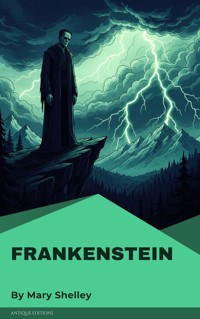
- Herausgeber: Antique Editions
- Kategorie: Gesellschafts- und Liebesromane
- Sprache: Englisch
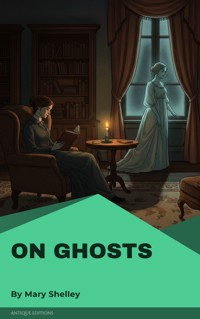
On Ghosts is Mary Shelley's fascinating essay in which she explores the art and philosophy of ghost stories and supernatural fiction. Drawing on her own experiences and literary observations, Shelley examines what makes tales of the supernatural compelling, suspenseful, and psychologically engaging. In this essay, she reflects on the origins of ghost stories, the emotional impact of fear, and the creative imagination required to craft chilling yet meaningful narratives. Offering insight into both Gothic literature and the human fascination with the unknown, On Ghosts provides a unique glimpse into the mind of one of literature's most visionary writers. Ideal for readers interested in Gothic fiction, literary theory, and the craft of storytelling, this work showcases Shelley's enduring influence on the supernatural genre.
Sie lesen das E-Book in den Legimi-Apps auf:
Seitenzahl: 13
Veröffentlichungsjahr: 2026
Das E-Book (TTS) können Sie hören im Abo „Legimi Premium” in Legimi-Apps auf:
Ähnliche





On Ghosts
Mary Shelley
About Mary Shelley
Mary Shelley (1797–1851) was an English novelist, short story writer, and essayist, best known for her groundbreaking novel Frankenstein; or, The Modern Prometheus, published in 1818. Daughter of the philosopher William Godwin and the pioneering feminist Mary Wollstonecraft, Mary Shelley grew up surrounded by radical ideas and literary inspiration.
At just 18 years old, Shelley conceived the idea for Frankenstein during a summer stay in Geneva with poet Percy Bysshe Shelley—whom she later married—and Lord Byron. The novel, blending Gothic horror with philosophical depth, is often considered the first true science fiction work. It explores themes of creation, ambition, and the consequences of humanity’s quest for knowledge.
Beyond Frankenstein, Mary Shelley wrote several other novels, including The Last Man, a dystopian tale of a future pandemic, as well as travel writings, biographies, and numerous short stories. Her works often delve into isolation, loss, and the tension between nature and scientific progress.
Mary Shelley remained a tireless editor and promoter of her husband’s poetry after his death, preserving his legacy while continuing her own literary career. Today, she is recognized not only as the mother of science fiction but also as a bold and visionary voice in 19th-century literature.
I look for ghosts—but none will force
Their way to me; 'tis falsely said
That there was ever intercourse
Between the living and the dead.
—Wordsworth




