


4,99 €
Mehr erfahren.
- Herausgeber: Bhakti Marga Publications
- Kategorie: Religion und Spiritualität
- Sprache: Englisch
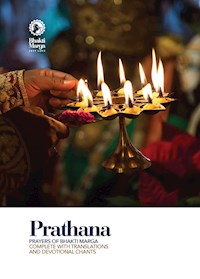
Prathana is a collection of Hindu prayers used by Bhakti Marga for daily worship. The book includes a compilation of hymns and ceremonial prayers to the Guru and Hindu Deities and their respective translations into English.
Das E-Book können Sie in Legimi-Apps oder einer beliebigen App lesen, die das folgende Format unterstützen:
Seitenzahl: 266
Veröffentlichungsjahr: 2018
Ähnliche



















Prathana: Prayers of Bhakti Marga Complete with Translations and Devotional Chants
Bhakti Marga Publications Order of the prayers, copyright © 2017-2018 Bhakti Event GmbH Artwork by Gitanjali and Makaria, copyright © 2017 Bhakti Event GmbH
All international rights reserved. English
eBook from the Fourth Edition Print version (ISBN 978-3-96343-006-0) ISBN 978-3-96343-009-1
bhaktimarga.org
Bhakti Marga Publications
Prathana
PRAYERS OF BHAKTI MARGA COMPLETE WITH TRANSLATIONS AND DEVOTIONAL CHANTS
The prayer book you are holding in your hands is an embodiment of Saraswati Devi Herself. Please take good care of Her: do not drop Her, place Her directly on the floor, or step over Her.
Table of Contents
Enjoying the Prayers of Bhakti Marga
About this Edition
The Joy of Community Prayer
MORNING PRAYERS
Guru Stotram
Paramahaṁsa Śrī Swāmī Vishwananda Aṣṭotram
Vaiṣṇava Mantra
Śrī Kṛṣṇa Suprabhātam
The Govinda Prayer
Śrī Nṛsiṁha Prayer
Śrī Viṣṇu Bhagavān Āratī
Śrī Lakṣmī Mātā Āratī
Closing Prayers
EVENING PRAYERS
Guru Stotram
Paramahaṁsa Śrī Swāmī Vishwananda Aṣṭotram
Śrī Nṛsiṁha Kavaca Stotram
Śrī Nṛsiṁha Prayer
Śrī Hanumān Cālīsā
Śrī Durgā Cālīsā
Guru Āratī
Closing Prayers
OTHER PRAYERS
Lingāshtakam
Gāyatrī Mantras
Mantra Puṣpam
108 NAMES
Paramahaṁsa Śrī Swāmī Vishwananda Aṣṭotram
Śrī Mahāvatār Bābāji Aṣṭotram
Śrī Rāmānuja Aṣṭotram
Śrī Śirḍī Sāī Aṣṭotram
Śrī Mahālakṣmī Aṣṭotram
Śrī Durgā Mātā Aṣṭotram
Śrī Sarasvatī Mātā Aṣṭotram
Śrī Kālī Mātā Aṣṭotram
Śrī Tulasī Devī Aṣṭotram
Śrī Gāyatrī Devī Aṣṭotram
Śrī Rādhikā Aṣṭotram
Śrī Gaṇeśa Aṣṭotram
Śrī Mahāviṣṇu Aṣṭotram
Śrī Kṛṣna Aṣṭotram
Śrī Nṛsiṁha Aṣṭotram
Śrī Rāma Aṣṭotram
Śrī Hanumān Aṣṭotram
Śrī Śiva Aṣṭotram
Śrī Viśvakṣena Aṣṭotram
ARATI
Śrī Viṣṇu Bhagavān Āratī
Śrī Ṣirḍi Sāī Bābā Āratī 1
Śrī Ṣirḍi Sāī Bābā Āratī 2
Śrī Lakṣmī Mātā Āratī
Śrī Durgā Devī Āratī
Śrī Kālī Mātā Āratī
Śrī Gāyatrī Devī Āratī
Śrī Kṛṣṇa Āratī
Cākara Rākho Jī Giridhāri Lāla
Śrī Śiva Āratī
DEVOTIONAL CHANTS
Pranāma
Śrī Sūktam
Puruṣa Sūktam
Śrī Viṣṇu Sahasranāma Stotram
Nārāyaṇa Sūktam
Nārāyaṇa Upaṇiṣad
Kṣamā Prārthanā
ENJOYING THE PRAYERS OF BHAKTI MARGA
Our life path in Bhakti Marga is one of devotion, and that’s the reason we begin and end each day with prayers to the Divine.
Our morning and evening prayers allow us to pray from the heart through the bhajans we sing. Why is music such an important element of our prayer time? Music is the language of the soul and music allows devotion to flow more easily by engaging our hearts.
In addition to music, by understanding the intention and meaning of these prayers, we are able to connect more deeply from the heart so that we can pour our love into the prayer itself.
For example, the Krishna Suprabhatam: Suprabhatam means ‘auspicious dawn’ and this is sung in the morning. It is a prayer to gently wake up the deity within our hearts and also to awaken the deity upon the altar. We literally sing our beloved deity awake and welcome Him into our lives each morning.
The Govinda Prayer: This is a small part of the Brahma Samhita which is a song that was composed by Brahma in praise and love to Krishna. It came about when Brahma, having been thwarted in his efforts to play a trick on Krishna, realises the magnificence of who Krishna really is: the Lord of all creation and all the gods. This song recognises Krishna’s many forms of divinity and opulence.
The Narasimha Kavacham: Narasimha is an incarnation of Narayana who incarnated to save His beloved devotee, Prahlad. Kavacham means ‘armour’ and by singing it, we seal ourselves from negativity inwardly and externally which helps us on our spiritual path. When we sing the Narasimha Kavacham, we can imagine ourselves asking Narasimha to protect our minds and bodies so that we may manifest the perfect Love that Prahlad had, and infuse it into our day’s service to the Lord.
Arati: Performed at the end of prayers, we now see the beauty of the Lord in all His glory. We circle the light around the deity to remind us that God is the centre of all things in life; He is the Divine Light of spiritual knowledge deep within us which we also offer to Him. We gesture to the arati light: to our eyes so that our limited vision may be clear, and to our heads so that our negative, judging thoughts may be transformed.
Guruji’s wish is that everyone participates during prayers by singing and clapping to stay focused. Prayer is not a time for meditation, ‘zoning out’ or catching up on your Facebook or Telegram. Sing, clap and even dance a bit if you wish. The shift from mind to heart is worth the time you give your full focus to these special prayers, and will bring you great benefits, if you let it do its work. But for that, you have to be devoted, focused, and surrendered.
We hope you enjoy morning and evening prayers, not only at Shree Peetha Nilaya, but at Bhakti Marga temples all over the world!
ABOUT THIS EDITION
Please note that we have made an effort to update and correct each word of our prayers, so you may find a few changes to some words that you have previously learned by heart.
For example, our Closing Prayers on page 31 and 54 include the Maha Sudarshana Mantra (changes shown in bold):
oṁ klīṁ kṛṣṇāya govindāya gopījana-vallabhāya / parāya parama-puruṣāya / parakarma mantra yantra tantra auṣadhāstra śaṣtrāṇi /saṁhara saṁhara mṛtyor mocāya mocāya / oṁ namo bhagavate mahā sudarśanāya dīpte jvāla prītāya sarvadik-kṣobhaṇa huṁ phaṭ / parasmai parabrahmaṇe paraṁjotiṣe / svāhā
Sanskrit is an ancient Indian language considered to be the ‘language of gods’.
Each letter is a manifestation of a cosmic divine sound and so its correct pronunciation is associated with a unique sacred vibration. That’s why this new edition of ‘Prathana’ has a feature designed to help you pronounce all the words correctly and consistently.
It shows all Sanskrit words transliterated according to the International Alphabet of Sanskrit Transliteration (IAST).
The IAST alphabet uses a combination of Latin letters and dashes, dots, accents, hyphens and tilde to indicate the sounds of the Sanskrit alphabet. Though at first the prayers might seem more complicated than what you may be accustomed to, over time these symbols will actually help you pronounce the Sanskrit more accurately.
Since this is prayer book and not a study guide, if you’d like more precise instructions on how to pronounce the Sanskrit, please refer to the pronunciation guide found in Bhakti Marga’s Shreemad Bhagavad Gita: Verses and Translations. In the future, the Bhakti Marga Academy will be offering courses and materials on Sanskrit chanting and pronunciation as well.
THE JOY OF COMMUNITY PRAYER
FIVE GUIDELINES FOR COMMUNITY PRAYERS AT SHREE PEETHA NILAYA, SPRINGEN
Based on the teachings of Paramahamsa Sri Swami Vishwananda and Saint Theophane the Recluse:
PLACE COMMUNITY PRAYER OVER WORK
Work is successful if God’s blessing is upon it. Don’t allow the urge to miss this or that Divine Service (established by the Ashram rule) tempt you because of a need to complete necessary work. Remember that any work cannot be successful if God’s blessing is not upon it, and that blessing must be called down from Heaven. When the blessing has been sought, one hour takes the place of a whole day’s labor; without the blessing, everything falls apart.
PLACE COMMUNITY PRAYER OVER PERSONAL PRAYER
Community prayer is stronger than personal prayer. Don’t be tempted to yield to the artificially attractive idea of staying in your room while the others are going to Church/Temple, out of the wish to pray with a little more fervency in solitude. When there is community prayer everyone has to go there. Personal prayer everyone can do at anytime; to do it during community prayer is fruitless because one is breaking the first rule itself, the rule of obedience.
Mutual Love is stronger: ‘Where two or three are gathered in My Name’, says the Lord, ‘there am I in the midst of them’, and where there is God, there is every spiritual good. In community prayer people forget about their own egoistical pride for themselves and are concentrating on the Divine.
Very often the mind tries to find excuses not to do it. The one who is at loss is the person having such thoughts. It’s better to set yourself a rule once and for all never to yield to such a thought.
ATTEND THE FULL PRAYER
Don’t be tempted to indulge yourself in not coming to the Church/Temple in the beginning of service or leaving before it is over. Remember, each service is a complete unit and can provide its full benefit only in its entirety.
BE ATTENTIVE, BE PRESENT AND PARTICIPATE
One must go to prayer not inattentively, but as one should. Entering the Church/Temple, we must put on reverence like a garment, remembering to Whom we are coming and to Whom we intend to address our prayers. In this way, we won’t be bored in Church/Temple, looking here and there and starting conversations, but also doing kriyas, japa, meditating (i.e. personal prayer), etc. and we won’t be wishing that the service be over soon.
Instead, passing from one prayerful feeling to another and from one reverent thought to the next, we will be like those in a fragrant garden, moving from one group of flowers to another. Consequently, spiritual warmth, which is the fruit of attentive prayer, will fill our hearts with ineffable sweetness.
Using Church/Temple service as we should, we will gain, little by little, the main thing for which the visible Church/Temple is given to us – that is, continuous mental prayer to God in our heart, which makes of our heart a temple of God not built by human hands.
BE DISCIPLINED
Change comes with discipline. Really want God, don’t pretend, don’t ‘bluff’ that you want Him. The one who comes to all the services without fail and listens to them as one should can easily attain the highest priceless spiritual goods. He/she doesn’t have to add much to this labor of uninterrupted attendance at Church/Temple; but he/she must take care to preserve unextinguished the warmth of heart which is ignited in Church/Temple through preservation of attention, by which his/her soul is blessed.
Through these labors, the soul will be sanctified more and more with the blessed presence of God, which raises the mind to God and lifts the heart with delightful sighing: this, really, is uninterrupted prayer.
Morning Prayers
Guru Stotram
Paramahaṁsa Śrī Swāmī Vishwananda Aṣṭotram
Vaiṣṇava Mantra
Śrī Kṛṣṇa Suprabhātam
The Govinda Prayer
Śrī Nṛsiṁha Prayer
Śrī Viṣṇu Bhagavān Āratī
Śrī Lakṣmī Mātā Āratī
Closing Prayers
Mahā Sudarśana Mūla Mantra
OṂ OṂ OṂ
GURU STOTRAM
akhaṇḍa maṇḍalākāraṁ vyāptaṁ yena carācaram tat padaṁ darśitaṁ yena tasmai śrī gurave namaḥ
My salutations to that Guru who revealed to me that truth, which is unfragmented, infinite, timeless divinity, and which pervades the entire universe, movable or immovable.
ajñāna timirān dhasy jñānāñjana śalākayā cakṣur unmīlitaṁ yena tasmai śrī gurave namaḥ
My salutations to that reverential teacher, who opened my eyes by applying the Divine collyrium of Self-knowledge in my eyes, which had been blinded by the cataract of ignorance.
gurur brahmā gurur viṣṇuḥ gurur devo maheśvaraḥ gurur sākṣāt paraṁ brahma tasmai śrī gurave namaḥ
Guru Himself is the creator, sustainer and the destroyer. He is verily the very transcendental divinity (the timeless life-principle, which is the very essence of the Creator). My reverential salutations to that glorious teacher.
sthāvaraṁ jaṅgamaṁ vyāptaṁ yat kiñcit sacarācaram tat padaṁ darśitaṁ yena tasmai śrī gurave namaḥ
My salutations to that reverential teacher, who revealed to me that which pervades everything in this world, whether animate-inanimate or movable-immovable.
bābāji vyāpi yatsarvaṁ trailokyaṁ sacarācaram tat padaṁ darśitaṁ yena tasmai śrī gurave namaḥ
My salutations to that glorious Guru, who revealed to me that self-effulgent divinity (the pure unconditioned consciousness) which pervades all the three worlds, with all its movable and immovable objects.
sarva śruti śiroratna virājita padāmbujaḥ vedāntām bujasūryo yaḥ tasmai śrī gurave namaḥ
My salutations to that reverential teacher, who islike a Sun for the blossoming up of the lotus-likemantras of Upanishads and at whose Lotus Feetlie the beautiful flowers, symbolising the best ofthe jewels of the Vedas.
caitanyaḥ śāśvataḥ śānto vyomātīto nirañjanaḥ bindunāda kalātītaḥ tasmai śrī gurave namaḥ
My salutations to that reverential teacher, who is verily the eternal consciousness. He who is beyond ether, beyond Bindu, Nada and Kala – the subtle aspects of the mystic syllable ‘Om’.
jñāna śakti samārūḍhaḥ tattva mālā vibhuṣitaḥ bhukti mukti pradātā ca tasmai śrī gurave namaḥ
My salutations to that glorious Gurudev, who is established in knowledge and power, who is adorned with the garland of knowledge and who grants both worldly prosperity and spiritual liberation.
anekajanma samprāpta karma bandha vidāhine ātma jñāna pradānena tasmai śrī gurave namaḥ
My salutations to that reverential teacher who by imparting the Self-knowledge, has swiftly burnt away the bondage of karma which had taken so many lives to accumulate.
śoṣaṇaṁ bhava sindhoś ca jñāpanaṁ sāra sampadaḥ guroḥ pādodakaṁ samyak tasmai śrī gurave namaḥ
I bow to the Divine Guru whose grace dries up the ocean of seeking and the subsequent sorrows and makes one realise the supreme truth. My salutations to the Lotus Feet of that glorious Gurudev.
na guror adhikaṁ tattvaṁ na guror adhikaṁ tapaḥ tattva jñānāt paraṁ nāsti tasmai śrī gurave namaḥ
There is no higher truth than the Guru, no higher penance than service to the Guru, and there is nothing higher than realisation of the knowledge of the truth imparted by the Guru. My salutations to such a Gurudev, who is Himself that very timeless truth.
mannāthaḥ śrī jagannāthaḥ madguruḥ śrī jagadguruḥ mamātmā sarva bhutātmā tasmai śrī gurave namaḥ
My Lord is the Lord of the universe; my teacher is the teacher of the entire universe and my self is the Self of all. My salutations at the Lotus Feet of such a Guru, who has revealed such knowledge to me.
gurur ādiranā diś-ca guruḥ parama daivatam guroḥ parataraṁ nāsti tasmai śrī gurave namaḥ
The Guru is the beginning of the universe, yet He Himself is without beginning; the Guru is the highest Deity, and there is none higher than the Guru. My reverential salutations at the Lotus Feet of the Divine Guru.
tvam eva mātā ca pitā tvam eva tvam eva bandhuś ca sakhā tvam eva tvam eva vidyā draviṇaṁ tvam eva tvam eva sarvaṁ mama deva deva (2)
Oh Lord! You alone are my mother, my father, my brother and my friend. You alone are the knowledge, my real wealth. You are everything for me. You are verily my God alone.
PARAMAHAṀSA ŚRĪ SWĀMĪ VISHWANANDA AṢṬOTRAM
01 oṁ mahāvatāra śiṣyāya namaḥ
Salutations to He who is Mahavatar Babaji’s disciple
02 oṁ viṣamāya namaḥ
Salutations to He who is unequalled
03 oṁ devakārya samudyatāya namaḥ
Salutations to He who has been born for a Divine purpose
04 oṁ sūkṣma tanave namaḥ
Salutations to He who has a mystical form
05 oṁ cinmayāya namaḥ
Salutations to He who is pure awareness
06 oṁ guru mūrtaye namaḥ
Salutations to He who is a Divine teacher
07 oṁ sundarāya namaḥ
Salutations to He who is delightful
08 oṁ sulocanāya namaḥ
Salutations to He whose eyes sparkle with the light
09 oṁ sumukhāya namaḥ
Salutations to He who has a beautiful face and calm repose
10 oṁ cāru hāsāya namaḥ
Salutations to He who has a radiant smile
11 oṁ keśavāya namaḥ
Salutations to He who has beautiful hair
12 oṁ padmāmbhujāya namaḥ
Salutations to He who has lotus-like feet
13 oṁ manda gamanāya namaḥ
Salutations to He who walks gracefully
14 oṁ cāruṁbara dhārine namaḥ
Salutations to He who is splendidly attired
15 oṁ rāmāya namaḥ
Salutations to He who has compelling charm
16 oṁ mandira sthāpakāya namaḥ
Salutations to He who has established temples
17 oṁ ṣirḍi bābārcakāya namaḥ
Salutations to He who venerates Shirdi Sai Baba
18 oṁ gāyatrī yajvane namaḥ
Salutations to He who devotedly performs the Gayatri yagna
19 oṁ arpaṇa svīkārakāya namaḥ
Salutations to He who assumes the karmas
20 oṁ viṣṇu pūjakāya namaḥ
Salutations to He who worships Lord Vishnu
21 oṁ namo nārāyaṇāyeti mantropāsakāya namaḥ
Salutations to He who devotedly recites the Om Namo Narayanaya mantra
22 oṁ svaramayāya namaḥ
Salutations to He who revels in chanting sacred sounds
23 oṁ madhura kaṇṭhāya namaḥ
Salutations to He who has a melodious voice
24 oṁ kṛṣṇa saṁkīrtana lolupāya namaḥ
Salutations to He who is absorbed in the loving chants of Lord Krishna
25 oṁ stotra priyāya namaḥ
Salutations to He who loves Divine hymns of praise
26 oṁ mita bhāṣine namaḥ
Salutations to He who is a man of few words
27 oṁ vāgmine namaḥ
Salutations to He who is eloquent
28 oṁ citrakalā viśāradāya namaḥ
Salutations to He who excels in the art of painting
29 oṁ vrata dhārāya namaḥ
Salutations to He who keeps his word faithfully
30 oṁ sādhave namaḥ
Salutations to He who lives righteously
31 oṁ jagat pānthāya namaḥ
Salutations to He who travels extensively to meet His devotees
32 oṁ sarva loka hitāya namaḥ
Salutations to He who is benevolent
33 oṁ bhakta priyāya namaḥ
Salutations to He whom the devotees adore
34 oṁ suhṛdāya namaḥ
Salutations to He who is a true friend
35 oṁ anukūlāya namaḥ
Salutations to He who is the well-wisher of His devotees
36 oṁ neyāya namaḥ
Salutations to He who is a guide who leads seekers to reality
37 oṁ sudarśanāya namaḥ
Salutations to He who is easily approachable
38 oṁ bhakta vatsalāya namaḥ
Salutations to He who is compassionate to His devotees
39 oṁ prema mūrtaye namaḥ
Salutations to He who is Love personified
40 oṁ śubhekṣaṇāya namaḥ
Salutations to He whose gaze evokes a stream of Love in the devotee
41 oṁ prīti vardhanāya namaḥ
Salutations to He who increases love in the devotees heart
42 oṁ svasti dāyakāya namaḥ
Salutations to He who bestows auspiciousness on sincere devotees
43 oṁ tārakāya namaḥ
Salutations to He who helps devotees cross the ocean of samsara
44 oṁ anugrahāya namaḥ
Salutations to He who showers Grace on His devotees
45 oṁ vardhanāya namaḥ
Salutations to He who nourishes His devotees
46 oṁ arcitāya namaḥ
Salutations to He who is worshipful
47 oṁ arthāya namaḥ
Salutations to He whom devotees worship
48 oṁ siddhi pradāya namaḥ
Salutations to He who grants success
49 oṁ janārdanāya namaḥ
Salutations to He who blesses His devotees with joy and peace
50 oṁ manoharāya namaḥ
Salutations to He who draws the attention of the devotees and grants them love and bliss
51 oṁ mahākṣāya namaḥ
Salutations to He who perceives the thoughts and feelings in the bosom of His devotees
52 oṁ siddheśvarāya namaḥ
Salutations to He who is endowed with spiritual powers
53 oṁ bhasma bhūṣitāya namaḥ
Salutations to He whose form shines immaculately in white ashes
54 oṁ ātma liṅgāya namaḥ
Salutations to He to whom the linga represents Atman the Self
55 oṁ liṅgārcana protsāhakāya namaḥ
Salutations to He who encourages the worship of Lord Shiva in the form of the linga
56 oṁ siddhi sādhanāya namaḥ
Salutations to He who is the secret force which enables the seekers to diligently continue their efforts in spiritual practice
57 oṁ mādhavāya namaḥ
Salutations to He who helps the seeker in meditation
58 oṁ oṁkāropāsakāya namaḥ ̣
Salutations to He whose chanting of Om resonates through the devotee’s heart
59 oṁ sūkṣmāya namaḥ
Salutations to He who is supremely subtle
60 oṁ viśokāya namaḥ
Salutations to He who is devoid of sorrow
61 oṁ sāttvikāya namaḥ
Salutations to He who is full of tranquility and peace
62 oṁ sama darśine namaḥ
Salutations to He who has equal vision
63 oṁ dakṣāya namaḥ
Salutations to He who is alert attentive and vigilant,
64 oṁ acintyāya namaḥ
Salutations to He who is unfathomable
65 oṁ nir-ahaṁkārāya namaḥ
Salutations to He who has transcended the ego
66 oṁ nir-mohāya namaḥ
Salutations to He who is without delusion
67 oṁ avyagrāya namaḥ
Salutations to He who is undisturbed
68 oṁ jita krodhāya namaḥ
Salutations to He who has conquered anger
69 oṁ vinaya śīlāya namaḥ
Salutations to He who shows supreme humility
70 oṁ svavaśāya namaḥ
Salutations to He who is the master of His situation
71 oṁ kuśalāya namaḥ
Salutations to He who is skilled in action
72 oṁ kṣamāya namaḥ
Salutations to He who is effective in all His undertakings
73 oṁ satya dharmāya namaḥ
Salutations to He who practices the true dharmas of kindness, non-injury and charity
74 oṁ nir-vikalpāya namaḥ
Salutations to He who is free from disturbing thoughts
75 oṁ viraktāya namaḥ
Salutations to He who is devoid of attachment
76 oṁ atindrāya namaḥ
Salutations to He who has transcended the mind
77 oṁ satya sandhāya namaḥ
Salutations to He who is fully integrated
78 oṁ pavitrāya namaḥ
Salutations to He who is pure
79 oṁ madhura svabhāvāya namaḥ
Salutations to He who is affable
80 oṁ surānandāya namaḥ
Salutations to He who brings happiness to devotees
81 oṁ nandanāya namaḥ
Salutations to He who is free from the limitations of worldly pleasures
82 oṁ prasannātmane namaḥ
Salutations to He who is an embodiment of bliss
83 oṁ bhakta nidhaye namaḥ
Salutations to He who is a treasure house to a devotee who can always draw on His kindness
84 oṁ sākṣaye namaḥ
Salutations to He who witnesses pairs of opposites
85 oṁ samātmaye namaḥ
Salutations to He who is equally in all and equal to all
86 oṁ sadā yogine namaḥ
Salutations to He who is ever in yoga, detached from ephemeral and identifying with the eternal
87 oṁ haraye namaḥ
Salutations to He who destroys false values and inner conflicts
88 oṁ sutapāya namaḥ
Salutations to He whose tapas grants creative thinking and wonderful sense control
89 oṁ saumyāya namaḥ
Salutations to He who is calm
90 oṁ guhyāya namaḥ
Salutations to He who is both mysterious and profound
91 oṁ vimukta-atmāya namaḥ
Salutations to He who is free from conditioning of both body, mind and intellect
92 oṁ gabhīrāya namaḥ
Salutations to He whose wisdom and strength cannot be understood by the human intellect
93 oṁ guptāya namaḥ
Salutations to He who cannot easily be understood through mere words
94 oṁ ātma rāmāya namaḥ
Salutations to He who rejoices in the Self
95 oṁ śrī nivāsāya namaḥ
Salutations to He who abides in those with purified hearts
96 oṁ devāya namaḥ
Salutations to He who is resplendent
97 oṁ dyutidharāya namaḥ
Salutations to He whose glow of beauty and strength shines
98 oṁ dhanyāya namaḥ
Salutations to He who is ever content
99 oṁ gurave namaḥ
Salutations to He who is the Divine teacher who dispels the darkness of ignorance
100 oṁ durati kramāya namaḥ
Salutations to He who one finds it difficult to disobey
101 oṁ gahanāya namaḥ
Salutations to He who is inconceivable
102 oṁ bhagavate namaḥ
Salutations to He who emanates Divine glory
103 oṁ hari śaraṇa mārga darśakāya namaḥ
Salutations to He who encourages the path of surrender
104 oṁ kūṭastha jāgartakāya namaḥ
Salutations to He who awakens the Divine chakra located between the eyebrows
105 oṁ abhiprāyāya namaḥ
Salutations to He who embraces all religions
106 oṁ sarvamata samatyāya namaḥ
Salutations to He who preaches equality of all faiths
107 oṁ kṣamaikatā bhāva vardhakāya namaḥ
Salutations to He who espouses patience and unity
108 oṁ premāvatāra śrī vishwananda svāmine namaḥ
Salutations to Sri Swami Vishwananda who is Love incarnate!
VAIṢṆAVA MANTRA
ato̍ de̱va a̍vantu no̱ yato̱ viṣṇu̍r vicakra̱me pṛthi̱vyaḥ sa̱pta dhama̍bhiḥ
May the demigods preserve us on the Earth whence Vishnu (aided) by the seven metres, stepped.
i̱daṁ viṣṇu̱r vica̍krame tre̱dha nida̍dhe pa̱dam samu̍ḍham asya pā(g)m̐ su̱re
Vishnu walked across this whole world; three times He planted His foot, and the whole world was collected in the dust of His footstep.
trīṇi̍ pa̱da vica̍krame̱ viṣṇu̍r go̱pa ada̎bhyaḥ ato̱ dharma̍ṇi dha̱rayan̍
Vishnu, the preserver, the invincible, stepped three steps, thereby upholding righteous acts.
viṣṇo̱ḥ karma̍ṇi paśyata̱ yato̎ vra̱tani̍ paspa̱śe indra̍sya̱ yujya̱s-sakha̎
Behold the pastimes of Lord Vishnu, through which (the devotee) accomplishes pious activities. That devotee is the worthy friend of Indra.
tad viṣṇo̎ḥ para̱maṁ pa̱da(g)m̐ sadā paśyanti sūraya̍ḥ di̱vīva̱ cakṣu̱r āta̍tam
Just as the sun’s rays in the sky are visible to an average person, in the same way the wise and learned devotees always see the abode of Lord Vishnu.
tad viprāso vipa̱nyavo jāgṛvā(g)m̐ saḥ sami̍ndhate viṣṇo̱r yat pa̍ra̱maṁ pa̱dam
Because those highly praiseworthy and spiritually awake devotees can see the spiritual world, they are also able to reveal that supreme abode of Lord Vishnu.
GĀYATRĪ MANTRA OF PARAMAHAMSA VISHWANANDA
oṁ premāvatārāya vidmahe sadgurudevāya dhīmahi tanno vishwananda pracodayāt
We meditate on the Premavatar (incarnation of Love), we fix our minds on the Satguru. May Sri Swami Vishwananda inspire us.
GANEŚA MANTRA
oṁ vakratuṇḍa mahākāya sūryakoṭi samaprabhā nirvighnaṁ kurume deva sarva-kāryeṣu sarvadā
Oh Lord Ganesha, of curved trunk, large body and with the brilliance of a million suns please make all my works free of obstacles, always.
GĀYATRĪ MANTRA
oṁ bhūr bhuvaḥ suvaḥ tat savitur vareṇyaṁ bhargo devasya dhīmahi dhiyo yo naḥ pracodayāt
Oh Divine Mother, we meditate on Thee as the Supreme Light that illumines the earth, the sky and the heavens, the adorable Sun of Divine Consciousness that illumines the Devas and dissipates all darkness and ignorance. Through Thy Grace may You enlighten our intellect and awaken the same brilliant Divine Light in us.
ŚRĪ KṚṢṆA SUPRABHĀTAM
śrī kṛṣṇa viṣṇu madhu sūdana kaiṭabhāre nārāyaṇācyuta tri-vikrama cakra-pāne daityādi sārja dhara śrī dhāra vāsudeva gopāla kṛṣṇa haraye tava suprabhātam
Oh Sri Krishna, Vishnu, vanquisher of the demon Madhu, enemy of demon Kaitthaba, Narayana, Achyuta, Trivikrama, holder of Sudharshana disc, who prevails over all demons, holder of lotus, Sridhara, son of Vasudeva, protector of cows, Oh Hari. ‘May it be an auspicious dawn to Thee.’
śrī rukmiṇīśa bhava nāśa hare murāre rādheṣa gopeṣa surūpa brahmādi vandya śrī dvārakāśraya vaikuṇṭha pate bhuvanaika mūrte gopāla deva haraye tava suprabhātam
Oh husband of queen Rukmini, destroyer of material distress, Hari, Murari, beloved of Radha, who appeared as a child of cowherdman, who is worshipped by all Devas headed by Lord Brahma, King of Dwaraka and Lord of Vaikunta, leader of the worlds, protector of cows, Oh Hari. ‘May it be an auspicious dawn to Thee.’
mīnākṛtekamaṭha-rūpa varāha mūrte trai-vikramāya guhane bṛḥ rāma rāma śrī rāmakṛṣṇa yadu nandana kalki rūpa gopāla kṛṣṇa haraye tava suprabhātam
You incarnate in different forms including, Fish, Tortoise and Boar, as Trivikrama, Parashurama, Sri Rama, Balarama, Sri Krishna, son of Nanda and in future as Kalki, Gopala Krishna, Oh Hari. ‘May it be an auspicious dawn to Thee.’
govinda mādhava mukunda parāt pareśa dāmodarābja dhara nandaka dhāri śauri gogopa gopijana sambṛta dhīna bandho gopi janapriya haraye tava suprabhātam
Oh Govinda, Madhava, bestower of Mukti or liberation, You who is mightier than the mightiest, known as Damodara (who is bound by the rope of love of mother Yashoda), who carries the Nandaka sword and lotus, who loves the company of cows, cowherd men and women, who is the true friend of all, beloved of the Gopis of Vrindavana village, Oh Hari. ‘May it be an auspicious dawn to Thee.’
kṣīrābdhiśāyin bhujagādhi patalpaśāyin sat bhakta hṛt sadhanaśāyin ramāṅgaśāyin śrī gopa bhāma mṛdu talpa sukādhīśāyin gogopa vallabha haraye tava suprabhātam
You, who takes rest on the serpent of Seshanaga in the ocean of milk, on a leaf of Pipal tree (during the great deluge), who stays in the loving hearts of dear devotees, who enjoys resting with beloved consorts, who is dear to cows and cowherd boys, Oh Hari. ‘May it be an auspicious dawn to Thee.’
śrī kaśyapātri sukha nārada gautamādi brahmaṛṣi saṅgamani saṅgava bhāra teśauḥ tiṣṭanti deva tava darśana bhagya hetoḥ gopāla sekara haraye tava suprabhātam
You, who is revered by great sages like Kasyapa, Athri, Sukha, Narada, Gautama. They consider it their great fortune to have the opportunity to look at You, the crown jewel of the cowherd boys, Oh Gopala. ‘May it be an auspicious dawn to Thee.’
mandhārajādhi tulasī dala mallikādyaiḥ mālyāni añjali pute samūdhā haranti tiṣṭanti tvat bhavata dhāra tale munīndraḥ rādhā manohara haraye tava suprabhātam
The great sages have brought garlands made of Tulasi and different fragrant flowers like Mandara, Jadhi, Mallika, etc. They happily await with folded hands to offer them to You, the beloved of Radha, Oh Hari. ‘May it be an auspicious dawn to Thee.’
vedatrayam patati gautama kannaguhyāḥ gayanti sat guṇa gaṇau varadāsa vargāḥ sankīrtayanti tava nāma kadhāvi śeṣāḥ śrī nāradādi ṛṣayā tava suprabhātam
The sages headed by Narada recite the three Vedas, Your dear devotees glorify through songs Your wonderful attributes while others in the group chant Your holy Names, Oh Hari. ‘May it be an auspicious dawn to Thee.’
govardhano dharaṇa gopa kiśora gopa gopi janāmṛta suveṣa bhavābdi pota trilokya mohana sumaṅgala divya deha śrī rukmiṇīśa varadha tava suprabhātam
You who protected the cowherd boys, men and women by lifting the Govardana Hill during the rainstorm, You relieve the material distress, You are the enchanter of the three worlds, having an auspicious Divine form, husband of queen Rukmini, Oh You who grants wishes. ‘May it be an auspicious dawn to Thee.’
śrī vatsa cina śaraṇāgata pārijāta bhaktārti bhañjana kṛpākara dhīna-bhando dityānta gāyati janapriya divya rūpa śrī nanda gopa tanayā tava suprabhātam
You who has the mark of Srivatsa on the chest, who gives shelter to those seeking refuge, caretaker of His devotees, who is ever kind, true friend of every being, destroyer of demons, whose Divine form is glorified by devotees, Oh son of Nandagopa, Oh Hari. ‘May it be an auspicious dawn to Thee.’
padmākṣa padma-mukha padma-dharā prameya padmālayāsra hṛta-padma nivāsa śauri padmodbhavāti surasevita pāda-padma padmādhi nātha haraye tava suprabhātam
You who has lotus-like eyes, a lotus-like face, holds a lotus, wears a lotus garland, stays in the lotus- like hearts of devotees, who is unlimited and is glorified by great personalities like Lord Brahma, Oh Hari. ‘May it be an auspicious dawn to Thee.’
vṛndātale viharanāya mahendra vandyā kandarpa darpa hara tinya sudheśa rūpa candrā nanāya sidha candana lipna dehā govinda yādhava haraye tava suprabhātam
You who resides in Vrindavana, who is worshipped by the great Indra (king of the Devas), the beauty of whose Divine body easily destroys the pride of Cupid, who has a moon-like face, whose body is decorated with the paste of fragrant sandalwood, Oh Govinda of Yadhu dynasty, Oh Hari. ‘May it be an auspicious dawn to Thee.’
śrī nanda nandana yaśodā kumāra dhīrā maīyānga dhinada vicona supuṣpa hārā nīlam bhudhāḥ su śarīra ramā vihārā gopāla deva haraye tava suprabhātam
You, the brave son of Nanda and Yashoda, who wears a garland of wonderful flowers, whose bodily hue is like a blue lotus, who is the abode of the Goddess of fortune, Oh Gopala, Hari. ‘May it be an auspicious dawn to Thee.’
śrībhai śrījān bhavati satya suganti bhadrā śrī mitravinda divasaḥ prabhū putṛ kādhyaiḥ tiṣṭanti divya bhavame tava seva nārdham gopi mana priya haraye tava suprabhātam
You whose many consorts including Satya, Bhadra, Mitravinda, etc., await to serve You personally in Your Divine abode, who is the beloved of the Gopis, Oh Hari. ‘May it be an auspicious dawn to Thee.’
śrī kṛṣṇa acyuta ananta mukunda śauri rādhā manohara janārdana cakrapāne nāmāni divya munai-yurna niśam vadanti brāhmi muhūrta samaye tava suprabhātam
Sri Krishna, Achyuta, Ananta, Mukunda, Sauri, beloved of Radha, shelter for all, holder of Sudharshana disc, addressing You always with such Divine names, the sages glorify You at Brahma muhurta (early dawn), Oh Hari. ‘May it be an auspicious dawn to Thee.’
śrī kṛṣṇa suprabhātam ye pathanti aharniśam bhūri kṛtān mahā pāpān śrī kṛṣṇar-graha hetukam
Those who regularly read or recite this Sri Krishna Suprabhatam, by the Grace of Lord Sri Krishna, will become absolved of the bad karma of impious deeds and will achieve fulfillment in their lives.
THE GOVINDA PRAYER
FROM THE ŚRĪ BRAHMA SAMHITĀ
iśvaraḥ paramaḥ kṛṣṇaḥ saccitānanda vigrahaḥ anādir ādir govindaḥ sarva-kāraṇa-kāraṇam govindam ādi-puruṣaṁ tam ahaṁ bhajāmi (2)
Supreme Lord Krishna, Govinda, the One whose body is consciousness, existence and eternity. He is the origin of all, and has no origin. He is the cause of all causes.
cintāmaṇi-prakara-sadmasu kalpa-vṛkṣa lakṣāvṛteṣu surabhīr abhipālayantam lakṣmī sahasra-śata sambhrama-sevyamānaṁ govindam ādi-puruṣaṁ tam ahaṁ bhajāmi (2)
I worship Govinda, the Primeval Lord, the first progenitor who is tending the cows, yielding all desire, in abodes built with spiritual gems, surrounded by millions of trees, always served with great reverence and affection by hundreds of thousands of Lakshmis or gopis.
veṇuṁ kvaṇantam aravinda-dalāyatākṣaṁ barhāvataṁsam asitāmbuda-sundarāṅgam kandarpa koṭi-kamanīya viśeṣa-śobhaṁ govindam ādi-puruṣaṁ tam ahaṁ bhajāmi (2)
I worship Govinda, the Primeval Lord, who is adept in playing on His flute, with blooming eyes like lotus petals, with a head bedecked with




