


5,49 €
Mehr erfahren.
- Herausgeber: Shuttle Systems Ltd
- Kategorie: Fachliteratur
- Sprache: Englisch
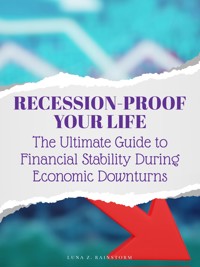
"Fortify your financial future by understanding and navigating the complex world of recessions."
Navigate uncertain financial waters with "Recession-Proof Your Life," a comprehensive guide to understanding, preparing for, and surviving economic downturns. Gain a thorough understanding of the history, causes, and consequences of recessions, as well as strategies to protect your finances, career, and emotional well-being.
Explore the history of major recessions, such as the Great Depression and the 2008 financial crisis, and learn valuable lessons from each event. Understand the definition and indicators of a recession, as well as the economic cycles that lead to these downturns.
Discover the various types of recessions, such as demand-side, supply-side, and financial crises, and learn about the impact of recessions on employment, housing, small businesses, and more. Uncover the role of government in managing recessions, as well as the influence of international recessions and globalization on the economy.
Examine the psychological aspects of recessions, including fear, uncertainty, and the importance of maintaining optimism during challenging times. Learn effective strategies for surviving a recession, from budgeting and finding alternate sources of income to protecting your assets and investments.
Tackle job loss and unemployment during recessions with practical coping strategies and tips for finding new employment opportunities. Adapt your business or start a new one during an economic downturn by pivoting your business model and identifying growth opportunities.
Understand how recessions impact education, healthcare, mental health, social justice, and retirement. Find out how communities and governments respond to recessions, and learn about available resources and support programs.
Master the art of investing during a recession, with a focus on risk management and diversification. Prepare for future recessions by learning from past experiences and embracing innovation.
In "Recession-Proof Your Life," you'll find a wealth of knowledge, tips, and strategies to help you face economic uncertainty with confidence. Become financially resilient and well-prepared for any economic challenge that comes your way.
Das E-Book können Sie in Legimi-Apps oder einer beliebigen App lesen, die das folgende Format unterstützen:
Veröffentlichungsjahr: 2023
Ähnliche










Created by BornIncredible.com
All rights reserved.
Copyright © 2005 onwards .
By reading this book, you agree to the below Terms and Conditions.
BornIncredible.com retains all rights to these products.
No part of this book may be reproduced in any form, by photostat, microfilm, xerography, or any other means, or incorporated into any information retrieval system, electronic or mechanical, without the written permission of BornIncredible.com; exceptions are made for brief excerpts used in published reviews.
This publication is designed to provide accurate and authoritative information with regard to the subject matter covered. It is sold with the understanding that the publisher is not engaged in rendering legal, accounting, health, relationship or other professional / personal advice. If legal advice or other expert assistance is required, the services of a competent professional should be sought.
A New Zealand Made Product
Get A Free Book At: BornIncredible.com/free-book-offer/
Table of Contents
Introduction
Explanation of a recession
Prevalence and impact of recessions
Importance of understanding the history of recessions and how to survive them
History of Recessions:
Overview of the history of recessions
Major recessions throughout history
Causes and consequences of past recessions
Lessons learned from past recessions
What is a Recession:
Definition of a recession
Causes and indicators of a recession
The impact of a recession on the economy and individuals
Understanding the difference between a recession and a depression
The Economic Cycle
The role of interest rates in the economic cycle
The business cycle and recessions
Indicators of a Recession
Leading economic indicators
Lagging economic indicators
Coincident economic indicators
Types of Recessions
Demand-side recessions
Supply-side recessions
Financial crises
The Great Recession of 2008
Causes of the Great Recession
The impact of the Great Recession
Lessons learned from the Great Recession
The Impact of Recessions on Employment
Unemployment rates during recessions
The impact of recessions on different industries
Strategies for managing job loss during a recession
The Impact of Recessions on Housing
Housing market trends during recessions
The impact of recessions on home values
Strategies for managing homeownership during a recession
The Impact of Recessions on Small Businesses
The unique challenges faced by small businesses during a recession
Strategies for managing a small business during a recession
Government programs and assistance for small businesses during a recession
The Role of Government in Managing Recessions
Fiscal policy during a recession
Monetary policy during a recession
The effectiveness of government intervention during a recession
International Recessions and Globalization
The impact of recessions on international trade
The role of globalization in the spread of recessions
Strategies for managing the impact of international recessions
The Psychology of Recessions
The impact of fear and uncertainty during a recession
Strategies for managing anxiety during a recession
The role of optimism and hope in recovering from a recession
Surviving a Recession:
Maintaining a budget and reducing expenses
Finding alternate sources of income
Protecting assets and investments
Coping with the emotional impact of a recession
Job Loss and Unemployment:
Overview of job loss and unemployment during a recession
Strategies for coping with job loss and unemployment
Finding new employment opportunities
Managing finances during unemployment
Practical tips / strategies to reduce debt
Business and Entrepreneurship During a Recession:
Overview of strategies for business survival during a recession
Pivoting business models to adapt to a recession
Finding opportunities for growth during a recession
Starting a business during a recession
Successful Businesses Started During Past Recessions
Community and Government Response to a Recession:
The role of international organizations in responding to global recessions
Investing During a Recession
The impact of recessions on the stock market
Strategies for managing investments during a recession
The role of diversification in managing risk during a recession
The Impact of Recessions on Education
The impact of recessions on education funding
The impact of recessions on student loan debt
Strategies for managing education during a recession
Healthcare During a Recession
The impact of recessions on healthcare funding
The impact of recessions on healthcare access
Strategies for managing healthcare during a recession
The Impact of Recessions on Mental Health
Strategies for managing mental health during a recession
The role of community support in managing mental health during a recession
Recessions and Social Justice
The impact of recessions on marginalized communities
Strategies for managing the impact of recessions on social justice
The role of government policies in addressing social justice during a recession
The Impact of Recessions on Retirement
The impact of recessions on retirement savings
Strategies for managing retirement during a recession
The role of government programs in supporting retirement during a recession
The Future of Recessions
Predictions for future recessions
Strategies for preparing for future recessions
The role of innovation in managing future recessions
Lessons Learned from Recessions
Key takeaways from past recessions
Strategies for managing future recessions based on past experiences
The role of resilience in recovering from a recession
Conclusion:
Recap of key points
Final thoughts on understanding and surviving a recession
Importance of being prepared for economic downturns and seeking support when needed.
2023 Indicators
Interesting Facts
Asset Bubbles
Frequently Asked Questions.
What happens in a recession?
What would a recession mean?
What is a recession vs depression?
How long do recessions last?
What is a recession
What should you not do in a recession?
Who suffers the most during a recession?
Who benefits in a recession?
Does recession mean crash?
Are we headed for a depression in 2023?
How do you survive a recession?
How do you prepare for a recession?
What jobs will be affected by a recession?
How long did 2008 recession last?
Should you sell before a recession?
What will happen if the world goes into recession?
Will the world go into recession 2023?
How long will the 2023 recession last?
What to buy in recession?
Is my money safe during a recession?
What is best to hold in a recession?
Who will be hit hardest by recession?
Who gets laid off in a recession?
What is the biggest problem in a recession?
Do people lose money during a recession?
Do I lose money in a recession?
What are the signs of a recession coming?
How long will 2023 recession last?
What happens if we go into recession?
What does a recession do to the average person?
Who benefits from a recession?
Who suffers most in a recession?
How long do recessions usually last?
How do you profit from a recession?
What are the financial predictions for 2023?
How much money should you hold in a recession?
What is the best fixed income during a recession?
What is the most stable asset in the world?
Is a recession scary?
What are the five stages of recession?
Is a recession when you lose your job?
How do I keep my job during a recession?
Who does a recession hurt the most?
Which jobs are safest in a recession?
What happens to the average person during a recession?
Do people work harder in a recession?
What defines a job recession?
How long does a recession lost?
Is a recession coming in 2023?
How do you prepare for a job loss in a potential recession?
How does a company survive a recession?
How do you prepare employees for a recession?
How to get rich during a recession?
What goes up the most during a recession?
Who makes the most money during recession?
What jobs are most affected by a recession?
What jobs are good in a bad economy?
Who to survive a recession?
Does a recession affect the rich?
Who gets hurt in a recession and why?
What would be worse than a recession?
Will recession last into 2024?
Should I hold more cash during recession?
How much cash should I have in a recession?
Who earned most money in 2008 financial crisis?
What does a recession mean for HR?
What does a recession look like for me?
What is a bank run?
What is a bank run and why is it a problem?
What are bank runs examples?
What do banks do during a bank run?
What is the biggest bank run in history?
Why do people do bank runs?
What happens after a bank run?
What happens to my money if the banks collapse?
How do you stop a bank run?
What is the difference between bank runs and bank fails?
What is another word for bank runs?
How do banks really make money?
What is the central issue that causes bank runs and panics?
What group is responsible for stepping in to prevent a bank run?
Who owes World Bank the most?
Why do most people keep their money in the bank?
What were bank runs during the Great Depression?
Can a bank survive a bank run?
How long does a bank have to come after you?
Should I withdraw my money from the bank?
Can the bank take your money if the bank fails?
Do you lose all your money when a bank collapses?
Have Questions / Comments?
Get Another Book Free
Introduction
Introduction to Recessions
A recession is a period of economic decline that lasts for several months, or even years, characterized by a decrease in Gross Domestic Product (GDP), employment, income, and trade. Recessions are caused by various factors, including supply and demand imbalances, financial crises, global shocks, government policies, and other external factors that disrupt the normal functioning of the economy. The impact of a recession can be felt across different sectors and industries, leading to widespread job losses, bankruptcies, and reduced consumer spending.
History of Recessions
Recessions have occurred throughout history, with the earliest recorded recession dating back to the 1st century AD, during the reign of Emperor Augustus in Rome. Since then, several significant recessions have taken place, including the Great Depression of the 1930s, the oil crisis of the 1970s, and the Global Financial Crisis of 2008-2009.
The Great Depression, which began in 1929 and lasted for ten years, was one of the worst economic crises in modern history, leading to massive job losses, bank failures, and a decline in international trade. The crisis was caused by a combination of factors, including overproduction, speculative investments, and a decline in consumer spending, which led to a severe downturn in the economy. The government response to the Great Depression was to implement Keynesian economic policies, including increased government spending and reduced interest rates, to stimulate economic growth and employment.
The oil crisis of the 1970s was caused by a sudden increase in the price of oil due to the decision by the Organization of Petroleum Exporting Countries (OPEC) to limit oil production. The crisis led to a recession in many countries, particularly those heavily dependent on oil imports. The crisis also led to an increased focus on energy efficiency and the development of alternative energy sources.
The Global Financial Crisis of 2008-2009 was caused by a collapse of the housing market and the subprime mortgage industry in the United States, leading to a crisis in the financial sector and a global recession. The crisis was exacerbated by the interconnectedness of the global financial system, which led to a rapid spread of the crisis to other countries. The government response to the crisis included measures such as bailouts of banks and other financial institutions, increased regulation of the financial sector, and fiscal stimulus to support economic growth.
Causes of Recessions
Recessions can be caused by various factors, including:
Supply and Demand Imbalances: Recessions can occur when there is a mismatch between supply and demand in the economy. This can happen when there is overproduction or oversupply in certain industries, leading to reduced prices and profits. Alternatively, a recession can occur when demand for goods and services declines, leading to reduced production and employment.
Financial Crises: Recessions can also be caused by financial crises, such as bank failures, stock market crashes, or debt crises. These crises can lead to a loss of confidence in the financial system, leading to reduced investment and economic activity.
Global Shocks: Recessions can also be caused by global shocks, such as natural disasters, pandemics, or political crises. These events can disrupt trade and supply chains, leading to reduced economic activity.
Government Policies: Government policies can also contribute to recessions. For example, restrictive fiscal policies, such as increased taxes or reduced government spending, can lead to reduced economic activity. Similarly, tight monetary policies, such as increased interest rates, can reduce investment and consumer spending.
Effects of Recessions
Recessions have significant economic and social effects, including:
Job Losses: Recessions lead to a decline in employment as businesses reduce production and cut costs. This can result in job losses, particularly in industries that are particularly affected by the recession. Workers who lose their jobs may face financial difficulties and may need to rely on government support or other forms of assistance.
Reduced Consumer Spending: During a recession, consumers may become more cautious with their spending as they face uncertainty about their financial future. This can lead to a decrease in consumer spending, particularly on non-essential goods and services. This reduction in spending can further exacerbate the economic downturn.
Business Failures: As demand for goods and services decreases during a recession, businesses may struggle to make a profit. This can lead to business failures, particularly among small and medium-sized enterprises (SMEs) that may have less financial resilience than larger companies.
Decreased Investment: Recessions can also lead to a decrease in investment as individuals and businesses become more risk-averse. This can result in a reduction in the number of new businesses being created, as well as a decrease in investment in infrastructure and other long-term projects.
Housing Market Decline: Recessions can have a significant impact on the housing market, with house prices falling and the number of new homes being built decreasing. This can result in a decline in the construction industry, which can have knock-on effects on other sectors of the economy.
Mental Health Issues: Recessions can also have a significant impact on mental health, particularly for those who have lost their jobs or are struggling financially. The stress and anxiety associated with financial uncertainty can lead to mental health issues such as depression and anxiety, which can have long-term effects on individuals and communities.
Explanation of a recession
A recession is a period of economic decline where there is a significant decrease in the Gross Domestic Product (GDP), employment, income, and trade. It is a significant decline in economic activity that lasts for several months or even years. Recessions are caused by various factors, including supply and demand imbalances, financial crises, global shocks, government policies, and other external factors that disrupt the normal functioning of the economy.
One of the key indicators of a recession is a decline in GDP, which measures the total value of goods and services produced in an economy. When GDP declines, it means that there is less economic activity and production, which can lead to a decrease in employment and income.
Another important indicator of a recession is a rise in unemployment rates. During a recession, businesses tend to reduce production and cut costs, which often means laying off workers. This can lead to a decrease in consumer spending, which can further exacerbate the economic decline.
A recession can also have an impact on the stock market, with prices falling as investors become more cautious about the future of the economy. In some cases, a recession can lead to a financial crisis, where banks and other financial institutions fail, and there is a significant reduction in the availability of credit and loans.
Recessions can be caused by various factors, including supply and demand imbalances, financial crises, global shocks, government policies, and other external factors. Supply and demand imbalances occur when there is a mismatch between supply and demand in the economy, which can lead to reduced production and employment. For example, if there is an oversupply of goods and services, prices can fall, and businesses may reduce production and lay off workers.
Financial crises can also lead to a recession, as was the case during the Global Financial Crisis of 2008-2009. The collapse of the housing market and the subprime mortgage industry in the United States led to a crisis in the financial sector and a global recession. The crisis was exacerbated by the interconnectedness of the global financial system, which led to a rapid spread of the crisis to other countries.
Global shocks can also lead to a recession. For example, a natural disaster or a pandemic can disrupt trade and supply chains, leading to reduced economic activity. Similarly, political crises or international conflicts can lead to a decline in trade and investment, which can further exacerbate the economic decline.
Government policies can also contribute to recessions. For example, if the government implements restrictive fiscal policies, such as increased taxes or reduced government spending, this can lead to reduced economic activity. Similarly, if the government implements tight monetary policies, such as increased interest rates, this can reduce investment and consumer spending.
The effects of a recession can be significant and widespread. Job losses are one of the most significant impacts of a recession, with many businesses reducing production and cutting costs by laying off workers. This can lead to a decrease in consumer spending, which can further exacerbate the economic decline.
A recession can also have an impact on the stock market, with prices falling as investors become more cautious about the future of the economy. This can lead to a reduction in investment, which can further exacerbate the economic decline.
In some cases, a recession can lead to a financial crisis, where banks and other financial institutions fail, and there is a significant reduction in the availability of credit and loans. This can have a significant impact on businesses and consumers, who may struggle to access the credit they need to operate or make purchases.
Prevalence and impact of recessions
Recessions are a prevalent economic phenomenon that occurs across different countries and regions. They are periods of significant economic decline characterized by a decrease in Gross Domestic Product (GDP), employment, income, and trade. Recessions can have a significant impact on individuals, businesses, and society as a whole. Below we will discuss the prevalence and impact of recessions.
Prevalence of Recessions
Recessions are not rare events, and they have occurred throughout history. In the United States, there have been 33 recessions since 1854, with the most recent being the COVID-19 recession, which began in February 2020. Other countries have also experienced significant recessions, including the Great Depression in the 1930s and the Global Financial Crisis in 2008-2009.
The duration and severity of recessions vary depending on the underlying causes and the government's response. Some recessions are relatively short-lived, lasting only a few months, while others can last for several years. Similarly, the severity of a recession can range from a minor decline in economic activity to a significant economic crisis.
Impact of Recessions
Recessions can have a significant impact on individuals, businesses, and society as a whole. The effects of a recession can be widespread and long-lasting, and they can take a toll on people's physical, mental, and financial well-being.
Job Losses
One of the most significant impacts of a recession is job losses. During a recession, businesses tend to reduce production and cut costs, which often means laying off workers. This can lead to a decrease in consumer spending, which can further exacerbate the economic decline. Job losses can have a significant impact on individuals and their families, leading to financial stress, reduced quality of life, and even homelessness.
Income Reductions
Recessions can also lead to a reduction in income for individuals and businesses. This can occur due to a decline in demand for goods and services, which leads to reduced prices and profits. In some cases, wages and salaries may also be reduced, particularly if businesses are struggling to remain profitable. Reduced income can lead to financial stress, which can have a negative impact on mental and physical health.
Bankruptcies and Business Closures
During a recession, businesses may struggle to remain profitable, leading to bankruptcies and business closures. This can have a significant impact on the economy, as businesses play a critical role in providing goods and services, creating jobs, and contributing to economic growth. Business closures can also have a ripple effect on other businesses, particularly those that are dependent on the closed business for their supply chain or customer base.
Stock Market Declines
Recessions can also have an impact on the stock market, with prices falling as investors become more cautious about the future of the economy. This can lead to a reduction in investment, which can further exacerbate the economic decline. Stock market declines can also have a significant impact on individuals' retirement savings and investment portfolios.
Mental and Physical Health Impacts
Recessions can have a significant impact on individuals' mental and physical health. Financial stress and job loss can lead to depression, anxiety, and other mental health conditions. Similarly, reduced access to healthcare and social services can lead to physical health problems, particularly for those who are already vulnerable.
Government Responses
Governments often respond to recessions by implementing fiscal and monetary policies aimed at stimulating economic growth and employment. These policies can include increased government spending, tax cuts, and reduced interest rates. While these policies can be effective in mitigating the effects of a recession, they can also lead to increased government debt and inflation.
Importance of understanding the history of recessions and how to survive them
Understanding the history of recessions and how to survive them is crucial for individuals, businesses, and governments. Recessions are periods of economic decline characterized by a decrease in Gross Domestic Product (GDP), employment, income, and trade. They can have a significant impact on people's physical, mental, and financial well-being. Below we will discuss the importance of understanding the history of recessions and how to survive them.
Importance of Understanding the History of Recessions
Learning from Past Mistakes
Studying the history of recessions can help individuals, businesses, and governments learn from past mistakes. By understanding the causes and effects of previous recessions, they can identify warning signs and take appropriate measures to mitigate the impact of future recessions. This can help prevent the same mistakes from being repeated and ensure a faster recovery.
Identifying Economic Trends
Studying the history of recessions can also help individuals, businesses, and governments identify economic trends. By analyzing patterns and trends from past recessions, they can make informed decisions about investments, employment, and other financial decisions. This can help them prepare for future recessions and minimize the impact on their financial well-being.
Evaluating Government Policies
Studying the history of recessions can also help evaluate the effectiveness of government policies. By analyzing the policies implemented during past recessions, governments can identify what worked and what did not work. This can help them develop better policies to mitigate the impact of future recessions and ensure a faster recovery.
How to Survive Recessions
Reduce Debt
Reducing debt is one of the most important steps individuals and businesses can take to survive a recession. This can help minimize financial stress and ensure a stable financial position during a recession. Paying off high-interest debt, such as credit card debt, can be particularly important as it can save money in the long run.
Build an Emergency Fund
Building an emergency fund can also help individuals and businesses survive a recession. This can help cover unexpected expenses and provide a cushion during a financial crisis. Experts recommend having three to six months of living expenses saved in an emergency fund.
Diversify Investments
Diversifying investments can also help individuals and businesses survive a recession. This can help minimize risk and ensure that investments are not overly dependent on a single industry or sector. Investing in a mix of stocks, bonds, and other assets can help ensure a stable financial position during a recession.
Cut Costs
Cutting costs is another important step individuals and businesses can take to survive a recession. This can include reducing discretionary spending, negotiating lower rates for services, and finding ways to reduce fixed expenses. By cutting costs, individuals and businesses can minimize financial stress and ensure a stable financial position during a recession.
Stay Educated
Staying educated about the economy and the job market can also help individuals and businesses survive a recession. This can include following news and economic reports, networking with other professionals, and learning new skills that can help in a changing job market. By staying educated, individuals and businesses can identify opportunities and adapt to changing economic conditions.
Conclusion
Understanding the history of recessions and how to survive them is crucial for individuals, businesses, and governments. Studying the causes and effects of past recessions can help identify warning signs, identify economic trends, and evaluate government policies. To survive a recession, individuals and businesses can reduce debt, build an emergency fund, diversify investments, cut costs, and stay educated. By taking these steps, individuals and businesses can minimize the impact of a recession and ensure a stable financial position during difficult economic times.
History of Recessions:
Recessions are periods of economic decline characterized by a decrease in Gross Domestic Product (GDP), employment, income, and trade. They are not rare events and have occurred throughout history. Below we will discuss the history of recessions, including significant events, causes, and impacts.
The Early History of Recessions
The earliest recorded recession dates back to the 1st century AD, during the reign of Emperor Augustus in Rome. The recession was caused by a decline in trade and agricultural productivity, leading to a decrease in economic activity. Similar recessions occurred throughout the Middle Ages, including the Great Slump of the 14th century and the Great Depression of the 17th century.
The Industrial Revolution and Recessions
The Industrial Revolution in the 18th and 19th centuries led to significant economic growth and development. However, it also led to several significant recessions, including the Panic of 1819, the Panic of 1837, and the Panic of 1873.
The Panic of 1819 was caused by a decline in international trade and a decrease in agricultural prices, leading to a significant decline in economic activity. The Panic of 1837 was caused by a speculative bubble in land and railroad investments, which led to a significant decline in economic activity. The Panic of 1873 was caused by a decline in railroad investment and a decrease in international trade, leading to a significant decline in economic activity.
The Great Depression
The Great Depression of the 1930s was one of the worst economic crises in modern history. It was caused by a combination of factors, including overproduction, speculative investments, and a decline in consumer spending, which led to a severe downturn in the economy. The government response to the Great Depression was to implement Keynesian economic policies, including increased government spending and reduced interest rates, to stimulate economic growth and employment.
The Oil Crisis of the 1970s
The oil crisis of the 1970s was caused by a sudden increase in the price of oil due to the decision by the Organization of Petroleum Exporting Countries (OPEC) to limit oil production. The crisis led to a recession in many countries, particularly those heavily dependent on oil imports. The crisis also led to an increased focus on energy efficiency and the development of alternative energy sources.
The Global Financial Crisis
The Global Financial Crisis of 2008-2009 was caused by a collapse of the housing market and the subprime mortgage industry in the United States, leading to a crisis in the financial sector and a global recession. The crisis was exacerbated by the interconnectedness of the global financial system, which led to a rapid spread of the crisis to other countries. The government response to the crisis included measures such as bailouts of banks and other financial institutions, increased regulation of the financial sector, and fiscal stimulus to support economic growth.
Causes of Recessions
Recessions can be caused by various factors, including supply and demand imbalances, financial crises, global shocks, government policies, and other external factors. Supply and demand imbalances occur when there is a mismatch between supply and demand in the economy, which can lead to reduced production and employment. For example, if there is an oversupply of goods and services, prices can fall, and businesses may reduce production and lay off workers.
Financial crises can also lead to a recession, as was the case during the Global Financial Crisis of 2008-2009. The collapse of the housing market and the subprime mortgage industry in the United States led to a crisis in the financial sector and a global recession. The crisis was exacerbated by the interconnectedness of the global financial system, which led to a rapid spread of the crisis to other countries.
Overview of the history of recessions
Recessions are periods of economic decline characterized by a decrease in Gross Domestic Product (GDP), employment, income, and trade. They have occurred throughout history and have had significant impacts on individuals, businesses, and society as a whole. Below we will provide an overview of the history of recessions, including significant events, causes, and impacts.
Early Recessions
The earliest recorded recession dates back to the 1st century AD, during the reign of Emperor Augustus in Rome. The recession was caused by a decline in trade and agricultural productivity, leading to a decrease in economic activity. Similar recessions occurred throughout the Middle Ages, including the Great Slump of the 14th century and the Great Depression of the 17th century.
Industrial Revolution and Recessions
The Industrial Revolution in the 18th and 19th centuries led to significant economic growth and development. However, it also led to several significant recessions, including the Panic of 1819, the Panic of 1837, and the Panic of 1873.
The Panic of 1819 was caused by a decline in international trade and a decrease in agricultural prices, leading to a significant decline in economic activity. The Panic of 1837 was caused by a speculative bubble in land and railroad investments, which led to a significant decline in economic activity. The Panic of 1873 was caused by a decline in railroad investment and a decrease in international trade, leading to a significant decline in economic activity.
Great Depression
The Great Depression of the 1930s was one of the worst economic crises in modern history. It was caused by a combination of factors, including overproduction, speculative investments, and a decline in consumer spending, which led to a severe downturn in the economy. The government response to the Great Depression was to implement Keynesian economic policies, including increased government spending and reduced interest rates, to stimulate economic growth and employment.
Post-World War II Recessions
Following World War II, several significant recessions occurred, including the recession of 1949, the recession of 1953, and the recession of 1958. These recessions were caused by various factors, including government policies, inflation, and changes in consumer spending.
Oil Crisis of the 1970s
The oil crisis of the 1970s was caused by a sudden increase in the price of oil due to the decision by the Organization of Petroleum Exporting Countries (OPEC) to limit oil production. The crisis led to a recession in many countries, particularly those heavily dependent on oil imports. The crisis also led to an increased focus on energy efficiency and the development of alternative energy sources.
The Early 1980s Recession (1980-1982)
The Early 1980s Recession, also known as the Reagan Recession, was a significant economic downturn that occurred in the United States from 1980 to 1982. The recession was caused by a combination of factors, including high inflation, high interest rates, and a decline in consumer spending.
One of the primary causes of the Early 1980s Recession was high inflation. In the 1970s, inflation in the US had reached double-digit levels, and the Federal Reserve had responded by raising interest rates to try to control inflation. However, high interest rates led to a decline in consumer spending, which contributed to the recession.
Another factor that contributed to the recession was a decline in manufacturing and other industries. In the late 1970s and early 1980s, many US manufacturers faced stiff competition from foreign companies, particularly in the automotive industry. This led to job losses and a decline in economic growth.
The Early 1980s Recession had a significant impact on the US economy. The unemployment rate peaked at 10.8% in late 1982, the highest level since the Great Depression. The recession also had a significant impact on the US housing market, with home prices declining and many homeowners struggling to make mortgage payments.
To address the recession, President Ronald Reagan implemented a range of economic policies, including tax cuts and deregulation. These policies were designed to stimulate economic growth and reduce government intervention in the economy. The policies eventually led to a period of sustained economic growth in the US, known as the "Reagan Recovery."
––––––––
The dot-com Recession
The dot-com recession, also known as the dot-com bust or the tech bubble burst, was a period of significant decline in the value of internet-based companies and technology stocks. The recession began in early 2000 and lasted until 2002, resulting in a significant impact on the US economy and the global technology industry.
The dot-com recession was caused by a combination of factors, including:
Over-investment in technology companies: Many investors poured large amounts of money into internet-based companies, leading to a significant increase in the valuation of these companies. However, many of these companies had no real business model or revenue stream, and the valuations were based on hype and speculation rather than actual financial performance.
Lack of profitability: Many of the dot-com companies were not profitable and were burning through cash. As investors became more cautious and demanding, many of these companies were unable to secure additional funding or investment, leading to their collapse.
Bursting of the tech bubble: The dot-com recession was part of a larger tech bubble that had been building since the mid-1990s. The bubble was created by the rapid growth of the technology industry and the high valuations of tech companies. However, the bubble eventually burst, leading to a significant decline in the value of technology stocks.
Economic downturn: The dot-com recession was also exacerbated by the general economic downturn that began in 2001, following the September 11th terrorist attacks. The economic downturn led to reduced consumer spending and lower demand for technology products and services.
The dot-com recession had significant effects on the US and global economy, including:
Job losses: The dot-com recession resulted in significant job losses, particularly in the technology sector. Many internet-based companies went bankrupt, leading to layoffs and unemployment.
Stock market decline: The dot-com recession led to a significant decline in the stock market, particularly in the technology sector. Stock prices for many technology companies plummeted, leading to significant losses for investors.
Business failures: Many dot-com companies went bankrupt during the recession, leading to a decline in the number of new technology companies being created.
Investment decline: The dot-com recession led to a decline in investment in the technology sector, as investors became more cautious and risk-averse.
Economic impact: The dot-com recession had a significant impact on the US and global economy, leading to a slowdown in economic growth and reduced consumer spending.
Global Financial Crisis
The Global Financial Crisis of 2008-2009 was caused by a collapse of the housing market and the subprime mortgage industry in the United States, leading to a crisis in the financial sector and a global recession. The crisis was exacerbated by the interconnectedness of the global financial system, which led to a rapid spread of the crisis to other countries. The government response to the crisis included measures such as bailouts of banks and other financial institutions, increased regulation of the financial sector, and fiscal stimulus to support economic growth.
The COVID-19 Pandemic Recession (2020-2021)
The Pandemic Recession, also known as the COVID-19 recession, was a global economic downturn that began in early 2020 and was caused by the outbreak of the COVID-19 pandemic. The pandemic led to widespread lockdowns and a significant decline in economic activity, resulting in high unemployment rates and a significant decline in economic growth.
The COVID-19 pandemic had a significant impact on the global economy, particularly in the service sector, which was hit hard by the lockdowns and social distancing measures. Restaurants, hotels, airlines, and other industries that rely on in-person interaction were particularly affected. Many businesses were forced to close temporarily, while others were forced to permanently shut down.
The pandemic recession also had a significant impact on the labor market. Unemployment rates reached historic highs in many countries, with millions of workers losing their jobs or experiencing reduced hours. The pandemic recession also had a disproportionate impact on low-income workers and workers in industries that were most affected by the pandemic.
Governments and central banks around the world responded to the pandemic recession with a range of measures designed to mitigate the impact on individuals and businesses. These measures included massive government spending programs, low-interest rates, and other forms of economic stimulus. In some countries, governments also provided direct financial support to individuals and businesses impacted by the pandemic.
As vaccination rates have increased and lockdowns have been lifted, the global economy has begun to recover from the pandemic recession. However, the pandemic and its economic impact are ongoing, and the long-term effects of the pandemic recession are still uncertain.
Major recessions throughout history
Recessions are periods of significant economic decline characterized by a decrease in Gross Domestic Product (GDP), employment, income, and trade. Throughout history, there have been several major recessions that have had significant impacts on individuals, businesses, and society as a whole. Below we will discuss some of the major recessions throughout history, including the Great Depression and the 2008 financial crisis.
The Great Depression
The Great Depression of the 1930s was one of the most severe economic crises in modern history. It was caused by a combination of factors, including overproduction, speculative investments, and a decline in consumer spending. The stock market crash of 1929 is often cited as the beginning of the Great Depression, but the decline in economic activity had already begun before the crash.
The Great Depression led to significant job losses, bank failures, and a decrease in consumer spending. The government response to the Great Depression was to implement Keynesian economic policies, including increased government spending and reduced interest rates, to stimulate economic growth and employment. The Great Depression had a lasting impact on the United States and the world, leading to significant changes in economic policy and increased government regulation of the economy.
The Oil Crisis of the 1970s
The oil crisis of the 1970s was caused by a sudden increase in the price of oil due to the decision by the Organization of Petroleum Exporting Countries (OPEC) to limit oil production. The crisis led to a recession in many countries, particularly those heavily dependent on oil imports. The crisis also led to an increased focus on energy efficiency and the development of alternative energy sources.
The oil crisis of the 1970s had significant impacts on the global economy, leading to a decrease in economic activity and an increase in inflation. The crisis also led to increased geopolitical tensions and a shift in global power dynamics.
The Dot-Com Bubble Burst of 2000
The dot-com bubble burst of 2000 was caused by a speculative bubble in the technology sector, particularly in internet-related companies. The bubble was fueled by excessive investments in internet-based businesses, many of which had little to no revenue or profit. The burst of the bubble led to significant losses for investors and a decrease in economic activity.
The dot-com bubble burst of 2000 had significant impacts on the technology sector, leading to a decrease in investments and a shift in focus towards more sustainable business models. The burst of the bubble also had significant impacts on the broader economy, leading to a decrease in consumer spending and a decrease in economic growth.
The 2008 Financial Crisis
The 2008 financial crisis was one of the most significant economic crises in modern history. It was caused by a collapse of the housing market and the subprime mortgage industry in the United States, leading to a crisis in the financial sector and a global recession. The crisis was exacerbated by the interconnectedness of the global financial system, which led to a rapid spread of the crisis to other countries.
The 2008 financial crisis led to significant job losses, bank failures, and a decrease in economic activity. The government response to the crisis included measures such as bailouts of banks and other financial institutions, increased regulation of the financial sector, and fiscal stimulus to support economic growth. The 2008 financial crisis had significant impacts on the global economy, leading to changes in economic policy and increased government regulation of the financial sector.
Causes and consequences of past recessions
Recessions are periods of economic decline characterized by a decrease in Gross Domestic Product (GDP), employment, income, and trade. They have occurred throughout history and have had significant impacts on individuals, businesses, and society as a whole. Below we will discuss the causes and consequences of past recessions.
Causes of Recessions
Recessions can be caused by various factors, including supply and demand imbalances, financial crises, global shocks, government policies, and other external factors.
Supply and demand imbalances occur when there is a mismatch between supply and demand in the economy, which can lead to reduced production and employment. For example, if there is an oversupply of goods and services, prices can fall, and businesses may reduce production and lay off workers.
Financial crises can also lead to a recession, as was the case during the Global Financial Crisis of 2008-2009. The collapse of the housing market and the subprime mortgage industry in the United States led to a crisis in the financial sector and a global recession. The crisis was exacerbated by the interconnectedness of the global financial system, which led to a rapid spread of the crisis to other countries.
Global shocks can also lead to a recession. For example, the oil crisis of the 1970s was caused by a sudden increase in the price of oil due to the decision by the Organization of Petroleum Exporting Countries (OPEC) to limit oil production. The crisis led to a recession in many countries, particularly those heavily dependent on oil imports.
Government policies can also have an impact on the occurrence and severity of recessions. For example, during the Great Depression of the 1930s, the government implemented Keynesian economic policies, including increased government spending and reduced interest rates, to stimulate economic growth and employment.
Consequences of Recessions
Recessions can have significant economic, social, and political consequences.
Economically, recessions can lead to significant job losses, a decrease in consumer spending, and a decrease in economic growth. The Great Depression of the 1930s led to significant job losses and a decrease in consumer spending, which led to a severe downturn in the economy. The 2008 financial crisis also led to significant job losses and a decrease in consumer spending, which led to a global recession.
Socially, recessions can lead to an increase in poverty and inequality. Job losses and a decrease in economic activity can lead to a decrease in income and an increase in poverty. The 2008 financial crisis led to an increase in poverty and inequality in many countries.
Politically, recessions can lead to a shift in power dynamics and changes in economic policy. The Great Depression of the 1930s led to significant changes in economic policy, including increased government spending and regulation of the economy. The 2008 financial crisis also led to changes in economic policy, including increased regulation of the financial sector and fiscal stimulus to support economic growth.
Understanding the causes and consequences of past recessions can help individuals, businesses, and governments identify warning signs and take appropriate measures to mitigate the impact of future recessions.
Lessons learned from past recessions
Recessions have occurred throughout history and have had significant impacts on individuals, businesses, and society as a whole. While each recession is unique, there are lessons that can be learned from past recessions that can help individuals, businesses, and governments prepare for and mitigate the impact of future recessions. Below we will discuss some of the lessons learned from past recessions.
Lesson 1: The Importance of Diversification
One of the most significant lessons learned from past recessions is the importance of diversification. Recessions can have a significant impact on specific industries, and businesses that are overly dependent on a single industry or market can be particularly vulnerable. For example, during the dot-com bubble burst of 2000, many businesses in the technology sector suffered significant losses due to the collapse of the speculative bubble in internet-based companies.
Businesses can mitigate the impact of future recessions by diversifying their operations and investments across multiple industries and markets. This can help reduce the risk of significant losses in any one area and provide a more stable source of revenue during economic downturns.
Lesson 2: The Importance of Risk Management
Another lesson learned from past recessions is the importance of risk management. Recessions can expose weaknesses in a business's operations and financial management, and businesses that have not adequately prepared for the possibility of a recession can be particularly vulnerable.
Businesses can mitigate the impact of future recessions by implementing effective risk management practices, such as regularly reviewing financial performance and identifying potential risks, developing contingency plans for economic downturns, and maintaining sufficient reserves to weather periods of economic decline.
Lesson 3: The Importance of Government Intervention
Past recessions have shown that government intervention can play a critical role in mitigating the impact of economic downturns. During the Great Depression of the 1930s, the government implemented Keynesian economic policies, including increased government spending and reduced interest rates, to stimulate economic growth and employment. The government response to the 2008 financial crisis included measures such as bailouts of banks and other financial institutions, increased regulation of the financial sector, and fiscal stimulus to support economic growth.
Governments can prepare for and mitigate the impact of future recessions by implementing effective economic policies, such as targeted fiscal stimulus and increased regulation of the financial sector. Governments can also provide support to individuals and businesses that are particularly vulnerable during economic downturns, such as providing unemployment benefits and small business loans.
Lesson 4: The Importance of Innovation
Past recessions have also shown the importance of innovation in mitigating the impact of economic downturns. Innovation can lead to the development of new industries and markets, creating new opportunities for employment and economic growth.
During the Great Depression of the 1930s, the government invested in infrastructure projects, such as the construction of highways and bridges, which led to the development of new industries and markets. During the 2008 financial crisis, businesses that were able to adapt to new market conditions and innovate were more likely to weather the economic downturn.
Individuals, businesses, and governments can prepare for and mitigate the impact of future recessions by investing in research and development and supporting innovation in key industries and markets.
What is a Recession:
A recession is a period of economic decline characterized by a decrease in Gross Domestic Product (GDP), employment, income, and trade. It is typically defined as a decline in economic activity that lasts for at least two consecutive quarters.
During a recession, businesses may reduce production and lay off workers, leading to a decrease in employment and income. Consumers may also reduce spending, leading to a decrease in trade and economic growth. Recessions can have significant impacts on individuals, businesses, and society as a whole.
Causes of Recessions
Recessions can be caused by various factors, including supply and demand imbalances, financial crises, global shocks, government policies, and other external factors.
Supply and demand imbalances occur when there is a mismatch between supply and demand in the economy, which can lead to reduced production and employment. For example, if there is an oversupply of goods and services, prices can fall, and businesses may reduce production and lay off workers.
Financial crises can also lead to a recession, as was the case during the Global Financial Crisis of 2008-2009. The collapse of the housing market and the subprime mortgage industry in the United States led to a crisis in the financial sector and a global recession. The crisis was exacerbated by the interconnectedness of the global financial system, which led to a rapid spread of the crisis to other countries.
Global shocks can also lead to a recession. For example, the oil crisis of the 1970s was caused by a sudden increase in the price of oil due to the decision by the Organization of Petroleum Exporting Countries (OPEC) to limit oil production. The crisis led to a recession in many countries, particularly those heavily dependent on oil imports.
Government policies can also have an impact on the occurrence and severity of recessions. For example, during the Great Depression of the 1930s, the government implemented Keynesian economic policies, including increased government spending and reduced interest rates, to stimulate economic growth and employment.
Consequences of Recessions
Recessions can have significant economic, social, and political consequences.
Economically, recessions can lead to significant job losses, a decrease in consumer spending, and a decrease in economic growth. The Great Depression of the 1930s led to significant job losses and a decrease in consumer spending, which led to a severe downturn in the economy. The 2008 financial crisis also led to significant job losses and a decrease in consumer spending, which led to a global recession.
Socially, recessions can lead to an increase in poverty and inequality. Job losses and a decrease in economic activity can lead to a decrease in income and an increase in poverty. The 2008 financial crisis led to an increase in poverty and inequality in many countries.
Politically, recessions can lead to a shift in power dynamics and changes in economic policy. The Great Depression of the 1930s led to significant changes in economic policy, including increased government spending and regulation of the economy. The 2008 financial crisis also led to changes in economic policy, including increased regulation of the financial sector and fiscal stimulus to support economic growth.
Definition of a recession
A recession is a period of significant economic decline, characterized by a decrease in Gross Domestic Product (GDP), employment, income, and trade. It is typically defined as a decline in economic activity that lasts for at least two consecutive quarters, or six months.
Recessions are cyclical in nature and can be caused by various factors, including supply and demand imbalances, financial crises, global shocks, government policies, and other external factors. Recessions can have significant impacts on individuals, businesses, and society as a whole.
Causes of Recessions
Recessions can be caused by various factors, including supply and demand imbalances, financial crises, global shocks, government policies, and other external factors.
Supply and demand imbalances occur when there is a mismatch between supply and demand in the economy, which can lead to reduced production and employment. For example, if there is an oversupply of goods and services, prices can fall, and businesses may reduce production and lay off workers.
Financial crises can also lead to a recession, as was the case during the Global Financial Crisis of 2008-2009. The collapse of the housing market and the subprime mortgage industry in the United States led to a crisis in the financial sector and a global recession. The crisis was exacerbated by the interconnectedness of the global financial system, which led to a rapid spread of the crisis to other countries.
Global shocks can also lead to a recession. For example, the oil crisis of the 1970s was caused by a sudden increase in the price of oil due to the decision by the Organization of Petroleum Exporting Countries (OPEC) to limit oil production. The crisis led to a recession in many countries, particularly those heavily dependent on oil imports.
Government policies can also have an impact on the occurrence and severity of recessions. For example, during the Great Depression of the 1930s, the government implemented Keynesian economic policies, including increased government spending and reduced interest rates, to stimulate economic growth and employment.
Consequences of Recessions
Recessions can have significant economic, social, and political consequences.
Economically, recessions can lead to significant job losses, a decrease in consumer spending, and a decrease in economic growth. The Great Depression of the 1930s led to significant job losses and a decrease in consumer spending, which led to a severe downturn in the economy. The 2008 financial crisis also led to significant job losses and a decrease in consumer spending, which led to a global recession.
Socially, recessions can lead to an increase in poverty and inequality. Job losses and a decrease in economic activity can lead to a decrease in income and an increase in poverty. The 2008 financial crisis led to an increase in poverty and inequality in many countries.
Politically, recessions can lead to a shift in power dynamics and changes in economic policy. The Great Depression of the 1930s led to significant changes in economic policy, including increased government spending and regulation of the economy. The 2008 financial crisis also led to changes in economic policy, including increased regulation of the financial sector and fiscal stimulus to support economic growth.
Causes and indicators of a recession
A recession is a period of significant economic decline, characterized by a decrease in Gross Domestic Product (GDP), employment, income, and trade. It is typically defined as a decline in economic activity that lasts for at least two consecutive quarters, or six months. There are several causes and indicators of a recession that can help identify when an economy is entering a downturn.
Causes of a Recession
Recessions can be caused by various factors, including supply and demand imbalances, financial crises, global shocks, government policies, and other external factors.
Supply and demand imbalances occur when there is a mismatch between supply and demand in the economy, which can lead to reduced production and employment. For example, if there is an oversupply of goods and services, prices can fall, and businesses may reduce production and lay off workers.
Financial crises can also lead to a recession, as was the case during the Global Financial Crisis of 2008-2009. The collapse of the housing market and the subprime mortgage industry in the United States led to a crisis in the financial sector and a global recession. The crisis was exacerbated by the interconnectedness of the global financial system, which led to a rapid spread of the crisis to other countries.
Global shocks can also lead to a recession. For example, the oil crisis of the 1970s was caused by a sudden increase in the price of oil due to the decision by the Organization of Petroleum Exporting Countries (OPEC) to limit oil production. The crisis led to a recession in many countries, particularly those heavily dependent on oil imports.
Government policies can also have an impact on the occurrence and severity of recessions. For example, during the Great Depression of the 1930s, the government implemented Keynesian economic policies, including increased government spending and reduced interest rates, to stimulate economic growth and employment.
Indicators of a Recession
There are several indicators that can signal the onset of a recession. These indicators include:
1. Gross Domestic Product (GDP) Growth: A decrease in GDP growth, particularly if it lasts for two consecutive quarters, can indicate the onset of a recession.
2. Unemployment Rate: An increase in the unemployment rate can signal a decrease in economic activity and a potential recession. If unemployment remains high for an extended period, it can be an indicator of a prolonged economic downturn.
3. Consumer Spending: A decrease in consumer spending can indicate a slowdown in economic activity and a potential recession. If consumers are not spending, it can lead to a decrease in production and employment.
4. Business Investment: A decrease in business investment can signal a decrease in economic activity and a potential recession. If businesses are not investing in new projects or expanding their operations, it can lead to a decrease in production and employment.




