


Erhalten Sie Zugang zu diesem und mehr als 300000 Büchern ab EUR 5,99 monatlich.
- Herausgeber: epubli
- Kategorie: Geisteswissenschaft
- Sprache: Englisch
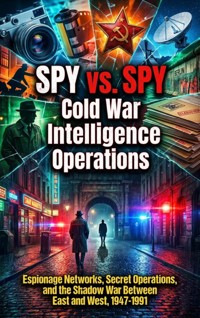
Behind the public speeches and diplomatic summits of the Cold War lay a hidden battlefield where intelligence agencies fought for information, influence, and advantage. This meticulously researched account reveals how espionage shaped the conflict between superpowers—from Berlin's divided streets to Vienna's neutral ground, from the Cambridge spy ring to double agents operating in Moscow. Drawing on declassified documents, agent testimonies, and archival records from both sides of the Iron Curtain, this book examines the tradecraft, technology, and human cost of Cold War intelligence work. It explores the organizational cultures of the CIA, KGB, MI6, and Stasi; the recruitment and handling of agents; the role of cryptography and surveillance; and the strategic impact of intelligence successes and failures on major Cold War crises. Neither celebrating nor condemning the intelligence apparatus, this work offers a balanced analysis of how information gathering and covert action influenced diplomatic decisions, military planning, and the eventual outcome of the Cold War itself. Essential reading for understanding the machinery behind the superpower confrontation.
Sie lesen das E-Book in den Legimi-Apps auf:
Seitenzahl: 238
Veröffentlichungsjahr: 2026
Das E-Book (TTS) können Sie hören im Abo „Legimi Premium” in Legimi-Apps auf:
Ähnliche



















Table of Contents
Chapter 1: The Cold War Context: Ideologies at War
The Origins of the Cold War
Espionage as a Necessary Tool
The Propaganda War
Interplay Between Espionage and Diplomacy
Chapter 2: The Birth of Intelligence Agencies
The Rise of the CIA
The Formation of the KGB
MI6: British Intelligence in the Cold War
Recruitment and Training of Agents
Chapter 3: Recruitment and Training: The Making of a Spy
Understanding Recruitment Strategies
The Psychology of Recruitment
Training Programs and Methodologies
The Role of Technical Skills
The Risks and Challenges of Espionage Training
Lifelong Learning: Continuous Professional Development
Chapter 4: Tradecraft: The Art of Espionage
Understanding Surveillance: Eyes in the Shadows
Deception: The Art of Misdirection
Cryptography: Codes and Ciphers
Human Intelligence (HUMINT): The Human Factor
Chapter 5: The Role of Technology in Intelligence Operations
The Evolution of Surveillance Technology
The Role of Satellites in Intelligence Gathering
Wiretapping and Communication Interception
Cryptography and Codebreaking
Chapter 6: The Berlin Wall: A Division of Espionage
The Strategic Importance of Berlin
Major Espionage Operations in Berlin
The Intelligence Culture on Both Sides
Key Figures in Berlin’s Espionage Landscape
Chapter 7: Cambridge Five: Treachery and Betrayal
The Rise of the Cambridge Five
Key Operations and Their Impact
Exposure and Aftermath
The Legacy of the Cambridge Five
Chapter 8: Double Agents: Defectors and Turncoats
Understanding Double Agents
Notable Double Agents during the Cold War
The Consequences of Defection
The Tradecraft of Recruitment and Handling
The Ethical Considerations and Risks
Lessons Learned from Double Agent Operations
Chapter 9: High-Stakes Operations: From Overthrows to Assassinations
The Roots of Covert Operations
The Anatomy of a Coup: Operation Ajax
Targeted Killings: Ethics and Implications
The Role of Double Agents
Chapter 10: The Stasi: East Germany's Intelligence Machine
Origins of the Stasi
Surveillance Techniques
Recruitment and Agent Handling
The Impact on Society
The Stasi and the Fall of East Germany
Conclusion: The Legacy of the Stasi
Chapter 11: The Impact of Intelligence Failures
The Prelude to Failure: Risk Assessment in Intelligence
Major Intelligence Failures and Their Consequences
Misinformation and its Role in Intelligence Failures
Technology and Intelligence Failures
The Human Factor: Agency Culture and Individual Errors
Lessons Learned: Impact on Future Intelligence Practices
Chapter 12: Disinformation and Psychological Operations
Understanding Disinformation
The Role of Media in Psychological Operations
Case Studies in Disinformation
The Psychological Warfare Toolkit
Consequences of Disinformation
Chapter 13: The Role of Espionage in Major Cold War Crises
The Cuban Missile Crisis: A Game of Information
The Prague Spring: A Misinformed Uprising
The Fall of the Berlin Wall: Secrets Behind the Scenes
The Role of Espionage in Military Strategy
Chapter 14: Legacy of Cold War Espionage
The Shift from Cold War to Post-Cold War Intelligence
Lessons Learned from Cold War Espionage
The Role of Technology in Modern Intelligence
Cultural Shifts in Intelligence Agencies
The Ongoing Geopolitical Landscape
Chapter 15: The Ethics of Espionage
Defining Espionage Ethics
The Cold War Context
Moral Implications of Deception
Human Cost of Espionage
The Future of Espionage Ethics
Reflections on Espionage and Its Lessons
The Nature of Recruitment
Tradecraft and Technology
The Human Cost
Ethical Considerations
Learning from Espionage History
Chapter 1: The Cold War Context: Ideologies at War
The Cold War was not just a battle of arms but a fierce struggle of ideologies. This chapter explores the roots of the conflict between the East and West, examining how communism and capitalism shaped international relations. Understanding this ideological divide provides the foundation for grasping the significance of espionage in the ensuing decades.
The Origins of the Cold War
The Cold War had deep-rooted origins stemming from the aftermath of World War II. This section outlines how the ideological differences between the United States and the Soviet Union set the stage for decades of tension and competition. Understanding these beginnings helps clarify why espionage became a critical tool for both sides.
Post-World War II Power Dynamics
The conclusion of World War II created a significant power vacuum in Europe, particularly after the collapse of Nazi Germany. This vacuum allowed the United States and the Soviet Union to emerge as superpowers, each keen to extend their influence across the continent. The differing visions for post-war Europe set the stage for the Cold War. The US advocated for democratic governance and capitalist economies, aiming to promote political stability and economic development through cooperation and trade.
Conversely, the Soviet Union sought to establish a sphere of influence that would support communist ideologies and socialist governance. This led to a stark divide in Europe as countries aligned either with the West, through the Marshall Plan and NATO, or with the East, increasingly falling under Soviet control. This geopolitical landscape was marked by mistrust and rivalry, laying the groundwork for extensive espionage as both sides sought to gather intelligence on each other's military capabilities and intentions.
Competing Ideologies
At the heart of the Cold War were two fundamentally opposing ideologies: communism and capitalism. Capitalism, as championed by the United States, emphasized individual freedoms, private ownership, and free markets, which the West believed fostered innovation and prosperity.
In stark contrast, communism, supported by the Soviet Union, aimed for a classless society where the means of production were collectively owned. This ideological clash not only influenced domestic policies but also shaped international relations. Both superpowers engaged in efforts to propagate their ideologies globally, resulting in fierce competition in regions like Asia, Africa, and Latin America.
The struggle to promote these ideologies often involved covert operations and intelligence gathering, as each side sought to undermine the other's influence while expanding its own, thus embedding espionage into the fabric of Cold War dynamics.
Formation of Alliances
The establishment of formal alliances further crystallized the division between East and West during the early years of the Cold War. In 1949, the North Atlantic Treaty Organization (NATO) was formed, creating a military alliance dedicated to mutual defense against perceived Soviet aggression. This was countered by the formation of the Warsaw Pact in 1955, which united the Soviet Union and its Eastern European satellites under a single military command.
These alliances not only reinforced the ideological divide but also intensified the arms race as member states began stockpiling weapons in preparation for potential conflict. Within this framework, intelligence agencies ramped up their operations, employing espionage to monitor alliance activities and predict the strategies of their opponents.
As both sides developed sophisticated intelligence-gathering techniques, the competitive nature of these alliances became a critical element in statecraft, impacting decisions that shaped the course of the Cold War.
The Influence of Nuclear Weapons
The introduction of nuclear weapons fundamentally altered the balance of power during the Cold War. The capacity for mass destruction created a new layer of complexity in international relations, as both superpowers recognized that direct conflict could lead to catastrophic consequences.
This realization led to an urgent need for accurate and timely intelligence regarding the opposing side's nuclear capabilities and intentions. Consequently, espionage evolved into a vital national security tool. Through both human intelligence (HUMINT) and signals intelligence (SIGINT), countries sought to understand the extent of each other's arsenals and strategic plans. This race for information not only contributed to the existing tensions but also prompted initiatives like arms control treaties as both sides grappled with the reality of mutually assured destruction.
Ultimately, the pursuit of nuclear intelligence became a crucial part of the shadow war, influencing not just military strategies but also broader diplomatic efforts aimed at preventing nuclear conflict.
Espionage as a Necessary Tool
With tensions escalating, espionage emerged as a critical means for both sides to gain strategic advantage. This section examines how intelligence gathering became integral to foreign policy and military strategy during the Cold War.
Shift from Open Conflict to Covert Operations
The Cold War era marked a significant transformation in global military strategy, shifting from overt military engagement to covert operations. As the stakes grew higher, particularly following events like the Cuban Missile Crisis, direct confrontations between superpowers became increasingly fraught with peril.
This precarious environment compelled nations to find alternative means to achieve their objectives. Espionage emerged as a pivotal tool, allowing intelligence agencies to gather crucial information without resorting to open warfare. The shadowy realm of spies and clandestine operations became the battlefield for influence and strategy.
Through espionage, nations could assess strengths and weaknesses, manipulate information flow, and even engage in psychological warfare. This clandestine approach allowed for strategic maneuverings that were untraceable, creating layers of complexity in international relations.
The Role of Intelligence Agencies
Central to the dynamics of espionage during the Cold War were the intelligence agencies, particularly the CIA and KGB. These organizations operated not just as information gatherers, but as active participants in the global chess game of power.
Each agency developed specialized tradecraft tailored to their unique geopolitical environments. The CIA, for example, focused on covert operations, psychological warfare, and disinformation campaigns, aiming to destabilize regimes perceived as threats to capitalism.
Conversely, the KGB employed a more militaristic approach, integrating military intelligence with espionage. This pragmatic fusion allowed the KGB to execute strategic operations that were decisive in enhancing Soviet influence, reflecting the complex interplay of ideology and security strategies.
Technological Innovations
The Cold War also witnessed remarkable advancements in technology, which revolutionized the methods of intelligence gathering. The introduction of satellites significantly enhanced strategic surveillance capabilities, allowing agencies to monitor military movements and communications from space.
Electronic eavesdropping became another cornerstone of Cold War espionage. Techniques such as wiretapping and bugging were employed on a massive scale, further intensifying the race for information. These technological innovations not only increased the efficiency of intelligence operations but also raised ethical questions regarding privacy and governmental overreach.
As technology continued to evolve, the espionage landscape expanded, resulting in more sophisticated methods that often defied previous limitations. Both East and West had to adapt their strategies to leverage these technological advancements effectively.
Notable Espionage Cases
High-profile espionage cases during the Cold War serve as compelling narratives that highlight the stakes, risks, and human elements involved in this shadowy realm. The Rosenberg case, for instance, revealed the fear surrounding atomic espionage, with Julius and Ethel Rosenberg accused of leaking nuclear secrets to the Soviets.
Equally significant was the Cambridge Five, a group of British spies who covertly supplied information to the Soviet Union. Their actions underscored the complexities of loyalty and ideology, as well as the personal motivations that drove individuals to betray their countries.
These cases illustrate that espionage was not merely a bureaucratic endeavor but a deeply personal undertaking, with lives and ideologies entangled in the web of Cold War intrigues. The human stories behind these operations reveal profound implications for trust, national security, and the moral dilemmas faced by operatives.
The Propaganda War
Alongside traditional espionage methods, the Cold War was characterized by a fierce propaganda battle. This section explores how both East and West used information to shape the narrative surrounding their ideologies and actions.
Media as a Weapon
The Cold War significantly transformed the role of media, where information itself became a potent weapon. Both East and West employed propaganda tactics to manipulate public discourse, shaping narratives that aligned with their political agendas. This involved not only controlling the flow of information but also strategically disseminating content to influence foreign audiences as well as domestic populations.
In the West, media channels such as newspapers and television were utilized to project ideals of freedom, democracy, and capitalism. Conversely, the Eastern Bloc leveraged state-controlled media to promote communism, portraying it as a superior alternative. Each side sought to highlight the perceived failings of the other—depicting capitalism as exploitative and communism as oppressive.
This manipulation of media created a charged atmosphere of information warfare, where the true objective was to win hearts and minds. The ramifications of these propaganda efforts were profound, as they set the stage for public perception of the conflict and influenced diplomatic relations on a global scale.
The Use of Culture
Culture emerged as a critical front in the Cold War, with both sides recognizing its potential to promote ideological superiority. The West actively invested in arts and literature to showcase the benefits of capitalism and individualism, creating a cultural narrative that glorified freedom and creativity. Major events like international film festivals, concerts, and art exhibitions served as platforms for this ideological showcase.
Conversely, the Eastern Bloc harnessed cultural endeavors to reinforce the values of socialism and communal achievements. This included literature that celebrated the triumphs of the proletariat, music that echoed the notions of solidarity, and sports that highlighted physical strength as a reflection of national superiority. These cultural exchanges were not merely entertainment; they were strategic tools that promoted each ideology's narrative globally.
Through these efforts, culture became an emblem of the ideological struggle, illustrating the philosophical divide while enhancing national identity and pride. In this way, the battle for hearts and minds extended beyond military might to encompass a rich tapestry of human expression.
Influencing Public Opinion
Public opinion was a vital arena during the Cold War, where each superpower sought to undermine the credibility of the other. The strategic use of disinformation campaigns was pivotal in swaying public sentiment and gaining legitimacy in the eyes of the global community. Both the CIA and KGB, among other secret agencies, orchestrated operations designed to plant false narratives that cast doubt on the integrity and intentions of their adversaries.
These efforts included leaking documents, manipulating news stories, and utilizing social media channels to plant seeds of doubt about the opposing ideology. The message was clear: by eroding trust in the other side, each superpower aimed to strengthen its own ideological standing. This tactic often blurred the lines between truth and deception, creating an environment rife with skepticism.
The repercussions were significant, as national policies and international perceptions were often swayed based on manipulated truths. The battle for public opinion thus became as essential as military confrontations, demonstrating the profound influence of information on the geopolitical landscape.
Espionage in Propaganda
Espionage played a crucial role in the broader context of propaganda during the Cold War. Intelligence agencies not only gathered critical information but also engaged directly in the production and dissemination of propaganda materials. This strategic integration of espionage with psychological operations allowed both sides to craft narratives that would resonate with their target audiences.
Throughout this period, covert operations included distributing pamphlets, broadcasting radio programs meant to sway public opinion, and infiltrating cultural movements. These actions aimed to create a favorable image of the benefactor while disparaging the opponent. By exploiting the tools of espionage, intelligence agencies could effectively turn propaganda into a weapon of choice, furthering their strategic goals.
The dual role of intelligence agencies in both espionage and propaganda demonstrates the complexity of information warfare during the Cold War. It illustrates how deeply intertwined statecraft and information dissemination became, with significant implications for the ideological struggle between East and West.
Interplay Between Espionage and Diplomacy
Espionage and diplomacy were inextricably linked during the Cold War, often influencing one another. This section discusses how intelligence successes and failures shaped diplomatic relations and negotiations.
Intelligence as Leverage
During the Cold War, intelligence gathering played a vital role in shaping diplomatic strategies. When nations acquired critical information about their adversaries, such intelligence became a powerful tool for leverage in negotiations. For instance, when the United States intercepted Soviet communications, it not only gained insights into military strategies but also had the upper hand in treaty discussions. This exploitation of intelligence often turned the tide in favor of the nation that leveraged it effectively.
Such leverage was critical in negotiating arms control agreements, where parties needed to trust each other's commitments. The presence of reliable intelligence meant negotiators could present informed positions, which often facilitated concessions from the opposing side. The interplay of espionage and diplomacy underscored the belief that knowledge was power, establishing a dynamic where the availability of intelligence could dictate the terms of international agreements.
Crisis Situations
Crisis situations during the Cold War highlighted the necessity for accurate and timely intelligence. The Cuban Missile Crisis in 1962 serves as a prime example of how intelligence shaped decision-making processes during high-stakes tensions. As Soviet missiles were discovered in Cuba, U.S. intelligence played a crucial role in providing not just the location but also the capabilities of those weapons.
This intelligence was instrumental in helping U.S. leaders craft a measured response that avoided an all-out nuclear confrontation. The urgency of real-time intelligence during such crises underscored that misinterpretations or overestimations could lead to catastrophic decisions, revealing the delicate balance intelligence agencies needed to maintain in managing international relations.
Backchannel Communications
Espionage often facilitated backchannel communications, enabling leaders to bypass formal diplomatic channels during tense situations. Such secret discussions allowed for exploration of resolutions that might have provoked public outcry or political backlash if conducted openly. For instance, the remarkable backchannel negotiations between U.S. President John F. Kennedy and Soviet Premier Nikita Khrushchev helped de-escalate tensions during the Cuban Missile Crisis.
These private negotiations were critical in allowing both sides to express positions candidly, leading to mutually beneficial outcomes. The effectiveness of backchannels demonstrated how espionage bridged gaps in diplomacy, fostering trust and communication even amidst suspicion and hostilities. This practice of discreet dialogue highlighted the complexity of Cold War diplomacy, further illustrating the intertwining of espionage and statecraft.
The Risks of Misinformation
While intelligence gathering was essential, the Cold War also revealed the profound risks associated with misinformation. Successive intelligence failures could lead to grave diplomatic consequences, potentially sparking conflicts. Events like the 1956 Suez Crisis exemplified how flawed intelligence could result in disastrous policy decisions and international fallout.
Moreover, exaggerated threats based on poor assessments risked confirming adversarial suspicions and escalating tensions beyond manageable levels. The stakes were particularly high when nations relied heavily on intelligence to dictate their military and diplomatic strategies. Thus, the Cold War era underscored the critical importance of accuracy in intelligence operations, where the cost of error could reverberate across global relations.
Chapter 2: The Birth of Intelligence Agencies
In the aftermath of World War II, the need for intelligence became paramount. This chapter outlines the formation of major intelligence agencies such as the CIA, KGB, and MI6. It looks at their initial goals, organizational structures, and the cultural dynamics that would define their operations during the Cold War.
The Rise of the CIA
The Central Intelligence Agency (CIA) emerged from the ashes of World War II as a critical player in American national security. Established in 1947 through the National Security Act, it aimed to address the emerging threats of a bipolar world. This section will explore the CIA's foundational goals, structure, and early operational focus.
Creation and Purpose
The Central Intelligence Agency (CIA) was established in 1947 as a response to the escalating tensions of the Cold War. Created by the National Security Act, its primary mission was to centralize intelligence-gathering efforts in a post-World War II context, particularly against the Soviet Union. This initiative was crucial in addressing the fragmented nature of intelligence operations that had previously existed.
Initially, the CIA's purpose emphasized secrecy and efficiency, striving to provide timely and accurate information to U.S. policymakers. This focus on streamlined intelligence became essential as the American government sought to understand and counter the motivations and capabilities of its chief adversary. The agency quickly transitioned from a mere collection of intelligence to an institution capable of covert action, recognizing that influencing global events was vital for maintaining a strategic edge.
Organizational Structure
The CIA established a comprehensive organizational structure designed to maximize its effectiveness in intelligence operations. At the core, it developed a hierarchy comprising several divisions, each tasked with specific functions essential for the agency’s mission. The Directorate of Operations focused on covert activities and recruitment of foreign agents, while the Directorate of Intelligence specialized in analysis and assessments based on the gathered data.
This division of responsibilities enabled the CIA to operate more efficiently. Additionally, technical divisions were created to support field operations through advanced surveillance and communication technologies. Such organizational frameworks allowed the CIA to adapt quickly to evolving threats, ensuring they remained at the forefront of intelligence operations during a dynamic geopolitical landscape.
Cultural Dynamics
From its inception, the CIA cultivated a distinct culture characterized by loyalty, discretion, and a steadfast commitment to national interests. Agents were trained to prioritize secrecy, with the understanding that their work would often involve perilous situations. This culture fostered a sense of camaraderie among operatives, as they navigated the complex moral and ethical challenges associated with espionage.
Moreover, the CIA's culture emphasized the importance of resilience and adaptability amid the pressures of Cold War espionage. Recruiters often sought individuals with exceptional capabilities in analysis, linguistics, or field operations, instilling a deep-seated value of self-sacrifice for the greater good of the nation. Such cultural dynamics profoundly influenced the agency's operational effectiveness and the conduct of its personnel throughout the Cold War.
Key Early Operations
In its formative years, the CIA initiated several significant operations aimed at gathering intelligence on Soviet military capabilities and influencing foreign political dynamics. A primary focus was on Europe and Asia, where the agency sought to contain the spread of communism through various clandestine operations.
One notable effort included the analysis of Soviet missile capabilities and the ideological landscape of Eastern Europe. The CIA also experimented with covert actions designed to promote pro-Western governments abroad, such as in Iran and Guatemala, which had lasting impacts on U.S. foreign policy. These operations not only underscored the agency’s early goals but also set the stage for its prominent role in shaping Cold War confrontations.
The Formation of the KGB
The Soviet Union responded to the threat from the West by formalizing its intelligence apparatus into the KGB in 1954. Understanding the KGB's structure and objectives provides insight into the Soviet approach to espionage and counterintelligence during the Cold War.
Establishment and Goals
The KGB, or Committee for State Security, officially formed in 1954, emerged as a response to the growing perceived threats from Western nations, particularly the United States. Its establishment was part of a broader Soviet effort to consolidate internal and external security mechanisms under one umbrella. The KGB's main goals included protecting the state's interests against espionage, sabotage, and ideological subversion.
Initially, the organization focused heavily on ideologically driven missions, such as the protection of the Communist Party and the promotion of socialist ideals. The KGB's operations extended beyond mere intelligence gathering; it also engaged in active measures designed to destabilize Western influences and support communist regimes globally. This multifaceted approach allowed the KGB to maintain the Soviet Union’s grip on power while positioning itself as a formidable adversary in the Cold War landscape.
Hierarchical Structure
The KGB was characterized by a complex hierarchical structure that comprised various departments, each with specialized functions. Central to its operations were departments focused on foreign intelligence, domestic security, counterintelligence, and technical support. This division of labor enabled the KGB to execute multifarious missions effectively, from infiltration of enemy organizations to monitoring dissent within the USSR.
Each department operated with a level of autonomy, yet they were coordinated to align with broader state objectives. The leadership, often drawn from the ranks of the Communist Party, ensured that the KGB acted not just as a security agency but as a political tool of the state. This organizational culture fostered an environment where loyalty to the party and commitment to state secrets were paramount, further embedding KGB operatives into the fabric of Soviet society.
Cultural Elements
The KGB's operatives were immersed in a culture steeped in ideology and state loyalty, which significantly influenced their operational conduct. This cultural framework emphasized a profound commitment to the Communist Party and the revolutionary ideals of Marxism-Leninism. Each agent was both a spy and a soldier, dedicated to the mission of protecting the Soviet state, often at great personal risk.
Furthermore, the KGB's culture encouraged extreme measures and a willingness to sacrifice personal morals for the supposed greater good of the state. This ideology fueled a deep-seated paranoia and mistrust of the West, leading to aggressive preemptive actions and a relentless pursuit of information. These cultural elements not only shaped individual behavior but also resonated throughout the agency's strategic initiatives, reinforcing its role as a pioneer of espionage techniques during the Cold War.
Operational Tactics
The KGB employed a diverse array of operational tactics that underscored its flexibility and adaptability in the field of intelligence. Among its most significant methods were infiltration and recruitment of double agents within adversarial organizations, allowing the KGB to gather vital information while simultaneously undermining Western initiatives from within.
Additionally, the KGB was adept at psychological warfare, employing propaganda and disinformation to manipulate perceptions and create discord among enemy ranks. They also utilized traditional espionage techniques, such as surveillance and wiretapping, to monitor both foreign targets and domestic dissidents. Collectively, these tactics reflected the KGB's commitment to not only gather intelligence but also to actively shape outcomes in the geopolitical arena, reinforcing its role as a key player in the Cold War's shadowy intelligence battles.
MI6: British Intelligence in the Cold War
MI6, the United Kingdom's foreign intelligence service, played a pivotal role in Cold War espionage. This section examines MI6’s early structure, its operational ethos, and the challenges it faced in the post-war world.
Background and Formation
MI6, officially known as the Secret Intelligence Service (SIS), was fundamentally reshaped in the wake of World War II. As global tensions escalated into the Cold War, MI6 expanded its operations to address the urgent need for intelligence regarding the Soviet Union and other potential adversaries. The agency recognized that the post-war geopolitical landscape had shifted dramatically, necessitating a revamped approach to intelligence gathering and analysis.
Initially, MI6 had primarily focused on gathering information during the war, but the new era demanded a comprehensive strategy. Responsibilities expanded from classic espionage to include counterintelligence, covert operations, and the recruitment of agents within enemy territories. By embracing a wider operational scope, MI6 aimed to provide strategic insights that could influence British foreign policy and secure national interests amidst rising global rivalries.
Organizational Framework
The organizational structure of MI6 during the Cold War was characterized by a traditional bureaucratic model that emphasized discretion and reliable intelligence. The agency relied on a network of officers and analysts who cultivated relationships with informants and assets around the world. This structure enabled MI6 to maneuver effectively within the complexities of international relations.
Each operational unit worked autonomously yet coordinated with others, ensuring that intelligence was effectively collected and disseminated. This hierarchical setup fostered a sense of accountability while allowing for rapid response to emerging threats. Additionally, MI6's reliance on a cadre of experienced officers, many of whom had served during the war, ensured continuity and stability as they navigated the new intelligence landscape of the Cold War.
Cultural Characteristics
MI6's operations were deeply influenced by the British tradition of secrecy and resilience. This cultural ethos created an environment where agents were trained to prioritize subtlety over direct confrontation. The agency valued an approach that favored intelligence gathering through discreet means, ensuring that operations often remained hidden from public scrutiny and even from other government sectors.
This emphasis on subtlety was not merely about avoiding detection; it also reflected a belief that intelligence should inform rather than dictate policy. MI6 cultivated agents who were adept at navigating complex social and political landscapes, relying on charm, persuasion, and intelligence rather than overt aggression. Such cultural characteristics allowed MI6 to maintain a presence in politically sensitive regions while minimizing the risk of exposure.
Challenges and Setbacks
In its early Cold War operations, MI6 encountered numerous challenges that hindered its effectiveness. One significant issue was the lack of clarity in operational objectives, which sometimes lead to misaligned priorities. Without a clear mission, resources were often misallocated, resulting in intelligence gaps during critical periods.
Moreover, MI6 underestimated the capabilities and reach of Soviet intelligence operations. This oversight resulted in several intelligence failures, including the inability to predict major Soviet actions and the shock of discovering moles within their ranks. Such setbacks not only affected operational efficacy but also strained relationships with allied intelligence agencies, requiring a reevaluation of strategies and methods as MI6 sought to adapt to the evolving Cold War landscape.
Recruitment and Training of Agents
Recruitment and training were crucial components in building effective intelligence agencies. Understanding the methodologies used by agencies like the CIA, KGB, and MI6 illuminates the risks and rewards of infiltrating enemy lines.
Recruitment Strategies




