



0,99 €
Niedrigster Preis in 30 Tagen: 1,99 €
Niedrigster Preis in 30 Tagen: 1,99 €
Mehr erfahren.
- Herausgeber: Booksell-Verlag
- Kategorie: Poesie und Drama
- Sprache: Englisch
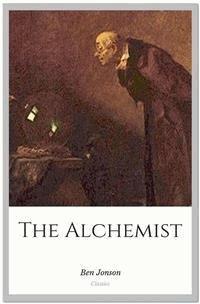
Ben Jonson's "The Alchemist" is a masterful comedy that explores themes of greed, deception, and the pursuit of wealth through a tale interwoven with sharp satire. Set in early 17th-century London during the bubonic plague, the play's structure exemplifies Jonson's adeptness at crafting intricate plots where fantastical hoaxes challenge societal norms. His rich use of language and compelling characterizations invite readers into the world of city rogues and gullible patrons, all while showcasing the author's keen observational humor and philosophical underpinning regarding human folly. Ben Jonson (1572-1637), a prominent figure of the English Renaissance, was not only a playwright but also a poet and actor who held a significant position in the cultural life of his time. Having studied classical literature and the intricacies of human nature, Jonson's experiences in London's vibrant theatrical scene undoubtedly influenced the creation of "The Alchemist." His personal encounters with inflation, the chaos of plague, and social ambition reflect in his writing, revealing the folly inherent in human desires and pursuits. Recommended for readers interested in the evolution of comedic drama and the cultural commentary of early modern England, "The Alchemist" stands as a testament to Jonson's wit and critique of societal avarice. Academics and casual readers alike will appreciate how this work resonates with contemporary audiences, offering insights into the timeless complexities of human behavior. In this enriched edition, we have carefully created added value for your reading experience: - A succinct Introduction situates the work's timeless appeal and themes. - The Synopsis outlines the central plot, highlighting key developments without spoiling critical twists. - A detailed Historical Context immerses you in the era's events and influences that shaped the writing. - An Author Biography reveals milestones in the author's life, illuminating the personal insights behind the text. - A thorough Analysis dissects symbols, motifs, and character arcs to unearth underlying meanings. - Reflection questions prompt you to engage personally with the work's messages, connecting them to modern life. - Hand‐picked Memorable Quotes shine a spotlight on moments of literary brilliance. - Interactive footnotes clarify unusual references, historical allusions, and archaic phrases for an effortless, more informed read.
Das E-Book können Sie in Legimi-Apps oder einer beliebigen App lesen, die das folgende Format unterstützen:
Veröffentlichungsjahr: 2019
Ähnliche

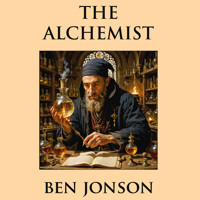



The Alchemist
Table of Contents
Introduction
In a shuttered London house, promises of gold multiply faster than trust can keep pace. Ben Jonson’s The Alchemist turns a single address into a crucible of human appetite, where the yearning to be transformed collides with the cunning of those who trade in dreams. The play’s central engine is the volatile mixture of desire and deception: hopeful visitors bring fantasies of wealth, status, and spiritual power, while resident tricksters refine those longings into elaborate scams. Jonson choreographs this interaction with relentless speed, revealing how language, costume, and sheer bravado can mint counterfeit value as persuasively as any philosopher’s stone.
The Alchemist is a classic because it marries uncompromising satiric purpose to extraordinary theatrical craft. For generations, readers and audiences have admired how Jonson channels the energy of the city into comic form without sacrificing structural clarity. The play distills ideas that remain evergreen—credulity, avarice, and the seductions of easy gain—into scenes that feel both historically precise and unmistakably familiar. Its place in the canon rests on sustained influence and resilience: it flourishes on the page, in the rehearsal room, and under lights. Few comedies so fully embody the strengths of early modern theater while anticipating the wit and polish of later traditions.
Written and first performed in 1610, during the reign of James I, The Alchemist was staged by the King’s Men at the indoor Blackfriars Theatre and later included in Jonson’s collected Works of 1616. It is a city comedy set in contemporary London, unfolding within the space of a single day and location, in keeping with classical unities that Jonson prized. The work combines verse and prose, exacting design and improvisatory sparkle. Its characters—con artists and their clients—reveal a spectrum of social types familiar to Jacobean audiences. These facts ground the play in its moment while helping to explain its enduring vitality.
The premise is at once simple and inexhaustible. With the householder absent during a plague outbreak, three partners convert his rooms into a theatrical laboratory of fraud. The quick-tongued butler Face, the self-styled adept Subtle, and the mercurial Dol Common receive a stream of visitors, each with a private hunger to feed. A credulous clerk seeks fortune, a tobacconist hopes for success, a wealthy sensualist dreams of boundless pleasure, sanctimonious zealots want leverage, and provincial aspirants chase fashion and profit. Their expectations are flattered, redirected, and monetized. Jonson keeps the machinery humming as promises proliferate and the risks of exposure mount.
Jonson’s purpose is not to chronicle chemistry but to scrutinize human motives under pressure. He adapts his trademark satiric practice—testing humors, exposing affectation, and diagnosing social ills—to the accelerated rhythms of a metropolis. Classical discipline shapes the design, but the materials are emphatically modern: contracts, commodities, sectarian scruples, and the restless alchemy of credit. The playwright’s moral vision is neither dour nor indulgent. He delights in comic invention even as he insists that appetite, unchecked, distorts judgment. By sharpening types into living figures, Jonson invites audiences to recognize themselves in the marks and the knaves and to measure the distance between desire and duty.
Alchemy functions as central metaphor and plot device. It names the dream of instant transformation—lead into gold, novice into insider, sinner into elect—and it signals the verbal magic by which swindlers transmute wishes into fees. The play explores how language manufactures belief, how specialized jargon dazzles, and how authority often rests on performance. Greed and gullibility intersect with fantasies of social mobility, while hypocrisy cloaks self-interest in piety or learning. Through relentless pressure, Jonson asks what—if anything—truly changes when people pursue gain without measure. In this crucible, identity itself proves malleable, and the boundary between confidence and confidence trick grows perilously thin.
The comedy’s craft is exemplary. Its single location concentrates action; its tight timeframe intensifies the stakes. Jonson orchestrates entrances, disguises, and reversals with clockwork precision, but the dialogue crackles with spontaneity, as if invented before our ears. He blends styles, setting robust prose against supple verse, and threads technical vocabularies—alchemical, legal, mercantile, religious—through rapid-fire repartee. The indoor playhouse setting amplifies this verbal virtuosity, favoring quick changes and intimate address. The result is a drama that welcomes both scholarly attention and comic bravura, rewarding close reading while inviting actors to surf its rhythms. Structure and surprise align, each heightening the other.
The historical backdrop matters. Jacobean London was a marketplace of novelties, including fashionable tobacco, esoteric learning, and new forms of credit, all shadowed by intermittent plague. The city’s density and diversity fostered opportunity and anxiety, making it fertile ground for sharpers and dreamers alike. Jonson places religious rigorists, aspiring merchants, and would-be gallants in the same rooms, letting commerce and conscience collide. The play belongs to the lineage of city comedy, which anatomizes urban life with a satirist’s scalpel. Its granular detail—shops, professions, and sectarian zeal—anchors the farce, ensuring that the laughter arises from recognizable habits rather than abstract vice.
The Alchemist helped shape the trajectory of English comedy. Later dramatists in the Restoration drew on Jonson’s city focus, intricate plotting, and satiric exposure of manners, translating his urban energies into the worldliness of comedy of manners. His emphasis on types, on language as social performance, and on the theatricality of everyday dealing echoed through subsequent stages. Critics have long pointed to this play as a model of comic construction, and its influence extends into modern revivals that relish its ensemble dynamics. Even beyond the theater, its diagnosis of speculation and hype has informed literary conversations about credibility, persuasion, and the economies of desire.
Equally important is the play’s long life in performance and study. Directors prize its momentum and ensemble opportunities; actors relish roles that demand dexterity, disguise, and rhetorical agility. Students encounter it as a touchstone of Jonsonian satire and as a paradigm of the classical unities adapted to English practice. The text accommodates diverse readings—moral, economic, linguistic—without exhausting its comic vim. New audiences continue to find the premise astonishingly immediate, while scholars trace how its lexicons map onto historical and contemporary cultures of expertise. Its capacity to entertain while provoking critical reflection is a principal reason for its classic status.
For modern readers, The Alchemist offers a double invitation. It asks us to savor the sheer ingenuity of its cons, the comic escalations, and the acrobatic talk; and it presses us to examine our own susceptibilities to glamour, jargon, and shortcuts. Jonson’s London is distant and intimate at once. The marks resemble people lured by instant returns and exclusive knowledge, while the tricksters resemble influencers of every era, adept at turning attention into currency. Reading the play heightens our alertness to language, to performance as social currency, and to the ethics of exchange. The laughter is lively, but it cuts clean.
Ultimately, The Alchemist endures because it crystallizes perennial themes—credulity, appetite, transformation, and the theater of everyday life—within a design of exceptional clarity. It dramatizes the volatile chemistry between hope and hustle, showing how a city’s opportunities can magnify virtue or vice. Jonson’s blend of moral scrutiny and comic exuberance still speaks to readers navigating promises of instant improvement and wealth. The play’s single house becomes a world, its one day a lifetime of bargains. In its speed, wit, and exactness, it reminds us that language can mint gold or dross, and that discernment remains the rarest metal.
Synopsis
Set in plague-stricken London, The Alchemist begins when the gentleman Lovewit leaves his townhouse to avoid infection. His butler, Jeremy, seizes the opportunity, renaming himself Face and turning the empty home into a base for fraud. He partners with Subtle, a self-styled alchemist, and Dol Common, a quick-witted confederate. The play opens with Face and Subtle quarrelling over credit and profits, a dispute Dol briskly settles so business can proceed. Their enterprise promises alchemical marvels, fortunes, and secret knowledge to anyone willing to pay. This premise, established early, frames a sequence of tightly choreographed deceptions run on a crowded timetable.
Their first client is Dapper, a timid law clerk who dreams of winning at gambling. Subtle convinces him that a personal spirit, a familiar from the Queen of Fairy, will guarantee success. Rituals are prescribed, fees collected, and talismans exchanged under strict instructions. Dol manages his anxieties while Face schedules the next appointments. Dapper’s scenes introduce the troupe’s working method: ceremonial language, technical jargon, and rapid improvisations that keep the gullible off balance. The promise of imminent transformation, carefully staged but never delivered, keeps Dapper paying and returning, illustrating how hope and secrecy drive the con forward.
Abel Drugger, a new tobacconist, arrives seeking advice on how to arrange his shop for prosperity. Subtle deploys a mixture of astrology, geomancy, and alchemical terms to dictate doorways, shelves, and signs, extracting gifts and future loyalty. Face expands the plan by promising lucky days and protective charms. Drugger’s scenes show the operation’s practical side: everyday ambitions redirected through counterfeit expertise. The trio book overlapping visits, park clients in different rooms, and use Dol to distract or entice as needed. With Drugger on the hook and Dapper’s ritual pending, the house becomes a busy marketplace of private hopes and calculated delays.
Sir Epicure Mammon, a grandiose gentleman, enters with visions of boundless wealth, health, and sensual pleasure promised by the philosopher’s stone. His friend Surly accompanies him, openly skeptical of alchemical claims. Subtle flatters Mammon’s expectations while Face manages movement between rooms to keep the illusion intact. Dol is prepared to impersonate a noblewoman when useful, adding glamour to the deception. Mammon’s lavish fantasies raise the stakes: furnaces are presented, jargon deepens, and a near-finished experiment is always just out of sight. Surly’s suspicion, however, introduces a countercurrent of scrutiny that pressures the conspirators’ timing and polish.
Two religious zealots, Tribulation Wholesome and Ananias, arrive from a Puritan sect, seeking to fund their community through alchemical profit. They bargain hard for a share and demand a pious veneer to the enterprise, sparking brisk debates over conscience and cash. At the same time, Kastril, an inexperienced country youth, comes to learn how to quarrel like a fashionable gallant. With him is his wealthy sister, Dame Pliant, whose fortune makes her a target for advantageous marriage. Face maneuvers to control access to her, proposing compatible matches to different allies. The intersecting agendas tighten the schedule and heighten potential conflicts.
Surly, dissatisfied, returns in disguise as a Spanish nobleman to test the operation. The conspirators try to ensnare him, while Dapper is sequestered for a fairy-summoning ceremony involving blindfolds and whispered invocations. Mammon is given glimpses of a working laboratory, with Subtle narrating imminent success. Doors open and close in quick succession, clients are shuffled, and mistaken identities multiply. Suspicion mounts as Surly probes inconsistencies and rumors of watchmen or neighbors circulate. The house functions like a stage within the stage: each room an illusion, each entrance a cue. With every added promise, the risk of exposure intensifies across overlapping plots.
Complications crest when Surly begins to unmask several tricks, confronting marks with the possibility of fraud. The strain within the trio resurfaces as Face and Subtle argue over spoils, credit, and long-term plans, while Dol improvises new poses to protect the operation. Their improvisations grow more frantic, attempting to steer some clients away and keep others compliant. Hints emerge that the householder’s return could be imminent, further compressing time. The cons, once elegant and controlled, become precarious, with rival claims to Dame Pliant, unsettled payments, and frayed trust among conspirators threatening a collapse that mere patter can no longer mend.
News arrives that Lovewit is returning to his house, forcing an emergency shift. Face snaps back into his servant identity, aiming to shield himself and the premises from legal or social fallout. Subtle and Dol scramble to conceal equipment, redirect visitors, and dissolve arrangements without admitting defeat. Clients converge, demanding results: the stone, the familiar, the promised introductions. Scenes accelerate as explanations, disguises, and diversions compete. The atmosphere turns from confident orchestration to crisis management. A decisive narrowing of options follows, compelling choices about loyalty, exposure, and exit routes. The converging pressures set the stage for a brisk reckoning.
The conclusion resolves identities and claims without detailing precise outcomes here. Some hopes are checked, others redirected, and a measure of order is restored to the house and its neighborhood. The play’s throughline emerges clearly: desire for quick advancement—money, rank, mastery, righteousness—makes people pliable to expert pretence. Alchemy functions less as science than as a language for appetite, enabling rapid role changes in a city unsettled by plague. Jonson’s comedy arranges a chain of promises, tests, and reversals to show how credulity and cunning feed each other. The final movements reassert boundaries while leaving the anatomy of urban delusion fully exposed.
Historical Context
Ben Jonson’s The Alchemist is set in London during the reign of James I, and its action unfolds within a town house temporarily vacated because of plague. The play was first performed in 1610 by the King’s Men, most likely at the Blackfriars indoor theatre, and it reflects the rhythms of a metropolis whose population had swollen to over 200,000 by the early seventeenth century. The setting depends on recognizably urban habits: the flight of wealthy householders to country estates during epidemics, the delegation of authority to servants, and the bustle of tradesmen, clerks, and adventurers. The city’s compact lanes, watchmen, and close neighbors create both opportunity and peril for deception.
The place is specifically an elite urban quarter, where proximity to law courts, markets, and guilds meets the semi-autonomous character of metropolitan liberties such as Blackfriars. These enclaves sat just outside some of the City’s strictest controls, encouraging a mixing of gentry, merchants, and theatrical companies. The time is one of post-1603 transition, with James VI and I’s accession bringing new court cultures and fiscal pressures. Within this environment, plague regulations, bills of mortality, and closures of public assemblies shape the plot’s premise. Jonson’s characters exploit vacancies, porous jurisdictional lines, and the language of trade and projection that defined London’s competitive, often credulous, commercial life.
The recurrent London plagues of 1603, 1606, and 1609–1610 most directly shaped The Alchemist. In 1603 alone, estimates suggest 30,000–36,000 Londoners died; weekly Bills of Mortality, widely printed from 1603, tracked parish deaths and guided policy. Parliament passed 1 Jac. 1 c. 31 (1604), empowering local authorities to quarantine infected houses for 40 days, mark doors with red crosses, post watchmen, and restrict assemblies. The Privy Council repeatedly closed playhouses during spikes, rendering theatres dark for months. In 1608–1609, sustained outbreaks again shuttered stages; the King’s Men shifted into Blackfriars by 1609, benefiting from an indoor venue yet still subject to orders. Wealthy householders fled to the country, leaving servants to guard or manage properties. Jonson builds his plot precisely on this epidemiological and legal framework: Lovewit absents himself to escape contagion; Face, Subtle, and Dol turn the empty house into a laboratory and brokerage for fraud. The sense of a city half-emptied, patrolled by constables and searchers, heightens the risk of discovery and the promise of quick gain. The play’s fast traffic of clients mirrors the accelerated, anxious commerce of plague-time, when physicians, astrologers, and quacks multiplied. Its final movement, with officers and neighbors converging, reflects the surveillance culture and communal enforcement the Plague Orders demanded. Jonson thus converts public health policy and demographic upheaval into engines of comedy and critique, using precise features of 1600s London—quarantine, closures, and flight—to motivate every deception and reversal.
The Gunpowder Plot of 5 November 1605, led by Robert Catesby and involving Guy Fawkes, sought to destroy the Houses of Parliament and kill James I. Its failure produced sweeping oaths of allegiance (1606), intensified surveillance, and a political climate vigilant against secret assemblies and conspiracies. Informers thrived, and nocturnal raids and searches became familiar. The Alchemist mirrors this atmosphere of suspicion through its clandestine meetings, sudden alarms, and the fear of officers at the door. The conspiratorial choreography of Face and Subtle echoes a society attuned to plots, while the rapid unraveling recalls the exposure and punishment of concealed designs after 1605.
The rise of Puritan reform within the Church of England, sharpened at the Hampton Court Conference in January 1604 and followed by the Authorized King James Bible (1611), shaped London’s moral and civic culture. Many City merchants, aldermen, and guildsmen imbibed a godly ethos—strict Sabbatarianism, anti-theatrical sentiment, and suspicion of ceremony. Puritan polemicists such as Philip Stubbes and Stephen Gosson attacked the stage as licentious. In The Alchemist, the characters Tribulation Wholesome and Ananias embody the tensions of this movement: they profess rigorous godliness yet seek alchemical profit to support their community. Jonson transforms contemporary godly discipline and anti-worldliness into a pointed portrait of hypocrisy and casuistry.
Heterodox sects associated with the Low Countries—especially Anabaptists—left a deep imprint on London. The Dutch Church at Austin Friars (founded 1550) anchored immigrant communities, while periodic panics erupted; in 1575 two Dutch Anabaptists were burned at Smithfield. Under James I, anxieties about heresy persisted, culminating in the 1612 executions of Bartholomew Legate and Edward Wightman. Ananias in The Alchemist is marked as an Anabaptist deacon; his linguistic tics and doctrinal severity resonate with English stereotypes about continental sectaries. Jonson leverages the period’s nervousness about separatism and doctrinal novelty to satirize zeal unmoored from charity, and to show how credal rigidity can be diverted toward mercenary ends.
Jacobean England fostered a culture of projectors—entrepreneurs who pursued crown patents for novel industries to raise royal revenue without parliamentary subsidies. Despite Elizabeth’s 1601 retreat from many monopolies, James I granted fresh patents, provoking grievances that would climax later in 1621–1624. Notably, an alum works monopoly was organized in 1609 in Yorkshire under Sir Thomas Chaloner to offset dependence on Papal States’ alum. Glassmaking, salt, and drainage schemes proliferated. The Alchemist channels the rhetoric of projections and monopolies; Subtle and Face function as projectors of impossible returns, soliciting capital from gulls. Sir Epicure Mammon’s talk of transforming estates echoes the speculative energy—and gullibility—surrounding Jacobean patent culture.
Alchemy and kindred occult sciences had long pedigrees in England, from the medieval statute of 1404 against the multiplication of metals to the Elizabethan careers of John Dee and Edward Kelley. Noble patrons such as Henry Percy, the ninth Earl of Northumberland, supported experimental and esoteric research, while Paracelsian ideas challenged Galenic orthodoxy. Yet skepticism intensified under James I, who prided himself on discerning imposture. The Alchemist compresses this world: crucibles, alembics, and the promise of the philosopher’s stone are theatricalized as tools of fraud. Jonson borrows technical jargon and ritual to ground plausibility, then exposes how occult credence becomes a marketable commodity in a credulous, status-hungry metropolis.
London’s medical marketplace was crowded and contentious. The Royal College of Physicians, chartered in 1518 and reinforced by acts in 1523, licensed learned physicians, while the Company of Barber-Surgeons (1540) and the Worshipful Society of Apothecaries (chartered in 1617) policed surgery and drug retail. Conflicts between Galenists and Paracelsians erupted in print and in court. Quacks, empirics, and astrologer-physicians offered cheaper cures and horoscopes. The Alchemist exploits this contested terrain: Subtle assumes the authority of a physician-astrologer, blurring lines between licensed practice and illicit craft. Abel Drugger’s shop, talismans, and auspicious signs lampoon the credence given to medical and astrological counsel amid professionalization and persistent lay anxiety.
Early seventeenth-century London experienced rapid demographic growth and social mobility, drawing migrants from across England. By c. 1611, the metropolis approached 250,000 inhabitants, with an expanding middling sort of merchants, scriveners, and shopkeepers. Apprenticeship culture, livery companies, and ward politics structured advancement while also generating anxieties about imposture and upstart pretensions. The Alchemist populates its stage with precisely these urban types: Dapper the clerk, Abel Drugger the aspiring tobacconist, Kastril the provincial eager to learn city quarrelling, and Dame Pliant positioned on the marriage market. Jonson’s gallery mirrors the ambitions and insecurities of a city in which sudden fortune—and sudden ruin—seemed equally plausible.
Tobacco consumption surged in England after late Elizabethan encounters with Spain and the New World, even as James I issued A Counterblaste to Tobacco (1604), denouncing the leaf and imposing steep import duties. Colonial developments would soon accelerate the trade: John Rolfe began cultivating tobacco in Virginia in 1612; shipments to London grew markedly by 1617. Before this boom, Londoners still frequented shops selling imported Spanish and Caribbean tobacco, accessories, and fashions of use. In The Alchemist, Abel Drugger personifies this new retail niche. His credulous pursuit of auspicious shop signs and clientele reflects both the commodity’s novelty and the entrepreneurial but superstitious retail culture of early Jacobean London.
The Jacobean theatre industry operated under royal licence and censorship by the Master of the Revels—Edmund Tilney until 1610, then Sir George Buc. Public health orders closed amphitheatres during plague spikes, pushing companies to adapt. The King’s Men acquired the indoor Blackfriars in 1608 and began regular performances there by 1609, drawing wealthier audiences in winter. The Alchemist, staged in 1610, bears the hallmarks of an indoor comedy: intricate plotting, sharp urban satire, and allusions to contemporary regulation and audience habits. Its very production history speaks to a resilient, regulated theatre navigating censorship, disease closures, and shifting patronage under James I.
Blackfriars and similar liberties were jurisdictions semi-detached from City governance, historically tied to dissolved monastic precincts. Residents could sometimes evade guild oversight and certain municipal edicts, even as constables and justices of the peace retained powers to act in cases of disorder. Such spaces incubated both innovation and fraud. Jonson’s choice to anchor the action in a gentleman’s London house—often associated by contemporaries with Blackfriars—leverages this jurisdictional complexity. The neighbors’ complaints, the sudden arrival of officers, and Lovewit’s shrewd management of the aftermath dramatize how authority in London was negotiated among householders, watch officials, parish officers, and courts spanning liberty and City boundaries.
The Witchcraft Act of 1604 (1 Jac. 1 c. 12) intensified penalties for conjuration that caused harm, reflecting James I’s long-standing interest in demonology. Prosecutions rose intermittently, with celebrated cases like the Pendle trials of 1612. Alongside formal witchcraft, England hosted a thriving culture of cunning-folk, astrologers, and treasure-finders who skirted the law. The Alchemist situates its schemes at the edge of illegality: Subtle’s operations adopt the vocabulary of natural philosophy to avoid charges of sorcery, while Dol’s feigned fairy queen parodies popular occult theatrics. Jonson’s Londoners, fearful of witchcraft yet eager for wonders, become perfect clients for legally ambiguous marvels.
The long Price Revolution—from the sixteenth century into the early seventeenth—brought sustained inflation and pressure on wages, while credit instruments and private lending expanded. The Statute of Usury (1571) legalized interest up to 10 percent, shaping urban investment cultures; rates would be reduced in 1624. Coin scarcity, bullion flows from the New World, and periodic trade disruptions produced a landscape where speculative ventures promised relief. The Alchemist captures this appetite for shortcuts to enrichment. Sir Epicure Mammon’s fantasies of projection and estates transmuted into gold parody the period’s fixation on credit, interest, and windfalls, showing how economic strain nourished schemes that bridged finance, fraud, and faith in hidden arts.
Ben Jonson’s own encounters with authority sharpened his satirical edge. He was imprisoned in 1597 when The Isle of Dogs was suppressed, and branded for manslaughter after killing the actor Gabriel Spencer in a 1598 duel. In 1605, Jonson and collaborators George Chapman and John Marston were jailed over Eastward Ho! for lines thought insulting to Scots at court. Jonson converted to Catholicism in 1598 and returned to the Church of England around 1610, the year of The Alchemist, amid intense confessional politics. These experiences taught caution and precision: The Alchemist targets city vices and private credulity rather than the monarch, embedding timely social critique within legally defensible comedy.
The Alchemist functions as a social and political critique of Jacobean London by exposing how epidemic disorder, speculative capitalism, and sectarian zeal open markets for imposture. It indicts the opportunism that follows plague flight, mocks the credulity of projectors and investors, and reveals the moral compromises of godly merchants. By staging servants who seize a gentleman’s house, Jonson skewers anxieties about rank fluidity and the fragility of authority when public oversight falters. His London is a city where patent schemes, occult promises, and retail novelties entice the ambitious to self-ruin. The play thus anatomizes systemic vulnerabilities—legal, economic, and religious—rather than merely individual folly.
Author Biography
Ben Jonson was an English dramatist and poet active from the late Elizabethan through the early Caroline period, widely regarded as the foremost comic playwright of the Jacobean stage after Shakespeare. Noted for his satirical precision, rigorous classical learning, and shaping of neoclassical taste, he helped define the London theater’s move toward sharper social comedy and learned dramaturgy. His oeuvre spans comedies, tragedies, court masques, epigrams, and critical prose, and his insistence on literary craft and authorial status influenced how English plays were published and valued. Jonson’s career combined commercial theater and court spectacle, placing him at the center of cultural life in early seventeenth-century England.
Jonson’s education at Westminster School under the eminent antiquarian William Camden grounded him in Latin literature and rhetoric, especially Horace, Juvenal, and the precepts of classical decorum. This training shaped his dramaturgy and criticism, informing his advocacy of unity, proportion, and moral purpose in literature. He developed the influential comic theory of “humours,” wherein dominant dispositions drive characters’ follies. Jonson’s humanist formation aligned him with a broader Renaissance movement that prized learned imitation and ethical instruction. Across his poems and plays, he integrated classical models with contemporary urban observation, forging a style that balanced scholarly authority with keen, often caustic, attention to social behavior.
By the late 1590s, Jonson had joined the London stage as an actor and playwright. His breakthrough came with Every Man in His Humour, a comedy that announced his “humours” method and secured his reputation. In the same period he fought a fatal duel, was imprisoned, and escaped capital punishment through a legal plea rooted in literacy; he subsequently converted to Roman Catholicism, a position he later relinquished. During the early 1600s he engaged in the so-called “War of the Theatres,” satirizing rival dramatists within plays such as Cynthia’s Revels and Poetaster. These controversies, while contentious, sharpened his comic poetics and public profile.
Across the first decades of the seventeenth century, Jonson produced a sequence of major comedies that helped define English city satire. Volpone skewers greed with Venetian intrigue; Epicoene, or The Silent Woman, explores noise, gender performance, and social control; The Alchemist exposes credulity amid London’s entrepreneurial bustle; and Bartholomew Fair revels in popular festivity while critiquing hypocrisy. He also attempted Roman-themed tragedies, notably Sejanus His Fall and Catiline, whose dense erudition divided audiences but affirmed his classical ambitions. His dramaturgy emphasized tight plotting, moral diagnosis, and linguistic precision, treating the stage as a forum for testing human conduct against standards drawn from antiquity and civic life.
Jonson became a principal author of court masques during the reigns of James I and Charles I, collaborating with architect and designer Inigo Jones. Works such as The Masque of Blackness and later entertainments fused allegory, music, dance, and scenography, shaping the masque as a prestigious art form and vehicle of royal display. His privileged status was confirmed in the 1610s with a royal pension. In 1616 he issued the monumental Workes of Ben Jonson, a folio that boldly treated plays as literature worthy of preservation. Late in the 1610s he undertook a notable journey to Scotland, recorded through conversations later published from notes by William Drummond.
As a poet, Jonson cultivated classical restraint alongside personal candor. His Epigrams and The Forest established models of occasional verse and social address, while Underwood gathered a late miscellany. “To Penshurst” exemplifies the country-house poem; “Song: To Celia” distilled lyric grace; and “On My First Sonne” offered moving elegy. His prose Timber, or Discoveries reflects a lifetime of reading and judgment, articulating views on style, imitation, and the moral ambitions of art. He championed learned artistry over mere novelty, urging writers to refine language and manners. These ideals attracted a following often called the “Tribe” or “Sons of Ben,” shaping taste among seventeenth-century poets.
Jonson’s later years brought both recognition and difficulty. He suffered illness in the late 1620s, and some late plays, including The New Inn, The Magnetic Lady, and A Tale of a Tub, met mixed or cool reception. He died in the later 1630s and was interred in Westminster Abbey, remembered by the famous epitaph “O Rare Ben Jonson.” His reputation has since fluctuated, but his comedies remain touchstones of satirical drama, and his lyrics and epigrams are widely anthologized. Critics read him today for his urban realism, classical rigor, and probing moral intelligence, as well as for his formative role in court spectacle and English literary self-consciousness.




