


Erhalten Sie Zugang zu diesem und mehr als 300000 Büchern ab EUR 5,99 monatlich.
- Herausgeber: epubli
- Kategorie: Fachliteratur
- Sprache: Englisch
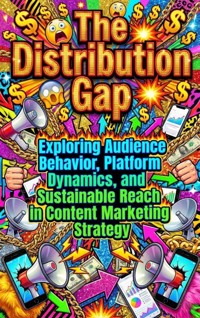
Most marketers obsess over content quality while ignoring distribution mechanics. This book explores how that imbalance wastes budgets and reveals the patterns that separate content that spreads from content that dies in feeds. It examines the gap between creating valuable material and getting it in front of people who care—the platform algorithms, audience habits, and distribution systems that determine visibility more than creativity. Through strategic analysis of content lifecycle, channel selection, and engagement patterns, it reveals how successful marketers design for distribution rather than hoping great work finds its audience. The book reframes content marketing as a distribution-first discipline rather than a production exercise. It explores how to match content formats to platform behaviors, structure campaigns that compound over time instead of requiring constant creation, and build owned channels that reduce platform dependency. It examines the difference between marketers who generate sustainable attention versus those trapped in endless content treadmills. For marketing professionals managing content strategy, this book offers insight into the patterns beneath effective content distribution. It's not about going viral or posting daily—it's about understanding how content actually reaches audiences in oversaturated digital environments.
Sie lesen das E-Book in den Legimi-Apps auf:
Seitenzahl: 165
Veröffentlichungsjahr: 2026
Das E-Book (TTS) können Sie hören im Abo „Legimi Premium” in Legimi-Apps auf:
Ähnliche

















Table of Contents
Chapter 1: Understanding the Distribution Gap
Defining the Distribution Gap
Common Pitfalls in Distribution
The Importance of Targeted Distribution
Enhancing Visibility Through Strategic Planning
Chapter 2: The Psychology of Audience Behavior
Understanding User Motivations
Preferences Across Platforms
Behavioral Patterns of Engagement
The Role of Context in Audience Interaction
Chapter 3: Platform Dynamics: The Gatekeepers of Visibility
Understanding Platform Algorithms
The Role of User Behavior
Content Formats and Their Impact
Timing and Frequency of Posts
The Importance of A/B Testing
Building Sustainable Engagement
Chapter 4: The Content Lifecycle: From Creation to Distribution
Understanding the Content Lifecycle
Promotion: The Missing Link
Channels and Their Importance
Engagement: The Goal of Distribution
Chapter 5: Compounding Content: The Power of Evergreen Assets
Understanding Evergreen Content
Strategies for Creating Evergreen Content
Distributing Evergreen Content Effectively
Measuring the Impact of Evergreen Content
Building an Evergreen Content Library
Chapter 6: Building Owned Channels for Sustainable Reach
The Need for Owned Channels
Types of Effective Owned Channels
Strategies for Building Owned Channels
Content Diversification in Owned Channels
Chapter 7: Designing for Distribution: Strategy Over Serendipity
Understanding Audience Motivations
Leveraging Platform Algorithms
Crafting Compelling Headlines and Thumbnails
Multiplying Your Distribution Channels
Measuring Success Beyond Vanity Metrics
Building a Sustainable Content Ecosystem
Chapter 8: Channel Selection: Where to Place Your Bets
Understanding Your Audience
Evaluating Channel Characteristics
Prioritizing High-Impact Channels
Creating a Balanced Multi-Channel Strategy
Adapting to Channel Changes
Chapter 9: Engagement Patterns: The Keys to Connecting
Understanding Engagement Metrics
Types of Engagement Patterns
Crafting Engaging Content
Analyzing Engagement Outcomes
Chapter 10: Measuring Success: Beyond Likes and Shares
Understanding Key Performance Indicators (KPIs)
The Role of Audience Insights
Evaluating Distribution Effectiveness
Tracking the Customer Journey
Chapter 11: Avoiding Common Distribution Pitfalls
Misunderstanding Your Audience
Ignoring Platform Nuances
Overlooking Distribution Timing
Neglecting Cross-Promotion
Relying Solely on Organic Reach
Focusing on Production Over Distribution
Chapter 12: The Future of Content Marketing: Trends and Predictions
The Rise of Personalized Content
Video Dominance in Content Marketing
The Growth of Interactive Content
Sustainability and Ethical Marketing
The Shift Toward Owned Media
Embracing Artificial Intelligence
Measurement and Analytics Evolution
Closing Insights: Bridging the Distribution Gap
Chapter 1: Understanding the Distribution Gap
This chapter sets the stage by introducing the concept of the Distribution Gap. We will examine what it means to have quality content that fails to reach its intended audience. By analyzing common pitfalls marketers encounter, we identify the disconnect between production and distribution.
Defining the Distribution Gap
Understanding the Distribution Gap begins with defining what it entails. This gap represents the divide between producing high-quality content and effectively distributing it to the right audience. Recognizing this gap is crucial for marketers aiming to maximize their content's impact.
The Definition of the Distribution Gap
The Distribution Gap represents a significant challenge in the digital marketing landscape. It is the chasm that exists between creating valuable, high-quality content and efficiently delivering that content to the target audience. Many marketers invest substantial resources in content production, focusing on aesthetics and information quality. However, if this content remains unseen due to ineffective distribution strategies, the efforts and investments become futile.
This gap emphasizes that content quality alone does not guarantee audience engagement or reach. Marketers must recognize that producing remarkable content is merely the first step; the subsequent challenge involves deploying effective distribution methods that ensure this content is viewed by those who would benefit most. Bridging this gap requires a comprehensive understanding of both content creation and distribution strategies, underlining the need for a balanced approach to content marketing.
The Role of Quality vs. Visibility
While crafting high-quality content is integral to marketing success, visibility is a critical factor that cannot be overlooked. High-quality content can captivate and inform, yet without the right strategies for increasing visibility, it risks disappearing into the vast digital landscape. Marketers often face the misconception that producing excellent content will naturally lead to audience engagement and distribution.
This belief is flawed as visibility largely relies on meticulous distribution planning, including the utilization of channels that enhance reach and engagement. A strategic focus on visibility means understanding various distribution methods, such as social media algorithms, SEO practices, and email marketing tactics. Therefore, marketers need to balance quality with visibility, ensuring that their content not only resonates but is also seen by their intended audience.
Understanding Audience Needs
To effectively bridge the Distribution Gap, marketers must start with a deep understanding of their audience's needs and preferences. This involves researching what drives their target market, the types of content they engage with, and their preferred platforms for consumption. By identifying these factors, marketers can tailor their content strategies accordingly.
Moreover, understanding how audiences consume content is essential for crafting messages that resonate. For instance, different demographics may favor different formats, such as videos, infographics, or long-form articles. By focusing on audience consumption behaviors, marketers can create content that not only appeals to their audience but also effectively showcases their brand, leading to improved reach and engagement.
The Mechanics of Distribution
At the core of addressing the Distribution Gap are the mechanics of distribution, which include the algorithms of various platforms and the channels utilized to share content. Social media platforms, for example, employ complex algorithms that determine which content is showcased to users based on their past interactions and preferences. Understanding these algorithms is crucial for marketers seeking to enhance content visibility.
Additionally, strategic selection of distribution channels plays a vital role in ensuring content reaches its intended audience. By diversifying distribution efforts across various platforms—including social media, email newsletters, and blogs—marketers can increase the chances of their content being seen. This multifaceted approach not only improves visibility but also fosters a sustainable strategy that aligns with audience behaviors, bridging the essential gap between content creation and distribution.
Common Pitfalls in Distribution
This section addresses frequent mistakes that marketers make when creating and distributing content. By recognizing these pitfalls, professionals can better navigate the challenges of content marketing.
Focusing Solely on Quality
In the realm of content creation, the focus on producing high-quality material often overshadows the essential aspect of distribution. Marketers can create exceptional content that offers tremendous value, yet if there is no coherent strategy for reaching the target audience, the effort may go unnoticed. This fixation on quality may lead to a false sense of success, with creators believing that their work will organically find its audience.
This misconception can result in significant budget waste as resources are heavily invested in content that ultimately underperforms in terms of visibility and engagement. Content quality is indeed crucial, but without a parallel emphasis on distribution channels—understanding where and how content will be shared—marketers are merely generating products that vanish into the digital ether. Bridging this gap requires a shift in mindset, prioritizing both quality and a robust distribution strategy to maximize reach and impact.
Ignoring Platform Dynamics
Another common pitfall in content distribution arises when marketers overlook the specific dynamics of different platforms. Each social media channel or digital landscape has its unique behaviors, audience preferences, and algorithmic inclinations. Content that performs well on one platform may flop on another if it fails to align with those distinct characteristics.
For instance, lengthy articles may thrive on LinkedIn, yet they might not capture attention on Twitter, where bite-sized, impactful content reigns supreme. Recognizing the nuances of platform dynamics is essential for crafting content that resonates. By tailoring messages, visuals, and delivery methods to fit the unique culture of each platform, marketers can enhance engagement. This adaptability not only improves visibility but also encourages meaningful interactions, ultimately bridging the essential distribution gap.
Underestimating Audience Engagement
Many marketers mistakenly believe that their job is complete once the content is published. However, this attitude often leads to missed opportunities for deeper audience engagement. Post-publication interaction is crucial; it not only fosters community but can also significantly amplify reach and influence. Engaging with audiences through comments, shares, and discussions enables marketers to build relationships, gain insights, and cultivate brand loyalty.
Moreover, active engagement encourages user-generated content and peer-to-peer sharing, creating a compound effect that extends visibility beyond initial reach. This ongoing dialogue can provide valuable feedback for refining future content strategies. By prioritizing engagement after the content goes live, marketers can transform a simple content piece into a dynamic conversation, addressing the distribution gap more effectively.
Overlooking Analytics
In the fast-paced realm of content marketing, neglecting analytics can severely hinder the ability to refine distribution strategies. Performance metrics are not merely numbers; they provide essential insights into what resonates with the audience and what does not. Marketers often dismiss these analytics or only glance at them superficially, failing to dig deeper into performance trends, audience behaviors, and engagement patterns.
By systematically analyzing data related to impressions, interactions, and conversions, professionals can derive actionable insights that inform future content and distribution approaches. This data-driven mindset allows marketers to continuously adapt and optimize their strategies, ensuring that their content does not just exist but thrives in the competitive digital landscape. Embracing analytics transforms the content distribution process from a guesswork exercise into a strategic and informed practice.
The Importance of Targeted Distribution
Targeted distribution is essential for overcoming the Distribution Gap. This section explores how precise targeting can vastly improve the effectiveness of content outreach.
Identifying Target Audiences
Understanding specific audience segments is fundamental in content marketing. This involves not just demographic data but also psychographic profiles, which consider factors like interests, behaviors, and motivations. By clearly identifying these segments, marketers can create tailored content that resonates deeply with each group, ensuring higher engagement rates.
For instance, a tech company might target young professionals with content around career advancement in tech, while simultaneously addressing seasoned professionals with insights into industry trends. This granularity allows for personalization and relevance, making it more likely that the content will capture attention and facilitate interaction.
Ultimately, by focusing on the right audience, marketers maximize their efforts to bridge the Distribution Gap, leading to effective content outreach that aligns with the needs and preferences of their target consumers.
Utilizing Data-Driven Strategies
Data analytics play a crucial role in effective content distribution by providing insights into when and where audiences are most active. Marketers can leverage tools like Google Analytics, social media insights, and customer relationship management (CRM) systems to pinpoint the platforms that yield the highest engagement.
By analyzing historical data, marketers can optimize content schedules, focusing efforts during peak engagement times. This strategic approach also includes identifying which topics resonate most with different audience segments, allowing for ongoing refinement of content to match audience interests.
Ultimately, a data-driven strategy transforms content distribution from a reactive to a proactive process, enhancing visibility in crowded digital spaces while ensuring that marketing budgets are spent effectively.
Segmenting Content for Different Platforms
Different content formats should be carefully adapted to fit the distinct habits and preferences of users across various platforms. Understanding the nuances of each platform—be it social media, blogs, or email—is vital in crafting content that engages effectively.
For example, Instagram thrives on visual storytelling with concise captions, while LinkedIn favors professional insights in longer articles. By segmenting content to suit these platform-specific dynamics, marketers can enhance user engagement and expand reach.
This tailored approach not only improves the likelihood of content being seen but also encourages sharing and interaction, key factors in driving sustainable attention. Segmentation thus becomes a powerful tool for overcoming the Distribution Gap.
Building Community Engagement
Creating communities around content fosters loyalty and consistent interaction, which in turn enhances distribution effectiveness. When audiences feel a sense of belonging, they are more likely to engage with and share content, amplifying its reach beyond initial targeting.
Strategies for building these communities include encouraging discussions through comments, hosting Q&A sessions, or creating exclusive groups on social platforms. By actively involving the audience, marketers can transform passive content consumers into engaged community members.
This grassroots engagement not only helps in amplifying content visibility but also positions brands as thought leaders within specific niches. Ultimately, strong community engagement is essential for bridging the Distribution Gap and ensuring the content resonates long after its initial release.
Enhancing Visibility Through Strategic Planning
This section highlights the role of strategic planning in enhancing visibility for content. Effective planning ensures that distribution efforts align with the target audience and platform specifics.
Establishing Clear Goals
Defining clear goals for content distribution is essential to shaping effective marketing strategies. Goals should not only quantify success, such as targets for views or shares, but should also focus on qualitative outcomes like audience engagement and brand awareness. By establishing what success looks like, marketers can create targeted campaigns that guide content creation and distribution efforts.
For instance, a brand aiming to enhance its thought leadership should prioritize distribution channels that resonate with industry leaders and influencers. On the other hand, a company looking to increase product sales may focus on platforms where direct conversions are feasible. This clarity narrows down the marketing strategy, allowing professionals to allocate resources efficiently, monitor key performance indicators (KPIs), and adjust tactics seamlessly as needed.
Mapping Out Distribution Channels
Identifying the most effective distribution channels is critical for maximizing content reach. Each platform offers unique dynamics in audience behavior and engagement possibilities, which means marketers must evaluate where their target demographics are most active. Popular channels include social media platforms, email newsletters, and blogs, but the right mix will depend on specific audience insights.
For example, younger demographics might engage better on platforms like TikTok or Instagram, while a B2B audience may respond favorably to LinkedIn and industry-specific forums. By mapping out these channels, content strategists can ensure that the materials they produce are tailored to environments where their intended audiences dwell, ultimately maximizing visibility and impact.
Integrating Content and Distribution Strategies
The seamless integration of content creation with distribution strategies is vital for ensuring cohesive messaging. When content is crafted with distribution in mind, it enhances its effectiveness. This means aligning the content's tone, style, and format with the characteristics of the chosen platforms. By doing so, marketers create a unified experience that resonates with the audience, reinforcing the intended message.
Moreover, an integrated approach enables the use of insights from distribution performance to refine content creation processes. For instance, if video content performs better on a specific channel, shifting focus toward visual storytelling can optimize engagement rates and audience retention. This synergy between content and distribution boosts the overall effectiveness of marketing efforts.
Scheduling for Maximum Impact
Timing content releases can significantly influence visibility and audience engagement levels. Marketers must understand that each platform has its own peak times for audience activity. Scheduling posts during these optimal periods ensures that content reaches the largest possible audience and encourages immediate interaction.
Additionally, strategically timed content can create a sense of urgency or relevancy, leading to higher engagement rates. For example, launching a campaign aligned with industry events or trending discussions can harness existing momentum. By leveraging scheduling tools and analyzing audience behavior patterns, marketers can optimize their content rollout, ensuring that it garners the attention it deserves.
Chapter 2: The Psychology of Audience Behavior
A deep dive into audience behavior reveals how users interact with content across different platforms. Understanding the motivations, preferences, and habits of your target audience is crucial for creating content that resonates. This chapter will outline key behavioral patterns that can inform your distribution strategy.
Understanding User Motivations
Understanding what drives users to engage with content is foundational for effective content marketing. Different audiences have different motivations, and identifying these can lead to better strategies for reaching them. This section explores key motivations that shape user interactions.
Intrinsic vs. Extrinsic Motivation
User engagement with content can be primarily categorized into two types: intrinsic and extrinsic motivations. Intrinsic motivations stem from personal interests or internal drivers, such as curiosity or the desire for self-improvement. These users often seek content that resonates with their passions or fosters a sense of personal fulfillment.
On the other hand, extrinsic motivations are influenced by external factors, such as rewards or social validation. For instance, some users engage with content to earn likes, shares, or other forms of recognition within their social circles. Understanding this dichotomy is crucial for content marketers, as it lays the groundwork for tailoring content to meet diverse audience needs. By crafting strategies that align with both intrinsic and extrinsic motivations, marketers can enhance audience engagement and improve the likelihood of content dissemination across platforms.
Emotional Drivers
Emotions play a pivotal role in shaping user engagement with content. Research suggests that content capable of provoking strong emotional responses—whether positive, such as joy or inspiration, or negative, such as fear or sadness—tends to forge deeper connections with audiences. Emotional drivers often enhance the likelihood of content being shared, as individuals are more inclined to disseminate material that resonates with their feelings.
Incorporating emotional storytelling and evocative imagery can significantly amplify a content piece's impact. For example, marketers aiming to evoke empathy might leverage personal anecdotes or vivid scenarios to engage viewers. Ultimately, recognizing and utilizing emotional drivers allows marketers to create compelling narratives that not only captivate audiences but also inspire them to take action, thereby enhancing the effectiveness of distribution strategies.
Problem-Solving Needs
The desire for solutions to specific problems is among the strongest motivations influencing user engagement. Audiences are consistently searching for content that addresses their pain points or provides clear answers to their questions. This need for problem-solving drives them to seek out resources that offer practical advice, insights, and step-by-step guidance.
Marketers can effectively capitalize on this by creating targeted content that is tailored to meet these needs. By identifying common challenges faced by their audience and producing valuable solutions, marketers can generate content that attracts the right viewers and encourages sustained engagement. This approach also fosters trust and loyalty, as users appreciate content that genuinely helps them navigate their issues.
Social Connection
In today's digital landscape, many users engage with content as a means of reinforcing their social identities and connecting with others. This motivation highlights the importance of community-oriented themes within content marketing strategies. Users often gravitate towards content that resonates with their values or facilitates dialogue among like-minded individuals, fulfilling innate social needs.
Marketers should leverage this understanding by creating shareable content that encourages conversations and allows users to engage socially. By fostering a sense of community, brands can turn their audiences into advocates who not only share content but also create discussions around it. This amplification of content through social connection is essential for effective distribution and can significantly expand reach within crowded digital environments.
Preferences Across Platforms
Different platforms cater to unique audiences and their preferences. This section will examine how understanding these preferences can fine-tune distribution strategies and improve engagement rates.
Text vs. Visual Content
Understanding the fundamental differences between platforms geared toward visual and textual content is essential for effective distribution strategies. For instance, platforms like Instagram and TikTok thrive on rich visual narratives that grab attention swiftly. Users here engage with eye-catching graphics, short clips, and infographics, favoring content that is easily digestible and visually stimulating. Conversely, professional networks like LinkedIn cater to an audience that appreciates informative, well-researched articles and industry insights. These platforms provide users with in-depth content that fosters discussion and thought leadership. Recognizing these distinctions allows marketers to tailor their messaging appropriately, ensuring that each piece of content aligns with the platform's inherent strengths and user expectations. This alignment enhances engagement and maximizes content reach.
Content Length Preferences
Content length can significantly impact consumer engagement, largely depending on the platform's usage dynamics. For example, platforms like Twitter and Snapchat favor brevity; users expect quick, concise updates that can be consumed in seconds. Short, impactful messages resonate better on these channels, driving higher engagement rates. In contrast, blogs, podcasts, and YouTube videos support extended formats. On Medium or YouTube




