


Erhalten Sie Zugang zu diesem und mehr als 300000 Büchern ab EUR 5,99 monatlich.
- Herausgeber: epubli
- Kategorie: Geisteswissenschaft
- Sprache: Englisch
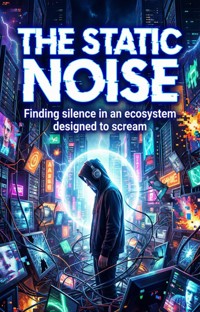
"The Static Noise – Finding silence in an ecosystem designed to scream" is a survival guide for the information age. It treats digital notifications, news tickers, and social media feeds not as "content," but as "cognitive pollution" or static noise that degrades the quality of human thought. The book argues that we have lost the ability to hear our own intuition because the background volume of the world has been turned up too high. Tech-sociologist Mark Fisher explores the design ethics of the attention economy, showing how algorithms are tuned to create anxiety because anxiety drives engagement. The book offers a philosophy of "Digital Stoicism"—not rejecting technology, but refusing to let it dictate one's emotional state. It provides text-based mental exercises to "tune out" the static and reclaim the mental bandwidth needed for deep reflection. "The Static Noise" is for anyone who feels chronically overwhelmed but under-informed. It teaches the reader to become a gatekeeper of their own mind, filtering out the signal from the noise to find clarity in a chaotic digital landscape.
Sie lesen das E-Book in den Legimi-Apps auf:
Seitenzahl: 208
Veröffentlichungsjahr: 2026
Das E-Book (TTS) können Sie hören im Abo „Legimi Premium” in Legimi-Apps auf:
Ähnliche


















Table of Contents
Chapter 1: Understanding the Static Noise
Defining Static Noise
The Mechanisms of Attention Economy
The Impact of Social Media on Mental Health
Cultivating Mindfulness in a Noisy World
The Philosophy of Digital Stoicism
Strategies for Filtering Out the Noise
Chapter 2: The Attention Economy Explained
Understanding the Attention Economy
The Impact of Social Media on Mental Health
The Role of Design in Driving Engagement
Digital Stoicism: Refusing to be a Victim
Chapter 3: Recognizing the Signs of Social Media Addiction
Understanding Social Media Addiction
Behavioral Signs of Addiction
Psychological Implications
Cultivating Self-Awareness
Chapter 4: The Role of Silence in Mental Health
The Essence of Silence
Benefits of External Silence
Activities to Cultivate Silence
Finding Silence in a Noisy World
The Mindfulness Connection
Chapter 5: Mindfulness in a Distraction-Heavy World
Understanding Mindfulness
Mindfulness Techniques for Everyday Life
Overcoming Challenges to Mindfulness
Cultivating a Mindful Mindset
Building a Mindful Community
Chapter 6: Digital Stoicism – A New Approach
Understanding Digital Stoicism
Setting Digital Boundaries
Mindfulness in Technology Use
Emotional Intelligence and Technology
Chapter 7: Cognitive Pollution and Its Effects
Defining Cognitive Pollution
Sources of Cognitive Pollution
Consequences of Cognitive Pollution
Strategies to Combat Cognitive Pollution
Chapter 8: Filtering Out the Noise
Understanding the Noise
Setting Clear Boundaries
Curating Your Digital Environment
Practicing Mindfulness in Technology Use
Chapter 9: Reconnecting with Nature
The Healing Power of Nature
Practical Ways to Integrate Nature into Daily Life
The Science Behind Nature's Effects
Overcoming Barriers to Nature Exposure
Chapter 10: Building Healthy Digital Habits
Understanding Digital Habits
The Importance of Intentionality
Establishing Rituals
Creating Boundaries
Embracing Silence and Disconnect
Cultivating Community Support
Chapter 11: The Future of Digital Wellbeing
Understanding the Evolving Landscape
Innovations for Digital Wellbeing
Addressing the Challenges of the Attention Economy
Cultivating Digital Stoicism
Chapter 12: Practical Exercises for Tuning Out
The Power of Reflection
Mindful Breathing Techniques
Digital Detox Strategies
Reconnecting with Nature
Creating a Mindful Morning Routine
Learning to Say No
Chapter 13: A Community of Like-Minded Individuals
The Role of Community in Digital Wellbeing
Finding the Right Community
Building a Supportive Environment
Engaging with Digital Stoicism
Chapter 14: Embracing Technology Wisely
Understanding the Duality of Technology
Setting Healthy Boundaries
Curating Digital Environments
The Role of Mindfulness in Technology Use
Leveraging Technology for Personal Development
The Future of Our Digital Interactions
Chapter 15: Personal Stories of Transformation
Finding Clarity in Chaos
Reconnecting with Real Life
Cultivating Mindfulness
Personal Boundaries in the Digital Age
Chapter 16: The Journey Ahead – Maintaining Your Digital Wellbeing
Understanding Digital Wellbeing
Strategies for Sustaining Digital Wellbeing
Building a Supportive Environment
Continuous Learning and Adaptation
Embracing Clarity: Your Path to Peace
Chapter 1: Understanding the Static Noise
In today's fast-paced information age, we are inundated with digital notifications, social media alerts, and constant news updates. This chapter introduces the concept of static noise—the pervasive cognitive pollution that distracts us from our inner voice and intuition. We will explore how our mental bandwidth is consumed by the overwhelming volume of information, making it crucial to identify this noise and understand its effects on our well-being.
Defining Static Noise
Static noise refers to the inundation of information that bombards us daily, from notifications to social media updates. By defining static noise, we can recognize how it impacts our concentration and peace of mind.
Digital notifications create constant distractions.
In the modern world, digital notifications have become ubiquitous, functioning as incessant reminders that pull our attention in multiple directions. Every ping, beep, or buzz from our devices serves as a tiny disruption, nudging us away from whatever we were focused on. This constant barrage of notifications disrupts our concentration, creating a state where we feel compelled to respond instantly.
Moreover, the psychological effects of these interruptions can be significant. Research indicates that each distraction takes time to recover from, often extending beyond the initial disruption. This places a strain on our cognitive resources, making it difficult to engage in sustained attention on any single task. Consequently, we find ourselves in a state of perpetual distraction, where our ability to immerse ourselves in deeper, more meaningful activities is compromised.
Static noise leads to fragmented attention spans.
The concept of static noise encapsulates how constant exposure to digital stimuli fractures our ability to maintain prolonged focus. This fragmentation is not merely an annoyance but has deeper implications for our cognitive functioning. Studies have shown that our attention span has dwindled significantly in the last decade, and one of the primary culprits is the incessant flow of information from our devices.
As we flit from one notification to another, our minds become accustomed to a style of shallow processing. Instead of engaging deeply with one idea or task, we divide our attention across multiple superficial engagements. This cognitive fragmentation hinders our productivity and creativity, as deep work often requires a level of focus that is increasingly difficult to achieve amidst the static noise of digital engagements.
Increased digital interaction reduces face-to-face communication.
The descent into a digitally dominated interaction model has led to a noticeable decline in genuine face-to-face communication. As individuals find themselves increasingly engaged with screens, opportunities for meaningful, personal interactions diminish. This shift towards digital communication can result in feelings of isolation and disconnection from our immediate environment and the people in it.
While digital platforms offer convenience, they often lack the emotional richness and nuanced understanding afforded by in-person conversations. Body language, tone of voice, and immediate feedback are essential to human interaction, elements that are frequently lost in text or online exchanges. As we prioritize digital interactions over traditional communication, we may inadvertently contribute to a cycle of loneliness and disconnection, exacerbated by the static noise that permeates our lives.
Static noise diminishes our capacity for deep thinking.
Deep thinking requires an environment of mental clarity and sustained focus, both of which are increasingly compromised in the noisy landscape of digital distractions. The pervasive static noise interrupts our thought processes, making it challenging to engage in complex problem-solving or creative endeavors. When our attention is continually pulled by notifications and information overload, intellectual engagement and contemplative thought decline.
This decline can result in a lack of critical reflection, suppressing our ability to develop nuanced ideas and constructive insights. To counteract this, cultivating designated times for silence and reflection can restore our mental capacity for deep thinking. By consciously filtering out static noise, we can reclaim the cognitive space necessary for thoughtful analysis and creativity, essential skills in both personal and professional realms.
The Mechanisms of Attention Economy
The attention economy leverages our innate desires for connection and validation. Understanding its mechanisms is crucial to navigate the overwhelming amounts of information effectively.
Algorithms are designed to maximize engagement through anxiety.
The core of the attention economy lies in the design of algorithms that manipulate user emotions to drive engagement. These algorithms are systematically crafted to trigger feelings of anxiety by creating a sense of urgency or fear of missing out (FOMO). For instance, notifications often alert users to "urgent" updates that may not actually impact their lives, yet they compel users to check their devices constantly.
This design strategy feeds into a cycle where anxiety prompts engagement, leading to even more notifications, which in turn elevates stress levels. As users scroll through endless feeds, they may feel a heightened sense of dissatisfaction or comparison, fueling an emotional rollercoaster. The constant push for engagement ultimately leads individuals to relinquish their autonomy over attention, entrapping them in a loop of anxiety-driven consumption.
Social media platforms thrive on our need for instant feedback.
Social media platforms are expertly crafted to exploit our inherent need for connection and validation. Likes, shares, and comments serve as instantaneous feedback mechanisms, offering users a dopamine hit that reinforces their online behavior. This instant gratification fosters a dependency on social validation, leading to repeated checking of notifications and feeds.
The need for approval becomes a primary driver of user engagement, distorting our relationship with technology. As users seek more feedback, they find themselves investing emotional energy in online interactions, often at the expense of real-world relationships. Recognizing this dynamic is essential; it allows individuals to reframe their usage of social media, focusing on meaningful interactions rather than superficial validation.
The more you scroll, the less time you have for reflection.
The act of endlessly scrolling through content impacts our capacity for deep thought and self-reflection. Each swipe or click is designed to keep users engaged, often sacrificing critical thinking and introspection for the sake of fleeting entertainment. This distraction not only fragments attention but robs individuals of their ability to process emotions and thoughts fully.
As we consume information mindlessly, the opportunity for contemplation diminishes. Reflection is vital for personal well-being, as it enables us to connect with our inner voice and make sense of experiences. By consciously limiting our time on social media and content consumption, we can reclaim space needed for reflection, fostering clearer thinking and mental clarity.
The cycle of continuous notifications breeds dependency.
The omnipresence of notifications creates a cycle of dependency that can be difficult to break. Each ping or alert signals potential content that demands immediate attention, reinforcing the habit of checking devices relentlessly. Over time, this leads to a conditioned response where the brain craves these interruptions, mistaking them for essential stimuli, much like an addiction.
This constant checking often disrupts our daily activities and interpersonal connections. Dependency on notifications detracts from the quality of present moments and the ability to engage in deeper conversations or meaningful tasks. To combat this, individuals can take proactive steps by adjusting notification settings and setting boundaries on their device usage. By controlling this cycle, we can cultivate healthier habits and improve our overall mental well-being.
The Impact of Social Media on Mental Health
Social media has become a staple in our daily lives, but its effects on mental health are often overlooked. Analyzing this impact is vital for understanding the role of static noise.
Constant comparisons can lead to feelings of inadequacy.
In the realm of social media, users often find themselves engaged in a relentless cycle of comparison. The curated lives presented on platforms such as Instagram or Facebook frequently appear as unattainable ideals, leading to negative self-assessment. This phenomenon can exacerbate feelings of inadequacy, as individuals measure their worth against a distorted reality shaped by selective sharing.
As users scroll through endless highlight reels of other people's lives, the subconscious mind absorbs these images, often internalizing a sense of failure or limitation. This can undermine self-esteem and contribute to mental health issues such as depression and anxiety. Moreover, when constant comparison becomes a norm, it may even discourage authentic self-expression, as individuals feel pressured to conform to prevailing societal standards.
Information overload fuels anxiety and stress responses.
Social media platforms are designed to keep users engaged, leading to an overwhelming influx of information. This constant barrage contributes to what is known as information overload, where the sheer volume of incoming data becomes unmanageable. Users who frequently check their feeds may feel an acute sense of anxiety as they grapple with the pressure to remain updated and informed.
The cumulative effect of this excess information fosters a state of cognitive dissonance, putting users' minds under stress. Mental resources are exhausted as individuals struggle to discern important information from superfluous data, increasing mental fatigue. This unrelenting need to filter through notifications and alerts can detract from individuals' capacity to focus on meaningful tasks and deeper reflections.
FOMO (Fear of Missing Out) is amplified by social media activity.
FOMO, or the Fear of Missing Out, is a potent psychological phenomenon exacerbated by social media engagement. As users witness friends partaking in exciting events or exclusive gatherings, a sense of urgency arises to stay connected and included. This feeling is particularly intensified by the immediacy of social media, where real-time updates showcase moments that users may simultaneously envy and desire.
This anxiety can lead to compulsive checking of notifications, and a chronic state of alertness, leaving individuals feeling perpetually unsatisfied. The fear of not being a part of shared experiences can detract from present moments, as individuals focus on what they might be missing instead of appreciating their current surroundings. Thus, rather than enriching life, social media can deepen a sense of isolation and disconnection.
Echo chambers perpetuate anxiety over differing opinions.
Social media platforms often create echo chambers, spaces where users encounter only viewpoints that mirror their own. This can reinforce pre-existing beliefs and breed anxiety when faced with differing opinions. When individuals are frequently exposed to congruent perspectives, they may become increasingly intolerant of opposing views, leading to heightened stress and social discord.
This isolation from diverse thoughts not only hampers critical thinking but also prolongs feelings of anxiety regarding current social issues. The inability to process a variety of opinions can cultivate a skewed worldview, making constructive dialogue seem threatening rather than enlightening. Such emotional barriers reinforce mental stress and have implications for overall mental health, illustrating the nuanced roles that social media play in influencing our thoughts and feelings.
Cultivating Mindfulness in a Noisy World
Mindfulness offers a practical way to reclaim our focus and silence the static noise. By incorporating mindfulness practices, we can improve our mental clarity and overall well-being.
Mindfulness helps us become aware of our surroundings and thoughts.
Mindfulness is a powerful practice that encourages us to cultivate awareness of our inner and outer experiences. In a world where distractions constantly vie for our attention, this heightened awareness allows us to observe our thoughts and emotions without judgment. By simply pausing to notice our surroundings, we can reconnect with the present moment, creating space between stimuli and our reactions.
This process of observation not only enhances our mindfulness but also empowers us to discern between cognitive pollution and genuine thought. When we recognize the static noise of digital distractions—like incessant notifications or social media feeds—we can choose to disengage from them. As we foster a deeper understanding of our thoughts and feelings, we become less reactive and more intentional, leading to improved emotional resilience and mental clarity.
Setting boundaries around technology usage enhances mental health.
In an age dominated by digital media, establishing boundaries around technology is essential for preserving our mental health. These boundaries can be as simple as designating specific times to check emails or social media, or implementing device-free zones in our homes. By intentionally controlling our technology interactions, we create healthier habits that promote balance.
Setting such limits allows us to reclaim our time and mental bandwidth. It diminishes the overwhelming influx of information and reduces the likelihood of experiencing anxiety, which often stems from constant connectivity. When we prioritize our well-being by disconnecting periodically, we provide ourselves the opportunity to engage in deeper, more meaningful activities, cultivating a lifestyle that values presence over perpetual distraction.
Regular meditation can reduce stress and improve concentration.
Meditation is a cornerstone of mindfulness practice and has been extensively studied for its mental health benefits. Engaging in regular meditation can significantly reduce stress levels, promoting a sense of calm and clarity. As we train our minds to focus on the present, we enhance our ability to concentrate, making it easier to tune out the static noise of the outside world.
This focused practice encourages mental fortitude and cultivates an inner stillness that counters the chaos of our information-saturated environment. By dedicating even a few minutes each day to meditation, we equip ourselves with tools to manage stress and improve our cognitive capabilities, ultimately enriching our daily lives and enhancing our overall well-being.
Mindfulness practices help re-establish the connection with our intuition.
In a culture that often prioritizes external validation and information overload, mindfulness practices serve as a vital bridge back to our intuitive selves. Engaging in mindfulness helps quiet the external clamor, allowing us to access our inner wisdom and instincts. Techniques such as mindful breathing or body scanning can ground us in our physical sensations, facilitating a reconnection with our intuition.
As we practice tuning into ourselves through mindfulness, we begin to discern what truly matters and what aligns with our core values. This reconnection empowers us to make choices that are not just reactive but are deeply informed by our true feelings and instincts. In essence, mindfulness becomes a tool for navigating the complexities of modern life, ensuring that our decisions stem from a place of clarity rather than confusion.
The Philosophy of Digital Stoicism
Digital stoicism encourages us to engage with technology on our own terms, rather than letting it influence our emotional states. This section introduces the principles of digital stoicism.
Digital stoicism advocates for emotional resilience in the face of noise.
Digital stoicism is rooted in the idea that we can cultivate emotional resilience to navigate the constant barrage of digital noise. In an age where every notification and alert pulls our attention, developing a stoic mindset helps us respond to distractions with composure. Rather than being swept away by emotions triggered by social media or news cycles, we can learn to observe our feelings and assess their validity.
This approach encourages us to recognize that external factors, such as online comments or trending topics, do not have to dictate our internal state. By maintaining a level of detachment, we gain the ability to focus on what truly matters, allowing for deeper connections with ourselves and others. Ultimately, this emotional resilience enables us to harness the power of technology without being overwhelmed by its inherent noise.
Refusing to let technology dictate your mood fosters autonomy.
In the realm of digital stoicism, autonomy is crucial. When we allow technology to dictate our emotional responses, we become passive consumers of information rather than active participants in our lives. By asserting control over our technology use, we reclaim our emotional landscape. This means setting boundaries around social media engagement and consciously choosing when and how to interact with digital content.
For example, disabling non-essential notifications or curating a social media feed that prioritizes positivity can significantly reduce anxiety. This conscious refusal to let external stimuli affect our mood empowers us to maintain a sense of agency in our digital interactions. In this way, autonomy serves as a protective barrier against the emotional volatility often created by the attention economy, enabling a more considered and intentional approach to technology.
Practicing gratitude helps combat negative online experiences.
Gratitude is a powerful antidote to the pervasive negativity often encountered online. In the context of digital stoicism, cultivating a gratitude practice can mitigate the adverse effects of social media and news consumption. When we consciously focus on the positive aspects of our lives, we create a buffer against the overwhelming static noise.
For instance, taking time each day to reflect on what we appreciate, whether it's a supportive friend or a beautiful moment in nature, shifts our attention away from distressing content. This simple yet profound practice can reshape our emotional landscape, fostering resilience and improving our overall well-being. Additionally, expressing gratitude online or sharing positive experiences can contribute to healthier digital spaces, counteracting the negativity that often dominates our feeds.
Developing a personal philosophy can enhance decision-making regarding tech use.
A well-defined personal philosophy offers a framework for navigating the complexities of technology and its impacts on our lives. Embracing digital stoicism involves creating guiding principles based on our values, enabling us to make more intentional choices about our tech usage. For instance, we might prioritize connection over consumption, ensuring that our online interactions are meaningful rather than mindless.
This personal philosophy serves as a compass for our decision-making, helping us to filter out the noise that doesn't align with our values. By reflecting on the purpose behind our technological engagements, we can align our actions with our intentions, fostering a healthier relationship with the digital world. This intentionality not only promotes clarity but also enhances our overall mental health, allowing us to thrive in an ecosystem designed to scream.
Strategies for Filtering Out the Noise
Identifying effective strategies to filter out static noise can significantly improve our mental clarity. This section proposes methods to help reclaim focus.
Establish technology-free zones or times to encourage silence.
Creating technology-free zones or designated times in your daily routine can significantly enhance your mental clarity. These spaces or intervals are meant to be distractions-free, allowing you to cultivate a peaceful environment. You might designate a specific area in your home, like a reading nook, where digital devices are not permitted. Similarly, consider setting aside certain hours each evening where all screens are turned off, enabling you to engage in activities that promote mindfulness and reflection.
In these tech-free moments, you can reconnect with your thoughts or indulge in leisure activities like reading, journaling, or meditating. This practice not only helps in turning down the volume of external noise but also empowers you to nurture your inner voice, facilitate deeper connections with others, and improve your overall mental well-being. By intentionally carving out these quiet spaces, you create a sanctuary for your mind to rejuvenate and thrive.
Curate your digital content to remove sources of negative engagement.
To effectively manage the static noise in your digital life, it's essential to curate the content you consume. Take a critical look at your social media feeds, news subscriptions, and online communities. Identify sources that evoke negative emotions, foster anxiety, or contribute to dissonance in your thoughts. Unfollow accounts that do not align with your values or bring you joy, and seek out content that uplifts and inspires you.
This selective approach to digital consumption can pave the way for a healthier mental state. By engaging with positive, constructive content, you develop stronger emotional resilience against the more toxic aspects of the online world. Remember, the goal is not to deny reality but to craft a healthier digital experience. When you fill your feeds with enriching content, you optimize your mental bandwidth for reflection and mindfulness, successfully filtering out the detrimental static.
Limit notifications to essential communications only.
In an age where notifications relentlessly vie for our attention, limiting these alerts is a powerful strategy for filtering out noise. Begin by categorizing your notifications—identify which ones are essential and which contribute only to distraction. This could involve silencing notifications from social media platforms or non-essential apps while keeping alerts from your professional communications or family.
By minimizing interruptions, you create a more focused environment that allows for uninterrupted thought and deeper engagement with the tasks at hand. Setting specific times to check notifications rather than responding immediately can also help maintain your mental clarity. This mindful approach to notifications fosters a sense of control over your digital interactions, enabling you to reclaim precious mental space from the onslaught of cognitive pollution.
Take regular breaks from screens to reset your mental state.
Screen fatigue is a common consequence of our hyper-connected lives, and regularly taking breaks can help reset mental clarity. A simple technique is the 20-20-20 rule: every 20 minutes, look at something 20 feet away for at least 20 seconds. This practice reduces eye strain and mental clutter, redirecting your focus when you return to your tasks.
Incorporating longer breaks into your daily routine can be equally beneficial. Step outside, take a short walk, or simply sit in silence without digital distractions. These breaks not only allow your mind to breathe but also encourage moments of reflection that can lead to insights and creative ideas. Cultivating this habit helps counteract the overwhelming static noise and gradually improves your overall mental health and clarity.
Chapter 2: The Attention Economy Explained
The attention economy is a critical aspect of our digital landscape. In this chapter, we will discuss how social media platforms and content creators are designed to capture our attention, often at the cost of our mental health. We will look at the mechanisms behind this economy and why our attention is the most valuable commodity in a world filled with distractions.
Understanding the Attention Economy
The attention economy refers to the way digital platforms and services compete for user attention as a limited resource. In a world full of distractions, companies have created strategies to capture and hold this attention, often prioritizing engagement over user wellbeing.
Attention as a Commodity
In the attention economy, user focus is treated as a highly valuable asset, akin to traditional commodities like oil or gold. Companies recognize that our attention is limited and, therefore, worth competing for. Social media platforms, search engines, and various applications meticulously analyze user behavior, seeking to optimize content delivery to maximize time users spend on their sites.
This focuses not only on attracting users but also on keeping them engaged for as long as possible. Every click, every like, and every moment spent scrolling is meticulously tracked and analyzed. This data informs the algorithms that curate content in a way that keeps our attention diverted from meaningful engagement to passive consumption. As a result, the potential for deep thought and reflection diminishes, overshadowed by a relentless stream of notifications and updates.
The Role of Algorithms




