


4,49 €
Mehr erfahren.
- Herausgeber: Cactus Publishing House
- Kategorie: Ratgeber
- Sprache: Englisch
Does getting out of bed feel harder on cold mornings? Do your joints protest a little louder when the temperature drops? You're not alone.
Thousands of seniors face these same challenges every winter. But here's the wonderful truth: you don't have to let the winter weather decide how good you feel.
Picture starting your day feeling loose, limber, and confident. Imagine bending down to pick up your grandchild without wincing, or climbing stairs without holding your breath.
Think about moving through your day with more energy, less pain, and a renewed sense of independence. These aren't just dreams – they're real possibilities, achievable in just 15 minutes a day.
This isn't another exercise book filled with impossible moves or complicated routines. This is your gentle companion through the winter months, carefully crafted for real bodies with real aches and pains.
Whether you're dealing with arthritis, recovering from surgery, or simply want to stay strong and stable during the slippery season, these exercises meet you exactly where you are.
Why 15 minutes? Because that's all it takes to make real changes in how you feel and move. It's long enough to be effective but short enough to be doable – even on those days when motivation is hard to find. These movements can be done in your pajamas, by your bedside, or in your favorite chair.
Don't let another winter pass by watching life through your window. Don't let the fear of falling keep you from living fully. Your strength, balance, and confidence are still within reach – and they start with just 15 minutes a day.
The power to change how you feel is in your hands. Are you ready to discover what 15 minutes can do for you?
Das E-Book können Sie in Legimi-Apps oder einer beliebigen App lesen, die das folgende Format unterstützen:
Veröffentlichungsjahr: 2024
Ähnliche





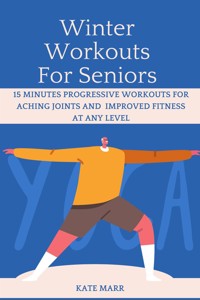
Winter Workouts For Seniors
15 Minutes Progressive Workouts for Aching Joints, Body Pain, and Improved Fitness at Any Level
Kate Marr
COPYRIGHT © 2024 KATE Marr
All rights reserved. No part of this book may be reproduced, stored in a retrieval system, or transmitted in any form or by any means, without the prior written permission of the publisher, except in the case of brief quotations embedded in critical articles or reviews.
Legal Notice:
This book is copyright protected. This book is only for personal use. You cannot amend, distribute, sell, use, quote or paraphrase any part, or the content within this book, without the consent of the author or publisher.
Disclaimer Notice:
Please note the information contained within this document is for educational and entertainment purposes only. All effort has been executed to present accurate, up-to-date, reliable, and complete information. No warranties of any kind are declared or implied. Readers acknowledge that the author is not engaging in the rendering of legal, financial, medical or professional advice. The content within this book has been derived from various sources. Please consult a licensed professional before attempting any techniques outlined in this book.
By reading this document, the reader agrees that under no circumstances is the author responsible for any losses, direct or indirect, which are incurred as a result of the use of the information contained within this document, including, but not limited to, errors, omissions, or inaccuracies.
Coordination Editor: Alex Morgan
Manufacturing Supervisor: Jordan Taylor
Photography Copyright © 2021 Samira Bennett. Styled by Taylor Smith.
Pages 12–End: Images licensed from Vecteezy, iStock, and Alamy.
Winter Workouts For Seniors
With deep gratitude to all the elders who have gone before us, keeping the knowledge alive.
Table of Contents
Introduction
How to Use This Book
Safety First
Setting Up Your Indoor Workout Space
Safety as Top Priority
Why This Workout Plan Works So Well
What You'll Get From This Program
Understanding the Exercises by Body Parts
Upper Body Exercises
Lower Body Exercises
Core Exercises
4-Week Training Plans
Week 1: Getting Started
Week 2: Building Up
Week 3: Getting Stronger
Week 4: Peak Week
Plan 2: Split Training
Week 1: Learning the Moves
Week 2: Building Strength
Week 3: Adding Intensity
Week 4: Putting It All Together
WORKOUT 1
Gentle Russian Twist
Modified Burpee Squat Thrust
Side Leg Raises
Knee Raises
Calf Raises
Alternating Side Lunges
High Knees
Marching Bridges
Lunge Step
Plank Hip Dips
Flutter Kicks
Air Squat
Side Leg Deadlifts
Bicep Curls
Bent Leg Raises
Oblique Crunch
Donkey Kicks
Jump Squat
WORKOUT 2
Toe Reach Stretch
Hammer Curls
Plate Lunge
Knee to Elbow Kickback
Snap Jump
Single Arm Lateral Raise
Knee Push-Ups
Dip to Kick
Ab Bike
Dead Bug
Kneeling Squat
Advanced Side Leg Bridges
Mountain Climber
Toe Taps
WORKOUT 3
Plank to Toe Reach
Leg Raises
Bent Leg V-up
Bicep Curls with Weights
Kneeling Push-Up
Plank to Downward Dog
Front Raises
Knee Plank to Elbow
Standing Leg Abduction
Bear with Shoulder Touch
Plank Jack
Banded Donkey Kick
Plank Rotation
Standing Glute Kickback
Single Leg Reach
Curtsy Lunge
One Knee Push Up
WORKOUT 4
Towel Push
Clamshell
Bulgarian Split Squat
Lunge
Squat
Walking Lunges
Walking High Kicks
Glute Bridge
Squat Pulse
Reverse Lunges
Towel Pull
Weighted Russian Twist
Cat-Cow Stretch
Forward Lunge
Weighted Bird Dog
Romanian Deadlift to Squat
Plank with Leg Lift
WORKOUT 5
Bicep Curl
Single Leg Romanian Deadlift
Standing Calf Raise
Dumbbell Romanian Deadlift
Dumbbell Lateral Raise
Single Arm Shoulder Press
Goblet Reverse Lunge
Dumbbell Lunge
Dumbbell Curl to Press
Plank Row
Plank with Single Arm Row
About the Author
Introduction
As winter settles in with its shorter days and chilly temperatures, many seniors find themselves spending more time indoors. This book arrives as your companion for maintaining an active, healthy lifestyle despite the seasonal challenges. Within these pages, you'll discover how to transform your indoor space into a personal wellness center, ensuring that winter weather never stands between you and your fitness goals.
Benefits of Winter Exercise for Seniors
THE IMPORTANCE OF STAYING physically active during winter months cannot be overstated, particularly for seniors. While the natural inclination might be to hibernate until spring, maintaining regular exercise throughout the winter provides remarkable benefits that enhance both physical and mental well-being.
One of the most immediate benefits you'll notice is the positive impact on your mood and energy levels. Winter can be a challenging season emotionally, with reduced sunlight often leading to feelings of lethargy or even seasonal depression. Regular exercise serves as a powerful antidote to these winter blues. When you engage in physical activity, your body releases endorphins, often called "feel-good hormones," which naturally elevate your mood and create a sense of well-being. Many seniors report feeling more optimistic and energetic after establishing a consistent exercise routine, even on the darkest winter days.
The physical benefits of winter exercise extend far beyond mood enhancement. As we age, maintaining muscle strength becomes increasingly crucial for everyday activities. Regular exercise helps preserve muscle mass and bone density, two elements that naturally decline with age. Through consistent movement and appropriate resistance training, you can maintain the strength needed to carry groceries, climb stairs, or play with grandchildren. This strength isn't just about lifting weights – it's about maintaining independence and quality of life.
Joint health significantly improves with regular movement. You may notice that your joints feel stiffer during cold weather, making movement seem more challenging. However, regular exercise helps keep your joints lubricated and flexible. Through gentle, appropriate movement, you can reduce joint stiffness and maintain or improve your range of motion. This increased flexibility not only makes daily activities easier but also reduces the risk of injury from everyday movements.
The cardiovascular benefits of regular exercise are particularly valuable during winter months. Indoor exercise helps maintain heart health, regulate blood pressure, and improve circulation – all crucial factors for overall well-being. Good circulation becomes especially important during colder months when our bodies must work harder to maintain proper temperature regulation.
Regular physical activity also plays a vital role in maintaining balance and coordination, which becomes increasingly important as we age. Good balance reduces the risk of falls, a particular concern during icy winter conditions. By strengthening your core muscles and practicing balance exercises in a safe, indoor environment, you build confidence and capability that translates to better stability in all situations.
The cognitive benefits of exercise are equally impressive. Research consistently shows that physical activity stimulates brain function, improving memory and mental clarity. Regular exercise increases blood flow to the brain, potentially reducing the risk of cognitive decline and helping maintain sharp mental faculties. Many seniors report better concentration and clearer thinking after establishing a regular exercise routine.
Exercise also supports healthy sleep patterns, which can sometimes become disrupted during winter months when exposure to natural daylight decreases. Regular physical activity helps regulate your body's natural sleep-wake cycle, promoting better quality sleep. Good sleep, in turn, supports overall health, immune function, and emotional well-being.
How to Use This Book
This comprehensive guide has been carefully designed to meet you wherever you are on your fitness journey. Whether you're just beginning to explore regular exercise or looking to maintain an established routine during winter months, you'll find appropriate guidance and modifications to suit your needs.
The book follows a logical progression, starting with essential information about creating a safe exercise environment in your home. You'll learn how to assess your space, make necessary modifications, and gather any basic equipment that might enhance your workout experience. Don't worry – most exercises require minimal equipment, and we provide alternatives using common household items.
Each exercise section begins with detailed instructions for proper form and technique. We've included clear descriptions and explanations of why each movement matters and what benefits it provides. You'll learn how to perform each exercise safely and effectively, with modifications offered for different fitness and mobility levels.
The programs are designed to be flexible and adaptable to your schedule and energy levels. You might choose to follow our suggested weekly routines, or you may prefer to select specific exercises that target your particular areas of interest or concern. Either approach is perfectly valid – the key is finding a sustainable routine that works for you.
Throughout the book, you'll find progress tracking tools and self-assessment guides. These help you monitor your improvements over time and adjust your routine as needed. Remember, progress isn't always linear, and some days will feel better than others. The tracking tools help you recognize patterns and celebrate improvements, no matter how small they might seem.
Safety First
Before embarking on any new exercise program, it's essential to partner with your healthcare provider. This isn't just a casual suggestion – it's a crucial step in ensuring your exercise routine supports rather than compromises your health. Your healthcare provider knows your medical history, current conditions, and any medications that might affect your exercise tolerance.
During your consultation, share this book with your healthcare provider if possible. Discuss specific exercises you're interested in trying and ask about any modifications you might need. Your provider can offer valuable insights about exercises to emphasize or avoid based on your individual health situation.
Be prepared to discuss any existing health conditions that might affect your exercise routine. Common considerations include arthritis, heart conditions, osteoporosis, diabetes, and blood pressure concerns. Your healthcare provider can help you understand how these conditions might influence your exercise choices and what precautions you should take.
Understanding warning signs is another crucial aspect of exercise safety. Your healthcare provider can explain specific symptoms to watch for based on your health history. In general, you should be aware of signs that indicate you need to stop exercising and seek medical attention. These include chest pain or pressure, unusual shortness of breath, dizziness, sudden sharp pains, or irregular heartbeat.
As you progress through this book, remember that every person's fitness journey is unique. What works perfectly for one person might need modification for another. Listen to your body, respect your limits, and celebrate your progress. Regular exercise is about enhancing your life and health, not creating additional stress or strain.
This book serves as your guide and companion through winter exercise, but it works best when combined with professional medical advice and your own good judgment. Take time to read through each section carefully, practice new movements slowly, and gradually build your confidence and capability.
The journey to better health and fitness is a marathon, not a sprint. By choosing to stay active during winter months, you're making a valuable investment in your health and well-being.
Setting Up Your Indoor Workout Space
Creating the perfect indoor workout space is essential for a successful and enjoyable exercise routine, especially during the winter months. Your exercise area doesn't need to be elaborate or expensive, but it should be thoughtfully planned and organized to ensure both safety and effectiveness. Let's explore how to create your ideal indoor workout sanctuary.
Basic Equipment Needs
Starting a winter exercise program doesn't require an investment in expensive gym equipment. In fact, many effective exercises can be performed with items you likely already have in your home. However, there are several basic items that can enhance your workout experience and help you achieve better results.
Chair Requirements
THE MOST FUNDAMENTAL piece of equipment you'll need is a sturdy chair. This isn't just any chair from your dining room – it needs to be stable, preferably with a straight back and no wheels. The ideal exercise chair has a firm seat that's not too soft, arms for support when needed, and rubber feet to prevent sliding. The seat height should allow you to sit with your feet flat on the floor and your knees at approximately a 90-degree angle. This chair will serve multiple purposes: as a support for standing exercises, a base for seated movements, and a rest station when you need it.
Exercise Mat:
A NON-SLIP EXERCISE mat is another valuable investment. While not essential for every exercise, a mat provides cushioning for floor work and helps define your exercise space. Choose a mat that's at least half an inch thick to provide adequate cushioning for your joints, especially if you're exercising on a hard floor. The mat should have a non-skid bottom to prevent slipping, and it should be long enough to accommodate your full body length when lying down. If storage is a concern, many exercise mats roll up compactly when not in use.
Resistance Band:
RESISTANCE BANDS ARE versatile, inexpensive tools that can significantly enhance your workout routine. These colorful elastic bands come in different resistance levels, typically marked by different colors. Start with a lighter resistance band and progress as you build strength. Resistance bands are excellent for strengthening exercises and can be used while seated or standing. They're also lightweight and portable, making them perfect for travel if you need to maintain your routine away from home.
4. Weight Training Equipment Small hand weights, also called dumbbells, can be useful for building upper body strength. For beginners, start with weights between 1-3 pounds. Remember, it's better to use lighter weights with proper form than heavier weights with poor technique. If you're not ready to purchase weights, you can start with soup cans or water bottles filled to different levels.
5. Hydration and Timing Tools A water bottle with a secure lid should always be part of your equipment setup. Staying hydrated during exercise is crucial, and having water within easy reach encourages regular sipping throughout your workout. Choose a bottle that's easy to open and close, even with slightly sweaty hands.
A timer or clock with a clear display helps you track exercise intervals and rest periods. While you can use a phone or watch, having a dedicated timer or large-faced clock in your exercise space means you won't have to squint or fumble with devices during your workout.
Safety as Top Priority
The safety of your exercise space is paramount. A safe environment allows you to focus on your movements without worry about accidents or injuries. Begin by choosing an area with adequate space – you should be able to extend your arms fully in all directions without hitting anything. This space should also allow for movements like side steps and gentle walking in place.
1. Hazard Prevention: Clear the area of any potential tripping hazards. This includes removing or securing loose rugs, moving electrical cords against walls, and ensuring there's no clutter on the floor. If you have pets, consider exercising in a room where they won't unexpectedly run under your feet. The floor surface should be level and stable – avoid exercising on thick carpets that might affect your balance.
2. Proper Lighting: Lighting is crucial for safety. Your exercise space should be well-lit, allowing you to see clearly without shadows or glare. Natural light is excellent, but ensure you have adequate artificial lighting for cloudy days or evening workouts. Consider adding extra lighting if needed, particularly in areas where you'll be reading exercise instructions or watching your feet for proper positioning.
3. Support and Emergency: Install grab bars or ensure sturdy furniture is available for support if needed. While you may not always need support, having it available provides confidence and safety, particularly during balance exercises. Make sure any furniture you might use for support is heavy enough to remain stable if you put weight on it.




