


5,99 €
Mehr erfahren.
- Herausgeber: Shuttle Systems Ltd
- Kategorie: Ratgeber
- Sprache: Englisch
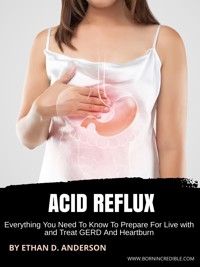
Acid Reflux: Everything You Need To Know To Prepare For Live with and Treat GERD And Heartburn is the ultimate guide for anyone who suffers from acid reflux and wants to learn everything about the condition.
This book is designed to provide a comprehensive understanding of acid reflux, from its causes and symptoms to the most effective treatments and how to live with the condition.
The book covers a wide range of topics, including the different types of acid reflux, their causes and symptoms, and the various treatment options available. Readers will learn about lifestyle changes that can help manage acid reflux, such as dietary modifications, exercise, and stress reduction techniques.
The book also explores more advanced treatments, such as medications and surgical procedures, for those who require additional support.
Written in an easy-to-read and understandable format, Acid Reflux: Everything You Need To Know To Prepare For Live with and Treat GERD And Heartburn is packed with useful information, valuable tips, and advice. It is an essential resource for anyone who wants to understand the condition and manage it effectively.
If you suffer from acid reflux or know someone who does, then this book is a must-read. It will provide you with the knowledge and tools necessary to manage your condition and improve your quality of life. With practical advice and expert guidance, this book is the ultimate resource for anyone living with acid reflux.
Das E-Book können Sie in Legimi-Apps oder einer beliebigen App lesen, die das folgende Format unterstützen:
Veröffentlichungsjahr: 2023
Ähnliche














Created by BornIncredible.com
All rights reserved.
Copyright © 2005 onwards .
By reading this book, you agree to the below Terms and Conditions.
BornIncredible.com retains all rights to these products.
No part of this book may be reproduced in any form, by photostat, microfilm, xerography, or any other means, or incorporated into any information retrieval system, electronic or mechanical, without the written permission of BornIncredible.com; exceptions are made for brief excerpts used in published reviews.
This publication is designed to provide accurate and authoritative information with regard to the subject matter covered. It is sold with the understanding that the publisher is not engaged in rendering legal, accounting, health, relationship or other professional / personal advice. If legal advice or other expert assistance is required, the services of a competent professional should be sought.
A New Zealand Made Product
Get A Free Book At: BornIncredible.com/free-book-offer/
Table of Contents
Introduction
What is Acid Reflux?
The different types of Acid Reflux
Occasional acid reflux
Silent reflux / Laryngopharyngeal Reflux (LPR)
Gerd / Gastroesophageal Reflux
Reflux esophagitis
Barrett's esophagus
Precancer or cancer
Who’s at risk for Acid Reflux
How do you get Acid Reflux
What are the symptoms of Acid Reflux
What causes Acid Reflux?
How can Acid Reflux be prevented?
How is Acid Reflux diagnosed?
How do you treat Acid Reflux?
Alternative treatments for Acid Reflux
What is the prognosis for Acid Reflux
The role of diet in Acid Reflux
The role of stress in Acid Reflux
What are the risks and complications associated with Acid Reflux?
Living with Acid Reflux
Frequently Asked Questions.
acid reflux
gastroesophageal reflux
ger
heartburn
How do I get rid of my acid reflux?
What triggers acid reflux?
How do you feel when you have acid reflux?
What are the 4 types of acid reflux?
Does water help with acid reflux?
How quickly does acid reflux go away?
How do you know if your acid is high?
Is Milk good for acid reflux?
Why am I getting acid reflux every day?
What is the difference between heartburn and reflux?
How do I test for acid reflux?
What are the red flags for acid reflux?
How do you know if your acid reflux is serious?
Can acid reflux be something serious?
What drinks are good for acid reflux?
Is Coke good for acid reflux?
Is Yogurt good for acid reflux?
When should I go to the doctor for acid reflux?
Can acid reflux heal itself?
Does burping make acid reflux worse?
How can I test my stomach acid at home?
Does stress cause acid reflux?
Are bananas good for acid reflux?
What foods to avoid if you have acid reflux?
Is Bread good for acid reflux?
Does empty stomach cause acid reflux?
Can acid reflux make you feel sick?
What are the 6 symptoms of heartburn?
How do I know if I have indigestion or acid reflux?
Which tablet is good for acidity?
What causes gastroesophageal reflux disease?
What are the 8 symptoms of GERD?
What are the warning signs of GERD?
How serious is gastroesophageal reflux disease?
How do you get GERD to go away?
What is the fastest way to cure GERD?
Where do you hurt when you have GERD?
Does stress cause GERD?
When is GERD an emergency?
What can happen if GERD is left untreated?
Can GERD go away on its own?
Can you get rid of gastroesophageal reflux disease?
Can I drink coffee with GERD?
Can lack of sleep cause acid reflux?
What to do when GERD attacks?
When should you get checked for acid reflux?
Why do I have acid reflux everyday?
How do I know if my esophagus is damaged?
How is GERD diagnosed?
What are the 4 types of GERD?
What helps acid reflux at night?
Does drinking water help heartburn?
What fruit is good for acid reflux?
Is GER the same as acid reflux?
Can GER go away?
How do u get rid of heartburn?
When should I be worried about heartburn?
What are three symptoms of heartburn?
What drink helps heartburn fast?
Will heartburn go away on its own?
Is heartburn a red flag?
Is heartburn a symptom of something serious?
Does heartburn mean heart trouble?
What triggers heartburn?
What causes sudden heartburn?
What's the difference between heartburn and indigestion?
Does milk help with heartburn?
What gets rid of heartburn at night?
What foods get rid of heartburn?
Does Gaviscon help with heartburn?
How long is too long for heartburn to last?
Where does it hurt when you have heartburn?
When should you not ignore heartburn?
Does Covid 19 feel like heartburn?
How do I know if it's just heartburn?
Can Gaviscon make reflux worse?
Why wont my heartburn go away?
Can stress cause heartburn?
What does severe heartburn feel like?
Does heartburn cause heart attacks?
What does trapped gas in chest feel like?
Do bananas help heartburn?
Is yoghurt good for acid reflux?
Why am I having so much heartburn at night?
Why is heartburn worse at night?
How do you fix silent reflux?
Will silent reflux ever go away?
What is the difference between acid reflux and silent reflux?
What is the main cause of silent reflux?
What are the signs of silent reflux?
What are the dangers of silent reflux?
Does Gaviscon help with silent reflux?
What is the best medicine for silent reflux?
How do you test for silent reflux?
What should you avoid with silent reflux?
Can you feel sick with silent reflux?
Can anxiety cause silent reflux?
Can stress cause silent reflux?
Can probiotics help silent acid reflux?
Does magnesium help with silent reflux?
Why do I have LPR all of a sudden?
Do you burp a lot with silent reflux?
What is similar to silent reflux?
Can neck problems cause acid reflux?
What does GERD anxiety feel like?
How long does LPR take to heal?
What exercise strengthens the esophageal sphincter?
What happens if LPR goes untreated?
What are the symptoms of laryngopharyngeal reflux?
Does laryngopharyngeal reflux ever go away?
How long does it take to heal laryngopharyngeal reflux?
What is the fastest way to cure LPR?
Why is LPR so hard to treat?
What makes LPR worse?
What foods to avoid with LPR?
How do you heal a LPR throat?
Can LPR damage lungs?
What is considered severe LPR?
Does Gaviscon help laryngopharyngeal reflux?
How do you get Laryngopharyngeal reflux?
Does probiotics help LPR?
When should I be concerned about LPR?
What happens if you dont treat LPR?
Is yogurt good for LPR reflux?
Do antihistamines help LPR?
What supplements are good for LPR?
How do you treat LPR naturally?
Can LPR lead to COPD?
Should I see an ENT or gastroenterologist for LPR?
What is the best antacid for LPR?
Will omeprazole cure LPR?
How long does omeprazole take to work for LPR?
Are bananas good for acid reflux?
Are blueberries good for acid reflux?
What snacks help reflux?
What is the root cause of silent reflux?
Is magnesium good for silent reflux?
What are five vitamins to stop acid reflux?
What are the 8 symptoms of GERD?
How can I get rid of GERD?
How do you know if you have a GERD?
Is GERD that serious?
What does a GERD flare up feel like?
What is the fastest way to cure GERD?
How do you fix GERD naturally?
Can I cure GERD on my own?
What foods should I avoid if I have GERD?
What is the main cause of GERD?
What does untreated GERD feel like?
How do people get GERD?
Does stress cause GERD?
Do people with GERD live long?
What are the 4 types of GERD?
How sick can GERD make you feel?
How do you test for GERD?
How long does GERD take to heal?
What is the best GERD medicine?
Does drinking water help GERD?
What is the difference between GERD and acid reflux?
Is banana good for acid reflux?
Is Milk good for acid reflux?
Can GERD cause anxiety?
What foods heal GERD?
What things make GERD worse?
What can I drink at night for acid reflux?
What are red flags for GERD?
What happens if you have GERD for too long?
How do I know if my esophagus is damaged?
What causes gastroesophageal reflux disease?
What are the warning signs of GERD?
How do you fix gastroesophageal reflux disease?
What happens if GERD is left untreated?
What foods should you avoid with GERD?
Will GERD go away?
How long does Gastroesophageal reflux last?
When should I see a doctor for GERD?
How do you know if your acid is high?
Can Gaviscon help with GERD?
Are bananas OK for GERD?
What are the best snacks for acid reflux?
Can I drink coffee with GERD?
Is GERD a symptom of anxiety?
Can lack of sleep cause acid reflux?
Can silent reflux cause panic attacks?
Is yogurt good for acid reflux?
What is the best probiotic for silent reflux?
Is Yakult drink good for acid reflux?
What vitamin deficiencies cause acid reflux?
Does Gaviscon Advance work for LPR?
Why am I getting reflux all of a sudden?
How do I know what stage of GERD I have?
Can you be hospitalized for GERD?
How can I test my stomach acid at home?
How long does it take for stomach acid to return to normal?
What foods heal the esophagus?
How can I repair my esophagus naturally?
How do I know if I have an ulcer in my esophagus?
What are the 10 most acidic foods?
What foods absorb stomach acid?
What foods help with acid reflux at night?
What drinks should I avoid with acid reflux?
Does honey and hot water help acid reflux?
Does ice cream help acid reflux?
Do sweets help with acid reflux?
What is the symptoms of reflux esophagitis?
How do you fix reflux esophagitis?
How serious is reflux esophagitis?
Does reflux esophagitis go away?
What is the most likely cause of the reflux esophagitis?
What is the difference between acid reflux and esophagitis?
What happens if esophagitis is left untreated?
How long does reflux esophagitis last?
What foods soothe esophagitis?
What naturally heals esophagitis?
What does esophagitis pain feel like?
What foods should be avoided with esophagitis?
Can you fully recover from esophagitis?
Can stress cause esophagitis?
What are the stages of esophagitis?
When should I be concerned about esophagitis?
Is banana good for esophagitis?
How did I get esophagitis?
Does esophagitis come on suddenly?
Why do I keep getting esophagitis?
How do you confirm esophagitis?
Do you feel sick with esophagitis?
Is esophagitis cancerous?
Do I need an endoscopy for acid reflux?
What can make esophagitis worse?
Does milk help esophagitis?
How do you treat esophagitis at home?
What is the best drink for esophagitis?
What drinks help heal the esophagus?
Does esophagitis go away without treatment?
How long can you live if you have Barrett's esophagus?
Can Barrett's esophagus be cured?
How long does it take for Barrett's esophagus to turn to cancer?
What is the main cause of Barrett's esophagus?
Should I worry if I have Barrett's esophagus?
What are the four stages of Barrett's esophagus?
What foods to avoid with barretts?
What is the best drink for Barrett's esophagus?
What is the best treatment for Barrett's esophagus?
What is the average age for Barrett's esophagus?
Can you stop Barrett's esophagus from progressing?
What is the new treatment for Barrett's esophagus?
How does Barrett's esophagus feel?
Is Barrett's esophagus fatal?
What foods help heal the esophagus?
Where do you feel pain with Barrett's esophagus?
How fast does Barrett's esophagus progress?
Can damage from Barrett's esophagus be reversed?
How often should you have an endoscopy if you have Barrett's esophagus?
How painful is Barrett's esophagus?
Can I drink milk with Barrett's esophagus?
Does Vitamin D Help Barrett's esophagus?
Is Magnesium good for Barrett's esophagus?
What vitamins are good for Barrett's esophagus?
What is the death rate of Barrett's esophagus?
Is Barrett's esophagus a tumor?
Do you lose weight with Barrett's esophagus?
How do you get Barrett's esophagus?
Can omeprazole reverse Barrett's esophagus?
How do you know if you have Barrett's Oesophagus?
Occasional acid reflux
Silent reflux / Laryngopharyngeal Reflux (LPR)
Gerd / Gastroesophageal Reflux
Reflux esophagitis
Barrett's esophagus
Precancer or cancer
Who’s at risk for Acid Reflux
What tea is good for acid reflux?
Have Questions / Comments?
Get Another Book Free
Introduction
Acid Reflux: Everything You Need To Know To Prepare For Live with and Treat GERD And Heartburn is the perfect book for those who suffer from Acid Reflux and want to learn everything they need to know about the condition.
This book covers a wide range of topics such as the causes of Acid Reflux, the symptoms, the treatments and how to live with the condition.
The book is full of useful information, valuable tips and advice and has been created in an easy to read and understand format.
If you suffer from Acid Reflux, or know someone who does, then this book is a must-read. It will help you to understand the condition and will provide you with the knowledge you need to manage it effectively.
What is Acid Reflux?
Acid reflux, also known as gastroesophageal reflux (GER), is a common digestive disorder that occurs when stomach acid and sometimes bile flows back into the esophagus. The esophagus is the tube that connects the mouth to the stomach. Normally, a ring of muscle called the lower esophageal sphincter (LES) prevents stomach acid from entering the esophagus. But when the LES relaxes or weakens, acid can leak into the esophagus, causing a burning sensation in the chest and throat.
Symptoms of acid reflux can vary, but common signs and symptoms include:
Heartburn, a burning sensation in the chest that can radiate to the neck, throat, or jaw
Regurgitation, a sour or bitter taste in the mouth or throat
Difficulty swallowing
Coughing or wheezing
Chest pain
Acid reflux can be an occasional or chronic condition. Occasional acid reflux is generally not a cause for concern, but chronic acid reflux can lead to more serious complications, such as esophagitis (inflammation of the esophagus), Barrett's esophagus (a precancerous condition), and esophageal cancer.
There are several factors that can contribute to the development of acid reflux, including:
Hiatal hernia: a condition in which part of the stomach protrudes through the diaphragm into the chest cavity, causing the LES to malfunction.
Obesity: Excess body weight can increase pressure on the stomach, causing acid to flow back into the esophagus.
Pregnancy: Hormonal changes and increased pressure on the abdomen during pregnancy can cause acid reflux.
Smoking: Smoking weakens the LES and increases acid production in the stomach.
Certain foods and beverages: Certain foods and drinks can trigger acid reflux, including spicy foods, fatty foods, citrus fruits, tomatoes, chocolate, caffeine, and alcohol.
Treatment for acid reflux generally involves lifestyle modifications and medication. Lifestyle modifications may include:
Avoiding trigger foods and beverages
Eating smaller, more frequent meals
Avoiding lying down for at least three hours after eating
Elevating the head of the bed
Losing weight if necessary
Quitting smoking
Medications for acid reflux include:
Antacids: Over-the-counter antacids, such as Tums and Maalox, can neutralize stomach acid.
H2 blockers: Prescription or over-the-counter medications, such as famotidine (Pepcid) and ranitidine (Zantac), can reduce the amount of acid produced by the stomach.
Proton pump inhibitors (PPIs): Prescription or over-the-counter medications, such as omeprazole (Prilosec) and lansoprazole (Prevacid), can block acid production in the stomach.
In some cases, surgery may be necessary to treat acid reflux that does not respond to medication or lifestyle changes.
If you experience symptoms of acid reflux, it's important to speak with your healthcare provider to determine the best course of treatment. With the right approach, acid reflux can be effectively managed, allowing you to enjoy a healthy, comfortable digestive system.
The different types of Acid Reflux
Acid reflux, also known as gastroesophageal reflux (GER), can manifest in different ways depending on the severity of the condition and the specific symptoms experienced by the individual. There are several types of acid reflux, including:
Occasional acid reflux: This is the most common type of acid reflux and is experienced by most people at some point in their lives. Occasional acid reflux typically occurs when the lower esophageal sphincter (LES) relaxes or weakens, allowing stomach acid to flow back into the esophagus. Occasional acid reflux may be triggered by certain foods or beverages, such as spicy or fatty foods, caffeine, or alcohol.
Gastroesophageal reflux disease (GERD): GERD is a chronic condition in which acid reflux occurs at least twice a week, leading to persistent symptoms such as heartburn, regurgitation, and difficulty swallowing. GERD can be caused by a variety of factors, including a weak LES, a hiatal hernia, obesity, or pregnancy.
Silent reflux: Silent reflux, also known as laryngopharyngeal reflux (LPR), occurs when stomach acid flows back into the throat and voice box, leading to symptoms such as hoarseness, chronic cough, and difficulty swallowing. Unlike traditional acid reflux, silent reflux may not cause heartburn or other digestive symptoms, making it difficult to diagnose.
Reflux esophagitis: Reflux esophagitis is a complication of GERD in which the lining of the esophagus becomes inflamed and irritated due to prolonged exposure to stomach acid. Symptoms of reflux esophagitis may include difficulty swallowing, chest pain, and persistent heartburn.
Barrett's esophagus: Barrett's esophagus is a rare but serious complication of GERD in which the cells in the lining of the esophagus become abnormal and increase the risk of esophageal cancer. Barrett's esophagus may be asymptomatic or may cause symptoms such as difficulty swallowing or chest pain.
The treatment for acid reflux depends on the type and severity of the condition. Occasional acid reflux can often be managed with lifestyle modifications and over-the-counter antacids, while more severe or chronic cases may require prescription medications or surgery. If you suspect that you may have acid reflux, it's important to speak with your healthcare provider to determine the best course of treatment.
Occasional acid reflux
Occasional acid reflux is the most common type of acid reflux and is experienced by most people at some point in their lives. It occurs when the lower esophageal sphincter (LES) relaxes or weakens, allowing stomach acid to flow back into the esophagus.
Symptoms of occasional acid reflux may include heartburn, a burning sensation in the chest or throat, and a sour or bitter taste in the mouth. These symptoms are often triggered by certain foods or beverages, such as spicy or fatty foods, caffeine, or alcohol.
Occasional acid reflux can typically be managed with lifestyle modifications and over-the-counter antacids. Here are some tips that may help reduce the frequency and severity of occasional acid reflux:
Avoid trigger foods: If you notice that certain foods or beverages trigger your acid reflux symptoms, try to avoid them as much as possible. Common trigger foods include spicy or fatty foods, chocolate, caffeine, and alcohol.
Eat smaller meals: Eating smaller, more frequent meals throughout the day can help reduce the amount of acid produced in the stomach, which may reduce the risk of acid reflux.
Don't lie down after eating: Wait at least 3 hours after eating before lying down or going to bed. This can help prevent stomach acid from flowing back into the esophagus.
Elevate the head of your bed: Raising the head of your bed by 6 to 8 inches can help prevent stomach acid from flowing back into the esophagus while you sleep.
Quit smoking: Smoking can weaken the LES and increase the risk of acid reflux.
Manage stress: Stress can trigger or worsen acid reflux symptoms, so finding ways to manage stress, such as exercise, meditation, or deep breathing, may be helpful.
If lifestyle modifications and over-the-counter antacids do not provide relief from occasional acid reflux, your healthcare provider may recommend prescription medications or further testing to determine the underlying cause of your symptoms. It's important to speak with your healthcare provider if you experience frequent or severe acid reflux symptoms to determine the best course of treatment.
Silent reflux / Laryngopharyngeal Reflux (LPR)
Silent reflux, also known as laryngopharyngeal reflux (LPR), is a type of acid reflux that affects the throat and voice box. Unlike traditional acid reflux, which is typically characterized by heartburn and a burning sensation in the chest, silent reflux may not cause any noticeable symptoms in the esophagus. Instead, the acid refluxes up into the throat, which can lead to irritation and inflammation.
Symptoms of silent reflux may include:
Hoarseness or a change in the voice
Chronic cough
Throat clearing
Postnasal drip
Difficulty swallowing
Sore throat
Bad breath
Ear pain
Silent reflux is often triggered by the same factors that can trigger traditional acid reflux, such as certain foods, beverages, and lifestyle habits. However, there are some additional factors that may increase the risk of developing silent reflux, such as:
Obesity
Pregnancy
Smoking
Hiatal hernia
Asthma
Treatment for silent reflux typically involves lifestyle modifications and medications to reduce the amount of acid produced in the stomach. Here are some tips that may help reduce the frequency and severity of silent reflux:
Avoid trigger foods: Certain foods and beverages can trigger silent reflux, so try to avoid them as much as possible. Common trigger foods include spicy or fatty foods, caffeine, chocolate, and alcohol.
Eat smaller meals: Eating smaller, more frequent meals throughout the day can help reduce the amount of acid produced in the stomach, which may reduce the risk of silent reflux.
Don't lie down after eating: Wait at least 3 hours after eating before lying down or going to bed. This can help prevent stomach acid from flowing back into the esophagus.
Elevate the head of your bed: Raising the head of your bed by 6 to 8 inches can help prevent stomach acid from flowing back into the esophagus while you sleep.
Quit smoking: Smoking can weaken the lower esophageal sphincter (LES) and increase the risk of silent reflux.
Manage stress: Stress can trigger or worsen silent reflux symptoms, so finding ways to manage stress, such as exercise, meditation, or deep breathing, may be helpful.
In addition to these lifestyle modifications, your healthcare provider may recommend medications to reduce the amount of acid produced in the stomach, such as proton pump inhibitors (PPIs) or H2 blockers. In some cases, your healthcare provider may recommend surgery to strengthen the LES and prevent stomach acid from flowing back into the esophagus.
If you experience frequent or severe symptoms of silent reflux, it's important to speak with your healthcare provider to determine the best course of treatment for your individual needs.
Gerd / Gastroesophageal Reflux
Gastroesophageal reflux disease (GERD) is a chronic digestive disorder that occurs when stomach acid or bile flows back into the esophagus, causing irritation and inflammation. GERD is a more severe and chronic form of acid reflux, with symptoms that can have a significant impact on a person's quality of life.
Symptoms of GERD may include:
Heartburn, a burning sensation in the chest that may occur after eating or lying down
Regurgitation, the sensation of acid flowing back into the mouth or throat
Nausea
Difficulty swallowing
Chest pain
Chronic cough
Hoarseness or sore throat
Asthma
GERD is often caused by a malfunctioning lower esophageal sphincter (LES), the ring of muscle that separates the esophagus from the stomach. When the LES doesn't close properly, stomach acid can flow back into the esophagus, causing irritation and inflammation.
There are several factors that can increase the risk of developing GERD, including:
Obesity
Pregnancy
Hiatal hernia
Smoking
Alcohol consumption
Certain medications, such as antihistamines, calcium channel blockers, and nitrates
Treatment for GERD typically involves lifestyle modifications and medications to reduce the amount of acid produced in the stomach. Here are some tips that may help reduce the frequency and severity of GERD:
Avoid trigger foods: Certain foods and beverages can trigger GERD, so try to avoid them as much as possible. Common trigger foods include spicy or fatty foods, caffeine, chocolate, and alcohol.
Eat smaller meals: Eating smaller, more frequent meals throughout the day can help reduce the amount of acid produced in the stomach, which may reduce the risk of GERD.
Don't lie down after eating: Wait at least 3 hours after eating before lying down or going to bed. This can help prevent stomach acid from flowing back into the esophagus.
Elevate the head of your bed: Raising the head of your bed by 6 to 8 inches can help prevent stomach acid from flowing back into the esophagus while you sleep.
Quit smoking: Smoking can weaken the lower esophageal sphincter (LES) and increase the risk of GERD.
Manage stress: Stress can trigger or worsen GERD symptoms, so finding ways to manage stress, such as exercise, meditation, or deep breathing, may be helpful.
In addition to these lifestyle modifications, your healthcare provider may recommend medications to reduce the amount of acid produced in the stomach, such as proton pump inhibitors (PPIs) or H2 blockers. In some cases, your healthcare provider may recommend surgery to strengthen the LES and prevent stomach acid from flowing back into the esophagus.
If you experience frequent or severe symptoms of GERD, it's important to speak with your healthcare provider to determine the best course of treatment for your individual needs. Untreated GERD can lead to complications such as esophagitis, esophageal ulcers, and Barrett's esophagus, a condition that increases the risk of developing esophageal cancer.
Reflux esophagitis
Reflux esophagitis is a type of gastroesophageal reflux disease (GERD) that is caused by inflammation and irritation of the lining of the esophagus due to chronic acid exposure. It is a more severe form of GERD and can lead to complications such as ulcers, bleeding, and strictures (narrowing of the esophagus).
GERD occurs when stomach acid and other contents of the digestive system flow back up into the esophagus, causing symptoms such as heartburn, regurgitation, and difficulty swallowing. Reflux esophagitis is characterized by the presence of inflammation and irritation in the lining of the esophagus, which can be seen on an endoscopy.
Symptoms of reflux esophagitis include heartburn, chest pain, difficulty swallowing, and nausea. In severe cases, patients may experience vomiting, bleeding, or unintentional weight loss. It is important to see a doctor if you experience persistent symptoms of reflux esophagitis, as it can lead to more serious complications over time.
Treatment for reflux esophagitis involves reducing acid production in the stomach, improving the function of the lower esophageal sphincter (the muscle that separates the esophagus from the stomach), and protecting the lining of the esophagus from further damage. This may involve lifestyle changes such as weight loss, avoiding trigger foods, and elevating the head of the bed while sleeping. Medications such as proton pump inhibitors (PPIs) and H2 blockers can also be used to reduce acid production.
In some cases, surgical intervention may be necessary to repair the lower esophageal sphincter or to remove damaged tissue from the esophagus. Your doctor can help determine the most appropriate treatment plan for your individual case of reflux esophagitis.
Barrett's esophagus
Barrett's esophagus is a condition in which the lining of the esophagus is replaced with tissue that is similar to the lining of the intestine. It is a complication of gastroesophageal reflux disease (GERD) and is associated with an increased risk of developing esophageal cancer.
GERD occurs when stomach acid and other contents of the digestive system flow back up into the esophagus, causing symptoms such as heartburn, regurgitation, and difficulty swallowing. Over time, the chronic exposure to acid can cause changes in the lining of the esophagus. In some cases, this can lead to the development of Barrett's esophagus.
Barrett's esophagus often does not cause any symptoms, but it can be diagnosed through an endoscopy, which is a procedure in which a flexible tube with a camera on the end is inserted into the esophagus. During the endoscopy, the doctor can take a biopsy of the tissue in the esophagus to confirm the diagnosis of Barrett's esophagus.
Because of the increased risk of esophageal cancer associated with Barrett's esophagus, patients with this condition are often monitored closely with regular endoscopies and biopsies. Treatment for Barrett's esophagus may involve medications to reduce acid production in the stomach and lifestyle changes to reduce the risk of further damage to the esophagus.
In some cases, more aggressive treatment may be necessary, such as endoscopic resection of the abnormal tissue or surgery to remove a portion of the esophagus. Your doctor can help determine the most appropriate treatment plan for your individual case of Barrett's esophagus.
It is important to seek medical attention if you experience persistent symptoms of GERD, such as heartburn or difficulty swallowing, as this can increase the risk of developing Barrett's esophagus and other complications.
Precancer or cancer
Esophageal cancer is a type of cancer that starts in the cells lining the esophagus, the muscular tube that carries food and liquids from the throat to the stomach. Chronic gastroesophageal reflux disease (GERD) is a known risk factor for developing esophageal cancer.
When stomach acid and other contents of the digestive system flow back up into the esophagus over a long period of time, it can cause chronic inflammation and irritation of the lining of the esophagus. This can lead to the development of changes in the cells of the esophagus, a condition called Barrett's esophagus, which is a precursor to esophageal cancer.
The risk of developing esophageal cancer from GERD is relatively low, but the risk increases with the duration and severity of the disease. Other factors that can increase the risk of developing esophageal cancer include smoking, heavy alcohol use, obesity, and a family history of the disease.
Symptoms of esophageal cancer may include difficulty swallowing, chest pain, weight loss, and persistent cough. However, in some cases, there may be no symptoms until the cancer has spread to other parts of the body.
Diagnosis of esophageal cancer usually involves an endoscopy, which is a procedure in which a flexible tube with a camera on the end is inserted into the esophagus. During the endoscopy, the doctor can take a biopsy of the tissue in the esophagus to confirm the diagnosis of esophageal cancer.
Treatment for esophageal cancer depends on the stage of the disease and may include surgery, radiation therapy, and chemotherapy. Early detection is key to successful treatment, so it is important to seek medical attention if you experience any persistent symptoms of GERD or other symptoms that may be related to esophageal cancer.
Prevention of esophageal cancer involves managing risk factors, such as quitting smoking, reducing alcohol consumption, and maintaining a healthy weight. Treatment of GERD may also help reduce the risk of developing esophageal cancer. If you have a family history of esophageal cancer or other risk factors, talk to your doctor about whether you may be a candidate for screening tests to detect the disease early.
Who’s at risk for Acid Reflux
Acid reflux can affect anyone, but certain factors can increase the risk of developing the condition. Some of the common risk factors for acid reflux include:
Obesity: Excess weight can put pressure on the stomach, forcing stomach acid back up into the esophagus.
Pregnancy: The increased pressure on the stomach during pregnancy can cause acid reflux.
Hiatal hernia: A hiatal hernia is a condition in which the upper part of the stomach bulges through the diaphragm into the chest cavity. This can make it easier for stomach acid to flow back up into the esophagus.
Smoking: Smoking weakens the lower esophageal sphincter, the muscle that normally prevents stomach acid from flowing back up into the esophagus.
Certain foods and drinks: Certain foods and drinks, such as citrus fruits, tomatoes, chocolate, caffeine, and alcohol, can trigger acid reflux in some people.
Medications: Certain medications, such as aspirin and other nonsteroidal anti-inflammatory drugs (NSAIDs), can irritate the lining of the esophagus and increase the risk of acid reflux.
Stress: Stress can increase the production of stomach acid, which can trigger acid reflux.
Age: The risk of acid reflux increases with age, as the muscles that support the esophagus weaken over time.
It's important to note that while these risk factors may increase the likelihood of developing acid reflux, not everyone with these risk factors will develop the condition. If you are at risk for acid reflux, there are steps you can take to reduce your risk, such as maintaining a healthy weight, avoiding trigger foods and drinks, quitting smoking, and managing stress.




