


5,99 €
Mehr erfahren.
- Herausgeber: Shuttle Systems Ltd
- Kategorie: Fachliteratur
- Sprache: Englisch
"In the midst of chaos, there lies a world of possibilities."
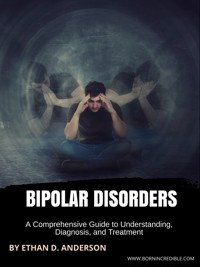
Discover the complexities and challenges of living with bipolar disorder in this comprehensive guide, "Bipolar Disorders: A Comprehensive Guide to Understanding, Diagnosis, and Treatment." Designed for patients, families, and professionals, this book offers a wealth of information and practical advice for managing the various aspects of bipolar disorder.
Explore the symptoms, causes, and risk factors of bipolar disorders, and learn about the diagnostic criteria and treatment options available. Gain valuable insights into managing bipolar disorder, from developing a treatment plan to identifying and managing triggers. Understand the critical role of support networks, including family, friends, and support groups.
Learn how to navigate the challenges of bipolar disorder in various aspects of life, from relationships and the workplace to substance abuse and suicide prevention. This guide also covers special topics such as bipolar disorder in children and adolescents, pregnancy, creativity, financial management, travel, spirituality, aging, and more.
Stay informed about emerging research and future directions in the field of bipolar disorder, and find inspiration from personal stories and memoirs of individuals who have successfully managed their condition. Benefit from resources and further reading to deepen your understanding and help others in their journey with bipolar disorder.
"Bipolar Disorders: A Comprehensive Guide to Understanding, Diagnosis, and Treatment" is the ultimate resource for anyone seeking to better understand this complex mental health condition, offering hope, guidance, and practical advice for a balanced and fulfilling life.
Das E-Book können Sie in Legimi-Apps oder einer beliebigen App lesen, die das folgende Format unterstützen:
Veröffentlichungsjahr: 2023
Ähnliche
















Created by BornIncredible.com
All rights reserved.
Copyright © 2005 onwards .
By reading this book, you agree to the below Terms and Conditions.
BornIncredible.com retains all rights to these products.
No part of this book may be reproduced in any form, by photostat, microfilm, xerography, or any other means, or incorporated into any information retrieval system, electronic or mechanical, without the written permission of BornIncredible.com; exceptions are made for brief excerpts used in published reviews.
This publication is designed to provide accurate and authoritative information with regard to the subject matter covered. It is sold with the understanding that the publisher is not engaged in rendering legal, accounting, health, relationship or other professional / personal advice. If legal advice or other expert assistance is required, the services of a competent professional should be sought.
A New Zealand Made Product
Get A Free Book At: BornIncredible.com/free-book-offer/
Table of Contents
Understanding Bipolar Disorders
Definition and types of bipolar disorders
The bipolar spectrum: from cyclothymia to bipolar I and II
Symptoms and Diagnosis
Manic episodes: signs, symptoms, and severity
Depressive episodes: signs, symptoms, and severity
Hypomanic episodes: distinguishing from mania
Mixed episodes: combining manic and depressive symptoms
Causes and Risk Factors
Genetic factors and family history
Environmental factors and life events
Brain chemistry and neurobiological factors
Diagnosis and Assessment
Diagnostic criteria and the DSM-5
The role of mental health professionals
Assessing severity and functional impairment
Treatment Options
Psychotherapy: cognitive-behavioral therapy, family-focused therapy, and interpersonal and social rhythm therapy
Medications: mood stabilizers, antipsychotics, and antidepressants
Electroconvulsive therapy and other brain stimulation techniques
Managing Bipolar Disorder
Developing a treatment plan
Identifying and managing triggers
Coping with symptoms: self-help strategies
The Role of Support Networks
Family and friends: providing support and understanding
Support groups and peer networks
Online resources and communities
Bipolar Disorder and Relationships
Communication and conflict resolution
Maintaining healthy boundaries
Intimacy, sexuality, and bipolar disorder
Bipolar Disorder in Children and Adolescents
Early signs and diagnosis
Treatment options for young people
Parenting strategies and family support
Bipolar Disorder and the Workplace
Navigating disclosure and accommodations
Managing job stress and maintaining productivity
Legal rights and protections
Bipolar Disorder and Substance Abuse
Prevalence and risk factors
Dual diagnosis treatment approaches
Strategies for maintaining sobriety
Bipolar Disorder and Suicide Prevention
Warning signs and risk factors
Crisis intervention and safety planning
Postvention and support for survivors
Bipolar Disorder and Pregnancy
Planning for pregnancy and managing medications
Postpartum mood episodes and support strategies
Parenting with bipolar disorder
Stigma and Misconceptions
Common stereotypes and myths
Combating stigma through education and advocacy
Personal stories and public awareness campaigns
Living a Balanced Life with Bipolar Disorder
Wellness strategies: sleep, diet, and exercise
Mindfulness and stress reduction techniques
Building resilience and personal growth
Emerging Research and Future Directions
Advances in neuroimaging and genetics
Novel medications and treatment approaches
Early intervention and prevention efforts
Bipolar Disorder and Creativity
Historical and contemporary examples
The role of mood states in artistic expression
Harnessing creativity for personal growth
Financial Management and Bipolar Disorder
Recognizing and managing impulsive spending
Strategies for budgeting and financial planning
Dealing with debt and financial recovery
Travel and Bipolar Disorder
Preparing for travel: medication, routine, and support
Coping with triggers and mood episodes while away
Balancing adventure and stability
Spirituality and Bipolar Disorder
The role of faith and belief in coping with bipolar disorder
Mind-body practices and their benefits
Navigating spiritual crises and growth
Bipolar Disorder and Aging
Changes in symptom presentation and treatment needs
Managing comorbid health conditions
Support and care for older adults with bipolar disorder
Resources and Further Reading
Books, websites, and organizations
Educational materials for patients, families, and professionals
Advocacy and support opportunities
Bipolar Disorder and the Legal System
Mental health law and involuntary treatment
Navigating the criminal justice system
Legal rights and resources for individuals with bipolar disorder
Bipolar Disorder and Sleep
The relationship between sleep and mood episodes
Sleep disorders associated with bipolar disorder
Strategies for improving sleep hygiene and quality
Bipolar Disorder and Nutrition
The role of diet in managing mood and overall health
Nutritional deficiencies and supplementation
Developing a balanced and sustainable eating plan
Bipolar Disorder and Physical Activity
The benefits of exercise for mental health
Choosing the right type and intensity of exercise
Building a consistent and enjoyable fitness routine
Alternative and Complementary Therapies
Herbal remedies and dietary supplements
Acupuncture, massage, and other bodywork therapies
Art, music, and other creative therapies
Bipolar Disorder and Technology
Smartphone apps and online tools for mood tracking
Teletherapy and remote mental health services
Virtual support groups and social networks
Cultural Perspectives on Bipolar Disorder
Cross-cultural variations in diagnosis and treatment
Addressing cultural stigma and barriers to care
Incorporating cultural sensitivity in mental health care
Bipolar Disorder and LGBTQ+ Communities
Prevalence and unique challenges faced by LGBTQ+ individuals
Affirming mental health care for LGBTQ+ people
Support and resources for LGBTQ+ individuals with bipolar disorder
Bipolar Disorder and Veterans
The impact of military service on mental health
Unique challenges faced by veterans with bipolar disorder
Resources and support for veterans and their families
Personal Stories and Memoirs
First-hand accounts of living with bipolar disorder
Overcoming adversity and finding hope
Lessons learned and insights gained from personal experiences
Have Questions / Comments?
Get Another Book Free
Understanding Bipolar Disorders
Bipolar disorder, also known as manic-depressive illness, is a mental health condition characterized by extreme mood swings, from periods of high energy and euphoria to periods of depression and despair. These mood swings can be so severe that they interfere with daily life and relationships, and may even lead to suicidal thoughts or actions.
There are several types of bipolar disorder, each with its own unique set of symptoms and diagnostic criteria. The most common types are bipolar I and bipolar II, but there are also other types such as cyclothymic disorder and bipolar disorder not otherwise specified (BP-NOS).
Bipolar I disorder is characterized by manic episodes that last at least seven days, or by manic symptoms that are so severe that hospitalization is necessary. Mania is a state of heightened energy, activity, and euphoria that can be accompanied by grandiose or delusional thinking, impulsiveness, and reckless behavior. Manic episodes may also be mixed with depressive symptoms, which can include feelings of sadness, guilt, and hopelessness.
Bipolar II disorder is similar to bipolar I disorder, but the manic episodes are less severe and are known as hypomanic episodes. Hypomania is a milder form of mania that lasts for at least four days and is characterized by elevated mood, increased energy and activity, and a heightened sense of well-being. However, hypomania can also lead to impulsive behavior, poor judgment, and irritability.
Cyclothymic disorder is a milder form of bipolar disorder that involves chronic fluctuations in mood that are less severe than those of bipolar I or II disorder. People with cyclothymic disorder experience periods of hypomanic symptoms and periods of depressive symptoms, but these episodes are not severe enough to meet the criteria for a diagnosis of bipolar I or II disorder.
Bipolar disorder not otherwise specified (BP-NOS) is used when a person has symptoms of bipolar disorder that do not meet the criteria for any of the other types of bipolar disorder. This can include people who have symptoms of both hypomania and depression, but do not meet the duration criteria for a diagnosis of bipolar I or II disorder.
The exact causes of bipolar disorder are not fully understood, but researchers believe that a combination of genetic, environmental, and neurological factors may play a role. Bipolar disorder tends to run in families, and studies have identified several genes that may increase a person's risk of developing the disorder. Environmental factors such as stress, trauma, and substance abuse may also trigger bipolar symptoms in people who are genetically predisposed to the condition.
Neurological factors such as imbalances in certain neurotransmitters, including dopamine, serotonin, and norepinephrine, have also been implicated in the development of bipolar disorder. These neurotransmitters help regulate mood, and imbalances in their levels can lead to mood swings and other symptoms of bipolar disorder.
Diagnosis of bipolar disorder typically involves a thorough psychiatric evaluation, including a review of the person's medical and psychiatric history, a physical examination, and psychological testing. The diagnostic criteria for bipolar disorder are outlined in the Diagnostic and Statistical Manual of Mental Disorders (DSM), which is published by the American Psychiatric Association.
Treatment of bipolar disorder usually involves a combination of medication and psychotherapy. Mood stabilizers such as lithium, antipsychotic medications, and antidepressants may be used to help control mood swings and other symptoms of bipolar disorder. Psychotherapy, such as cognitive-behavioral therapy or interpersonal therapy, can also be helpful in managing bipolar symptoms and improving interpersonal relationships.
Self-care is also an important part of managing bipolar disorder. This can include getting regular exercise, eating a healthy diet, getting enough sleep, avoiding drugs and alcohol, and developing coping strategies for managing stress and mood swings.
Definition and types of bipolar disorders
Bipolar disorder, also known as manic-depressive illness, is a mental health condition characterized by extreme mood swings that can significantly disrupt a person's life. People with bipolar disorder experience periods of high energy and euphoria, known as manic or hypomanic episodes, and periods of depression and despair.
There are several types of bipolar disorder, each with its own unique set of symptoms and diagnostic criteria. The most common types are bipolar I and bipolar II, but there are also other types such as cyclothymic disorder and bipolar disorder not otherwise specified (BP-NOS).
Bipolar I disorder is the classic form of bipolar disorder, characterized by manic episodes that last at least seven days or by manic symptoms that are so severe that hospitalization is necessary. Mania is a state of heightened energy, activity, and euphoria that can be accompanied by grandiose or delusional thinking, impulsiveness, and reckless behavior. Manic episodes may also be mixed with depressive symptoms, which can include feelings of sadness, guilt, and hopelessness.
During a manic episode, people with bipolar I disorder may feel an intense sense of euphoria, have racing thoughts, feel very talkative, have grandiose ideas or inflated self-esteem, and engage in risky or impulsive behavior such as spending sprees or substance abuse. They may also experience a decreased need for sleep and be irritable or agitated.
In contrast, during a depressive episode, people with bipolar I disorder may feel sad, hopeless, or helpless. They may have difficulty concentrating, lose interest in activities they once enjoyed, experience changes in appetite or sleep patterns, and even have thoughts of suicide.
Bipolar II disorder is similar to bipolar I disorder, but the manic episodes are less severe and are known as hypomanic episodes. Hypomania is a milder form of mania that lasts for at least four days and is characterized by elevated mood, increased energy and activity, and a heightened sense of well-being. However, hypomania can also lead to impulsive behavior, poor judgment, and irritability.
During a hypomanic episode, people with bipolar II disorder may feel more confident, creative, and productive than usual. They may also engage in risky or impulsive behavior, but it is typically less severe than in a manic episode. In a depressive episode, people with bipolar II disorder experience the same symptoms as those with bipolar I disorder, such as sadness, hopelessness, and suicidal thoughts.
Cyclothymic disorder is a milder form of bipolar disorder that involves chronic fluctuations in mood that are less severe than those of bipolar I or II disorder. People with cyclothymic disorder experience periods of hypomanic symptoms and periods of depressive symptoms, but these episodes are not severe enough to meet the criteria for a diagnosis of bipolar I or II disorder.
Bipolar disorder not otherwise specified (BP-NOS) is used when a person has symptoms of bipolar disorder that do not meet the criteria for any of the other types of bipolar disorder. This can include people who have symptoms of both hypomania and depression, but do not meet the duration criteria for a diagnosis of bipolar I or II disorder.
In conclusion, bipolar disorder is a complex mental health condition that involves extreme mood swings that can significantly disrupt a person's life. There are several types of bipolar disorder, including bipolar I, bipolar II, cyclothymic disorder, and bipolar disorder not otherwise specified (BP-NOS). Each type has its own unique set of symptoms and diagnostic criteria, and treatment typically involves a combination of medication and psychotherapy. With proper treatment, many people with bipolar disorder can manage their symptoms and live fulfilling lives.
The bipolar spectrum: from cyclothymia to bipolar I and II
Bipolar disorder is a mental health condition characterized by extreme mood swings, from periods of high energy and euphoria to periods of depression and despair. There are several types of bipolar disorder, each with its own unique set of symptoms and diagnostic criteria. These types are often referred to as the bipolar spectrum, which ranges from cyclothymia to bipolar I and II.
Cyclothymia is a milder form of bipolar disorder that involves chronic fluctuations in mood that are less severe than those of bipolar I or II disorder. People with cyclothymia experience periods of hypomanic symptoms and periods of depressive symptoms, but these episodes are not severe enough to meet the criteria for a diagnosis of bipolar I or II disorder.
Cyclothymic disorder typically begins in adolescence or early adulthood and affects men and women equally. People with cyclothymia may have difficulty recognizing the impact of their mood swings on their daily life, and may go through periods of feeling relatively stable or "normal." However, over time, the mood swings may become more pronounced and lead to disruptions in work, school, and relationships.
Bipolar II disorder is similar to bipolar I disorder, but the manic episodes are less severe and are known as hypomanic episodes. Hypomania is a milder form of mania that lasts for at least four days and is characterized by elevated mood, increased energy and activity, and a heightened sense of well-being. However, hypomania can also lead to impulsive behavior, poor judgment, and irritability.
During a hypomanic episode, people with bipolar II disorder may feel more confident, creative, and productive than usual. They may also engage in risky or impulsive behavior, but it is typically less severe than in a manic episode. In a depressive episode, people with bipolar II disorder experience the same symptoms as those with bipolar I disorder, such as sadness, hopelessness, and suicidal thoughts.
Bipolar I disorder is the classic form of bipolar disorder, characterized by manic episodes that last at least seven days or by manic symptoms that are so severe that hospitalization is necessary. Mania is a state of heightened energy, activity, and euphoria that can be accompanied by grandiose or delusional thinking, impulsiveness, and reckless behavior. Manic episodes may also be mixed with depressive symptoms, which can include feelings of sadness, guilt, and hopelessness.
During a manic episode, people with bipolar I disorder may feel an intense sense of euphoria, have racing thoughts, feel very talkative, have grandiose ideas or inflated self-esteem, and engage in risky or impulsive behavior such as spending sprees or substance abuse. They may also experience a decreased need for sleep and be irritable or agitated.
The bipolar spectrum also includes bipolar disorder not otherwise specified (BP-NOS), which is used when a person has symptoms of bipolar disorder that do not meet the criteria for any of the other types of bipolar disorder. This can include people who have symptoms of both hypomania and depression, but do not meet the duration criteria for a diagnosis of bipolar I or II disorder.
It is important to note that the bipolar spectrum is not a linear progression from cyclothymia to bipolar I and II. Rather, it is a continuum of mood disorders that exist on a spectrum. Some people may experience symptoms of both cyclothymia and bipolar II disorder, while others may have symptoms that are characteristic of both bipolar I and II disorder.
The exact causes of bipolar disorder are not fully understood, but researchers believe that a combination of genetic, environmental, and neurological factors may play a role. Bipolar disorder tends to run in families, and studies have identified several genes that may increase a person's risk of developing the disorder. Environmental factors such as stress, trauma , and substance abuse may also contribute to the development of bipolar disorder. Additionally, researchers have identified differences in the brain structure and function of individuals with bipolar disorder compared to those without the condition.
Treatment for bipolar disorder often involves a combination of medication and therapy. Medications such as mood stabilizers and antipsychotics can help manage symptoms and prevent episodes. Therapy can help individuals with bipolar disorder learn coping strategies, improve communication and relationships, and develop a plan for managing symptoms.
In addition to traditional treatments, there are also several lifestyle changes that individuals with bipolar disorder can make to manage their symptoms. These include:
Maintaining a regular sleep schedule
Avoiding drugs and alcohol
Eating a healthy, balanced diet
Exercising regularly
Managing stress through relaxation techniques such as meditation or yoga
Avoiding caffeine and other stimulants
Sticking to a consistent daily routine
Identifying triggers and avoiding them
Seeking support from loved ones and mental health professionals
Staying organized and prioritizing tasks
Developing a crisis plan with a mental health professional
Learning to recognize warning signs of an impending episode
Practicing good communication skills
Allowing yourself to rest and take breaks when needed
Celebrating small victories and progress made towards managing symptoms.
It's important for individuals with bipolar disorder to work closely with their mental health professional to develop an individualized treatment plan that meets their unique needs. With proper treatment and management, individuals with bipolar disorder can lead fulfilling and productive lives.
Symptoms and Diagnosis
Bipolar disorder, also known as manic-depressive illness, is a mental health condition characterized by extreme mood swings, from periods of high energy and euphoria to periods of depression and despair. These mood swings can be so severe that they interfere with daily life and relationships, and may even lead to suicidal thoughts or actions. Below we will we will discuss the symptoms and diagnosis of bipolar disorder.
Symptoms of Bipolar Disorder
The symptoms of bipolar disorder can vary depending on the type of bipolar disorder a person has. Bipolar I disorder is characterized by manic episodes that last at least seven days, or by manic symptoms that are so severe that hospitalization is necessary. During a manic episode, a person may experience:
Elevated mood, increased energy, and activity
Racing thoughts and rapid speech
Grandiose or delusional thinking
Impulsiveness and reckless behavior
Decreased need for sleep
Irritability or agitation
Mixed episodes, which are a combination of manic and depressive symptoms
During a depressive episode, a person with bipolar I disorder may experience:
Persistent feelings of sadness, hopelessness, or worthlessness
Loss of interest in activities they once enjoyed
Changes in appetite or sleep patterns
Fatigue and loss of energy
Difficulty concentrating or making decisions
Thoughts of suicide or self-harm
Bipolar II disorder is similar to bipolar I disorder, but the manic episodes are less severe and are known as hypomanic episodes. During a hypomanic episode, a person may experience:
Elevated mood, increased energy, and activity
Increased confidence and productivity
Impulsiveness and poor judgment
Decreased need for sleep
During a depressive episode, a person with bipolar II disorder experiences the same symptoms as those with bipolar I disorder, such as sadness, hopelessness, and suicidal thoughts.
Cyclothymic disorder is a milder form of bipolar disorder that involves chronic fluctuations in mood that are less severe than those of bipolar I or II disorder. People with cyclothymic disorder experience periods of hypomanic symptoms and periods of depressive symptoms, but these episodes are not severe enough to meet the criteria for a diagnosis of bipolar I or II disorder.
Diagnosis of Bipolar Disorder
Diagnosis of bipolar disorder typically involves a thorough psychiatric evaluation, including a review of the person's medical and psychiatric history, a physical examination, and psychological testing. The diagnostic criteria for bipolar disorder are outlined in the Diagnostic and Statistical Manual of Mental Disorders (DSM), which is published by the American Psychiatric Association.
To receive a diagnosis of bipolar I disorder, a person must have had at least one manic episode that lasts at least seven days or is severe enough to require hospitalization. They may also experience depressive episodes.
To receive a diagnosis of bipolar II disorder, a person must have had at least one hypomanic episode and at least one depressive episode.
To receive a diagnosis of cyclothymic disorder, a person must have had numerous periods of hypomanic symptoms and depressive symptoms for at least two years.
It is important to note that bipolar disorder can be difficult to diagnose because the symptoms can mimic other mental health conditions, such as depression or anxiety. A thorough evaluation by a mental health professional is necessary to ensure an accurate diagnosis.
In conclusion, bipolar disorder is a complex mental health condition that involves extreme mood swings that can significantly disrupt a person's life. The symptoms of bipolar disorder can vary depending on the type of bipolar disorder a person has. Diagnosis of bipolar disorder typically involves a thorough psychiatric evaluation, including a review of the person's medical and psychiatric history, a physical examination, and psychological testing. With proper treatment, many people with bipolar disorder can manage their symptoms and live fulfilling lives.
Manic episodes: signs, symptoms, and severity
Manic episodes are a defining characteristic of bipolar disorder, a mental health condition that involves extreme mood swings. A manic episode is a period of elevated, irritable, or euphoric mood, often accompanied by increased energy, activity, and a decreased need for sleep. Below we will we will discuss the signs, symptoms, and severity of manic episodes in relation to bipolar disorder.
Signs and Symptoms of Manic Episodes
Manic episodes are characterized by a range of signs and symptoms that can vary from person to person. Some common signs and symptoms of manic episodes include:
1. Elevated or irritable mood: A person in a manic episode may feel extremely happy or elated, or they may feel easily irritated or agitated.
2. Increased energy and activity: A person in a manic episode may feel as though they have boundless energy, and may be more active and restless than usual.
3. Racing thoughts: A person in a manic episode may experience racing thoughts, which can make it difficult to concentrate or focus on one task at a time.
4. Rapid speech: A person in a manic episode may speak more quickly than usual, and may jump from topic to topic in conversation.
5. Grandiose or delusional thinking: A person in a manic episode may have grandiose or delusional thoughts, such as believing they have special abilities or powers.
6. Impulsiveness: A person in a manic episode may engage in impulsive or risky behaviors, such as spending large amounts of money or engaging in risky sexual behavior.
7. Decreased need for sleep: A person in a manic episode may feel as though they require less sleep than usual, and may stay up late or wake up early without feeling tired.
Severity of Manic Episodes
Manic episodes can range in severity from mild to severe. The severity of a manic episode is usually determined by the degree of impairment it causes in a person's daily life. Mild manic episodes may involve only a few of the symptoms listed above, and may not significantly impact a person's ability to function at work, school, or in social situations.
Moderate manic episodes may involve more intense or frequent symptoms, and may cause some disruption in a person's daily life. For example, a person in a moderate manic episode may find it difficult to focus at work or school, or may engage in impulsive behavior that has negative consequences.
Severe manic episodes are the most intense form of manic episodes, and can be life-threatening if left untreated. During a severe manic episode, a person may experience a range of symptoms that are extremely disruptive to their daily life, such as:
8. Delusional thinking: A person in a severe manic episode may experience delusional thinking that causes them to lose touch with reality.
9. Psychosis: A person in a severe manic episode may experience psychosis, which involves hallucinations, delusions, and disorganized thinking.
10. Risky or dangerous behavior: A person in a severe manic episode may engage in extremely risky or dangerous behavior, such as driving at high speeds or engaging in substance abuse.
11. Agitation or aggression: A person in a severe manic episode may become extremely agitated or aggressive towards others.
12. Suicidal thoughts or actions: A person in a severe manic episode may experience suicidal thoughts or engage in suicidal behavior.
Treatment of Manic Episodes
Treatment for manic episodes typically involves a combination of medication and therapy. Medications such as mood stabilizers, antipsychotics, or antidepressants may be used to help stabilize a person's mood and reduce the severity of their symptoms. Therapy, such as cognitive behavioral therapy or psychotherapy, can also help a person develop coping strategies to manage their symptoms and improve their overall quality of life.
Depressive episodes: signs, symptoms, and severity
Depressive episodes are a common and often debilitating aspect of bipolar disorder, a mental health condition characterized by extreme mood swings. A depressive episode is a period of low mood, loss of interest in activities, and other symptoms that interfere with daily life. Below we will we will discuss the signs, symptoms, and severity of depressive episodes in relation to bipolar disorder.
Signs and Symptoms of Depressive Episodes
Depressive episodes are characterized by a range of signs and symptoms that can vary from person to person. Some common signs and symptoms of depressive episodes include:
1. Persistent sadness or low mood: A person in a depressive episode may feel sad, hopeless, or empty most of the time.
2. Loss of interest in activities: A person in a depressive episode may lose interest in activities they once enjoyed, such as hobbies or spending time with friends.
3. Changes in appetite or weight: A person in a depressive episode may experience changes in appetite or weight, such as overeating or undereating.
4. Fatigue or loss of energy: A person in a depressive episode may feel tired or have low energy most of the time, even after getting enough sleep.
5. Difficulty concentrating: A person in a depressive episode may have difficulty concentrating, making decisions, or remembering things.
6. Feelings of worthlessness or guilt: A person in a depressive episode may feel worthless, guilty, or ashamed, even if there is no logical reason to feel that way.
7. Thoughts of death or suicide: A person in a depressive episode may have thoughts of death or suicide, or may engage in self-harm.
Severity of Depressive Episodes
Depressive episodes can range in severity from mild to severe. The severity of a depressive episode is usually determined by the degree of impairment it causes in a person's daily life. Mild depressive episodes may involve only a few of the symptoms listed above, and may not significantly impact a person's ability to function at work, school, or in social situations.
Moderate depressive episodes may involve more intense or frequent symptoms, and may cause some disruption in a person's daily life. For example, a person in a moderate depressive episode may find it difficult to concentrate at work or school, or may have trouble engaging in social activities.
Severe depressive episodes are the most intense form of depressive episodes, and can be life-threatening if left untreated. During a severe depressive episode, a person may experience a range of symptoms that are extremely disruptive to their daily life, such as:
8. Suicidal thoughts or actions: A person in a severe depressive episode may experience suicidal thoughts or engage in suicidal behavior.
9. Psychosis: A person in a severe depressive episode may experience psychosis, which involves hallucinations, delusions, and disorganized thinking.
10. Inability to function: A person in a severe depressive episode may find it difficult or impossible to carry out daily tasks, such as going to work or taking care of themselves.
Treatment of Depressive Episodes
Treatment for depressive episodes typically involves a combination of medication and therapy. Medications such as antidepressants or mood stabilizers may be used to help alleviate symptoms and stabilize a person's mood. Therapy, such as cognitive behavioral therapy or psychotherapy, can also help a person develop coping strategies to manage their symptoms and improve their overall quality of life.
In conclusion, depressive episodes are a common and often debilitating aspect of bipolar disorder, a mental health condition characterized by extreme mood swings. Depressive episodes can range in severity from mild to severe, and may require a combination of medication and therapy to manage. If you or someone you know is experiencing symptoms of a depressive episode, it is important to seek help from a mental health professional.
Hypomanic episodes: distinguishing from mania
Hypomanic episodes are a key feature of bipolar II disorder, a mental health condition characterized by recurrent episodes of hypomania and depression. Hypomania is a milder form of mania, which is a hallmark symptom of bipolar I disorder. Below we will we will discuss the distinguishing features of hypomanic episodes and how they differ from manic episodes in bipolar disorder.
What is a Hypomanic Episode?
A hypomanic episode is a period of elevated, expansive, or irritable mood that lasts at least four consecutive days. During a hypomanic episode, a person may experience some of the same symptoms as a manic episode, such as increased energy, decreased need for sleep, and impulsivity. However, the symptoms of a hypomanic episode are less severe and do not cause significant impairment in a person's daily life.
Distinguishing Hypomania from Mania
While hypomania and mania share many of the same symptoms, there are some key differences that distinguish the two. One of the primary differences is the severity and duration of the symptoms.
Mania is characterized by a more severe and persistent form of elevated or irritable mood, lasting at least one week or requiring hospitalization. A person in a manic episode may experience psychosis, which involves hallucinations, delusions, and disorganized thinking. They may also engage in extremely risky or dangerous behaviors, such as driving at high speeds or engaging in substance abuse.
In contrast, a hypomanic episode is less severe and does not cause significant impairment in a person's daily life. A person in a hypomanic episode may feel more energetic and productive than usual, but they are still able to carry out their daily activities without causing harm to themselves or others.
Another key difference between hypomania and mania is the degree of insight a person has into their symptoms. People in a hypomanic episode may be aware that their behavior is somewhat unusual, but they do not necessarily see it as a problem. In contrast, people in a manic episode may be completely unaware of their behavior and may not recognize that they need help.
Diagnosing Hypomania
To diagnose hypomania, a mental health professional will conduct a comprehensive evaluation of a person's symptoms and medical history. They may also use a standardized diagnostic tool, such as the Diagnostic and Statistical Manual of Mental Disorders (DSM), to make a diagnosis.
A diagnosis of bipolar II disorder requires at least one hypomanic episode and at least one major depressive episode. To receive a diagnosis of bipolar I disorder, a person must have had at least one manic episode, with or without a history of depressive episodes.
Treatment for Hypomanic Episodes
Treatment for hypomanic episodes typically involves a combination of medication and therapy. Medications such as mood stabilizers or antipsychotics may be used to help stabilize a person's mood and reduce the severity of their symptoms. Therapy, such as cognitive behavioral therapy or psychotherapy, can also help a person develop coping strategies to manage their symptoms and improve their overall quality of life.
In conclusion, hypomanic episodes are a defining characteristic of bipolar II disorder, a mental health condition characterized by recurrent episodes of hypomania and depression. Hypomania is a milder form of mania, which is a hallmark symptom of bipolar I disorder. While hypomania and mania share many of the same symptoms, there are some key differences that distinguish the two, including severity, duration, and degree of insight into symptoms. If you or someone you know is experiencing symptoms of hypomania or any other mood disorder, it is important to seek help from a mental health professional.
Mixed episodes: combining manic and depressive symptoms
Mixed episodes are a defining feature of bipolar disorder, a mental health condition characterized by extreme mood swings. A mixed episode is a period of time during which a person experiences both manic and depressive symptoms simultaneously. Below we will we will discuss the symptoms, causes, and treatment of mixed episodes in relation to bipolar disorder.
Symptoms of Mixed Episodes
Mixed episodes are characterized by a range of symptoms that can vary from person to person. Some common symptoms of mixed episodes include:
1. Elevated or irritable mood: A person in a mixed episode may feel extremely happy or irritable, but may also experience feelings of sadness or hopelessness.
2. Racing thoughts: A person in a mixed episode may experience racing thoughts that make it difficult to concentrate or focus on one task at a time.
3. Increased energy and activity: A person in a mixed episode may feel as though they have boundless energy, but may also experience fatigue or low energy.
4. Decreased need for sleep: A person in a mixed episode may feel as though they require less sleep than usual, but may also experience insomnia or difficulty sleeping.
5. Loss of interest in activities: A person in a mixed episode may lose interest in activities they once enjoyed, such as hobbies or spending time with friends.
6. Changes in appetite or weight: A person in a mixed episode may experience changes in appetite or weight, such as overeating or undereating.
Causes of Mixed Episodes
The exact causes of mixed episodes are not well understood, but researchers believe that a combination of genetic, biological, and environmental factors may play a role. Some possible causes of mixed episodes include:
7. Neurochemical imbalances: Bipolar disorder is thought to involve imbalances in certain neurotransmitters, such as dopamine and serotonin, which can contribute to mood swings and other symptoms.
8. Genetics: Bipolar disorder tends to run in families, suggesting that there may be a genetic component to the condition.
9. Environmental factors: Stressful life events, such as a major life change or trauma, may trigger a mixed episode in some people.
Treatment of Mixed Episodes
Treatment for mixed episodes typically involves a combination of medication and therapy. Medications such as mood stabilizers, antipsychotics, or antidepressants may be used to help stabilize a person's mood and reduce the severity of their symptoms. Therapy, such as cognitive behavioral therapy or psychotherapy, can also help a person develop coping strategies to manage their symptoms and improve their overall quality of life.
It is important to note that treating mixed episodes can be challenging, as some medications used to treat bipolar disorder may actually exacerbate mixed symptoms. In some cases, a healthcare provider may need to adjust a person's medication regimen to find the best treatment approach.
In conclusion, mixed episodes are a defining feature of bipolar disorder, a mental health condition characterized by extreme mood swings. Mixed episodes are periods of time during which a person experiences both manic and depressive symptoms simultaneously, and can be challenging to treat. If you or someone you know is experiencing symptoms of a mixed episode or any other mood disorder, it is important to seek help from a mental health professional. With proper treatment and support, people with bipolar disorder can manage their symptoms and lead fulfilling lives.
Causes and Risk Factors
Bipolar disorder is a complex mental health condition that is thought to be caused by a combination of genetic, biological, and environmental factors. Below we will we will discuss the causes and risk factors associated with bipolar disorder.
Genetics
Genetics are thought to play a significant role in the development of bipolar disorder. Studies have shown that the condition tends to run in families, and people with a family history of bipolar disorder are more likely to develop the condition themselves. Researchers have identified several genes that may be involved in the development of bipolar disorder, although the exact mechanisms by which these genes contribute to the condition are not fully understood.
Biological Factors
Bipolar disorder is also thought to be influenced by certain biological factors, such as neurochemical imbalances and brain structure. Neurotransmitters such as dopamine and serotonin are thought to play a role in regulating mood, and imbalances in these neurotransmitters have been linked to the development of bipolar disorder. Additionally, some studies have suggested that people with bipolar disorder may have structural abnormalities in certain areas of the brain, such as the prefrontal cortex and amygdala.
Environmental Factors
Environmental factors can also contribute to the development of bipolar disorder. Stressful life events, such as a major life change or trauma, can trigger the onset of bipolar disorder in some people. Additionally, substance abuse and sleep disturbances have been linked to the development of bipolar disorder.
Risk Factors
Several factors may increase a person's risk of developing bipolar disorder. These risk factors include:
1. Family history: People with a family history of bipolar disorder are more likely to develop the condition themselves.
2. Age: The onset of bipolar disorder typically occurs in late adolescence or early adulthood, although the condition can develop at any age.
3. Substance abuse: Substance abuse, particularly alcohol and stimulants, can increase a person's risk of developing bipolar disorder.
4. Sleep disturbances: Disruptions in sleep patterns, such as insomnia or irregular sleep schedules, can increase a person's risk of developing bipolar disorder.
5. Chronic stress: Exposure to chronic stressors, such as poverty or discrimination, can increase a person's risk of developing bipolar disorder.
It is important to note that while these risk factors may increase a person's likelihood of developing bipolar disorder, they do not guarantee that a person will develop the condition. Additionally, many people with bipolar disorder do not have any identifiable risk factors.
Quick list:
Understand that bipolar disorder is a complex condition with no single cause.
Research family history of bipolar disorder, as it tends to run in families.
Be aware that certain genes may increase the risk of developing bipolar disorder.
Consider environmental factors, such as stress or trauma, that may contribute to the development of bipolar disorder.
Understand that substance abuse may increase the risk of developing bipolar disorder.
Be aware that changes in the brain structure or function may contribute to the development of bipolar disorder.
Be aware that other mental health conditions, such as anxiety or depression, may increase the risk of developing bipolar disorder.
Understand that hormonal imbalances may be a contributing factor in some cases of bipolar disorder.
Be aware that certain medications or medical conditions may increase the risk of developing bipolar disorder.
Be aware of the potential impact of early childhood experiences on the development of bipolar disorder.
Understand that the use of certain drugs may trigger or exacerbate symptoms of bipolar disorder.
Research the potential impact of sleep disturbances on the development of bipolar disorder.
Understand the potential impact of neurodevelopmental disorders, such as ADHD, on the development of bipolar disorder.
Be aware of the potential impact of social and economic factors, such as poverty or social isolation, on the development of bipolar disorder.
Be aware of the potential impact of traumatic brain injury on the development of bipolar disorder.
Understand that the onset of bipolar disorder may be triggered by major life changes or stressors.
Research the potential role of neurotransmitters, such as serotonin or dopamine, in the development of bipolar disorder.
Be aware of the potential impact of circadian rhythm disruptions on the development of bipolar disorder.
Understand the potential impact of cultural or societal factors on the development of bipolar disorder.
Research the potential impact of nutritional deficiencies on the development of bipolar disorder.
Be aware of the potential impact of exposure to toxins, such as lead or mercury, on the development of bipolar disorder.
Understand that gender and age may play a role in the development of bipolar disorder.
Be aware that there may be a correlation between creativity and bipolar disorder.
Research the potential impact of chronic stress on the development of bipolar disorder.
Be aware that the use of certain medications or substances during pregnancy may increase the risk of bipolar disorder in the child.
Understand that the development of bipolar disorder is likely the result of a combination of factors, rather than a single cause.
Be aware that the risk of developing bipolar disorder may increase during adolescence or early adulthood.
Research the potential impact of inflammation on the development of bipolar disorder.
Be aware that certain personality traits, such as impulsivity or high sensitivity, may increase the risk of developing bipolar disorder.
Remember that the causes and risk factors of bipolar disorder are complex and multifaceted, and a proper diagnosis and treatment plan requires an individualized approach.
Remember, while some factors may increase the risk of developing bipolar disorder, not everyone who experiences these risk factors will develop the condition. It's important to work with a mental health professional to determine individual risk factors and develop a personalized treatment plan.
––––––––
Bipolar disorder is a complex mental health condition that is thought to be caused by a combination of genetic, biological, and environmental factors. While the exact mechanisms by which these factors contribute to the development of bipolar disorder are not fully understood, researchers continue to study the condition in order to develop more effective treatments and prevention strategies. If you or someone you know is experiencing symptoms of bipolar disorder, it is important to seek help from a mental health professional. With proper treatment and support, people with bipolar disorder can manage their symptoms and lead fulfilling lives.
Genetic factors and family history
Bipolar disorder is a complex mental health condition that is influenced by a variety of genetic, biological, and environmental factors. One of the most well-established risk factors for bipolar disorder is a family history of the condition. Below we will we will discuss the role of genetic factors and family history in the development of bipolar disorder.
Genetic Factors
Genetic factors are thought to play a significant role in the development of bipolar disorder. Studies have shown that people with bipolar disorder are more likely to have close relatives with the condition, suggesting that there is a genetic component to the condition.
Researchers have identified several genes that may be involved in the development of bipolar disorder. These genes are thought to be involved in regulating neurotransmitters such as dopamine and serotonin, which are known to play a role in mood regulation. Additionally, some studies have suggested that certain genes may be involved in regulating circadian rhythms, which can impact sleep and mood.
It is important to note that the genetics of bipolar disorder are complex and not fully understood. While certain genes have been identified as potential risk factors for the condition, the interaction between these genes and environmental factors is likely to play a significant role in the development of bipolar disorder.
Family History
Having a family member with bipolar disorder is one of the strongest risk factors for developing the condition. Studies have shown that people with a first-degree relative (parent, sibling, or child) with bipolar disorder are several times more likely to develop the condition themselves compared to the general population.
The risk of developing bipolar disorder increases with the number of affected family members. For example, if one parent has bipolar disorder, a person's risk of developing the condition is about 10-15%. If both parents have bipolar disorder, a person's risk increases to about 50%.
It is important to note that while having a family history of bipolar disorder increases a person's risk of developing the condition, it does not guarantee that a person will develop bipolar disorder. Additionally, many people with bipolar disorder do not have a family history of the condition.
Genetic Counseling
Genetic counseling is a process that involves assessing a person's risk of developing a genetic condition, such as bipolar disorder, and providing information and support to help them make informed decisions about their health. Genetic counseling can be helpful for people with a family history of bipolar disorder who are concerned about their risk of developing the condition.




